










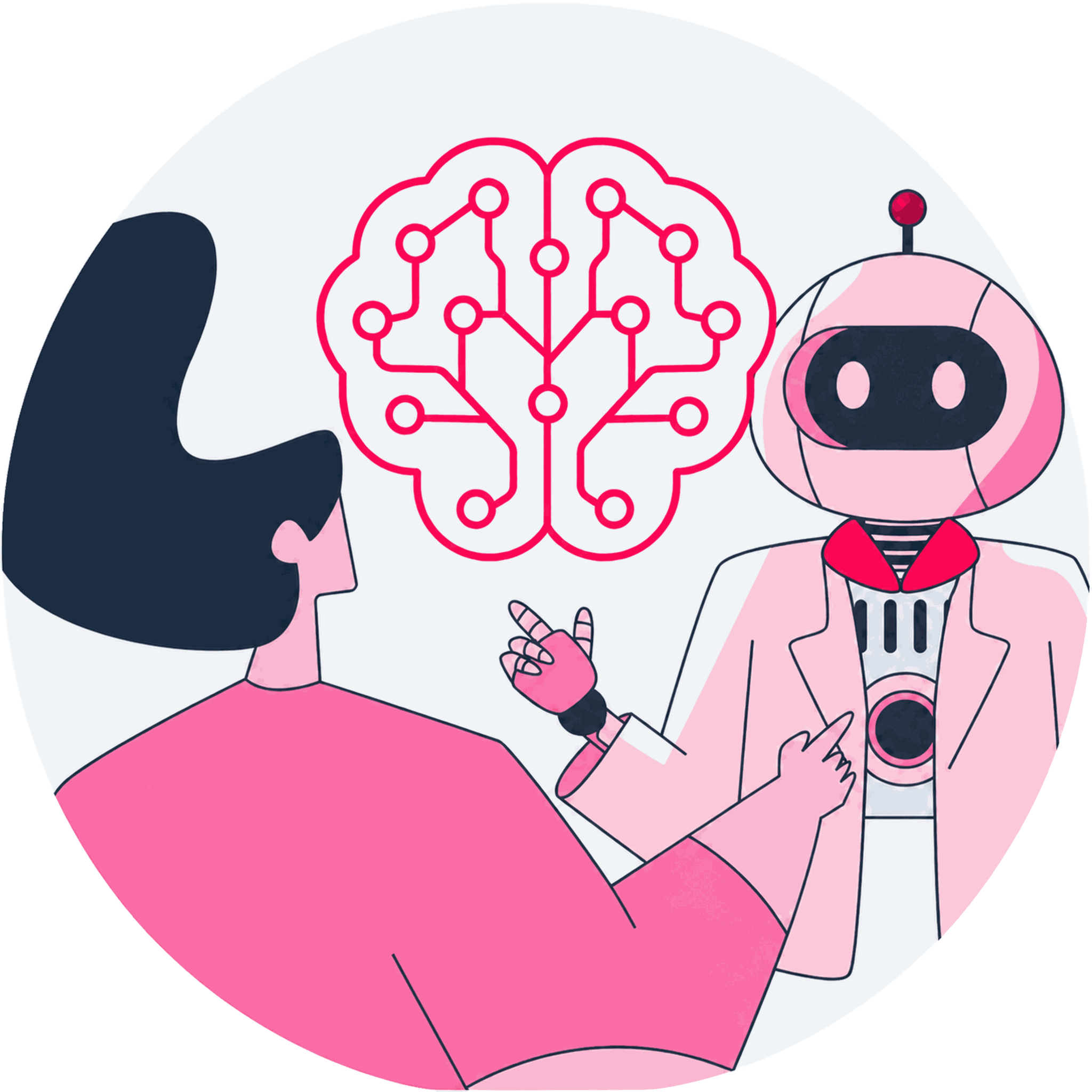
 AI (Artificial Intelligence)
The use of machines, particularly computer systems, to simulate processes associated with human intelligence.




4 terms
AI (Artificial Intelligence)The use of machines, particularly computer systems, to simulate processes associated with human intelligence.
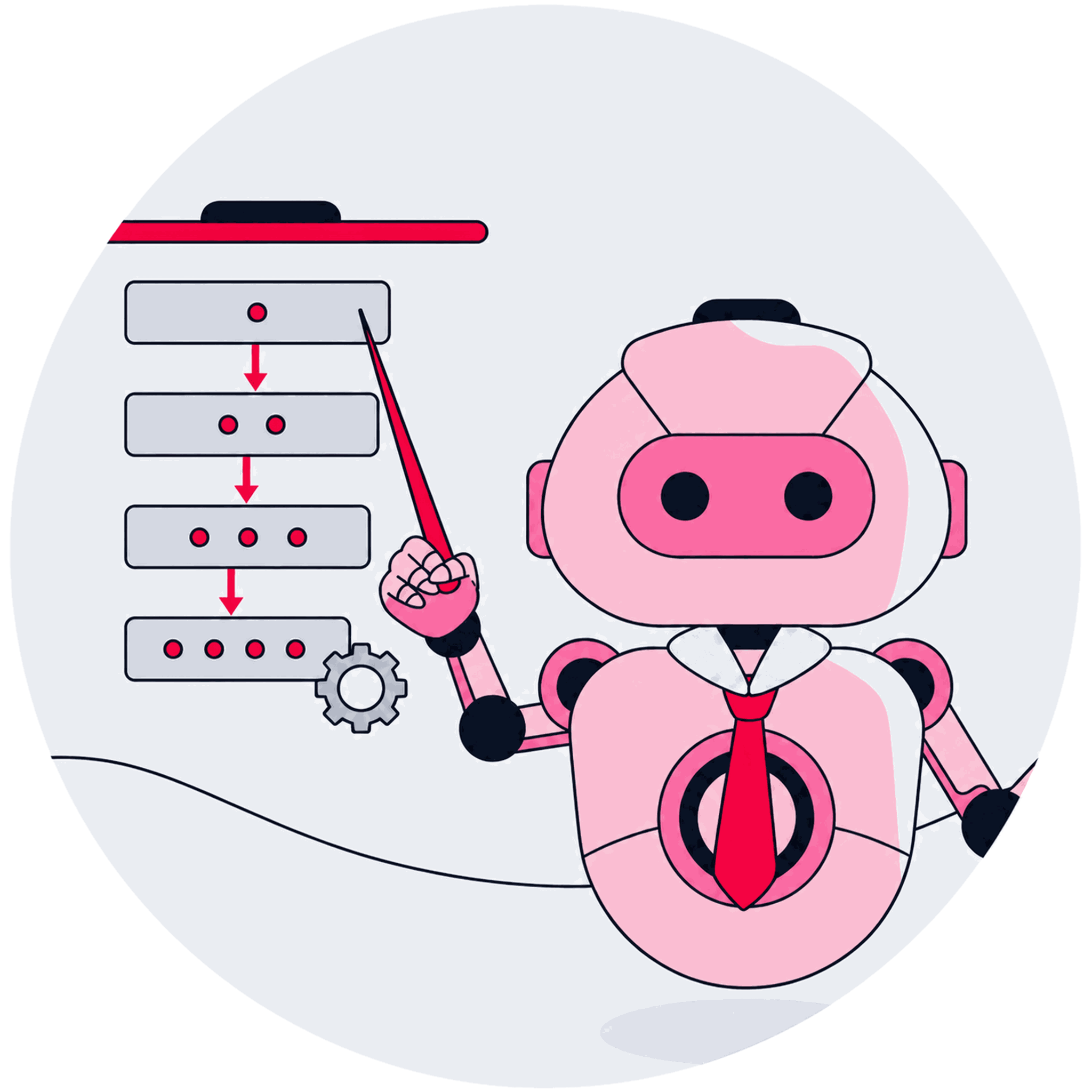
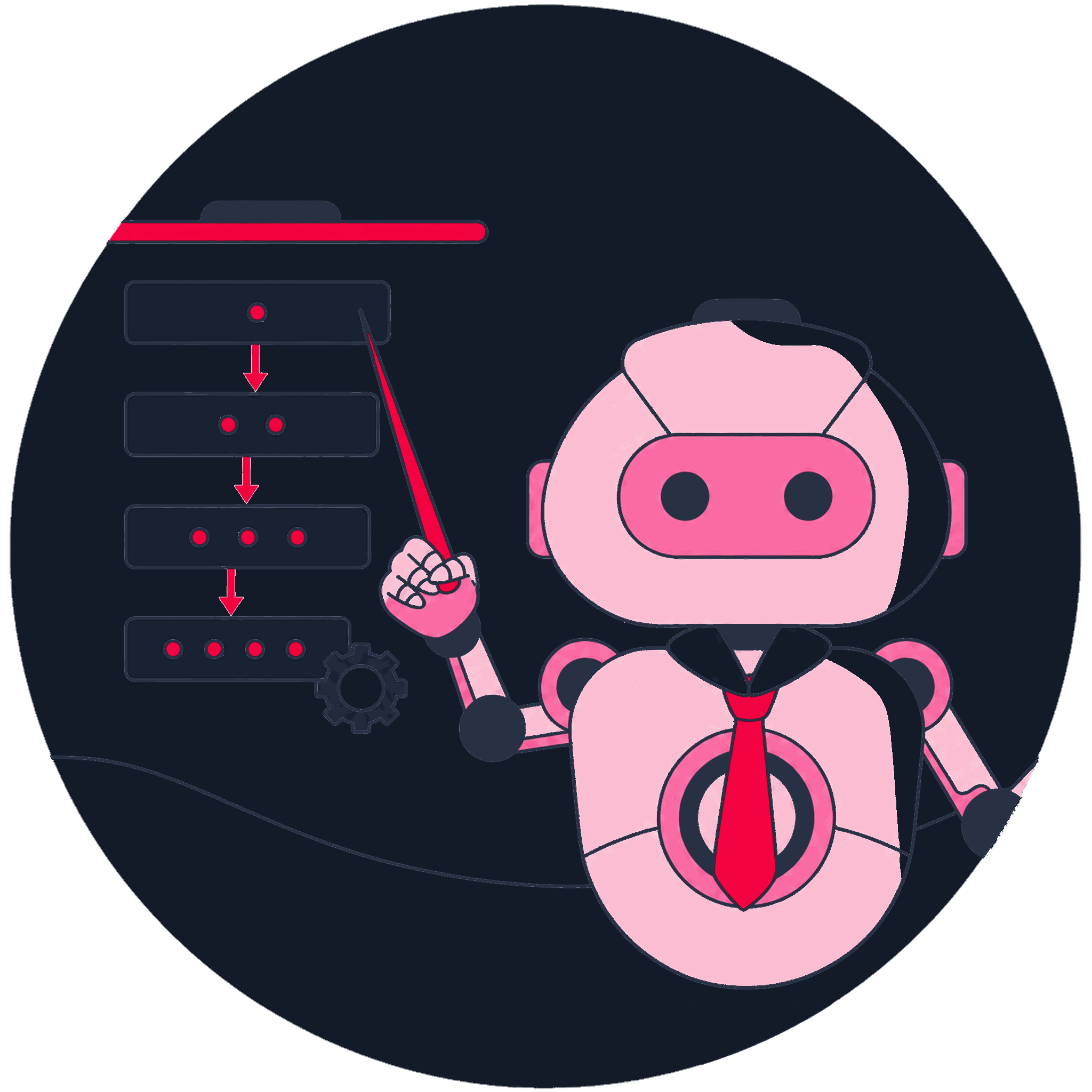 Algorithm
A set of mathematical instructions or rules that a computer follows to complete a specific task efficiently.
 Augmented Intelligence
The use of AI to support human decision-making through collaboration between people and machines.
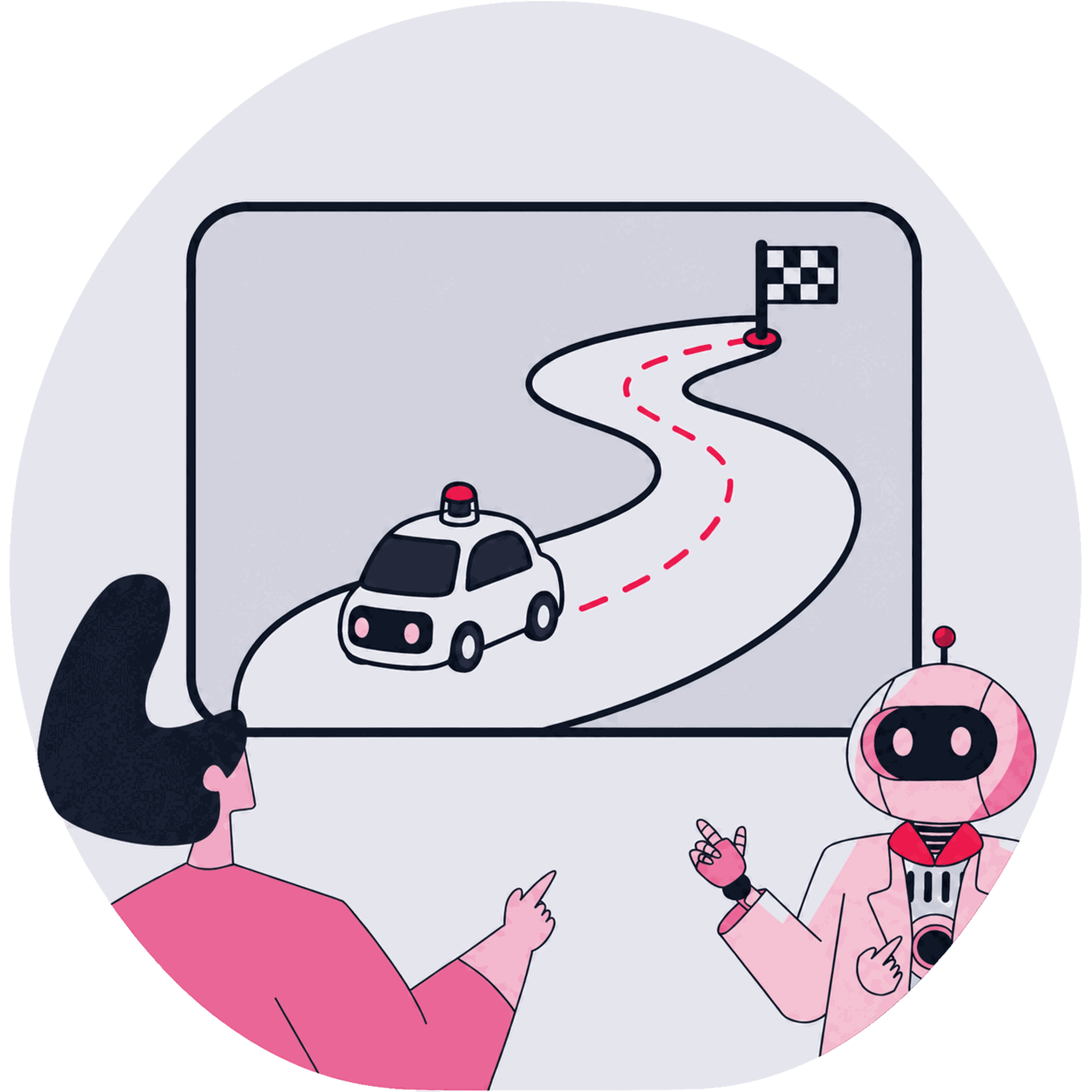
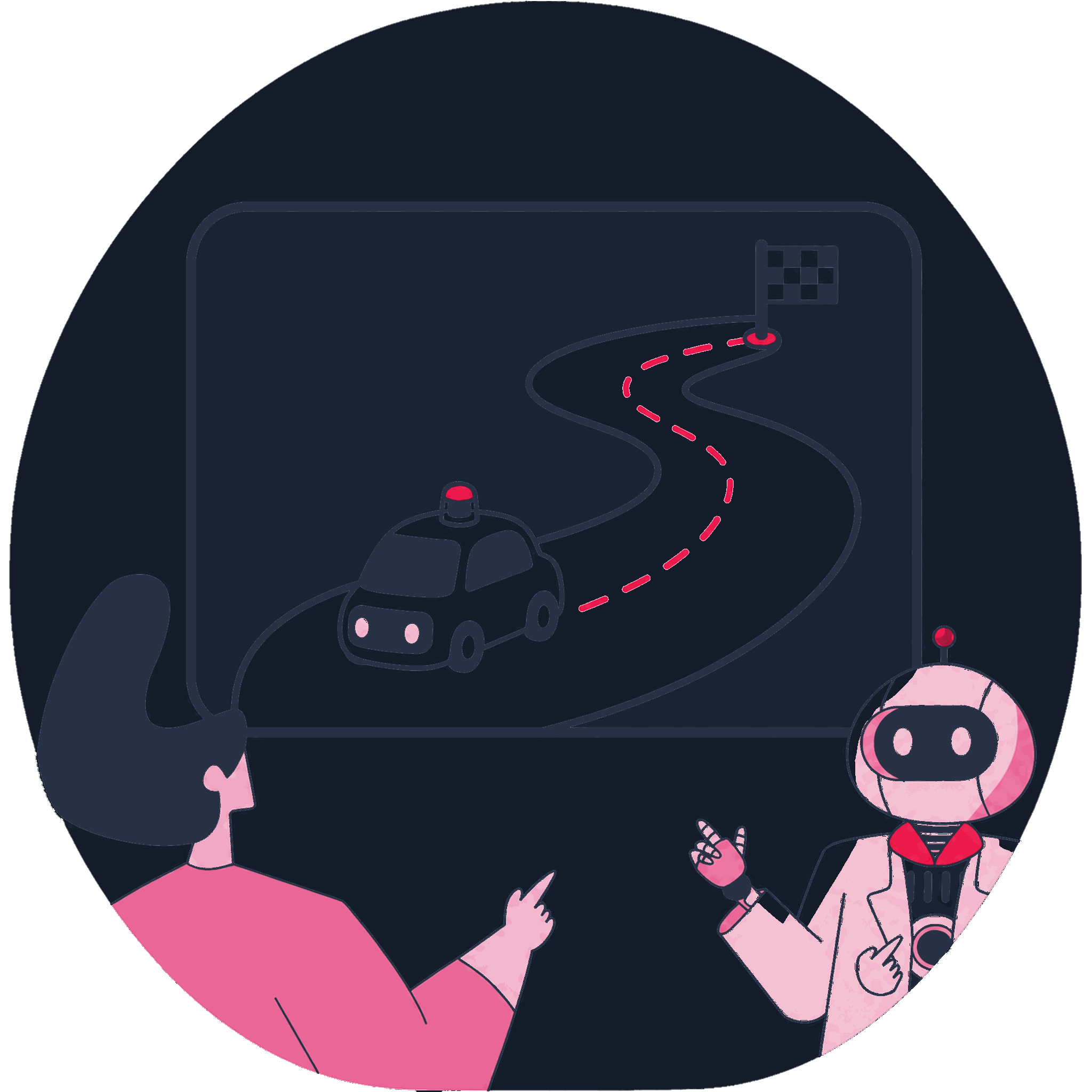 Autonomous
A machine or system that can perform tasks and make decisions without human intervention.
1 term
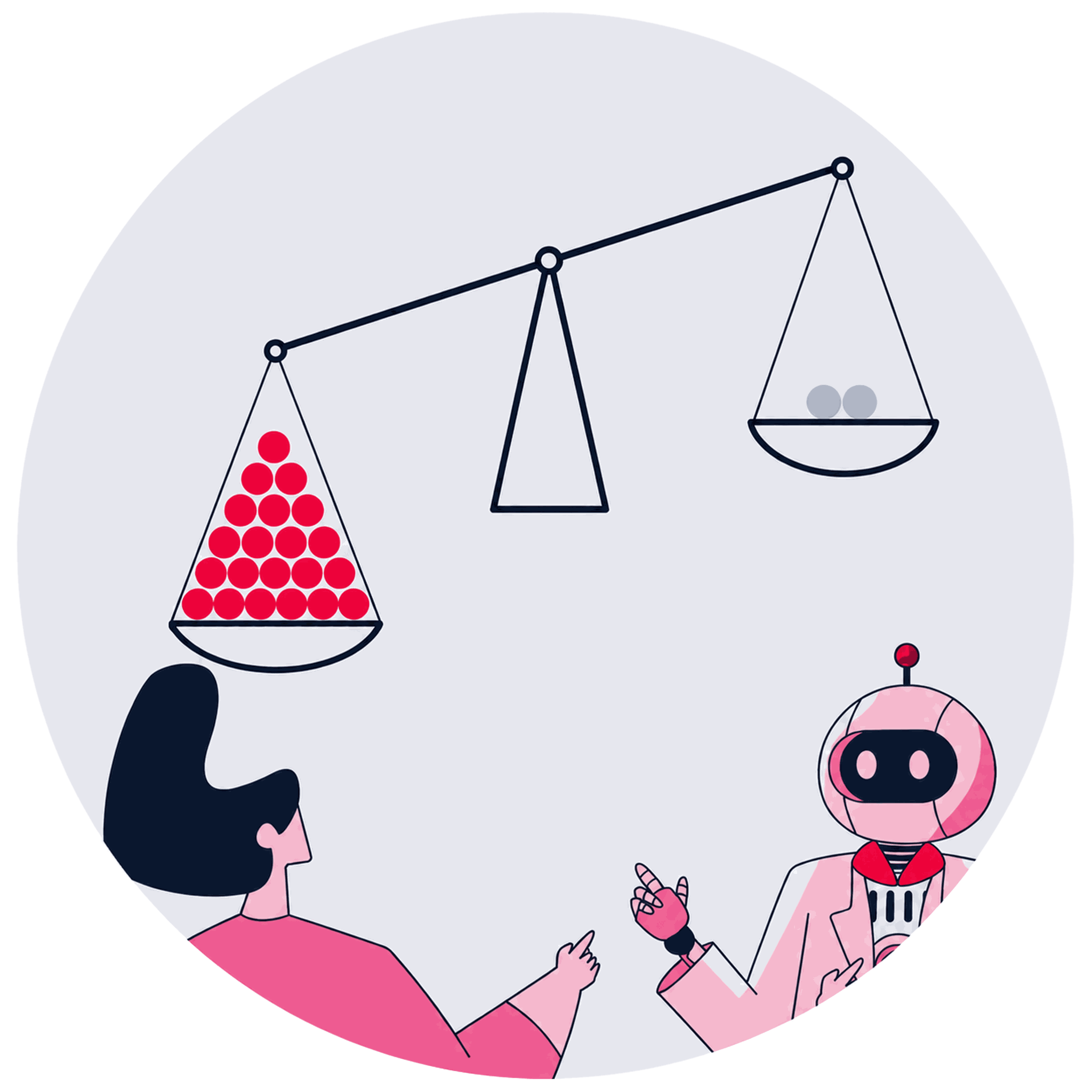
 Bias
BiasAssumptions or predispositions in AI models that can affect decisions and fairness.
2 terms
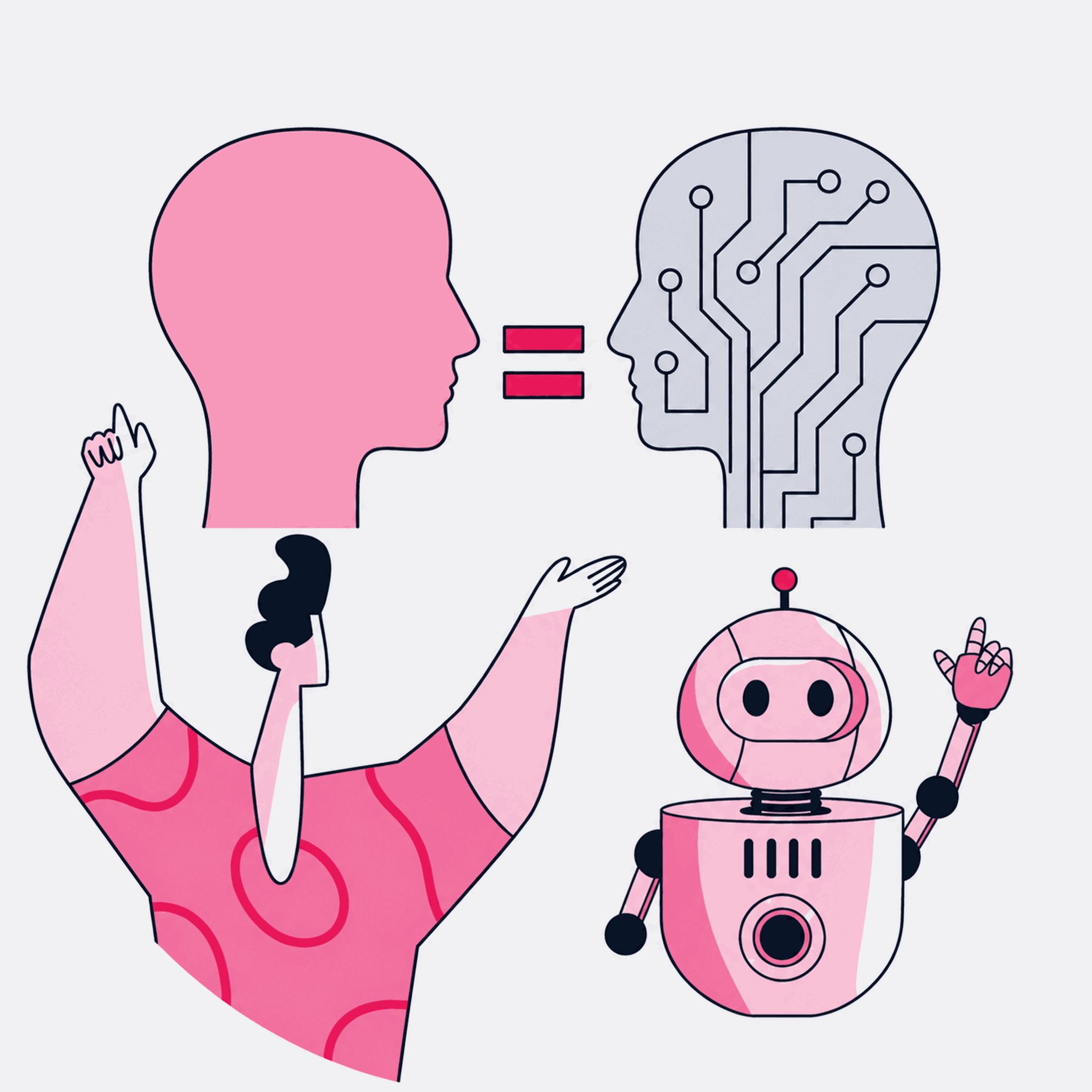
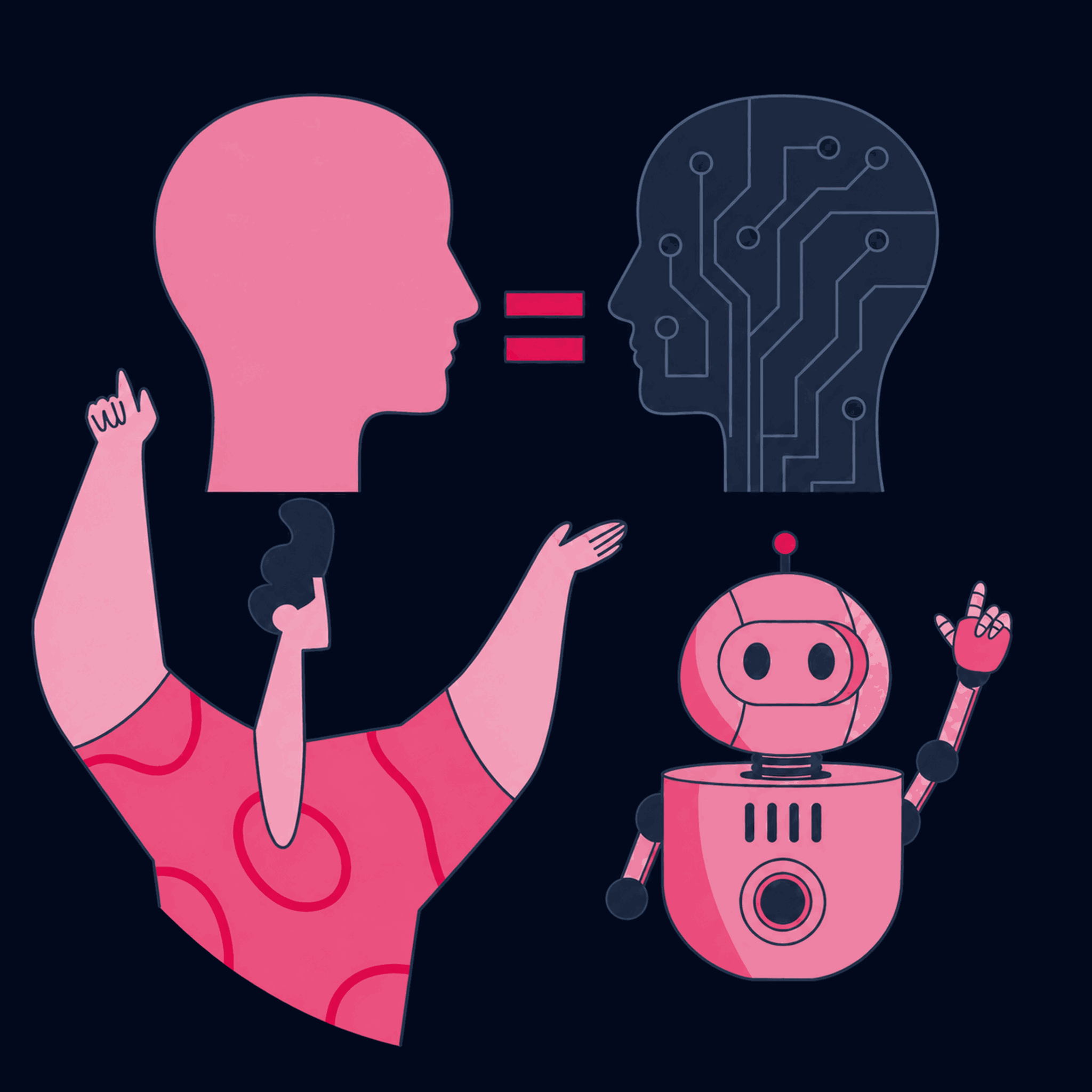 Cognitive Computing
AI systems designed to mimic how the human brain functions and support natural, human-like interaction.
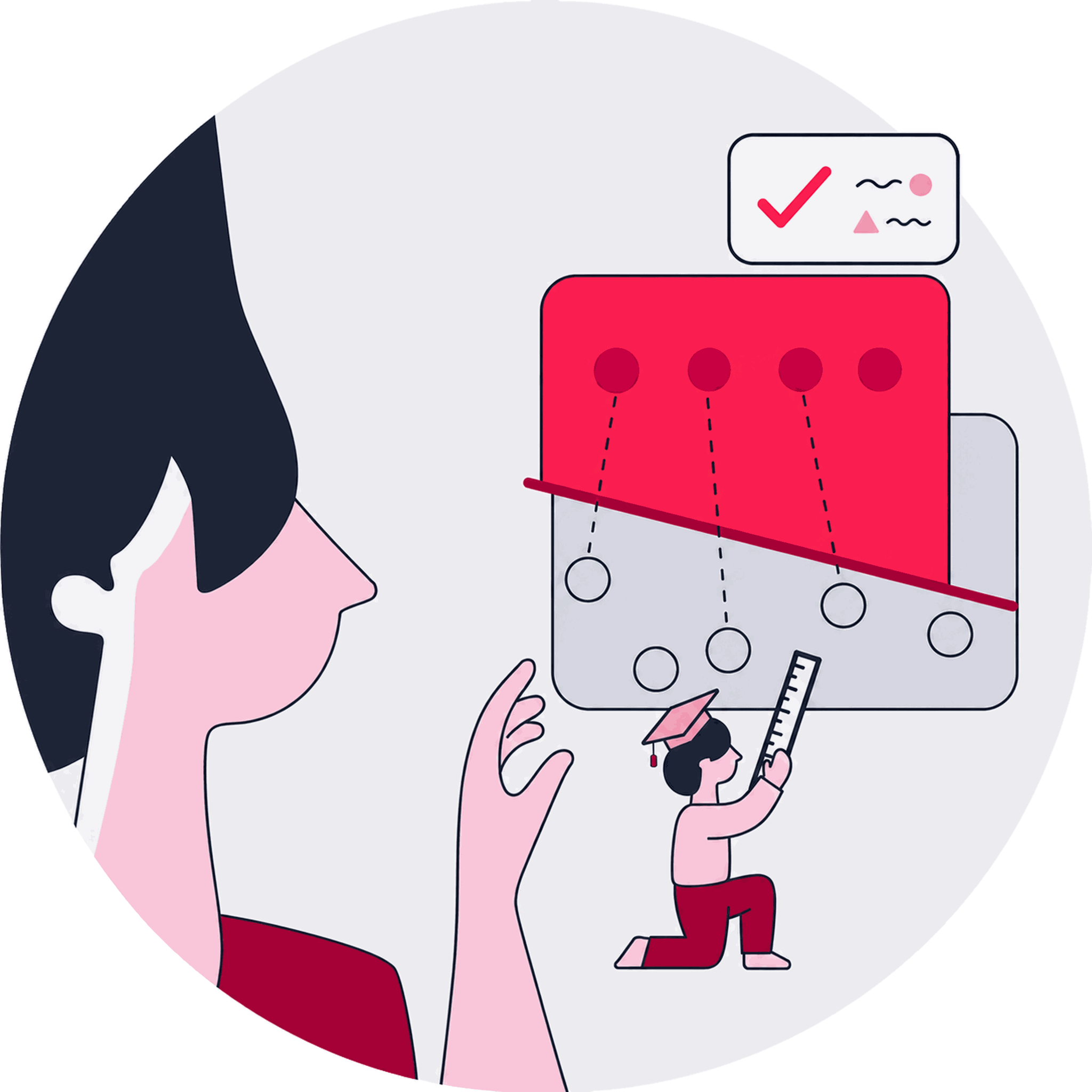
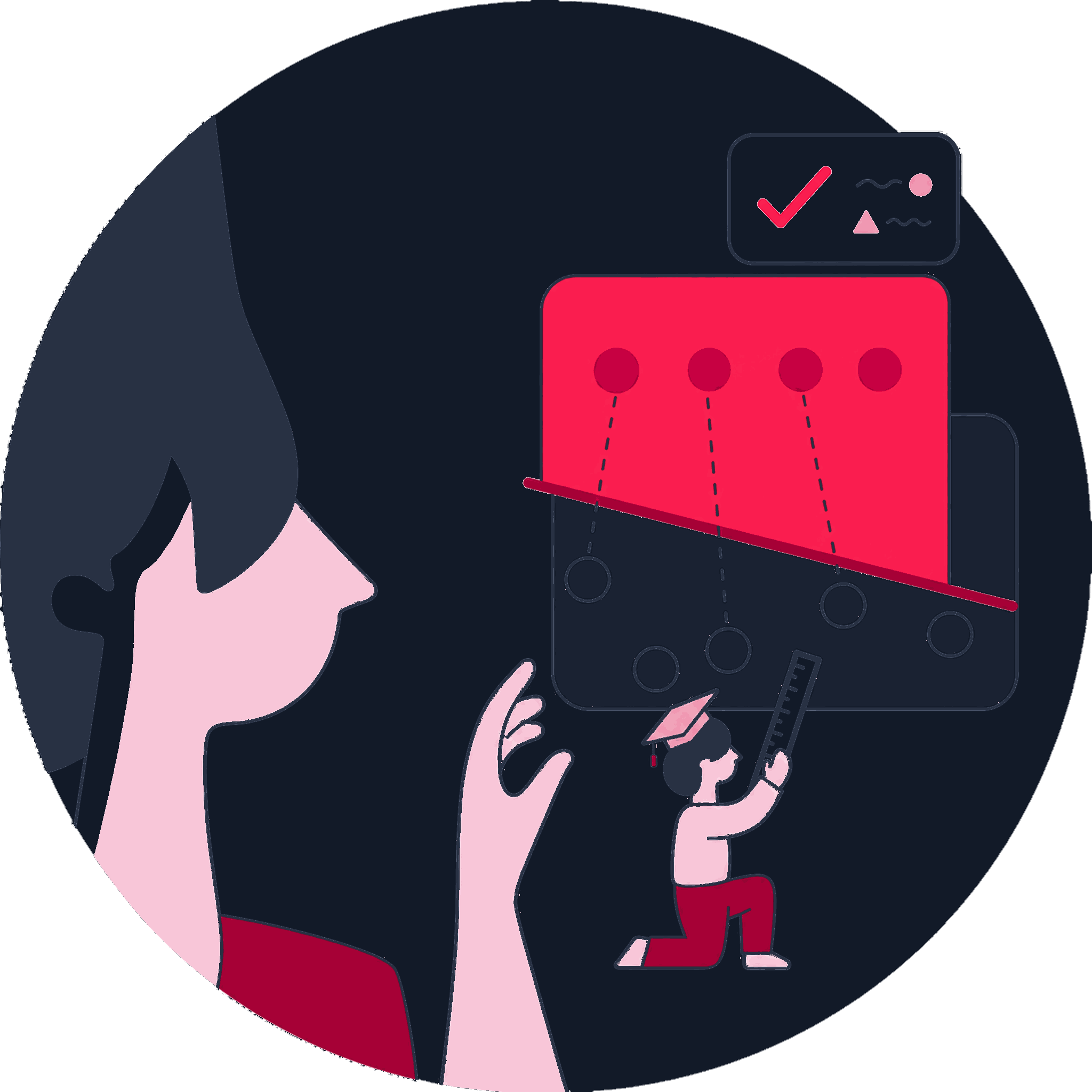 Computational Learning Theory
A branch of artificial intelligence that studies and analyzes the algorithms behind machine learning.
1 term
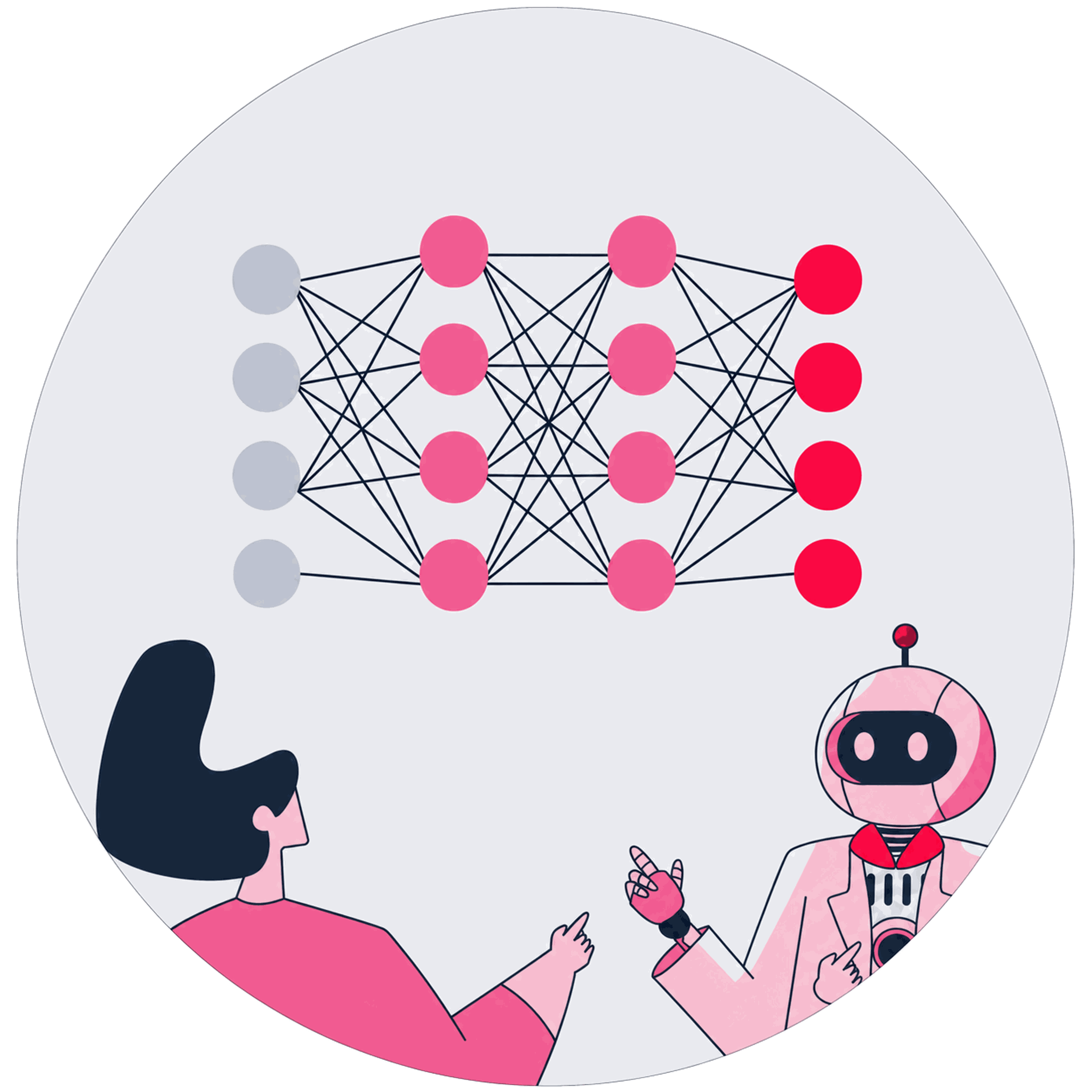
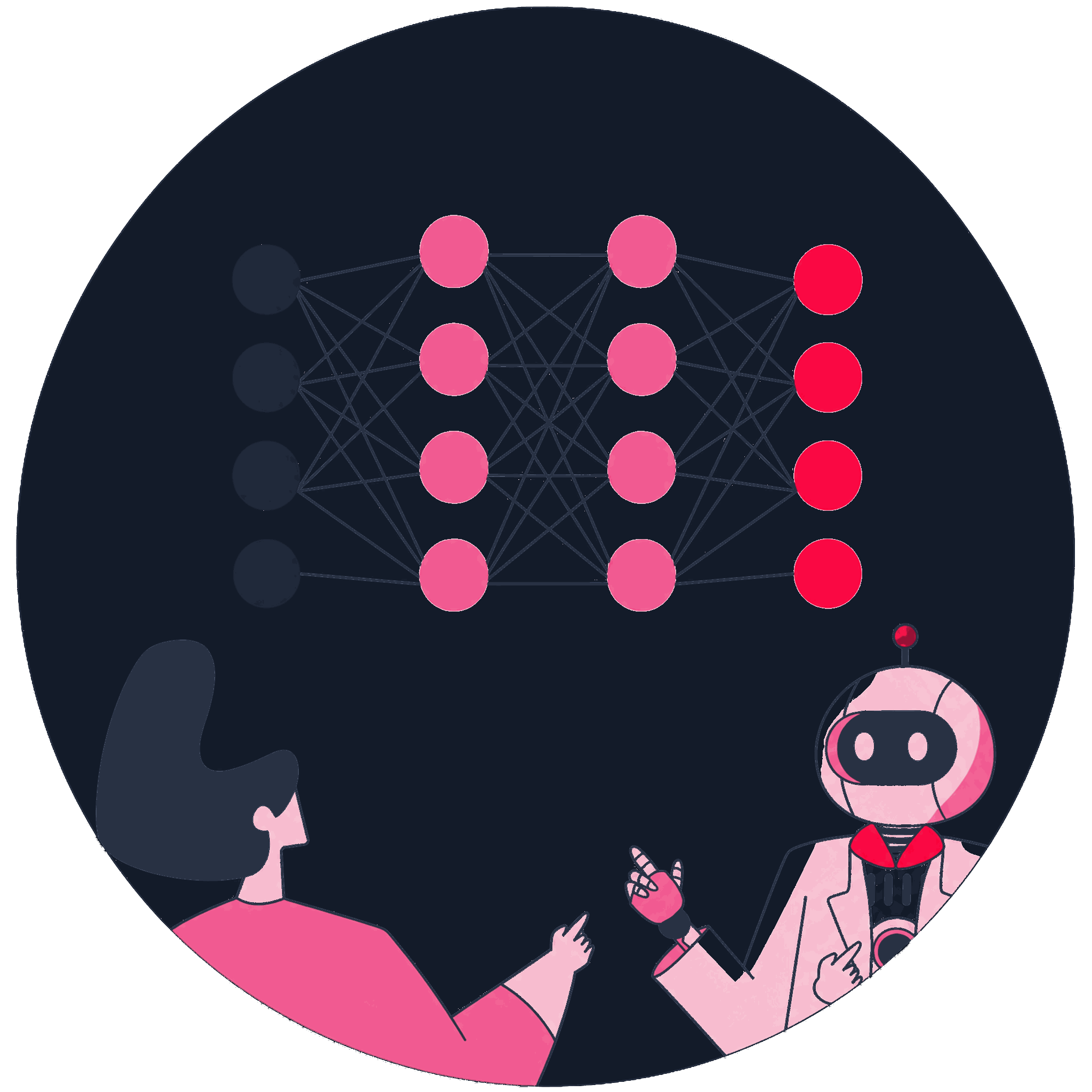 Deep Learning
A subset of machine learning involving neural networks with many layers to analyze data.
2 terms
 Entities
Specific, identifiable elements in text, such as names, places, dates, often extracted by AI.
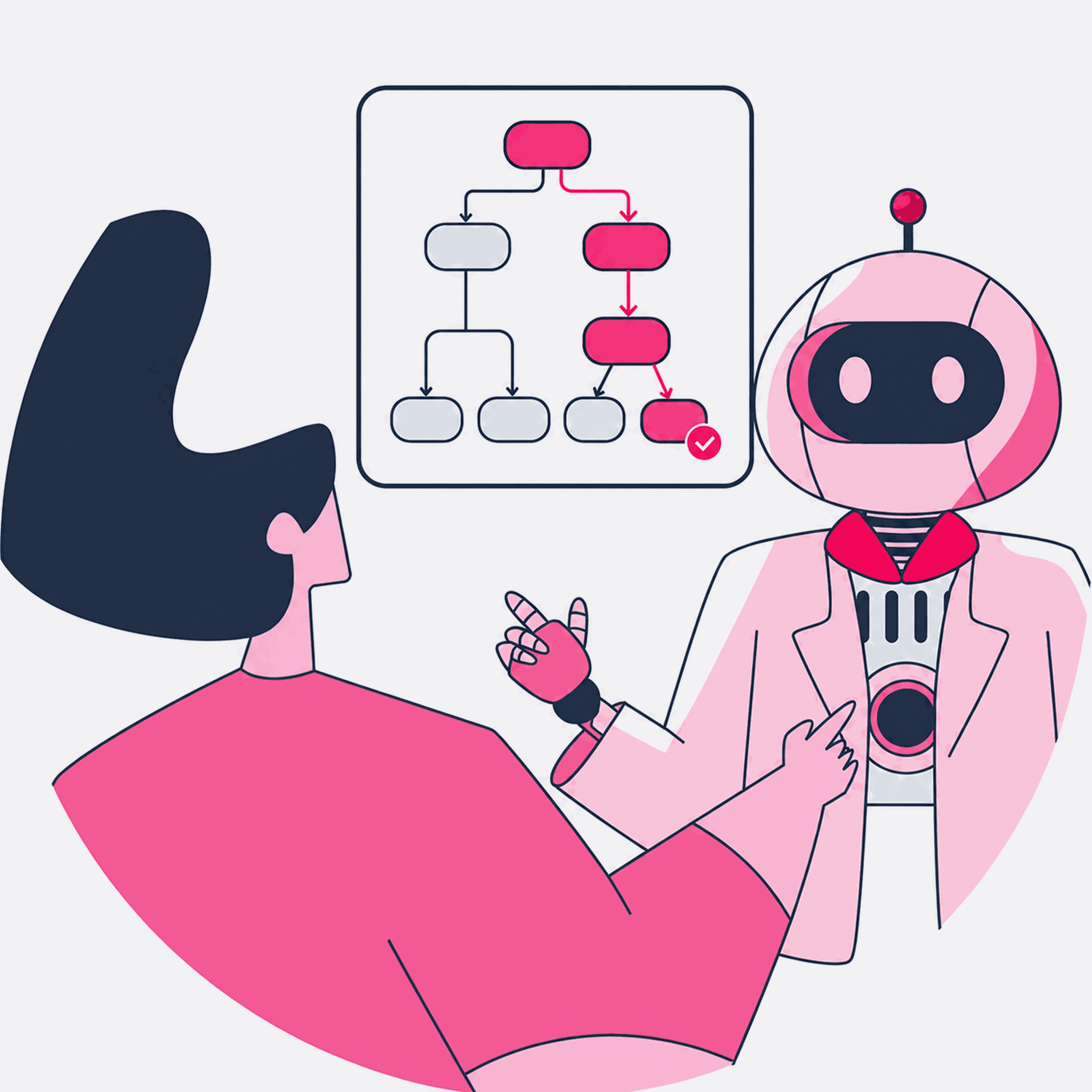
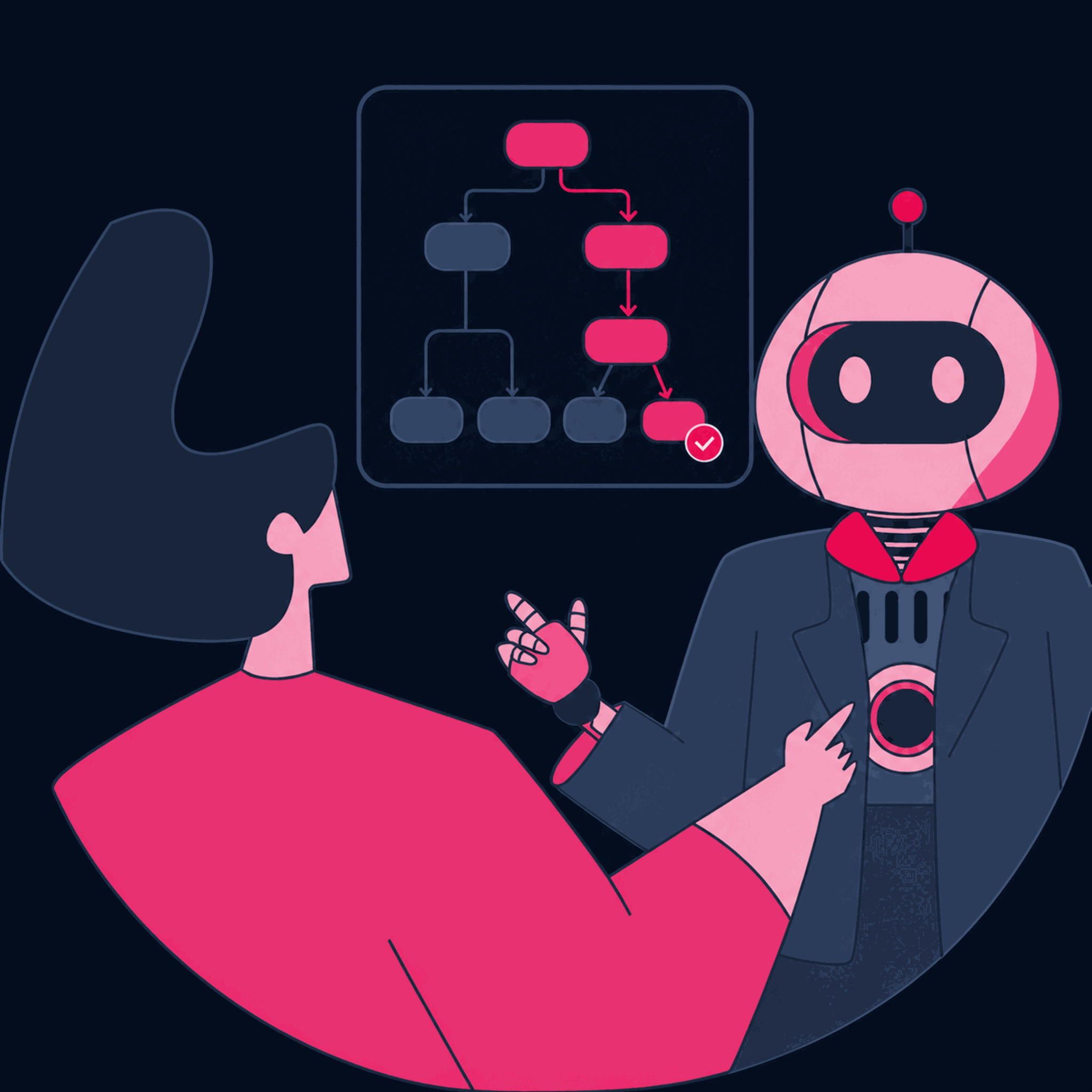 Explainable AI (XAI)
AI systems designed to provide insights into their decision-making processes for transparency.
2 terms
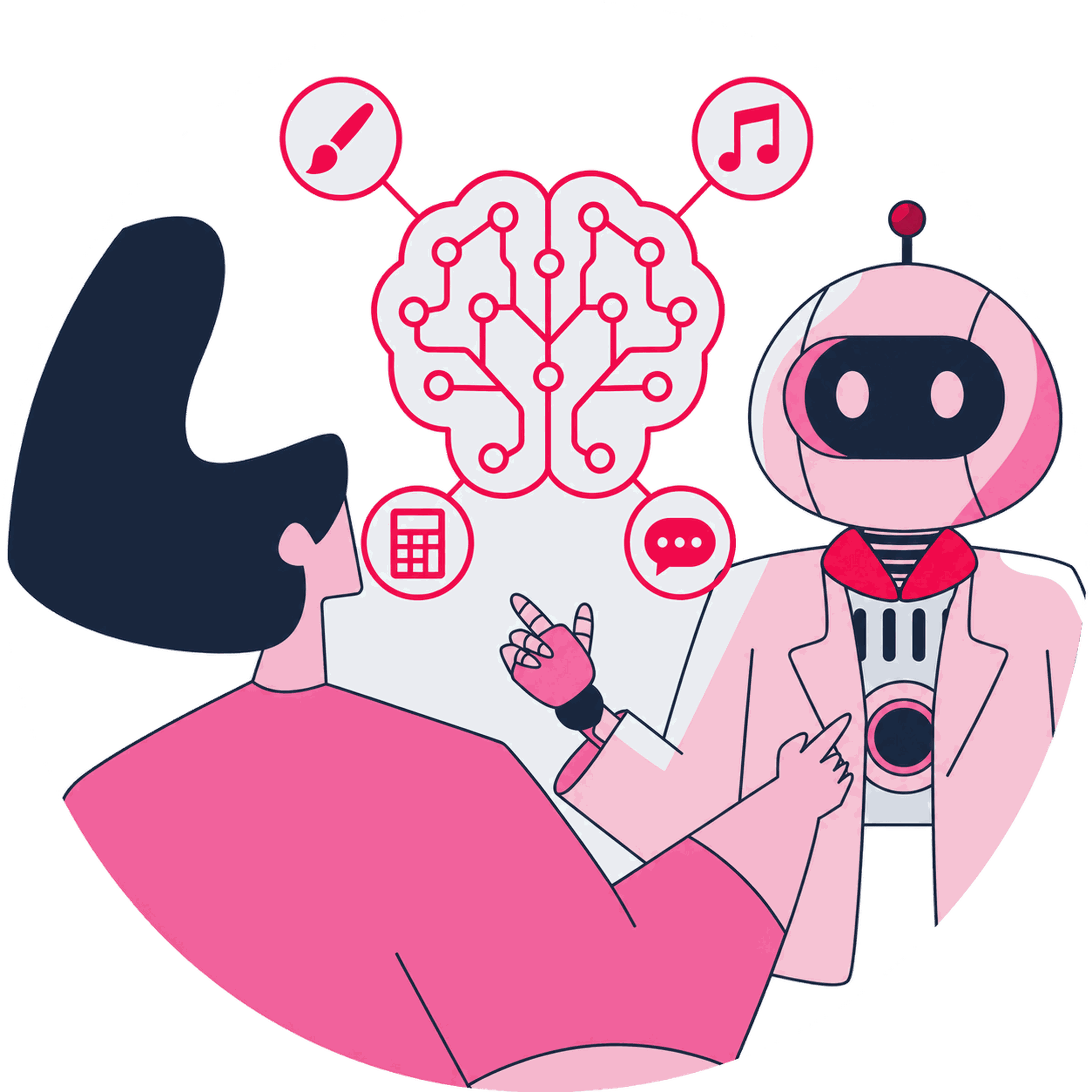
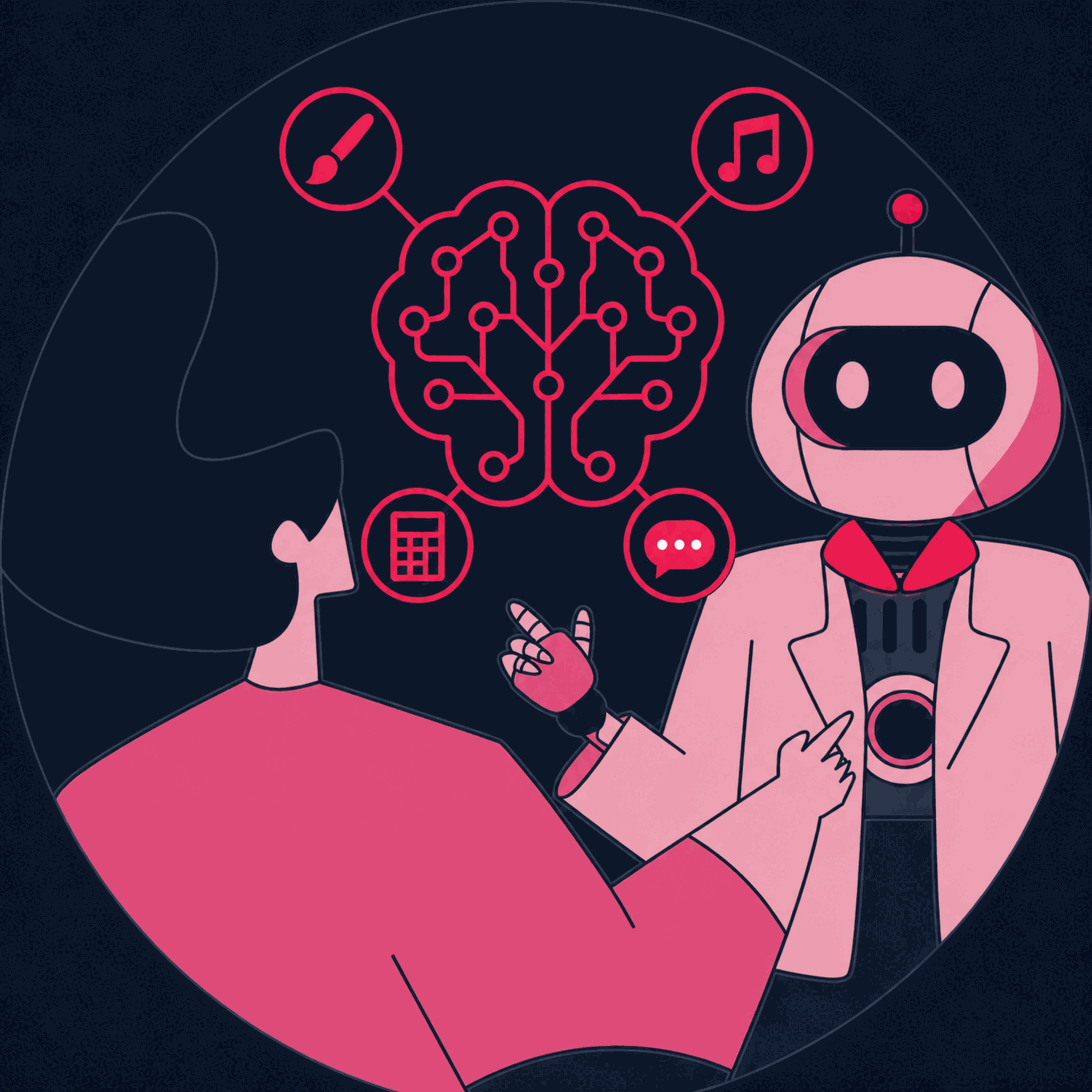 General AI
Artificial intelligence that exhibits cognitive functions across a wide range of tasks and domains.
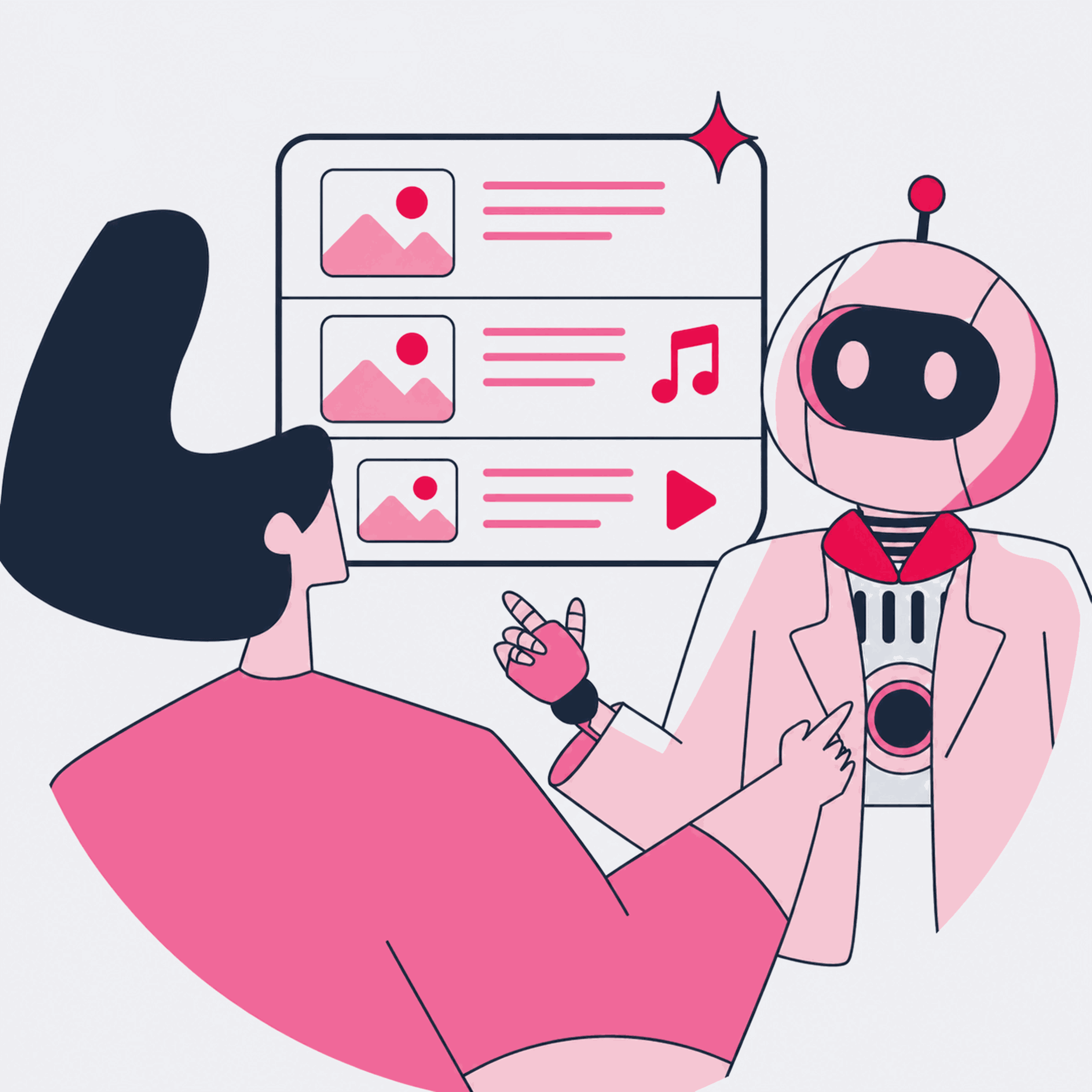
 Generative AI
AI systems capable of generating new, original content or data that mimics real-world examples.
1 term
 Hyperparameter
A parameter set before learning begins that influences how the training process works.
1 term
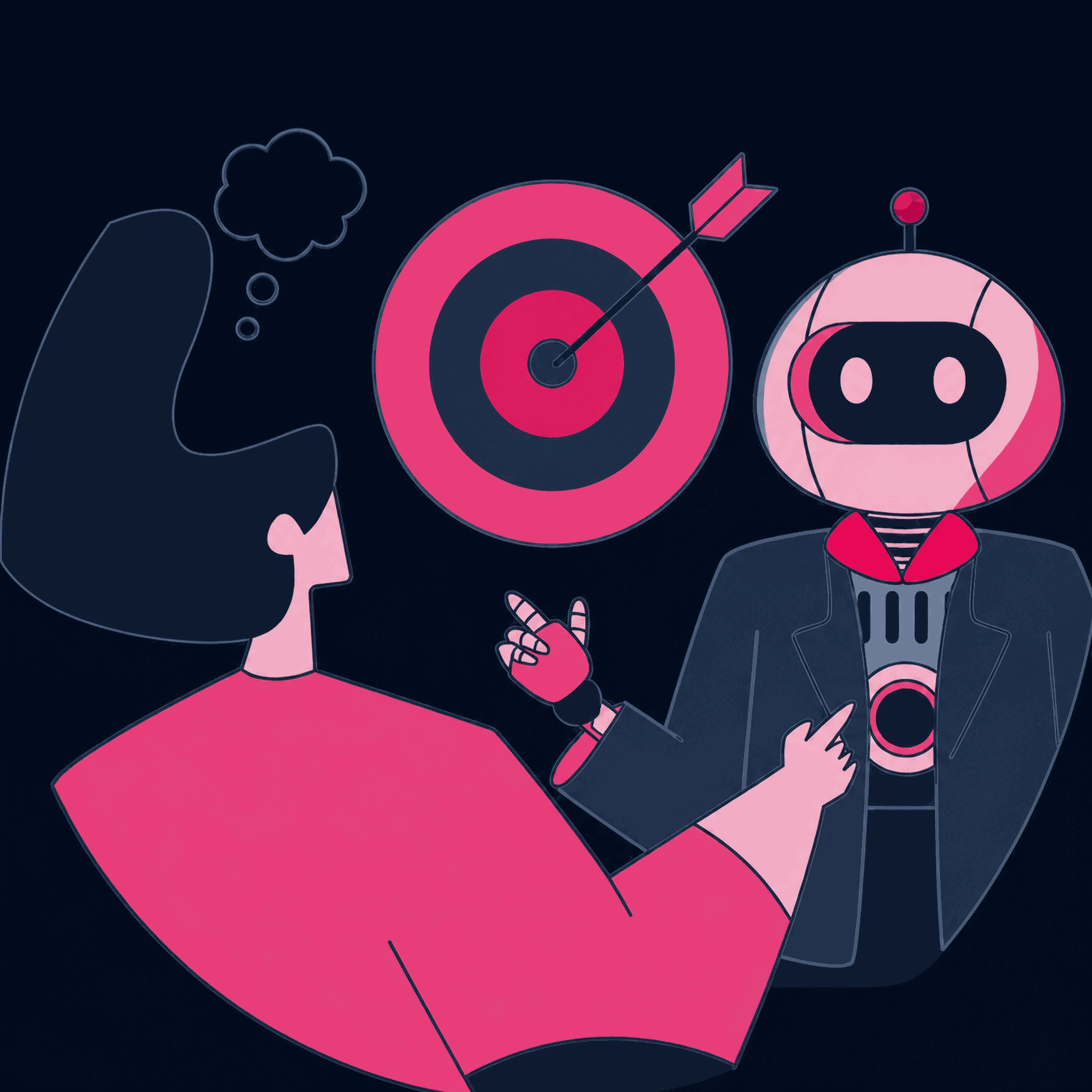 Intent
The underlying purpose or goal a user wants to achieve with a query or statement.
1 term
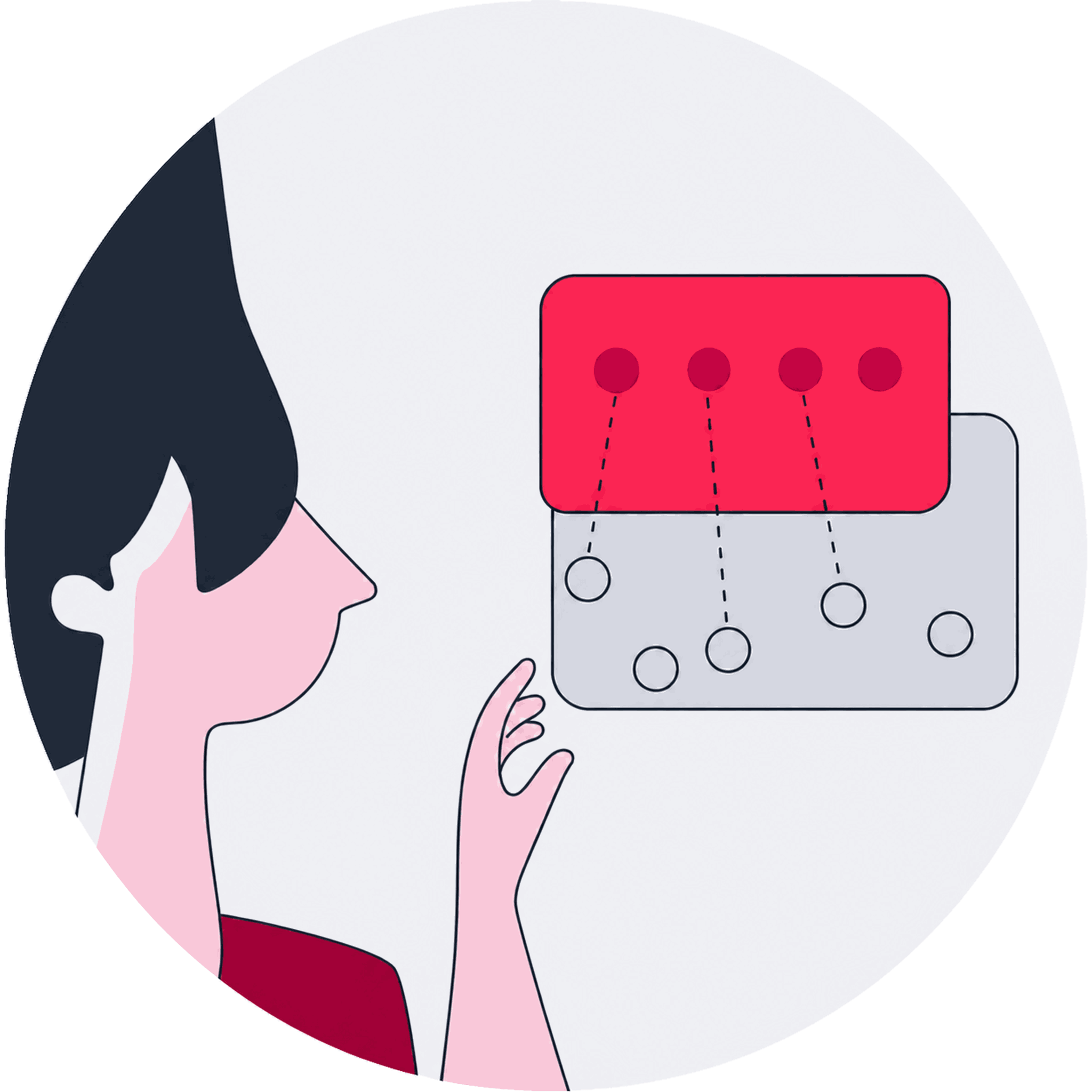
 Latent Variables
Hidden or unobservable variables that machine learning models infer from observable data.
3 terms
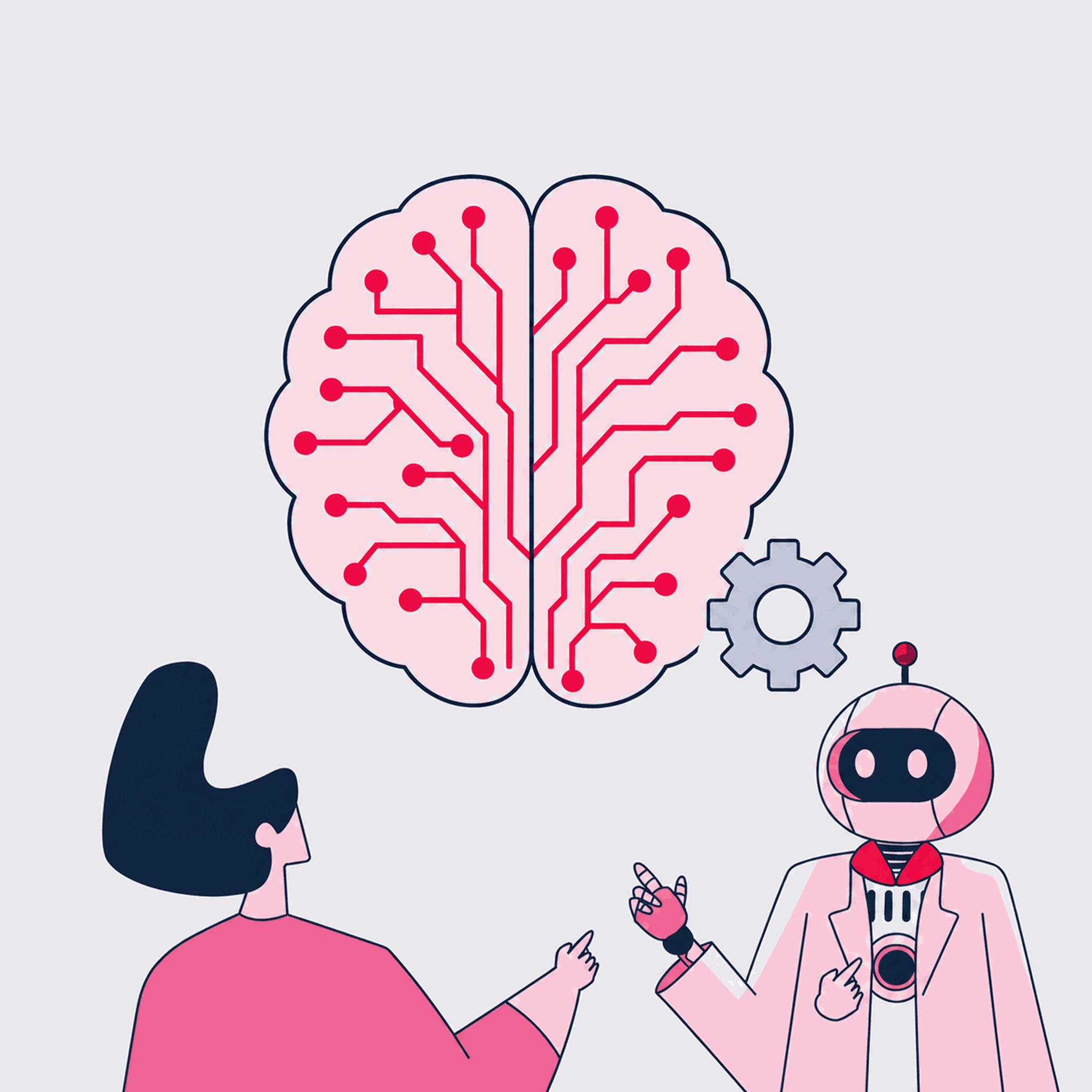
 Machine Intelligence
A broad term for the ability of machines to learn from data and perform tasks.
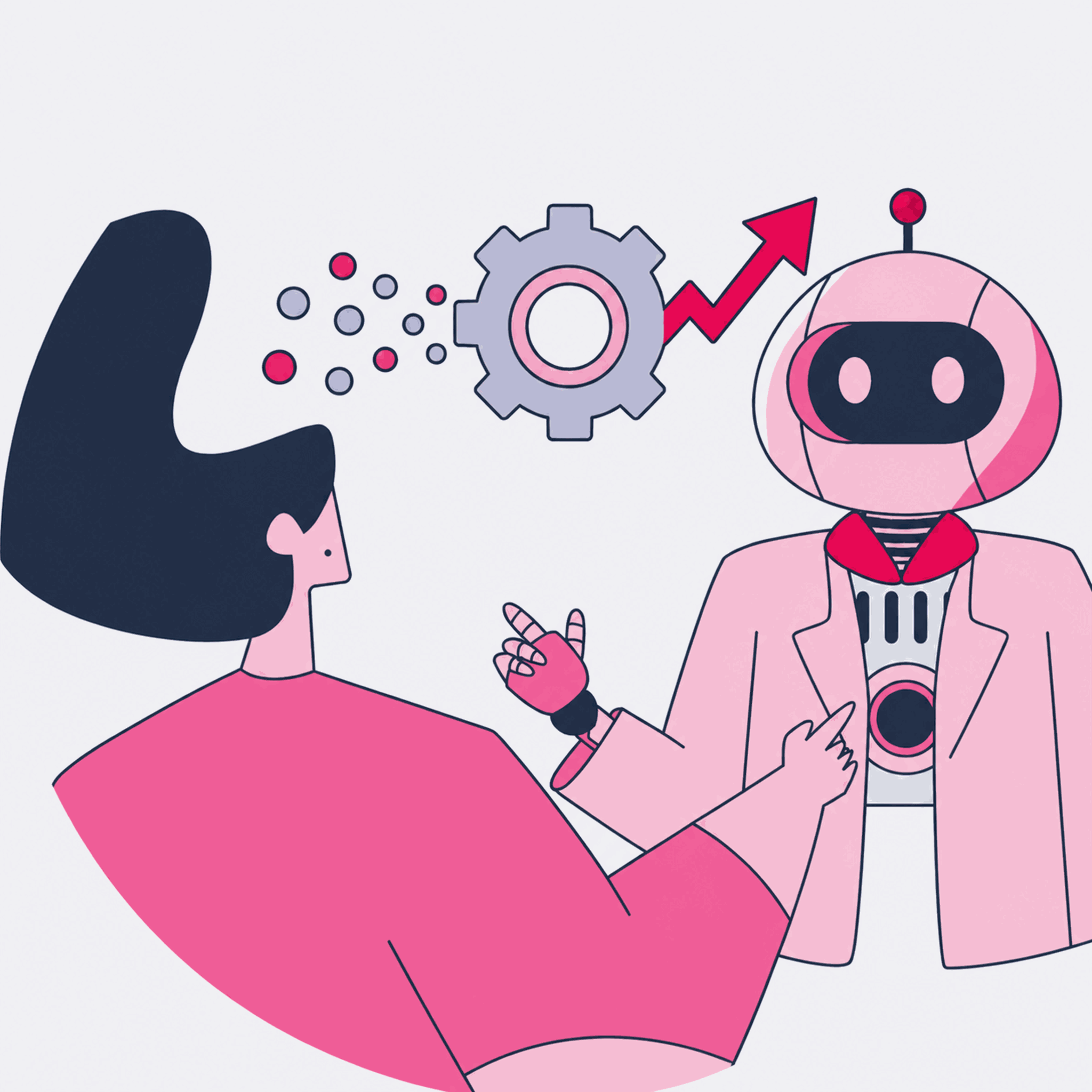
 Machine Learning
The science of getting computers to learn and act without being explicitly programmed.
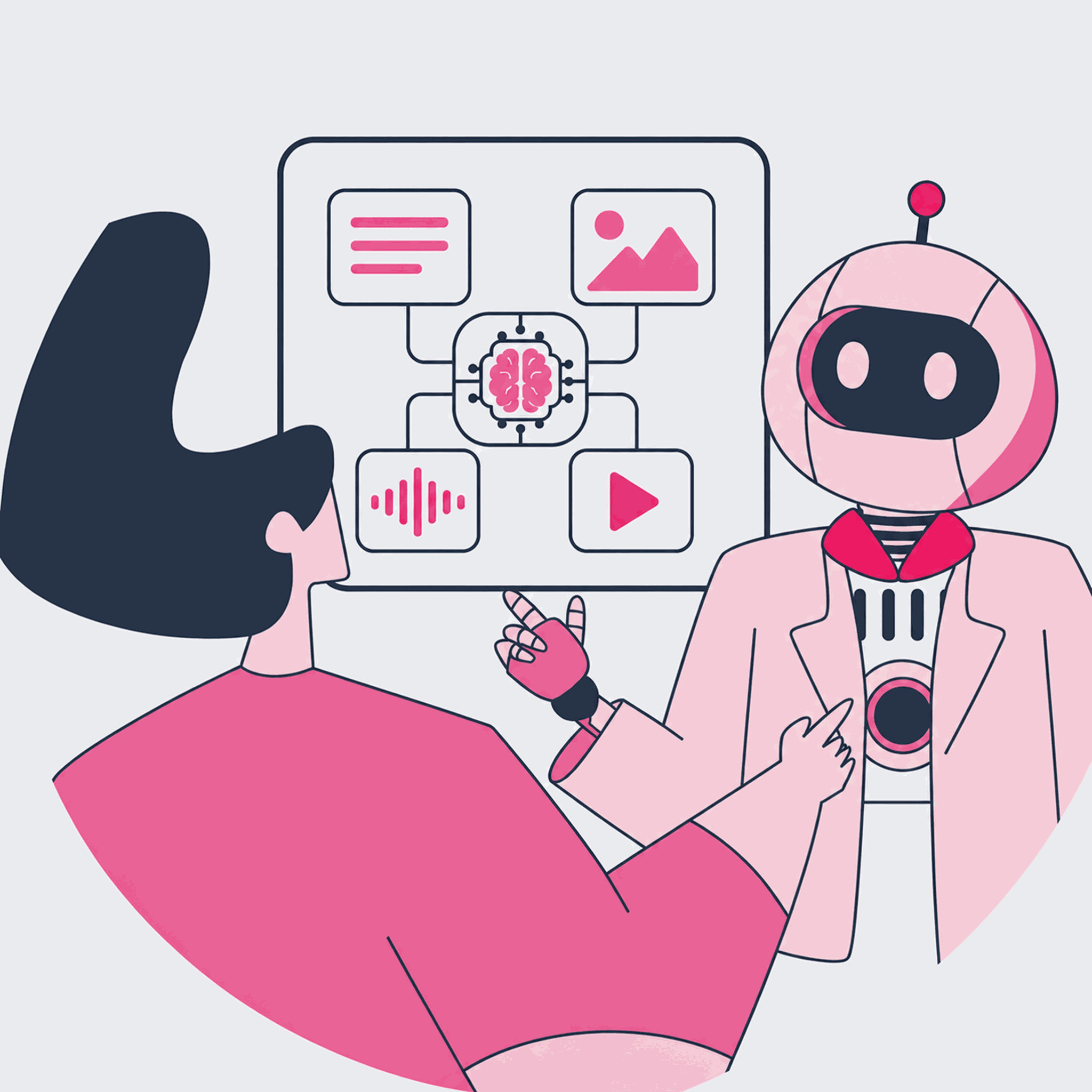
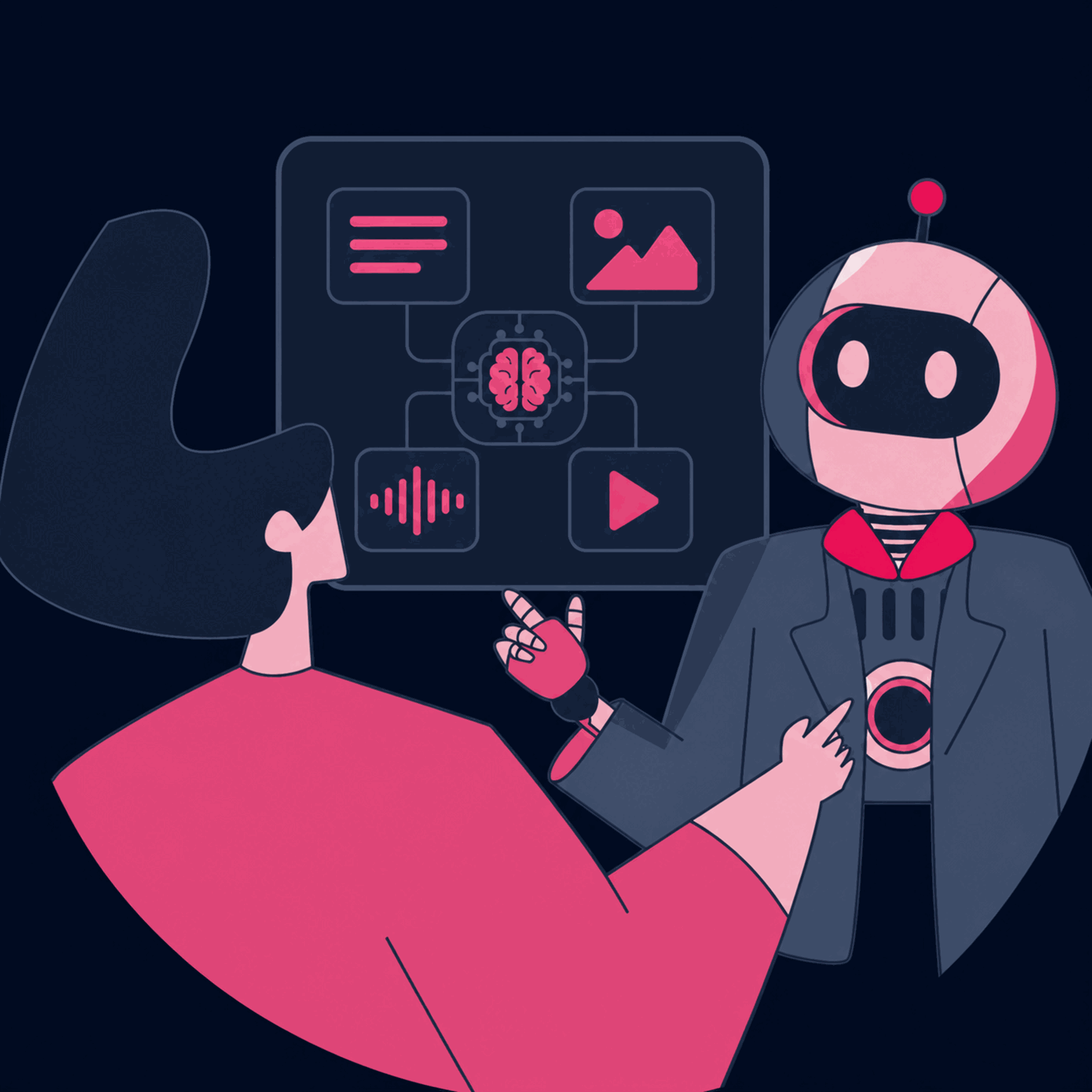 Multi-modal AI
AI systems that can process and interpret multiple types of data, such as text, images, and sound.
3 terms
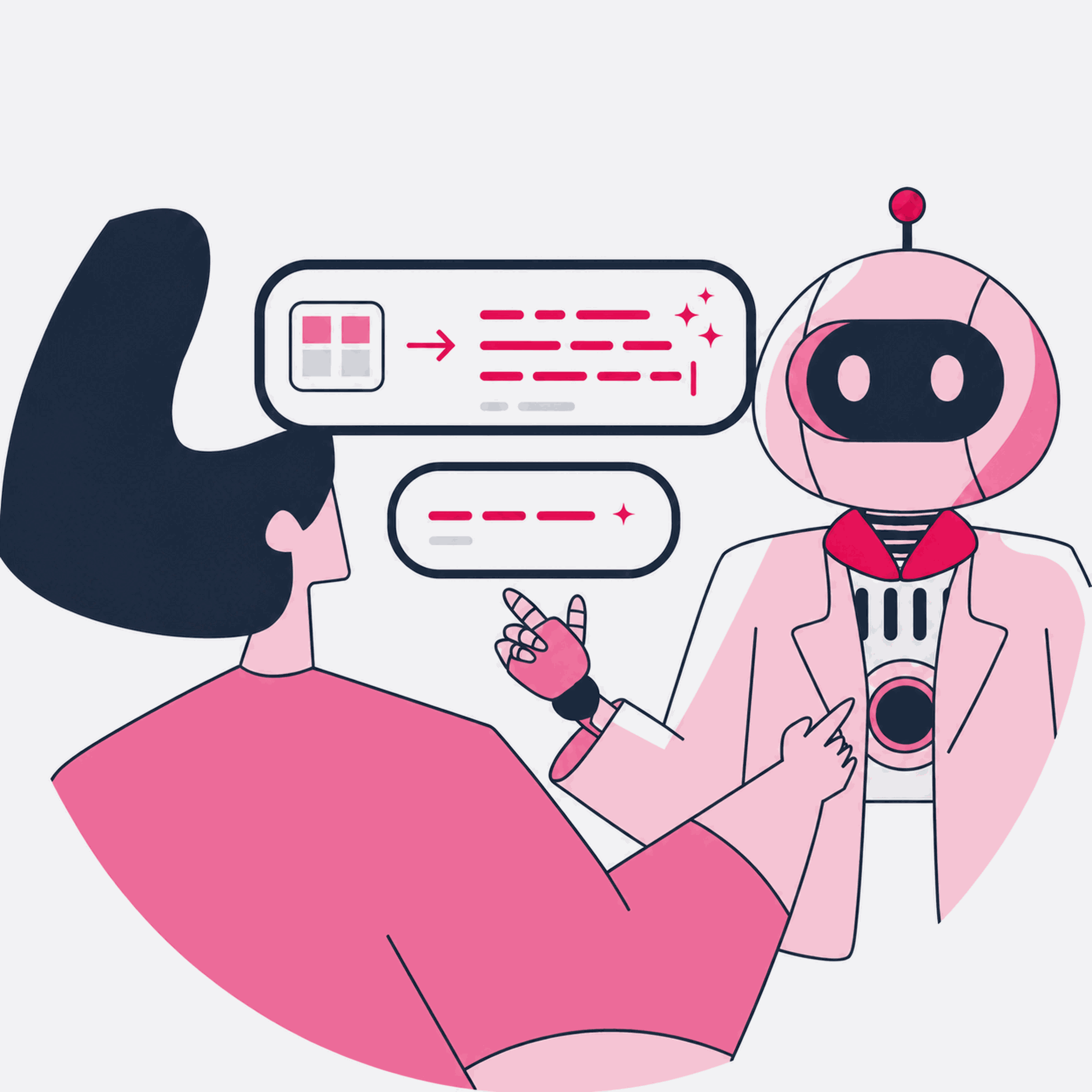
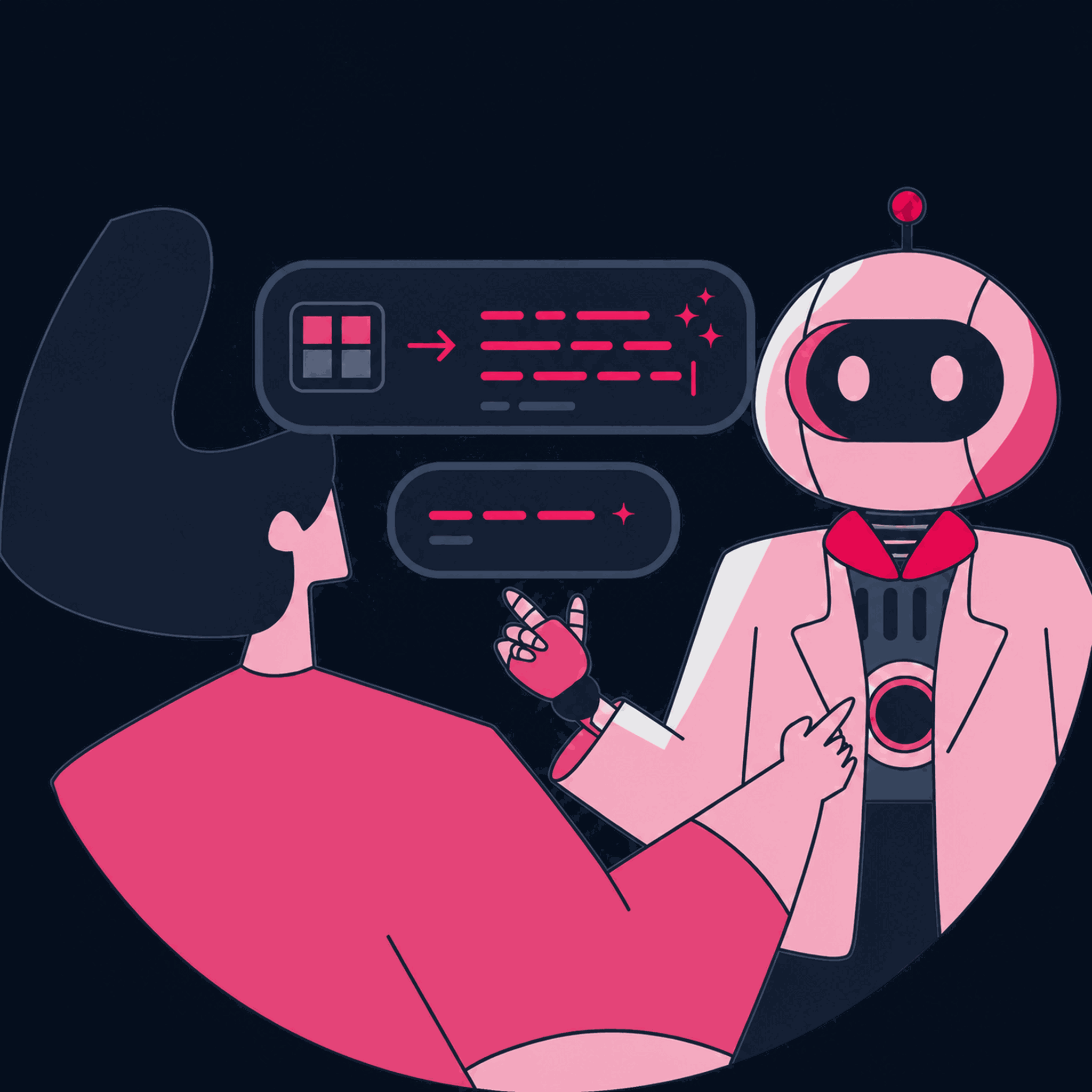 Natural Language Generation (NLG)
The use of AI to generate coherent, contextually relevant text from structured data.
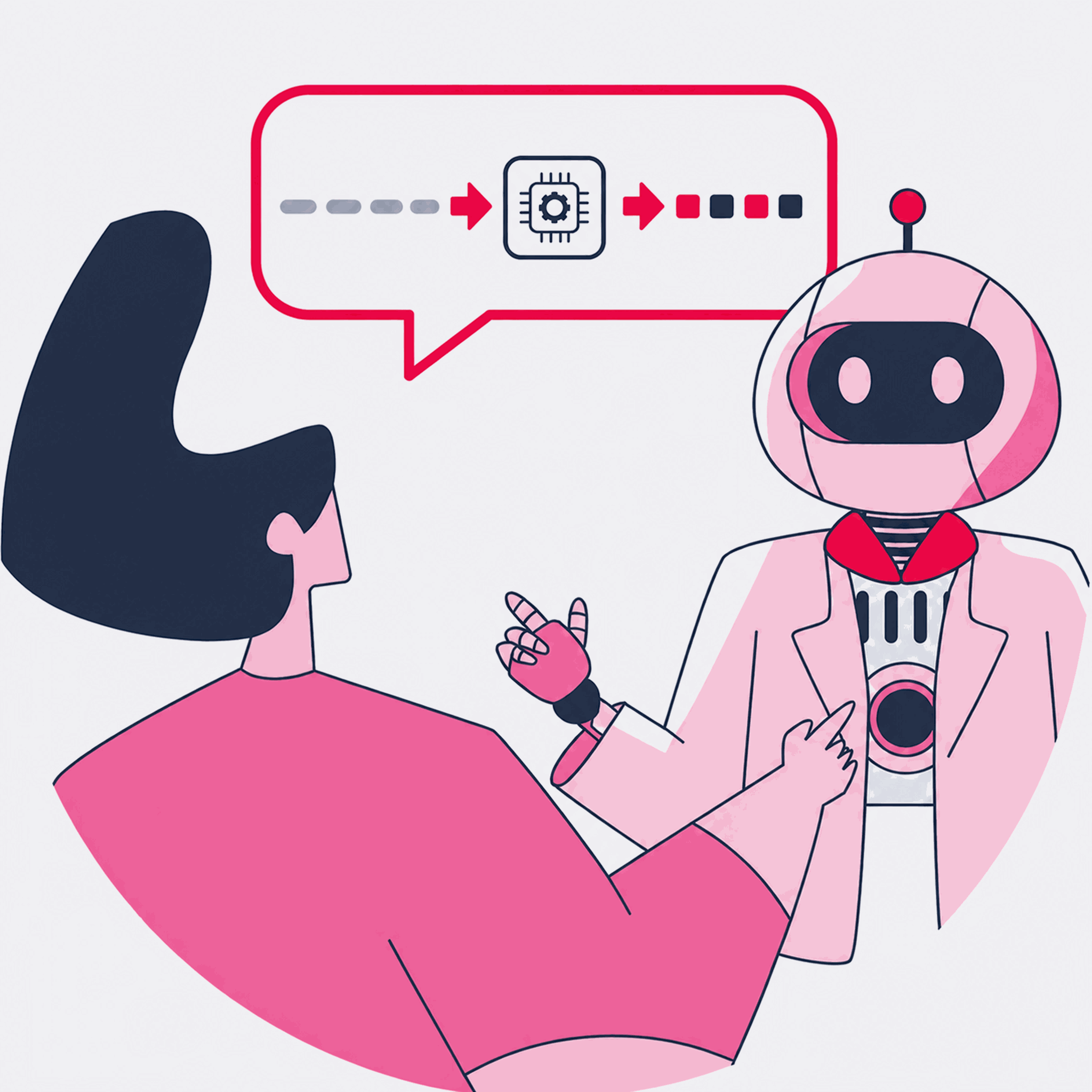
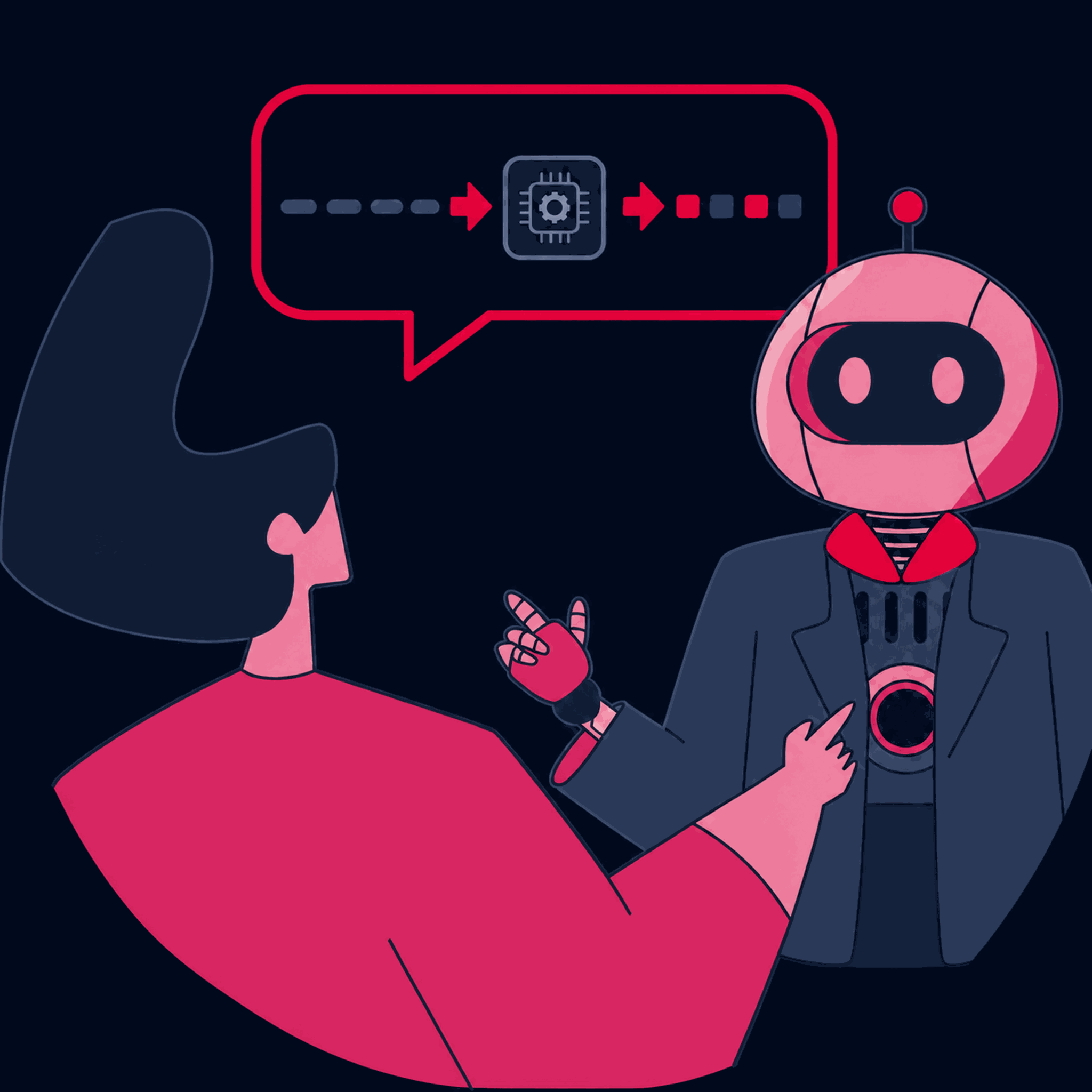 Natural Language Processing (NLP)
The field of AI focused on how computers interact with humans through natural language.
 Natural Language Understanding (NLU)
The ability of AI to understand and interpret spoken or written human language.
1 term
 Overfitting
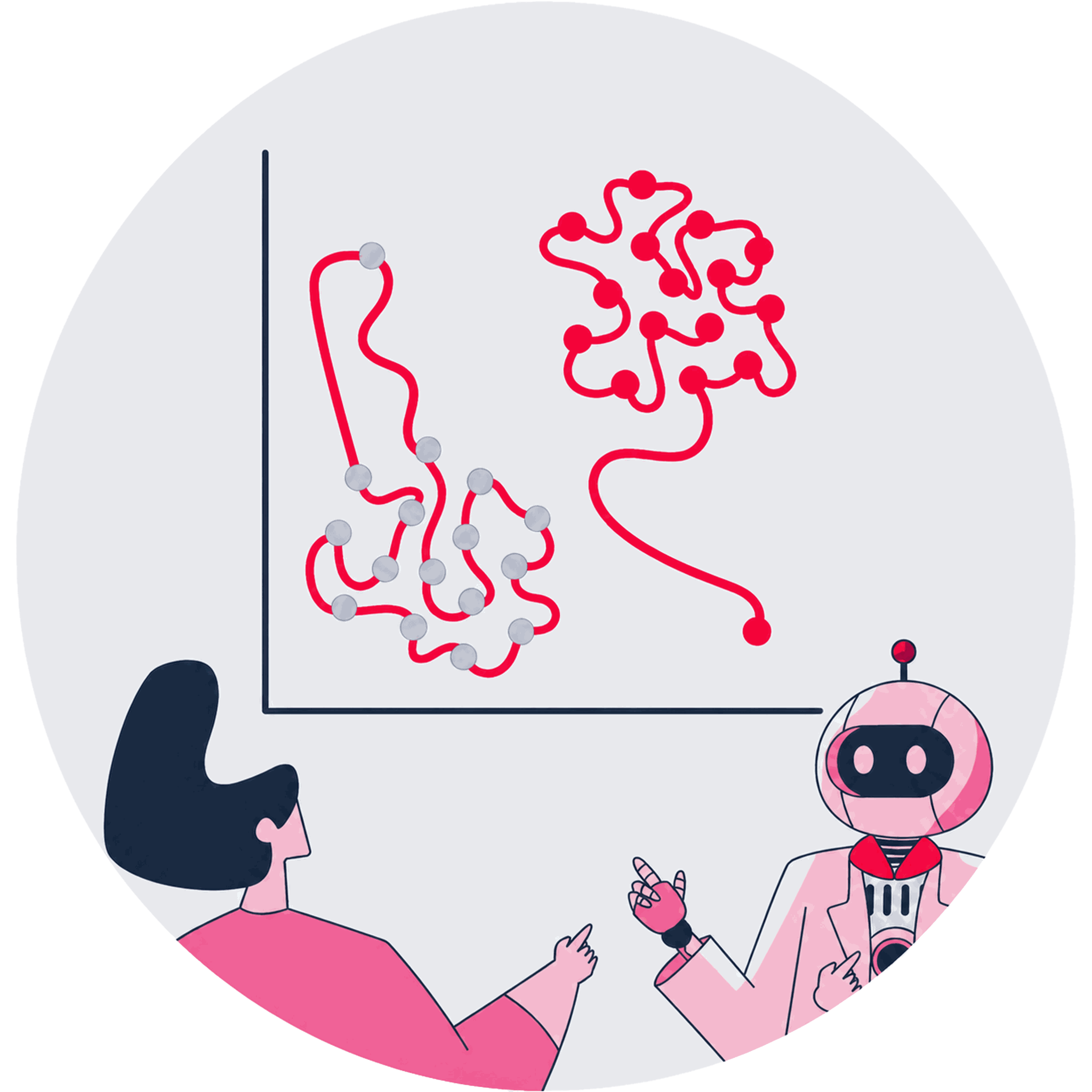
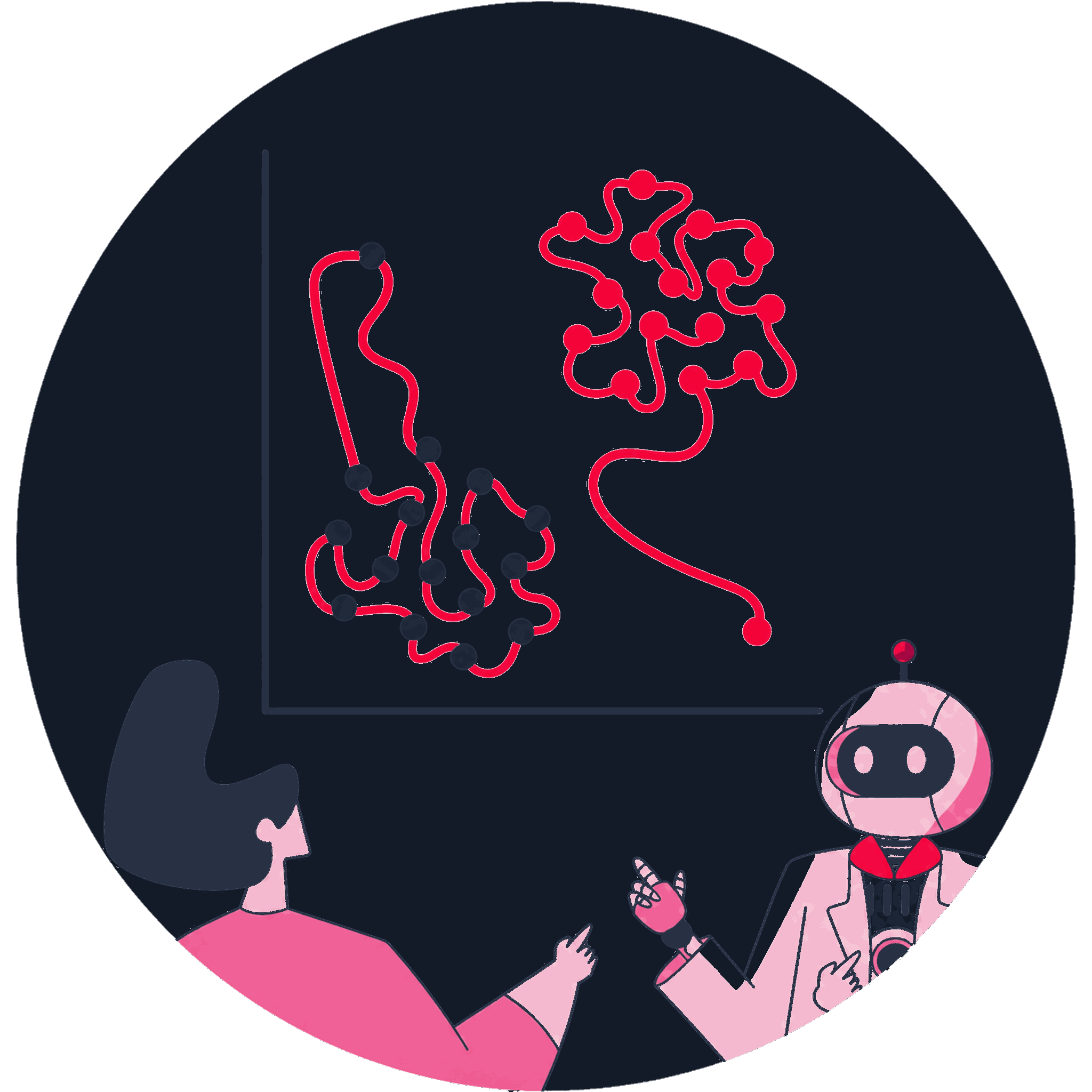
A machine learning error in which a model learns the details and noise in its training data too closely.
1 term
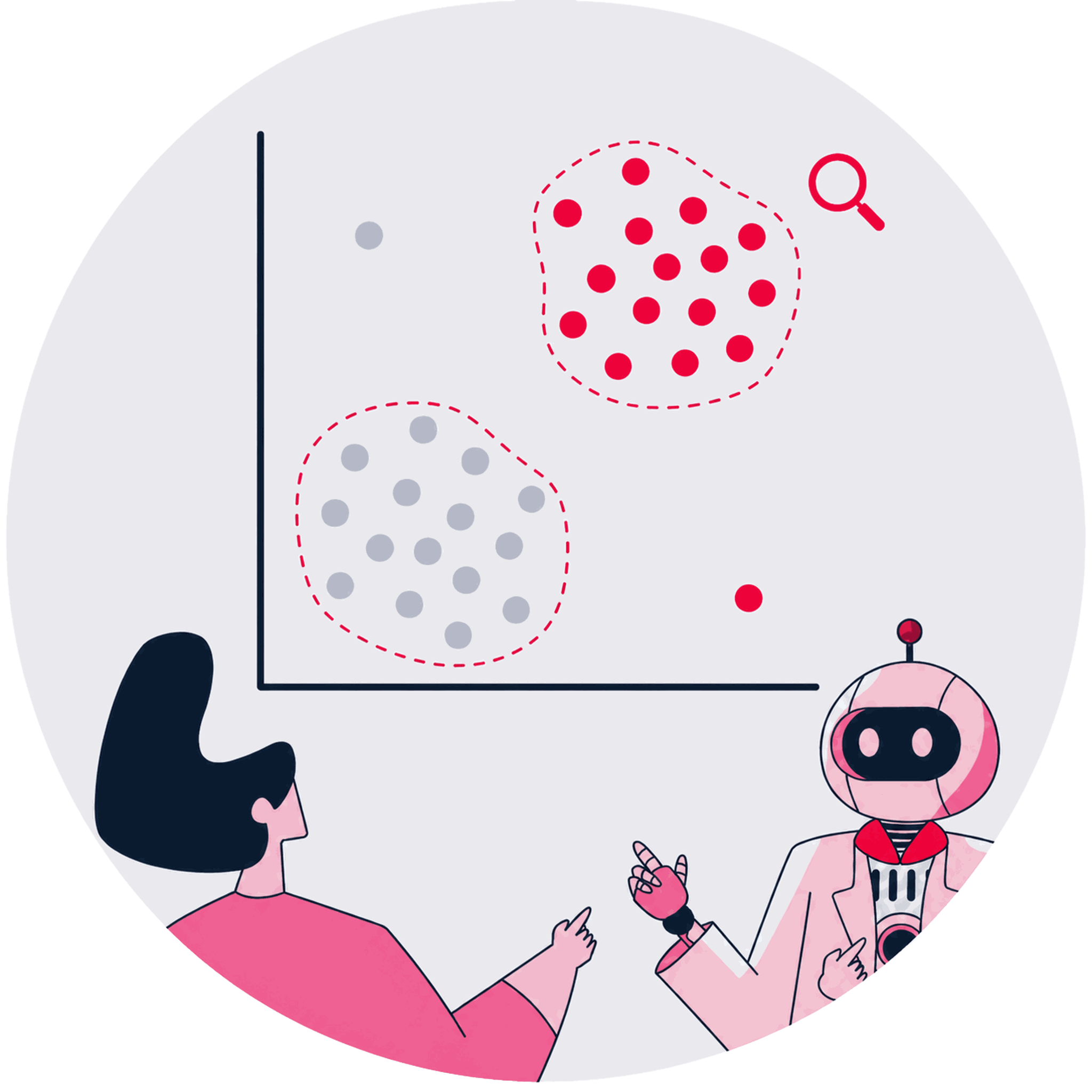
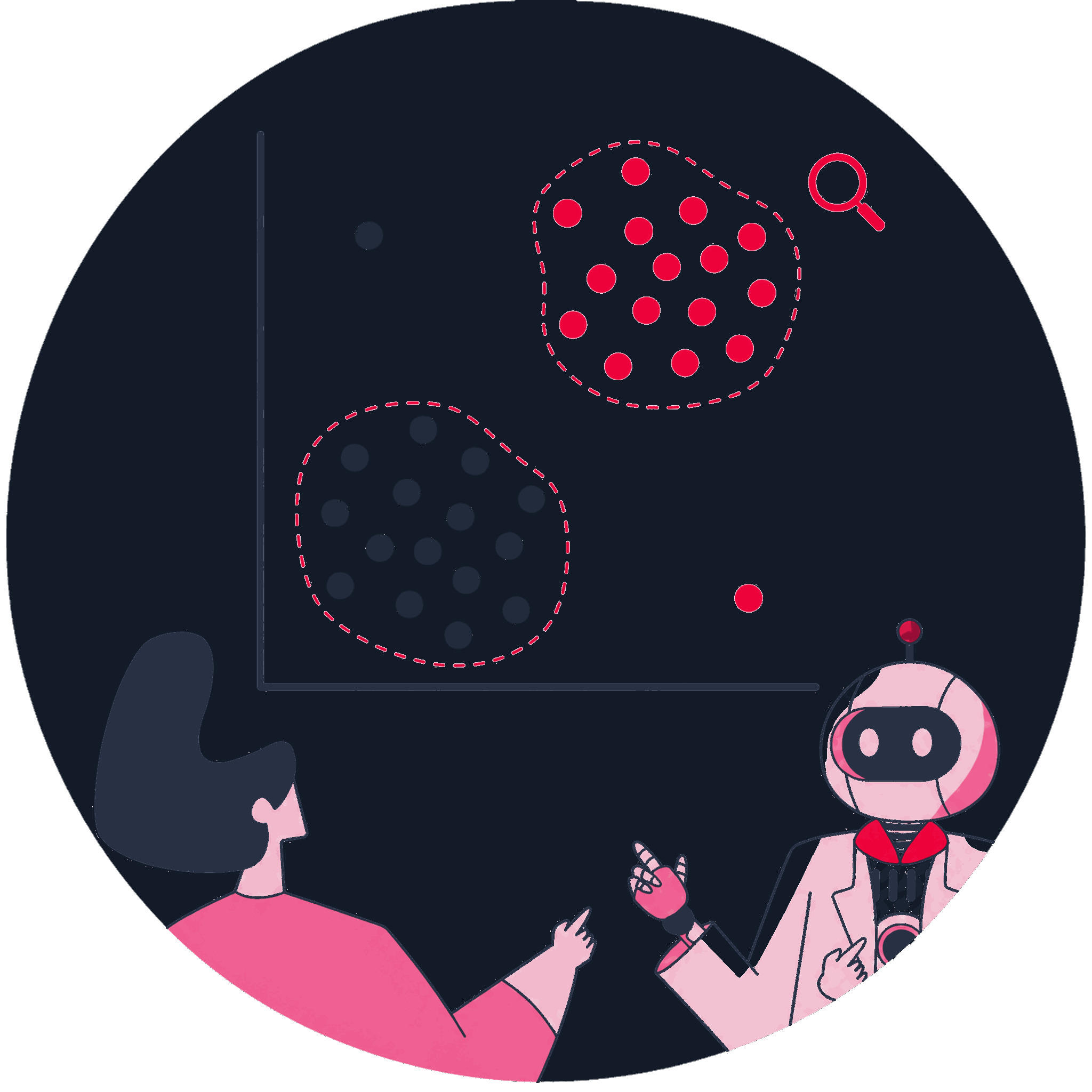 Pattern Recognition
The automated detection of patterns and regularities in data using machine learning algorithms.
1 term

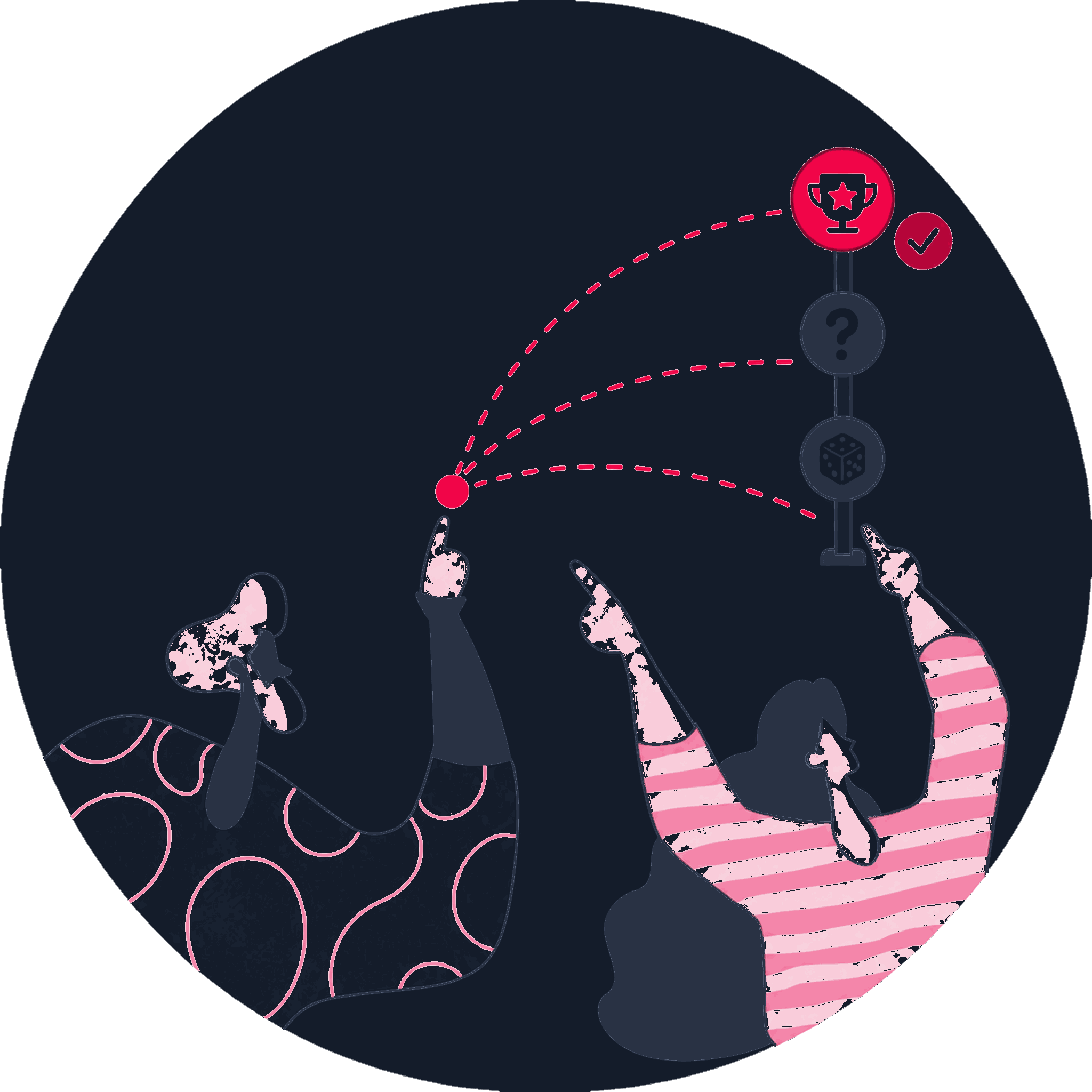 Reinforcement Learning
A type of machine learning in which an agent learns decisions by acting in an environment to earn rewards.
2 terms
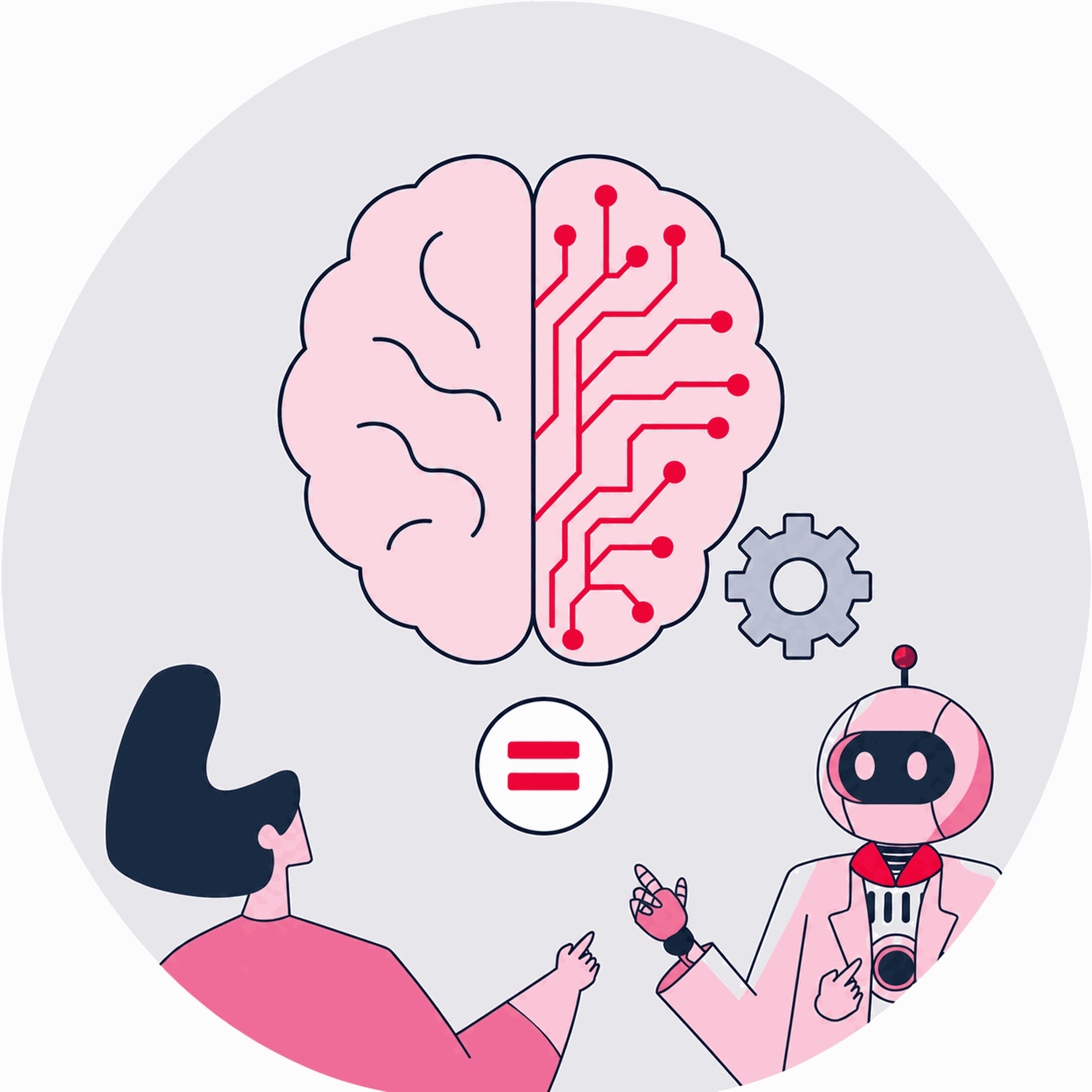
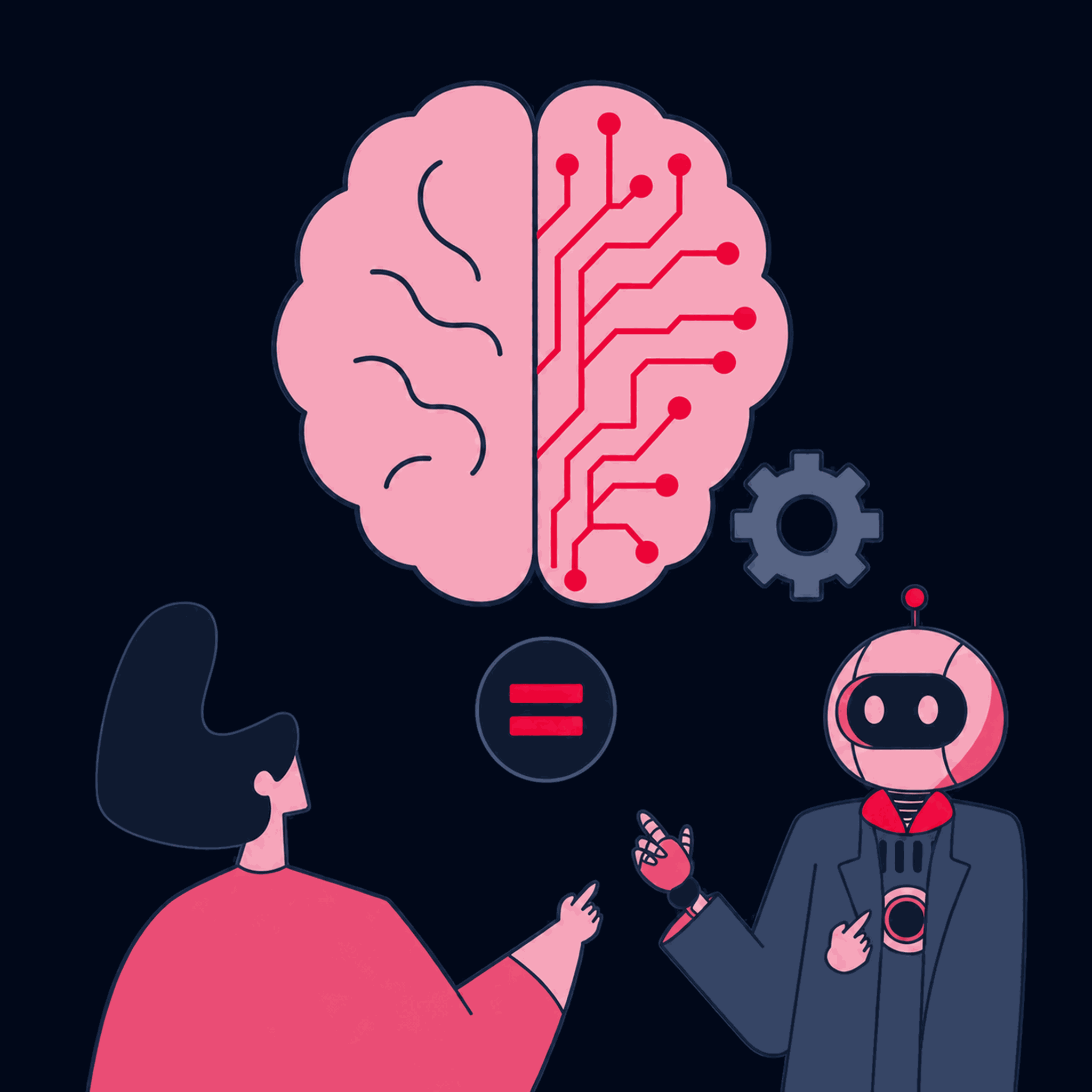 Strong AI
AI that can understand, learn, and apply knowledge in ways indistinguishable from human intelligence.
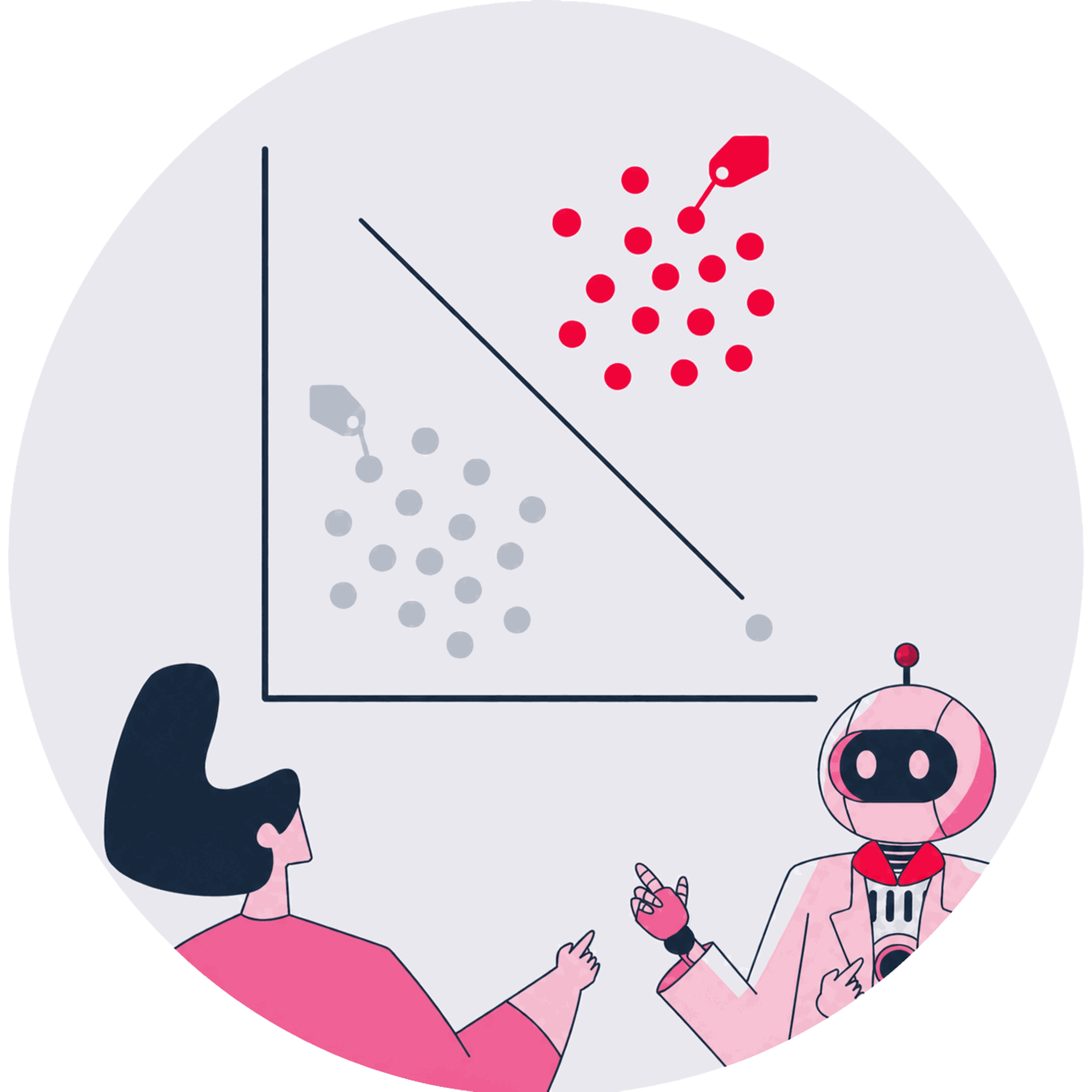
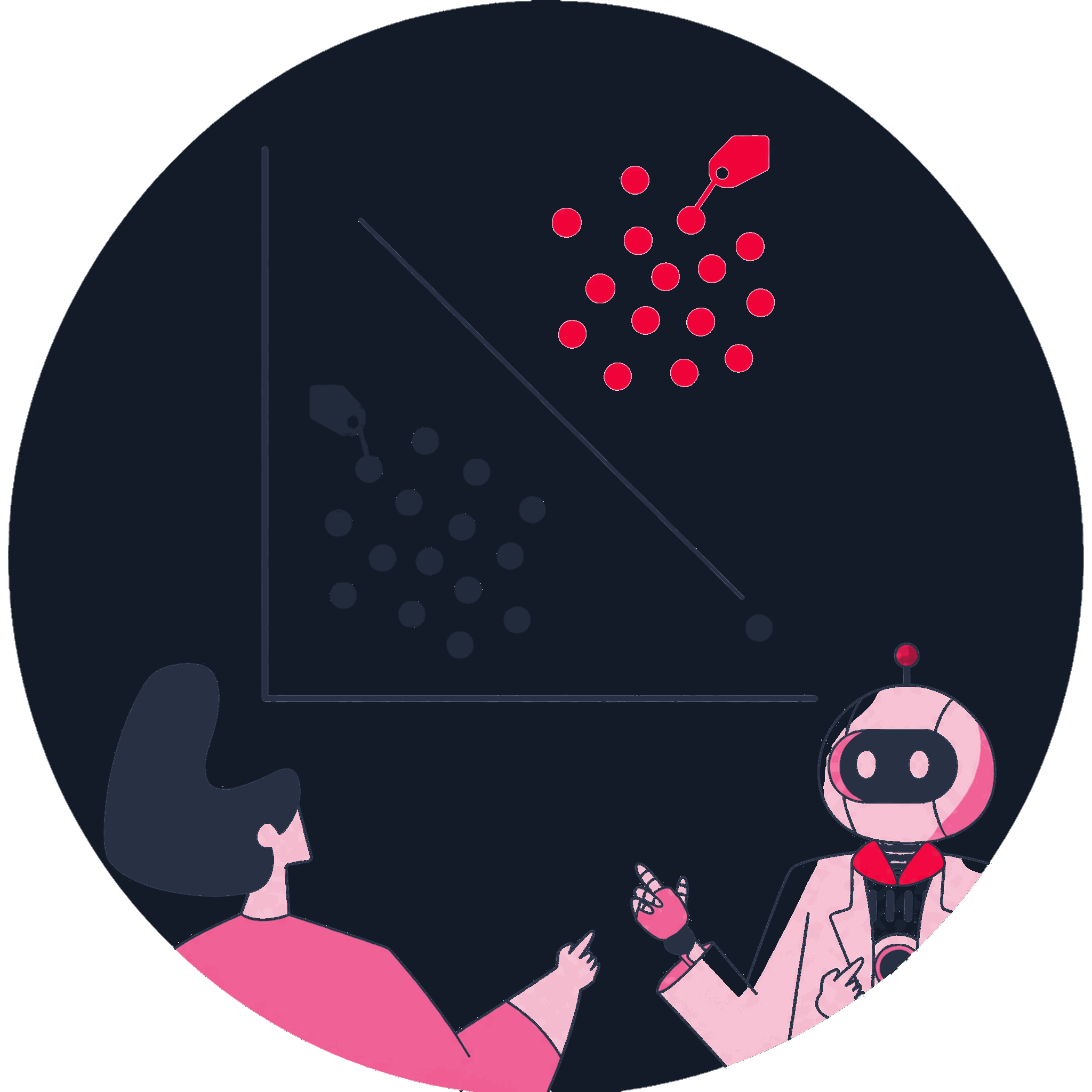 Supervised Learning
A machine learning approach that trains models on labeled examples so they can predict outcomes from new inputs.
2 terms
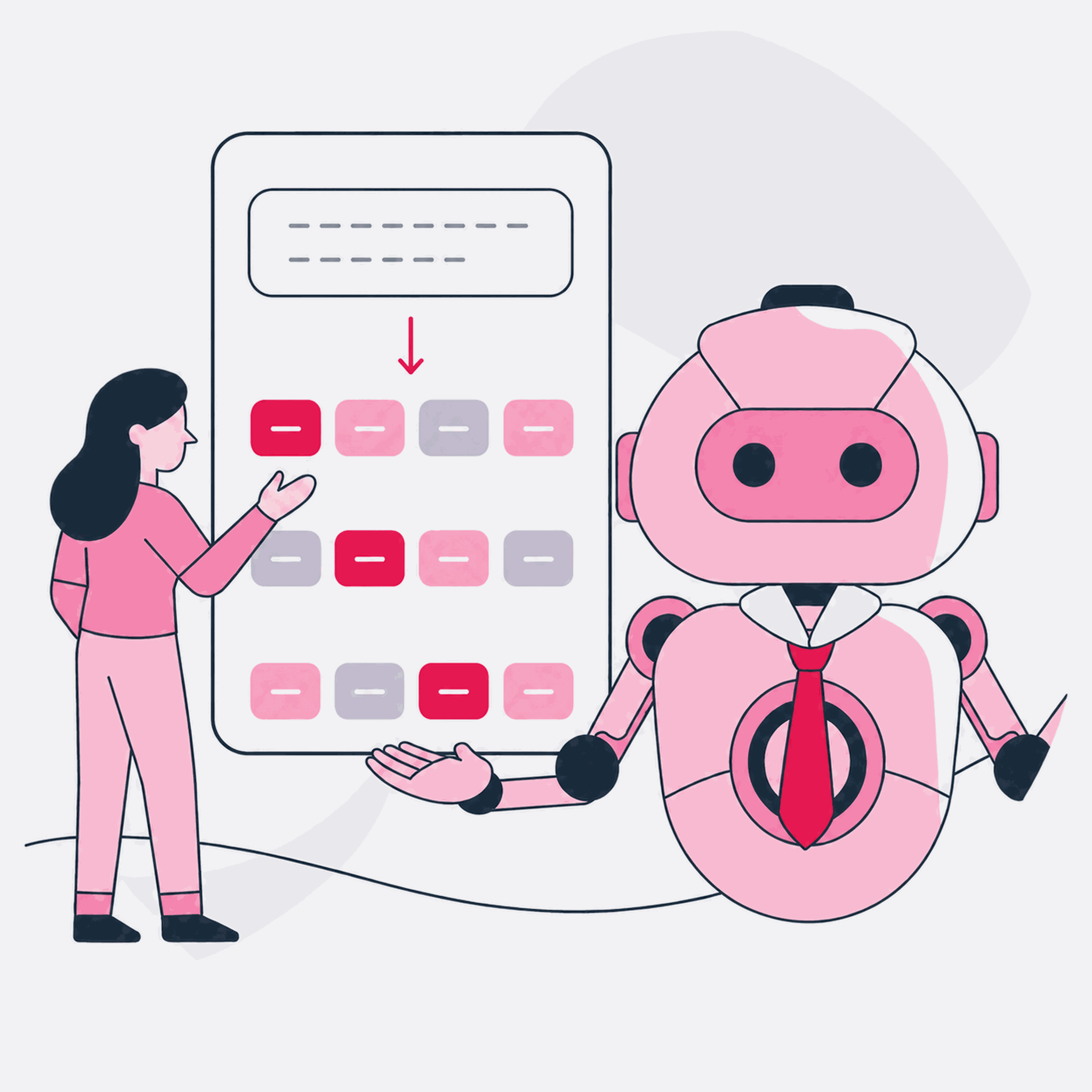
 Token
TokenThe smallest unit an NLP model processes, which may be a word, part of a word, or a character.
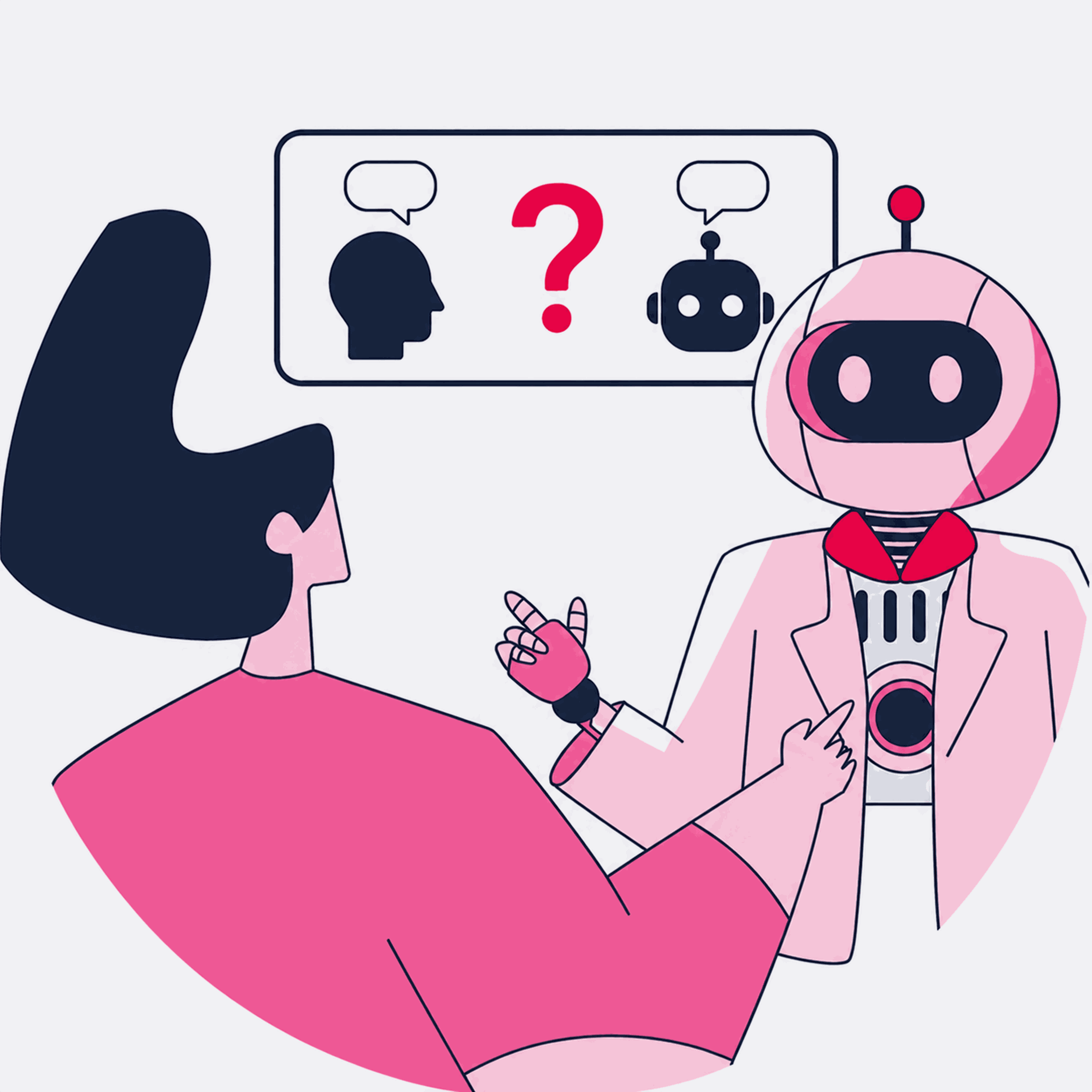
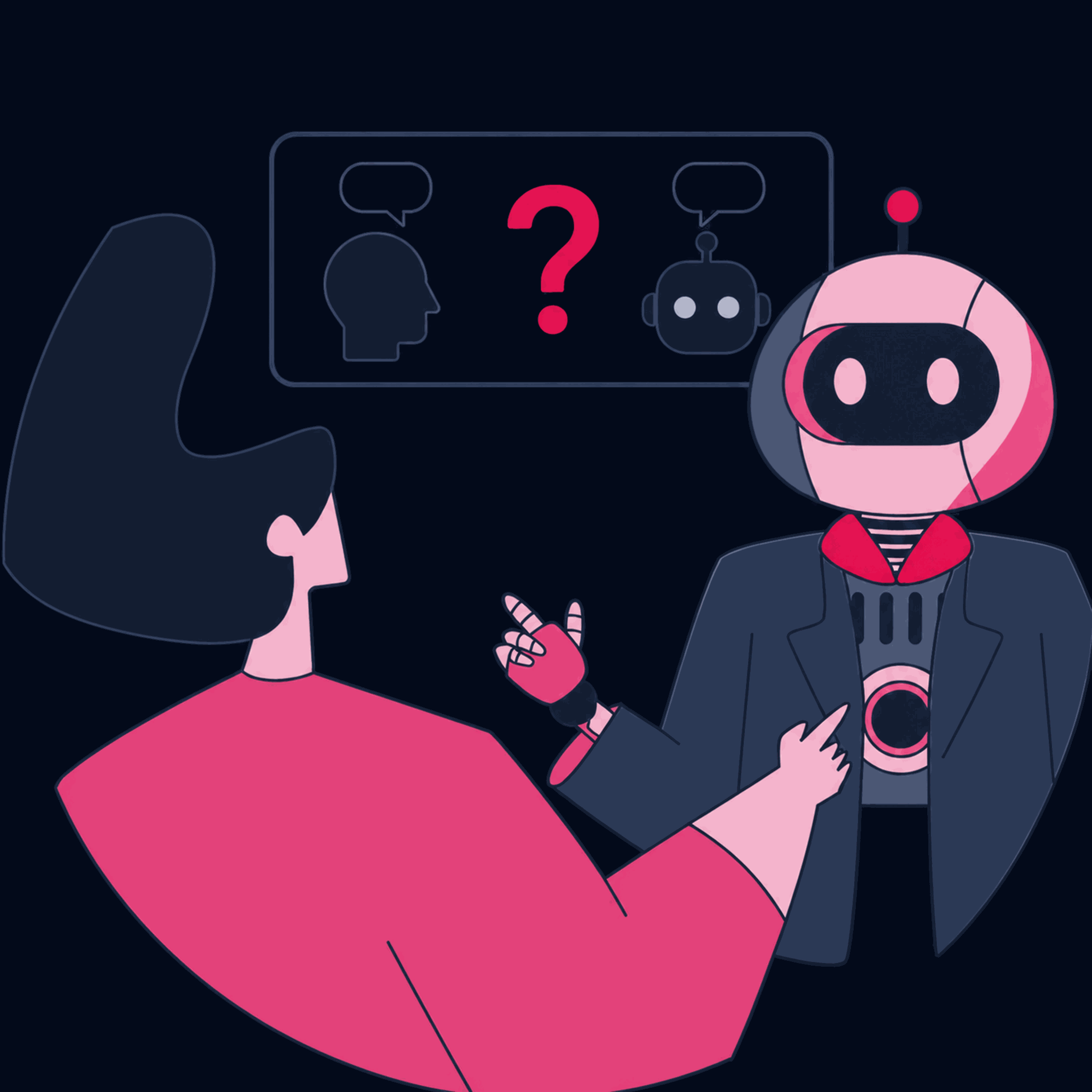 Turing Test
A test of whether a machine can exhibit intelligent behavior that is indistinguishable from a human's.
1 term
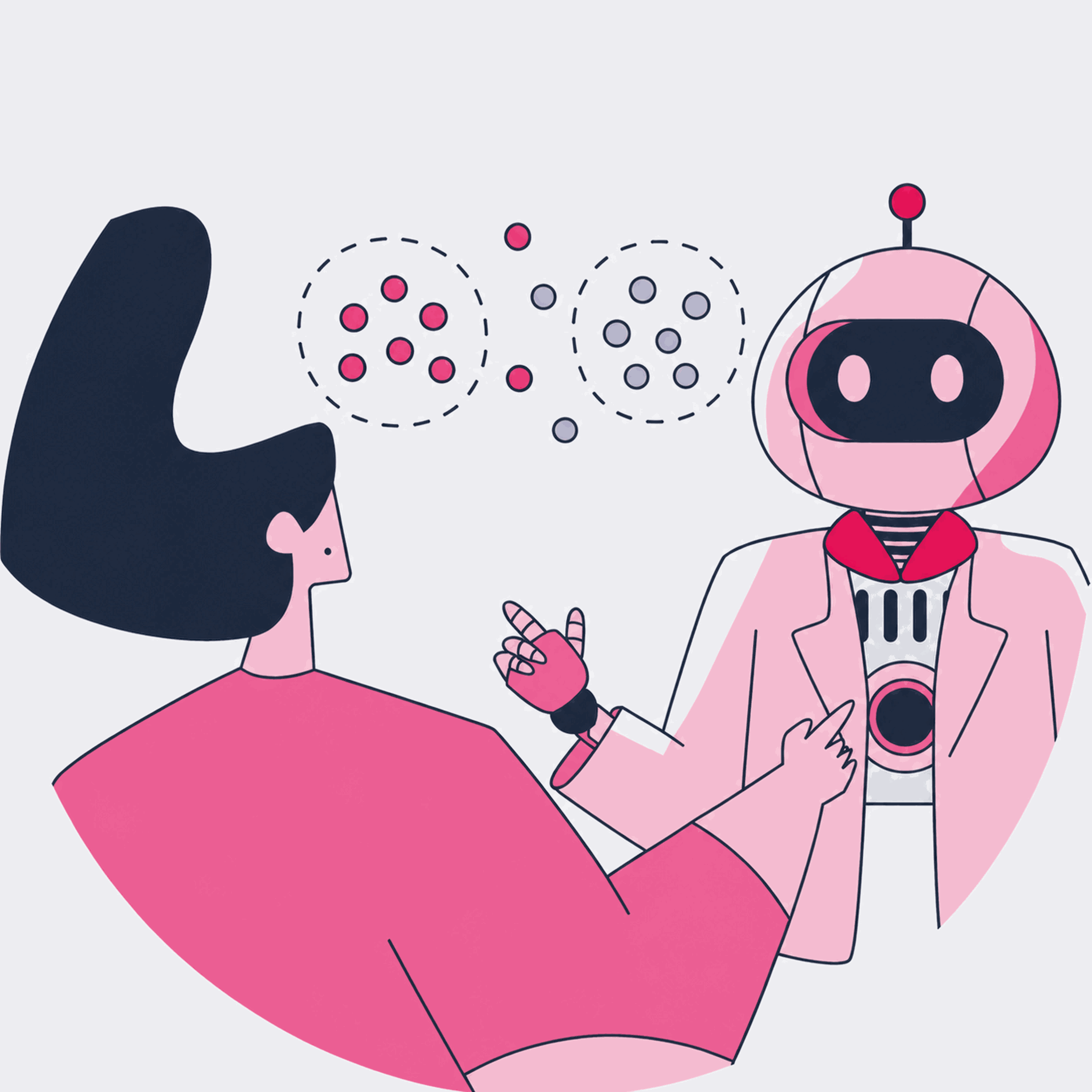
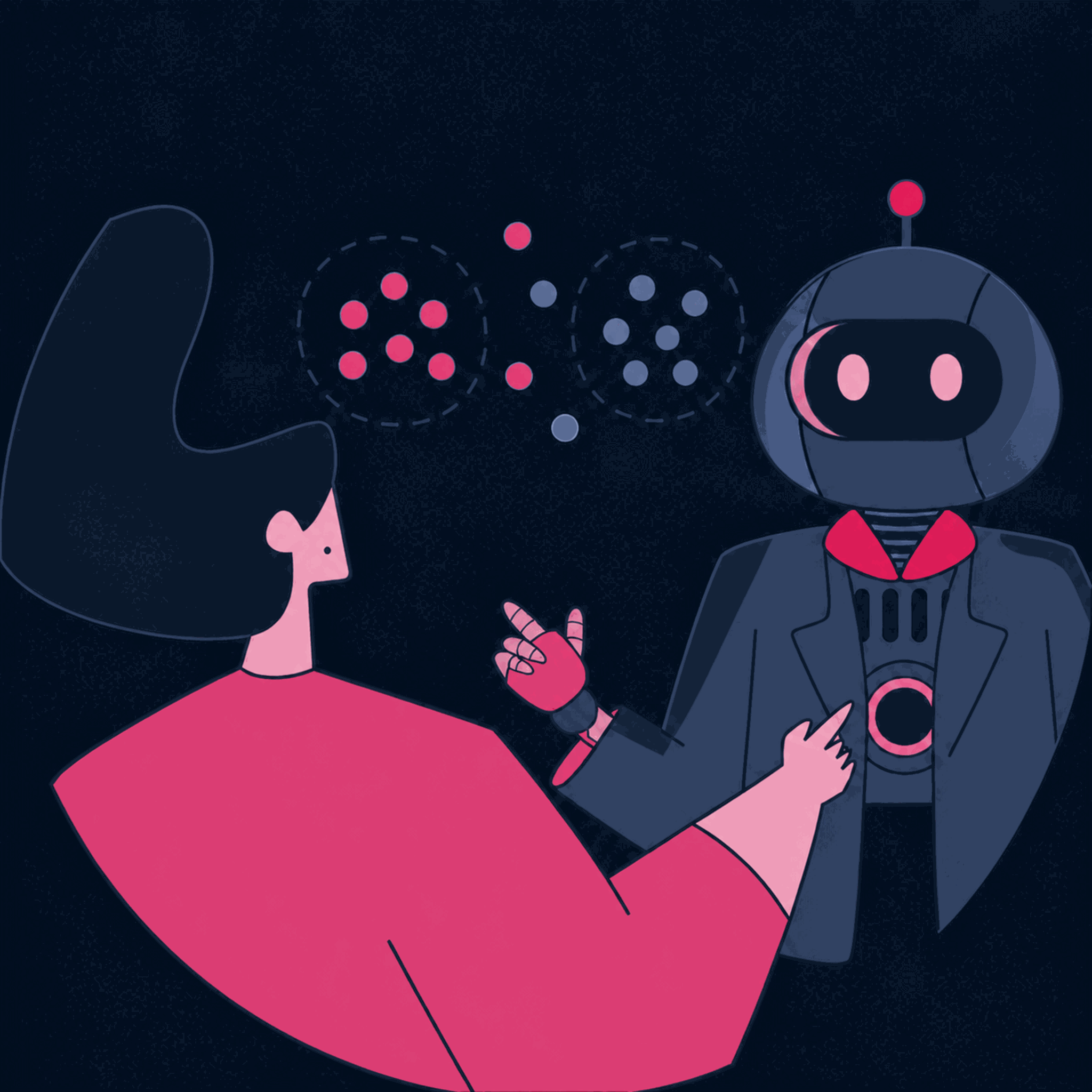 Unsupervised Learning
A type of machine learning in which models learn patterns from unlabeled data without explicit instructions.
1 term
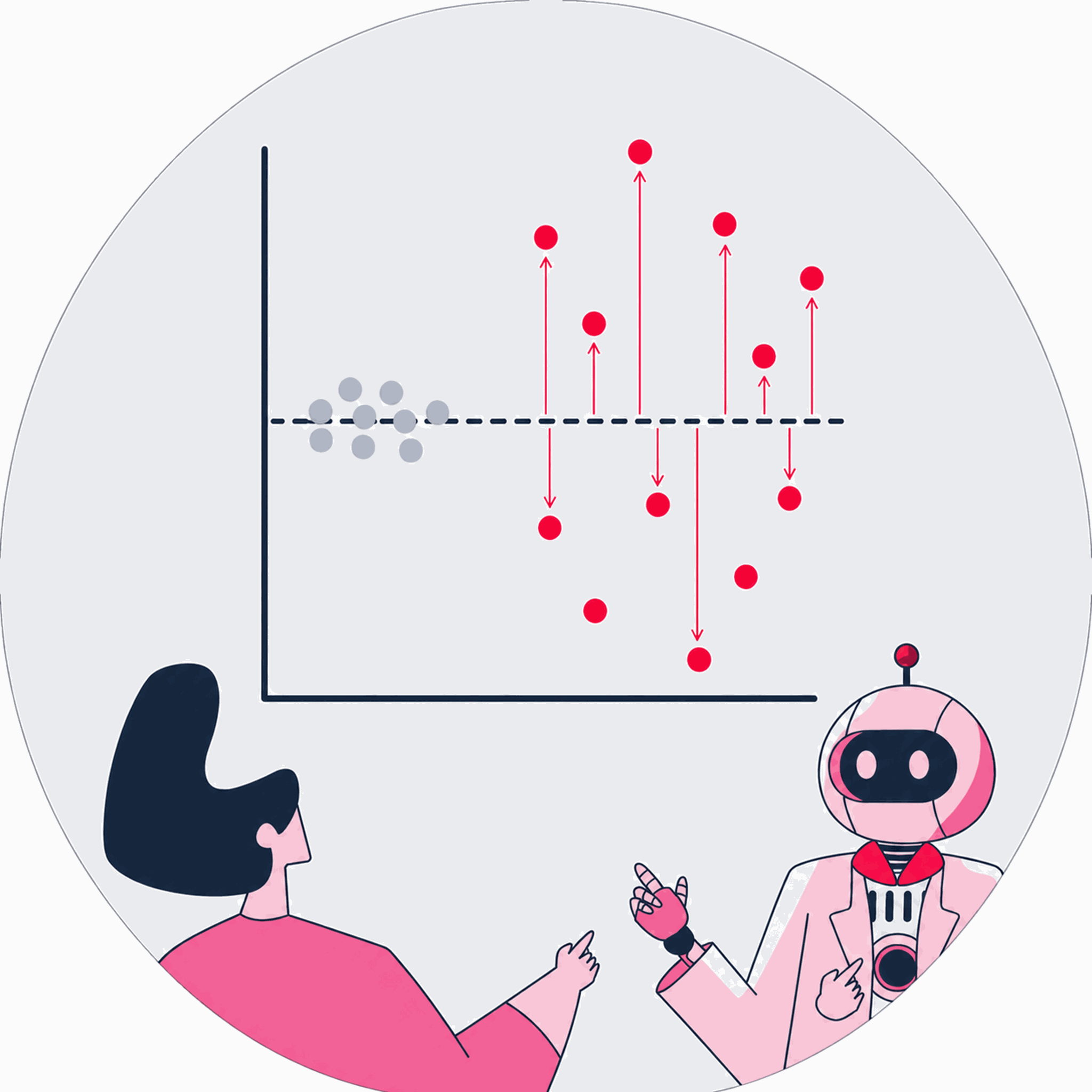
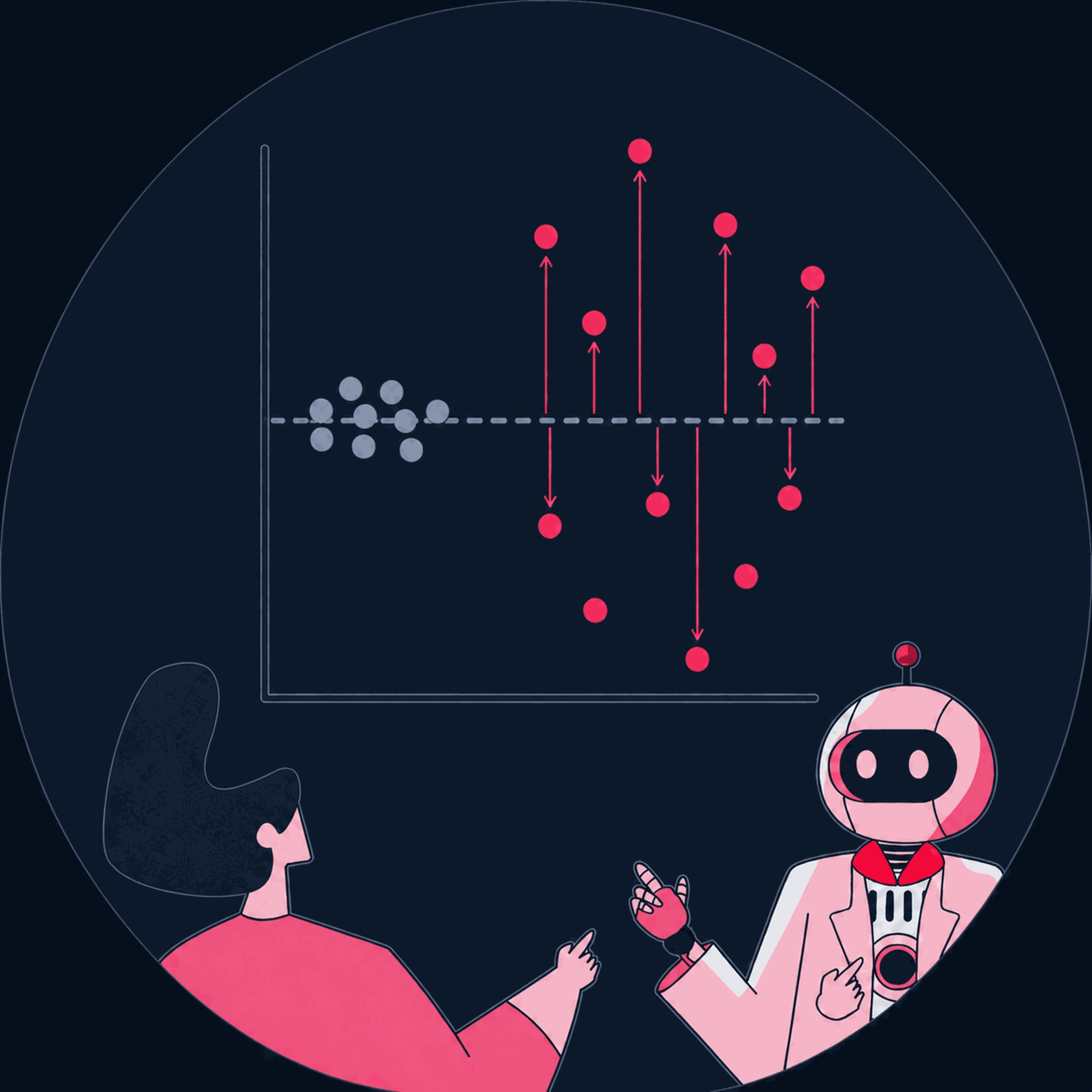 Variance
In machine learning, how much a model's predictions vary around the average prediction, showing how sensitive it is to training data.
1 term
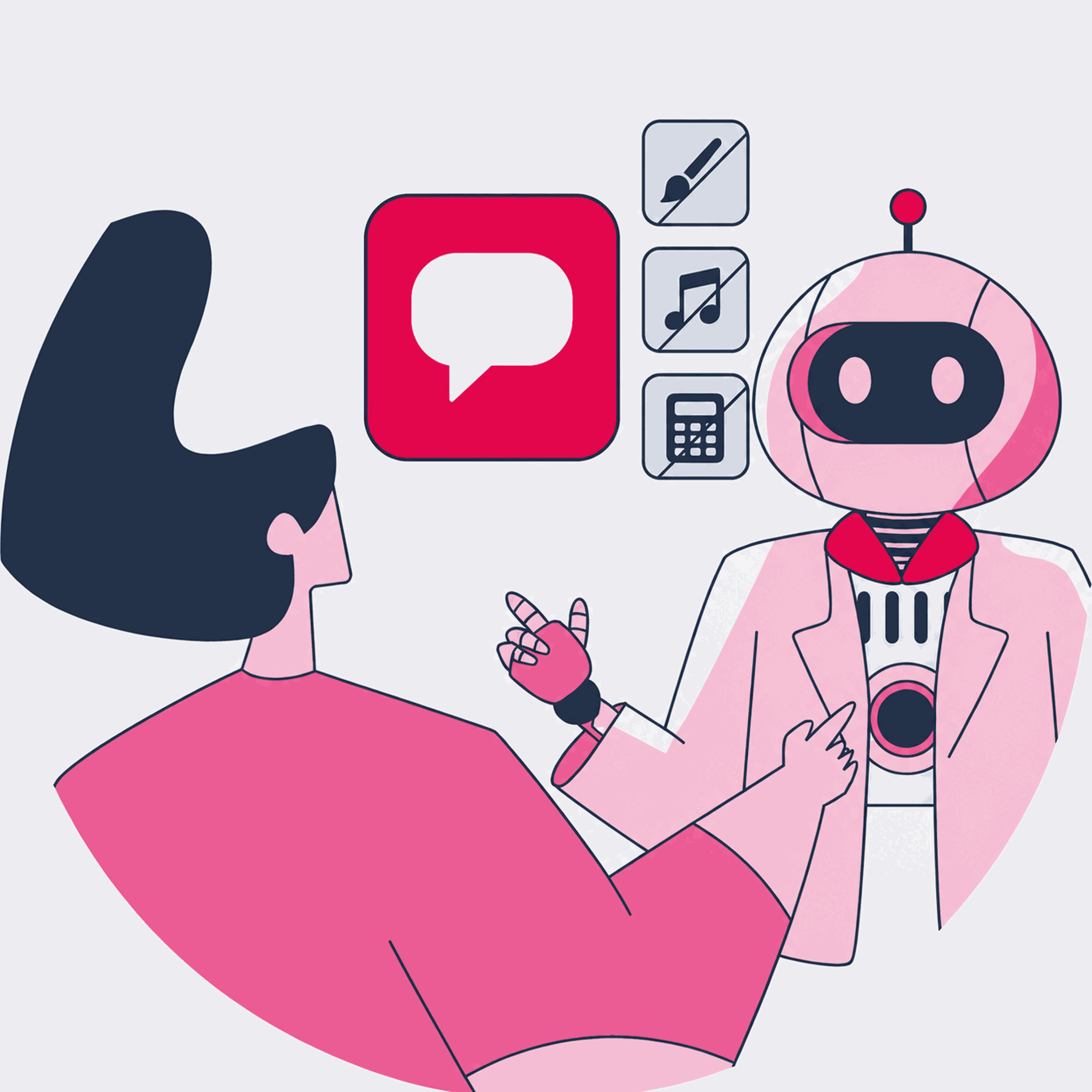
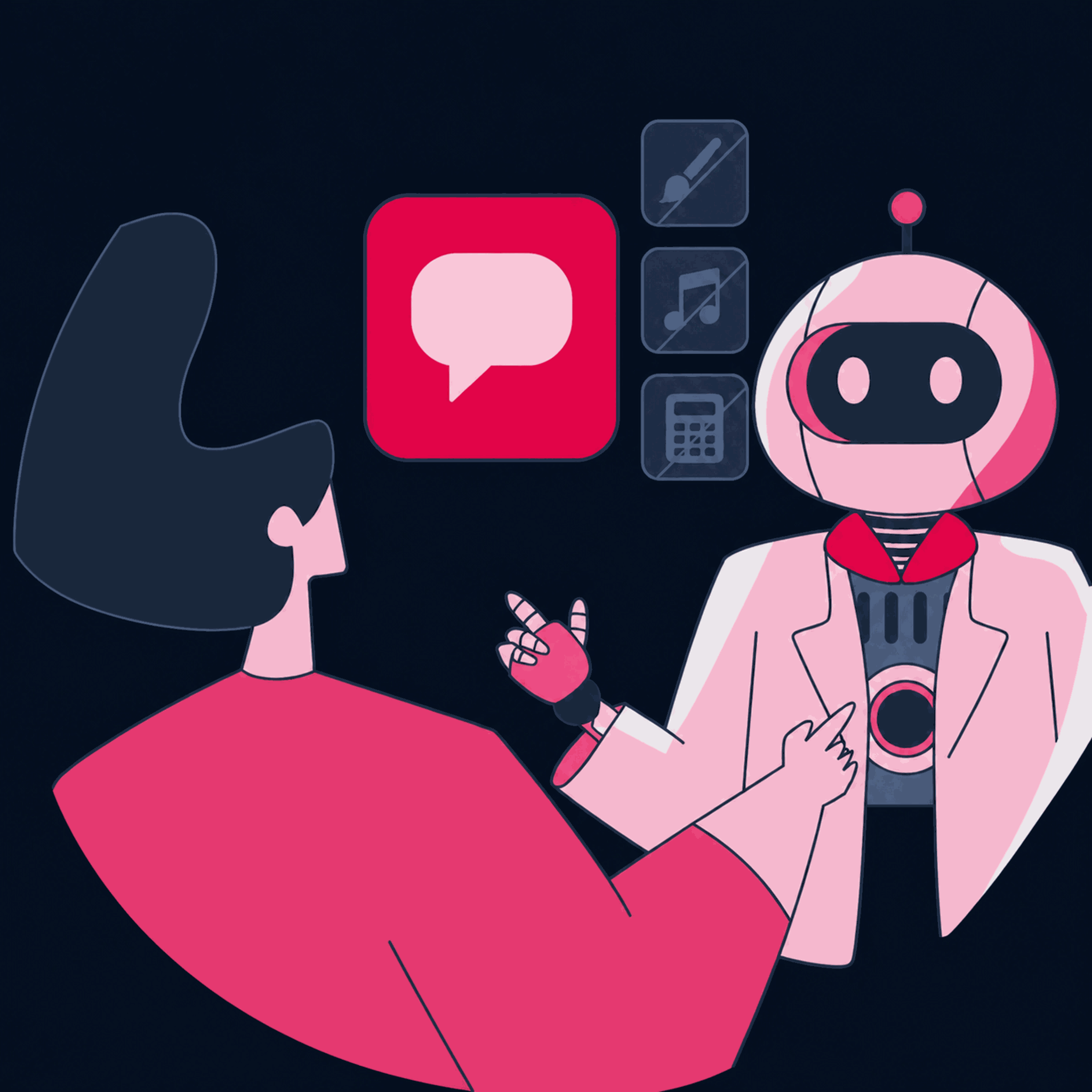 Weak AI
AI designed and trained for a specific task rather than the general cognitive abilities associated with human intelligence.
1 term
 Zone of Proximal Development (ZPD)
An educational psychology concept applied to AI, describing tasks an AI can perform with guidance but not independently.