











 API (Application Programming Interface)
An interface that allows different software applications to communicate and work together.





3 terms
API (Application Programming Interface)An interface that allows different software applications to communicate and work together.

 Artificial Neural Network
Computing systems loosely inspired by the biological neural networks in the human brain.
 Autoregressive Model
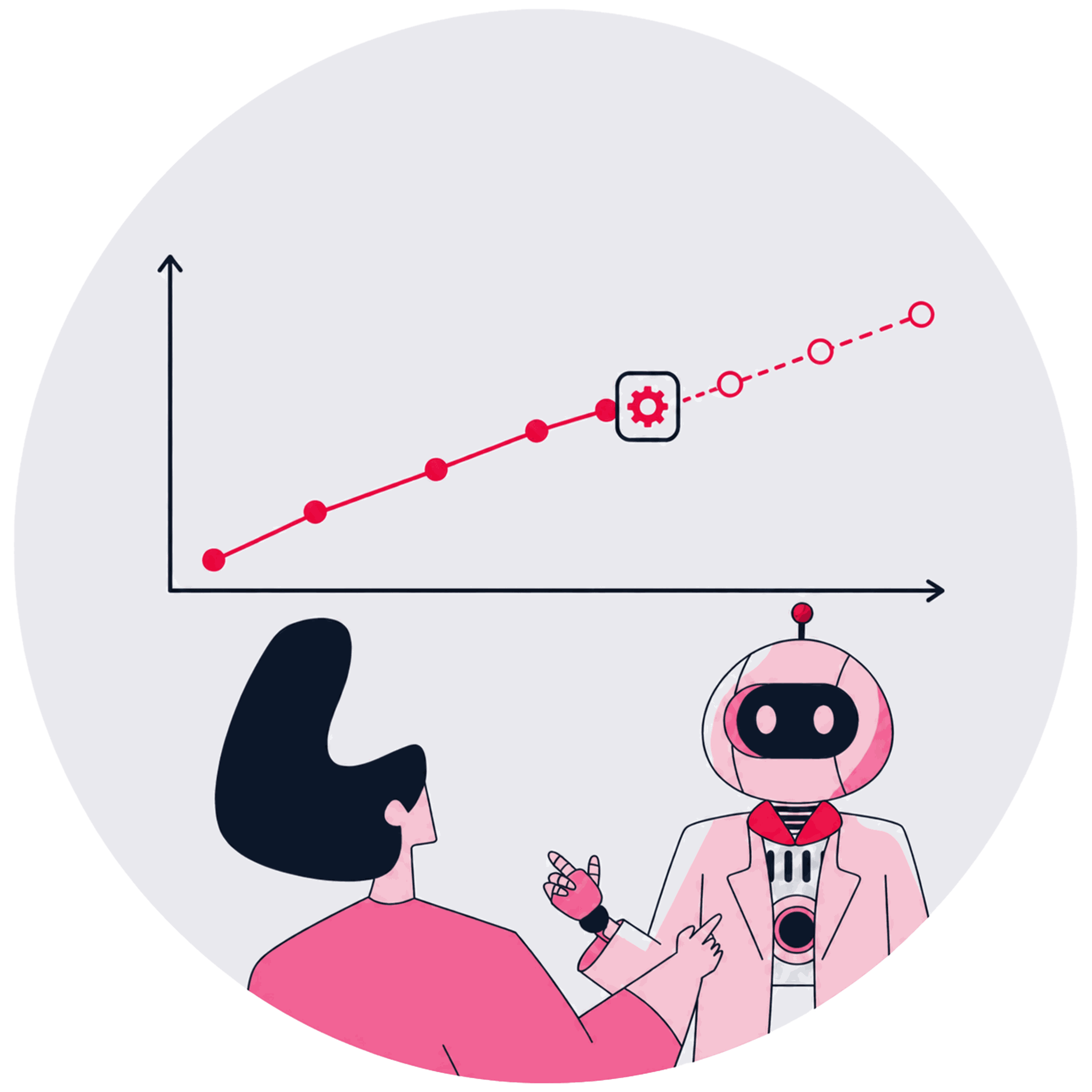
A model that uses previous time points to predict future values, often in time-series forecasting.
1 term
 Bounding Box
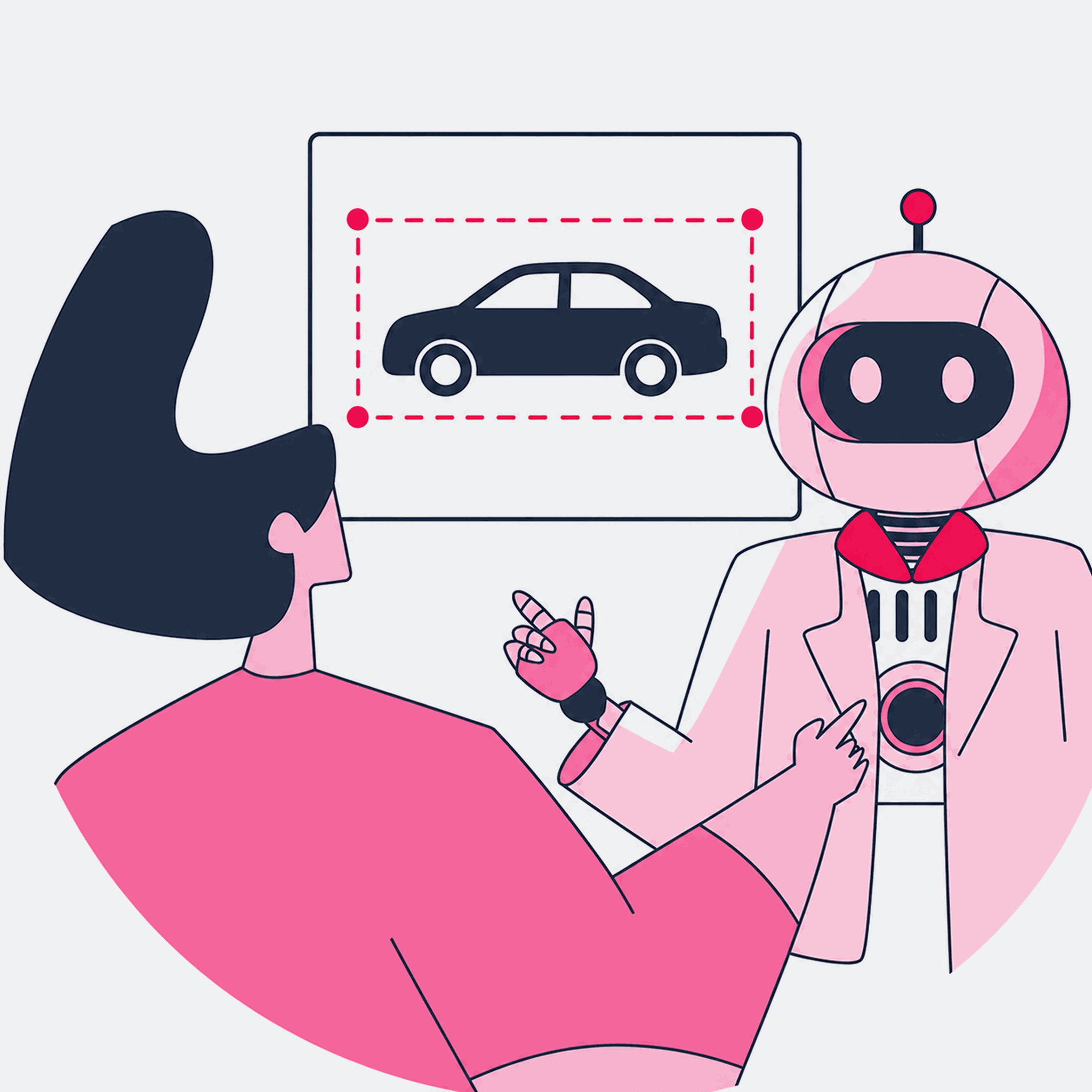
A rectangular boundary used in visual processing to mark an object's location within an image.
2 terms

 Context Window
The amount of prior input a model can consider when generating a response or prediction.
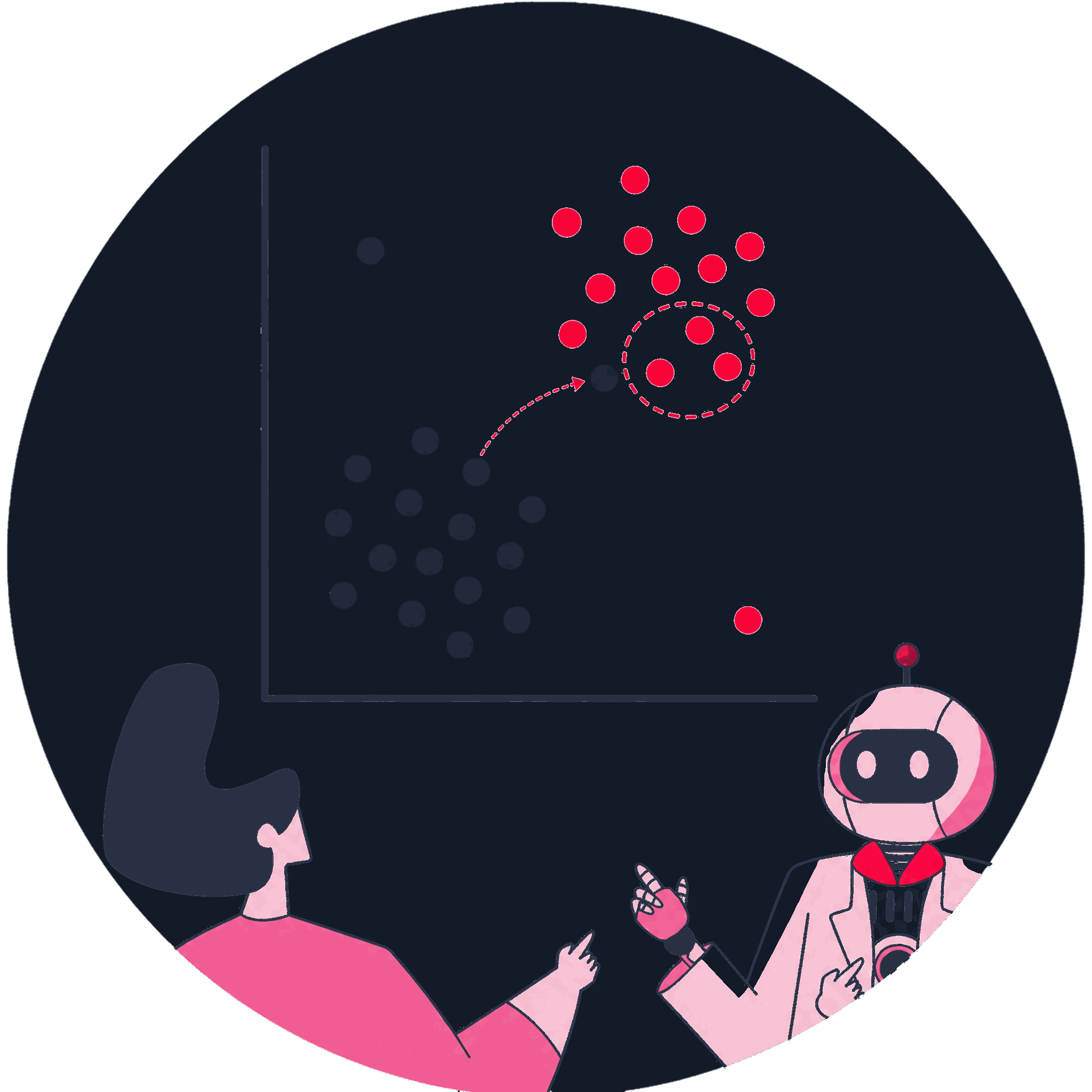 Contextual Embeddings
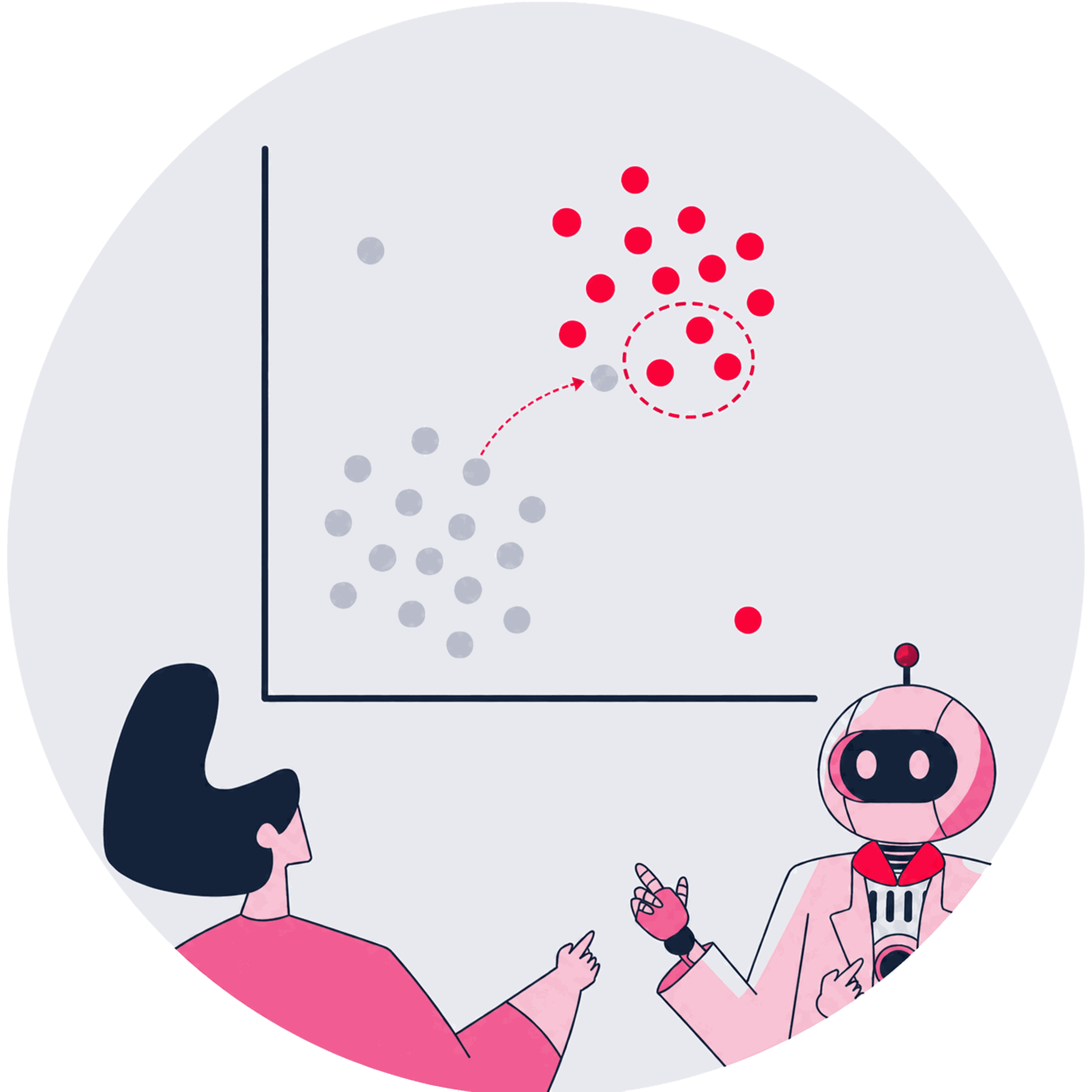
Representations of words or phrases that account for the context in which they appear.
1 term

 Discriminator (in GAN)
The component of a generative adversarial network that distinguishes real data from fake.
2 terms
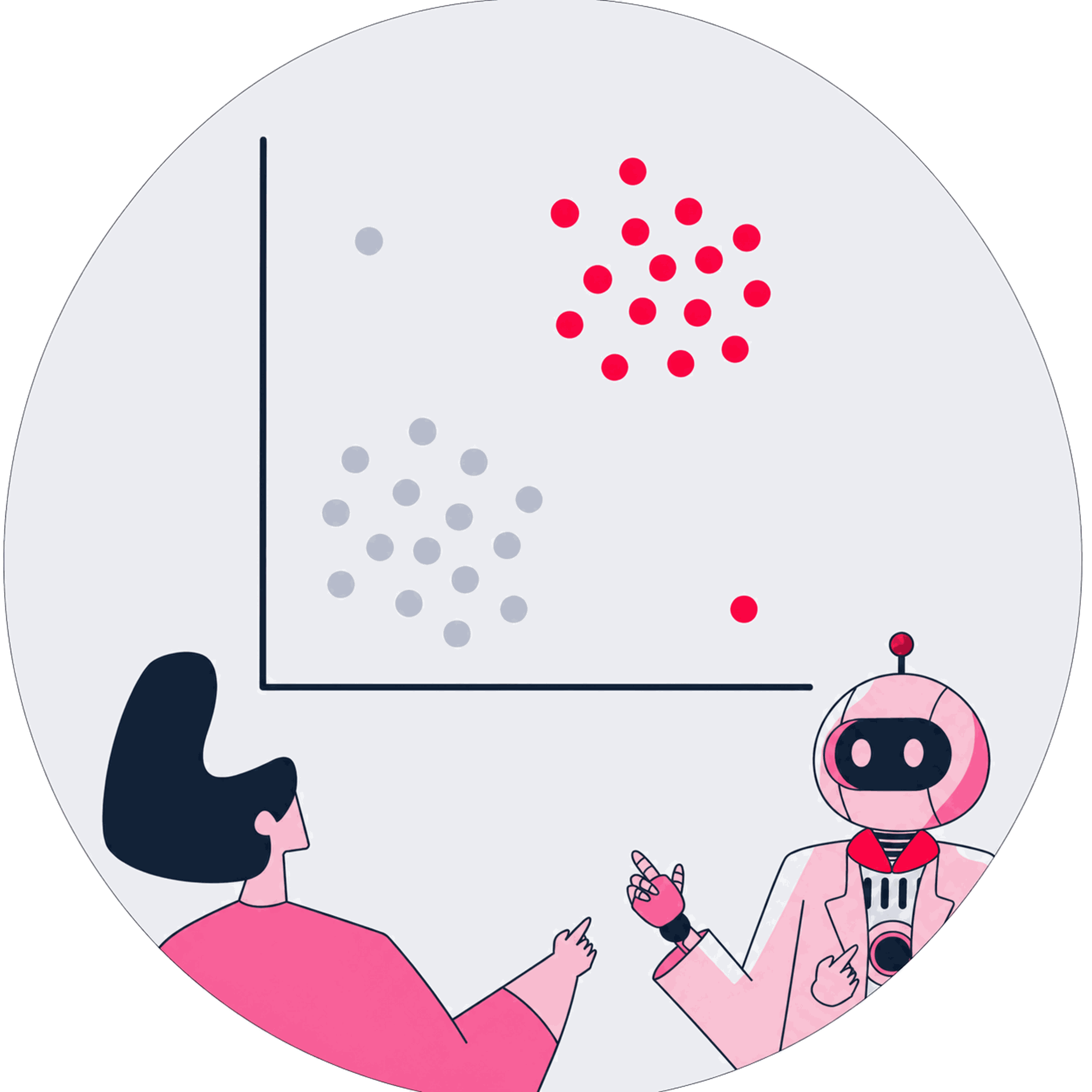
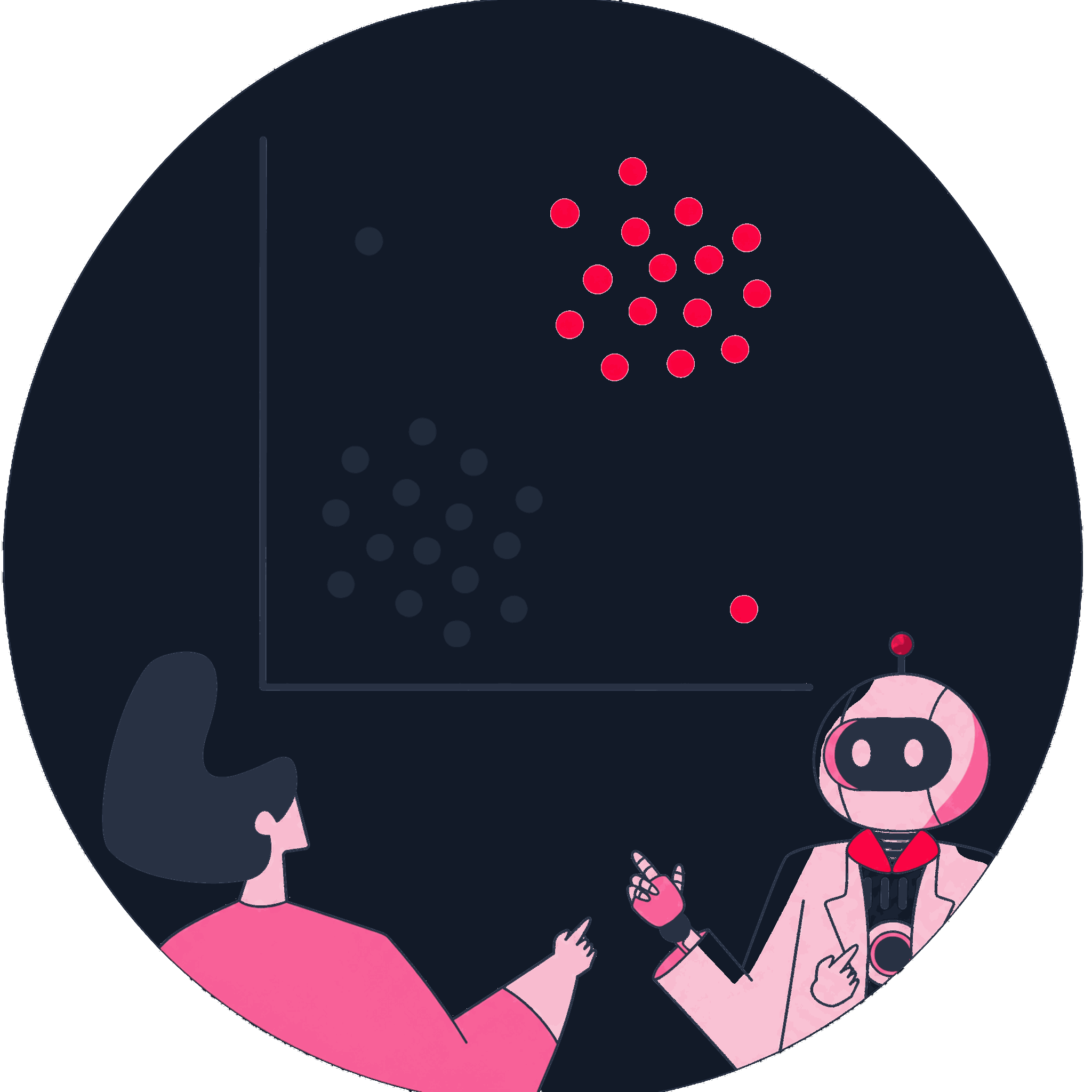 Embeddings
Dense vector representations of words or phrases capturing semantic meaning for AI processing.

 Encoder
A component of a model that processes and transforms input data into a usable format.
1 term
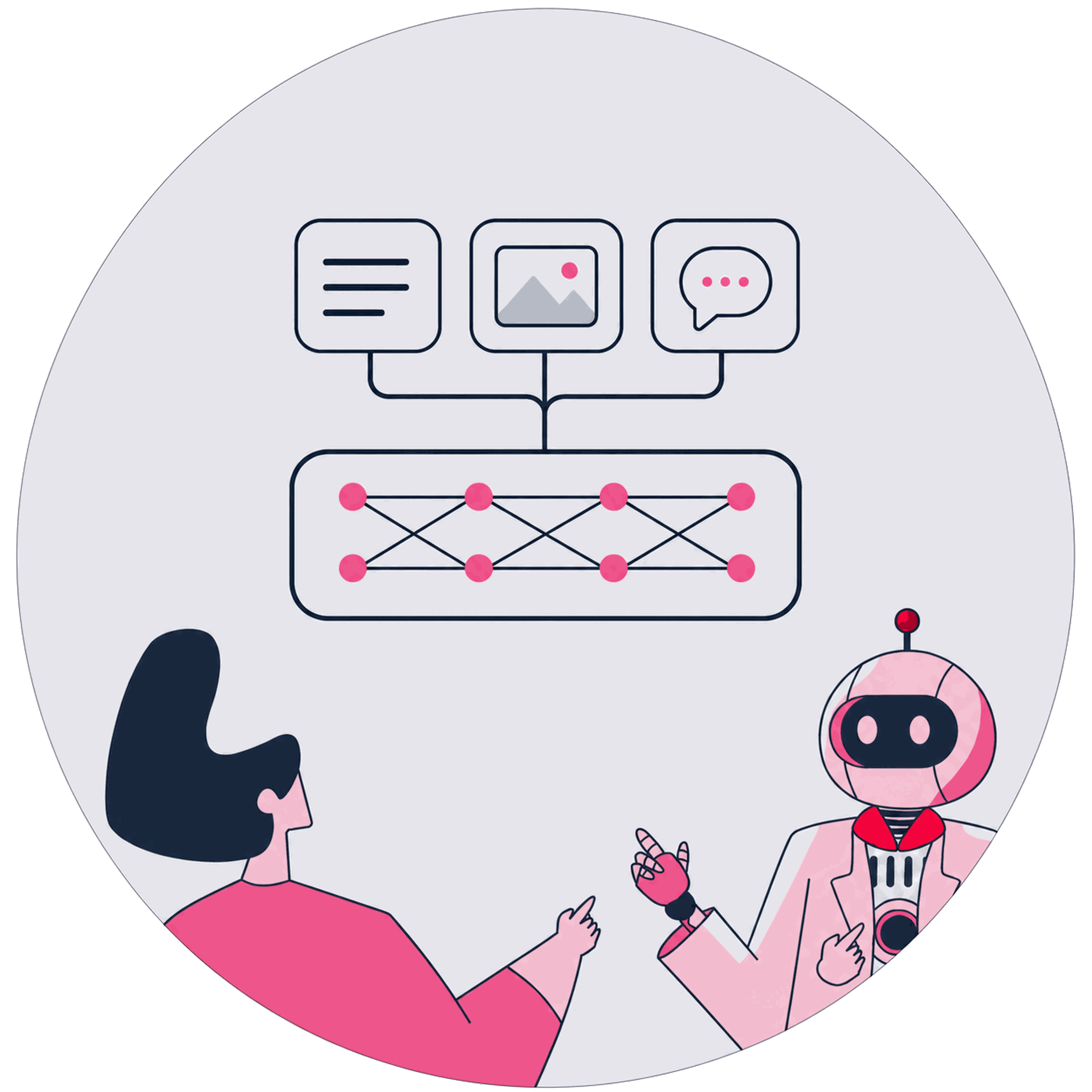
 Foundational Model
A large, versatile AI model trained on a broad dataset, capable of performing multiple tasks.
5 terms
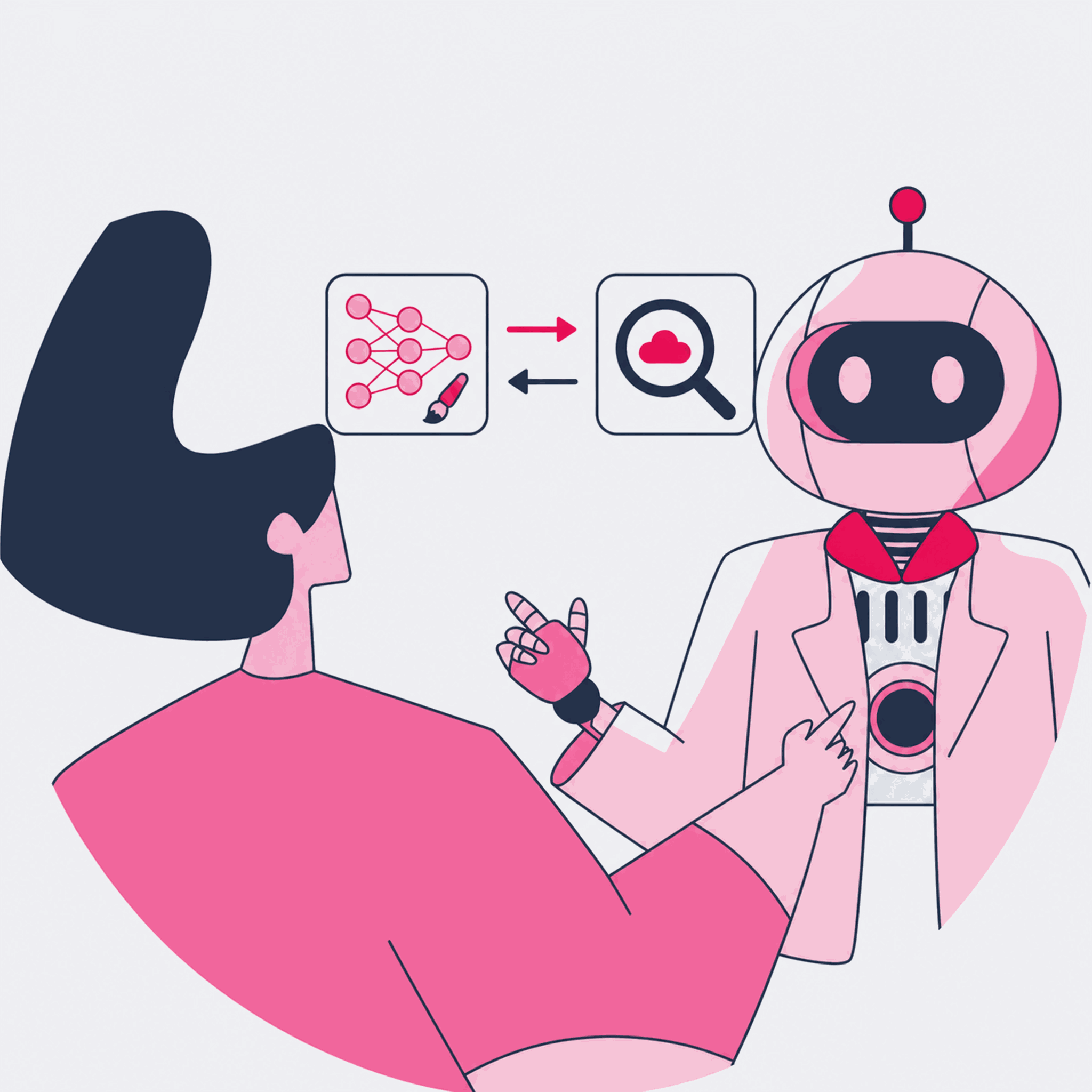
 Generative Adversarial Network (GAN)
A framework for training generative models through a competitive process between networks.
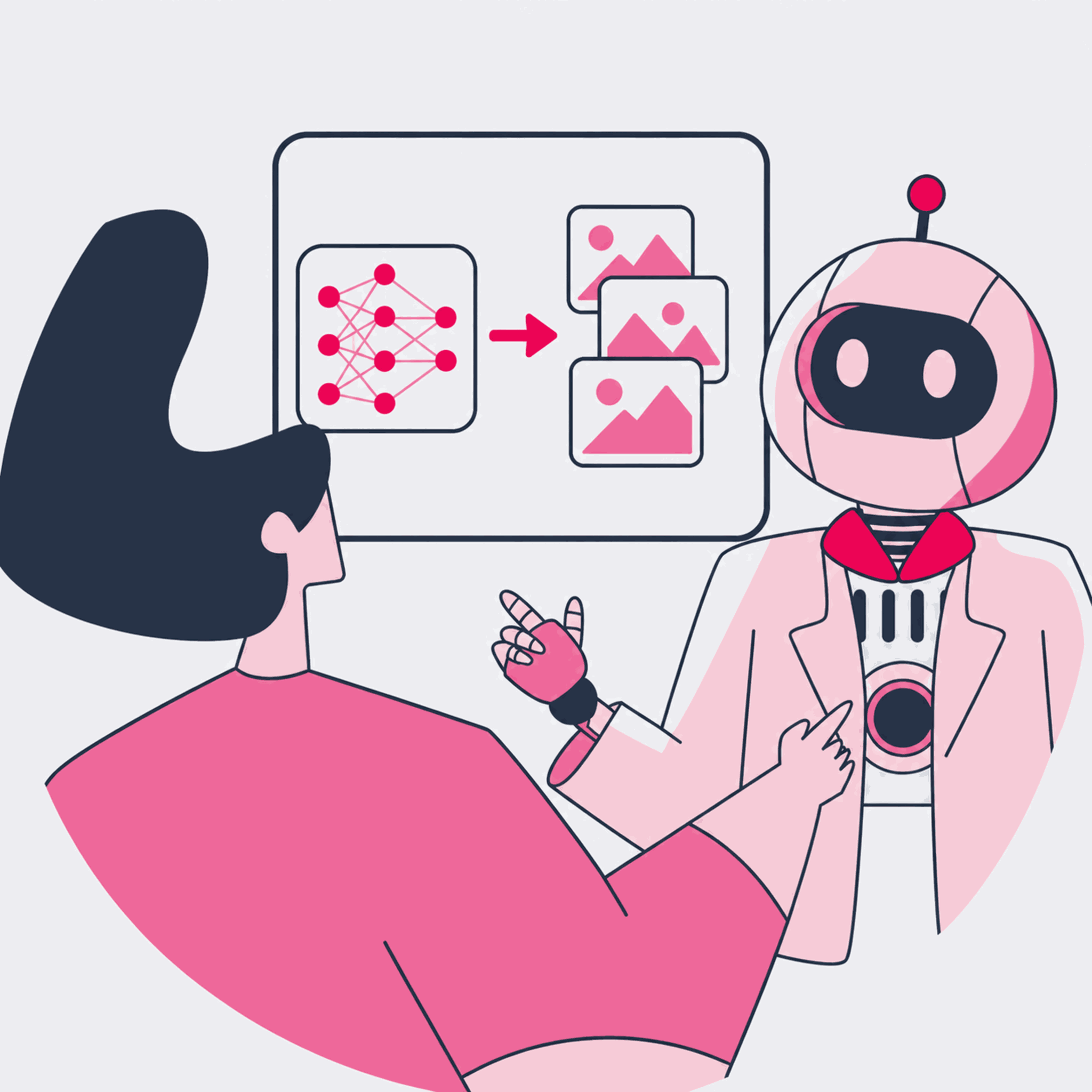
 Generative Model
A type of AI model that can generate new data instances similar to the training data.

 Generative Pre-trained Transformer (GPT)
A type of AI model specializing in generating coherent and contextually relevant text.

 Generator
In GANs, the component that creates data aiming to mimic real data as closely as possible.
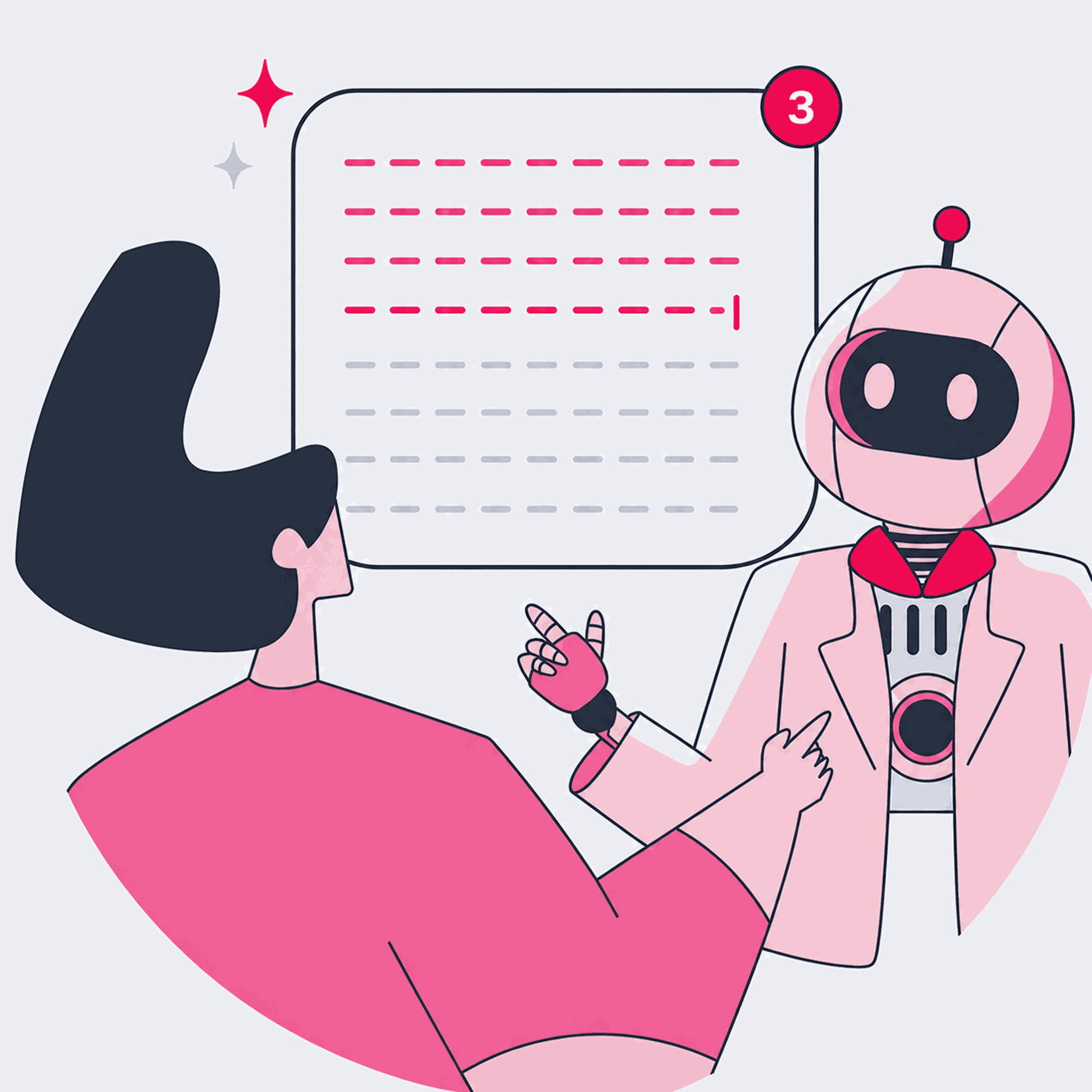
 GPT-3 (Generative Pre-trained Transformer 3)
The third iteration of OpenAI's generative model known for its advanced text generation capabilities.
2 terms

 Language Model
AI that understands, interprets, and generates human language based on statistical probabilities.

 Large Language Model (LLM)
A large model trained on vast amounts of text data that can understand and generate text.
3 terms

 Maximum Response Length
The maximum amount of text or data a model can generate in response to a single prompt.
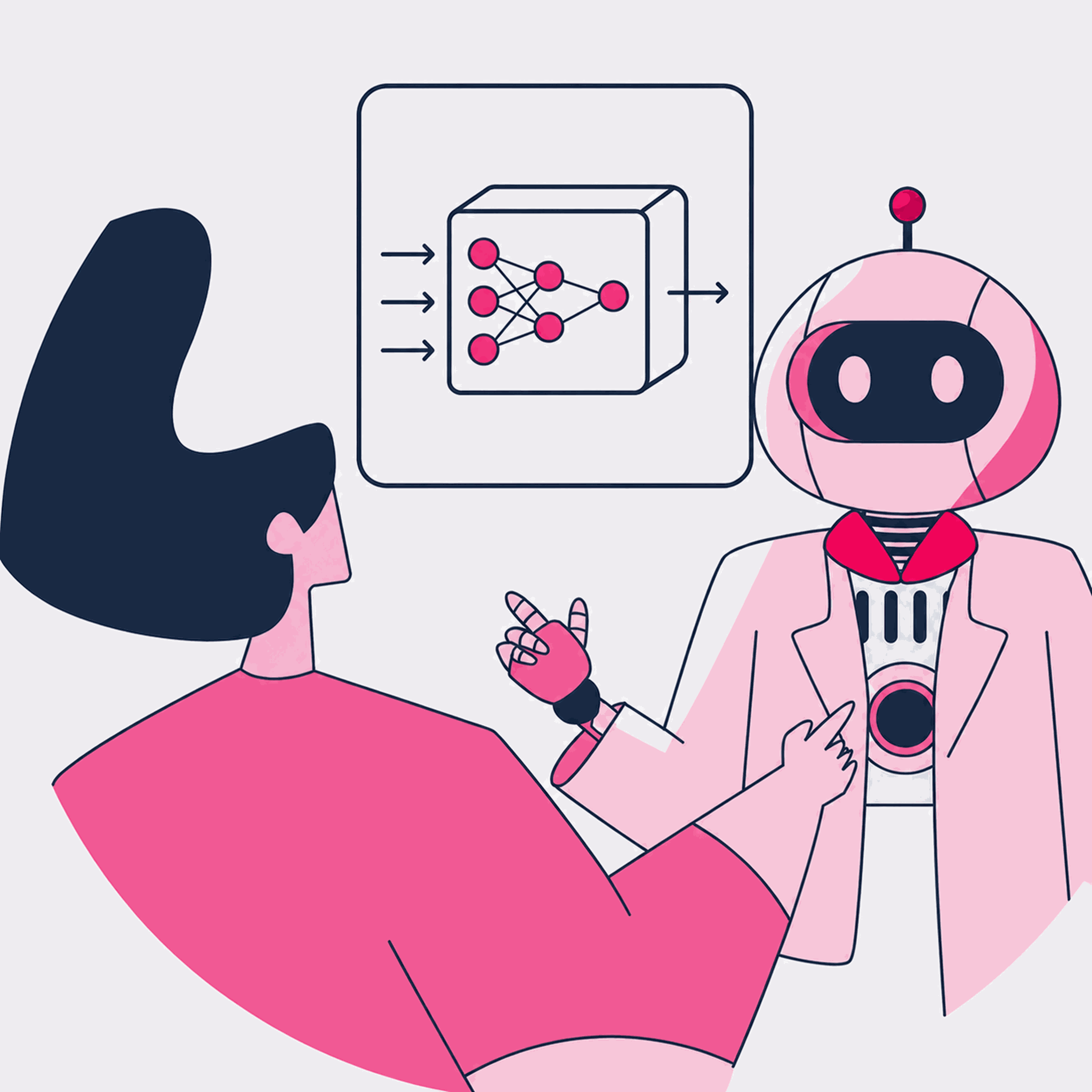
 Model
ModelA mathematical representation of a real-world process that is trained with data to perform specific tasks.
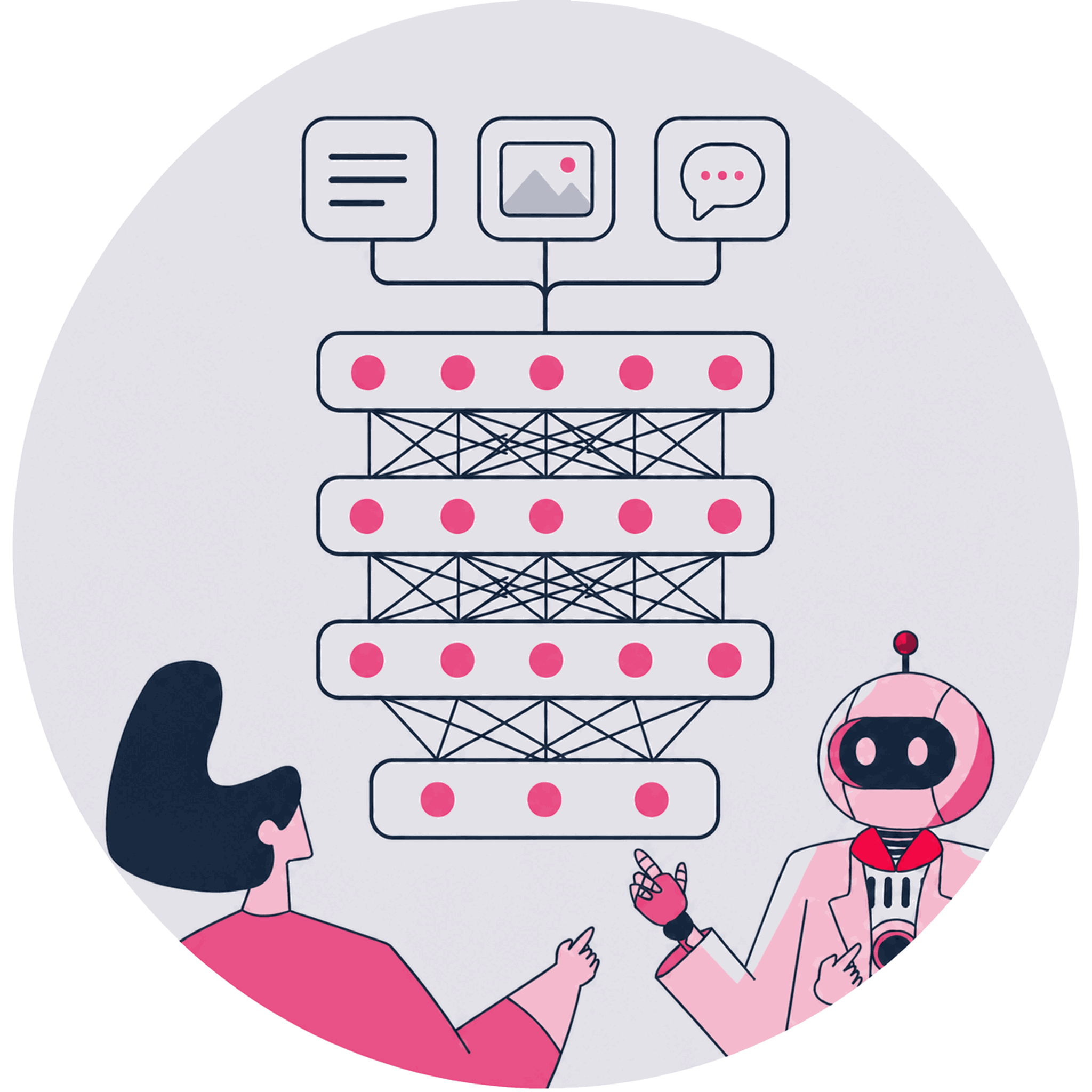
 Model Architecture
The specific structure of a machine learning model, including how its layers and nodes are arranged.
1 term

 Neural Network
A series of algorithms that mimic how the human brain recognizes relationships in data.
2 terms
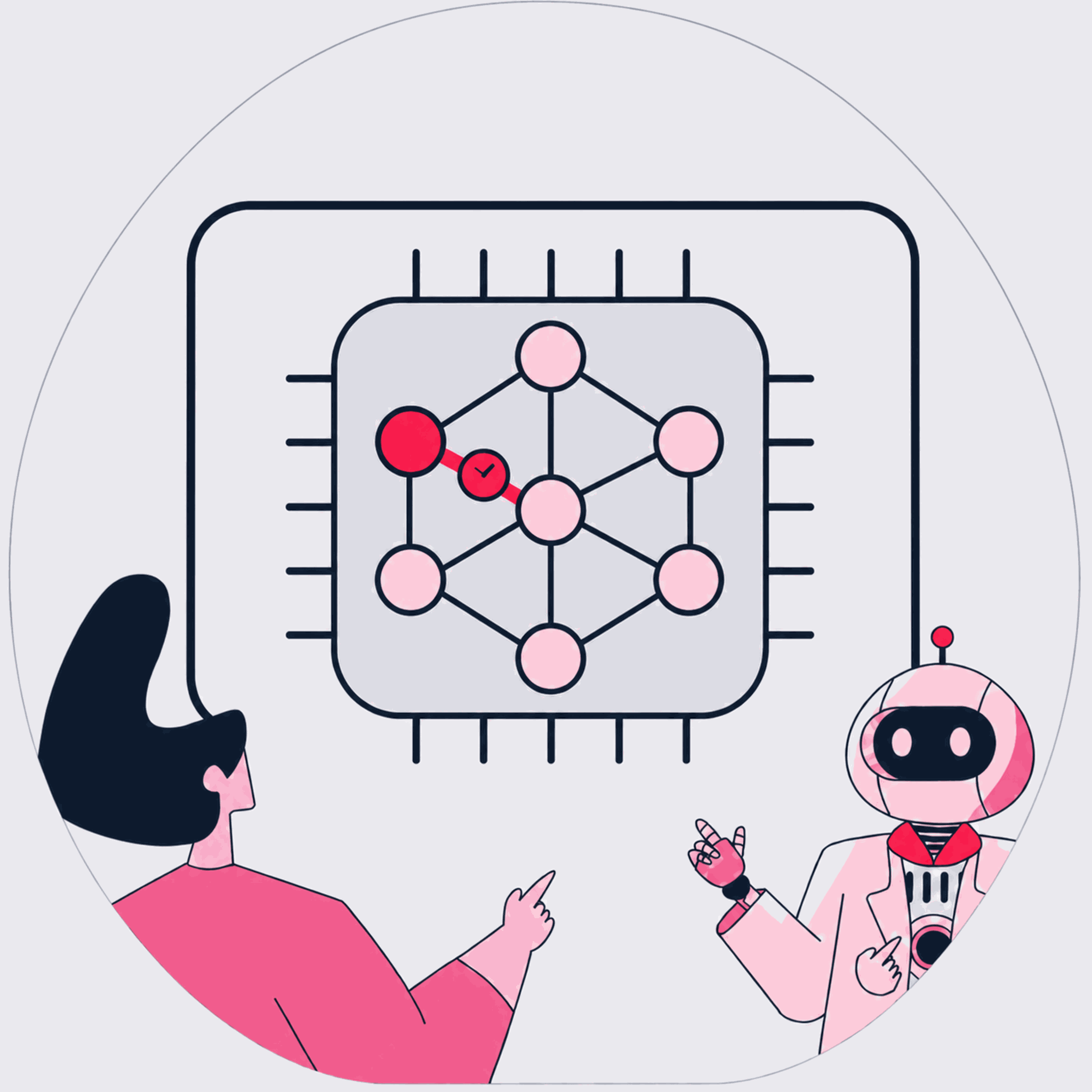
 Parameter
A model variable learned from training data that helps determine the model's output.

 Predictive Model
A model that predicts unknown future events from patterns found in historical data.
3 terms
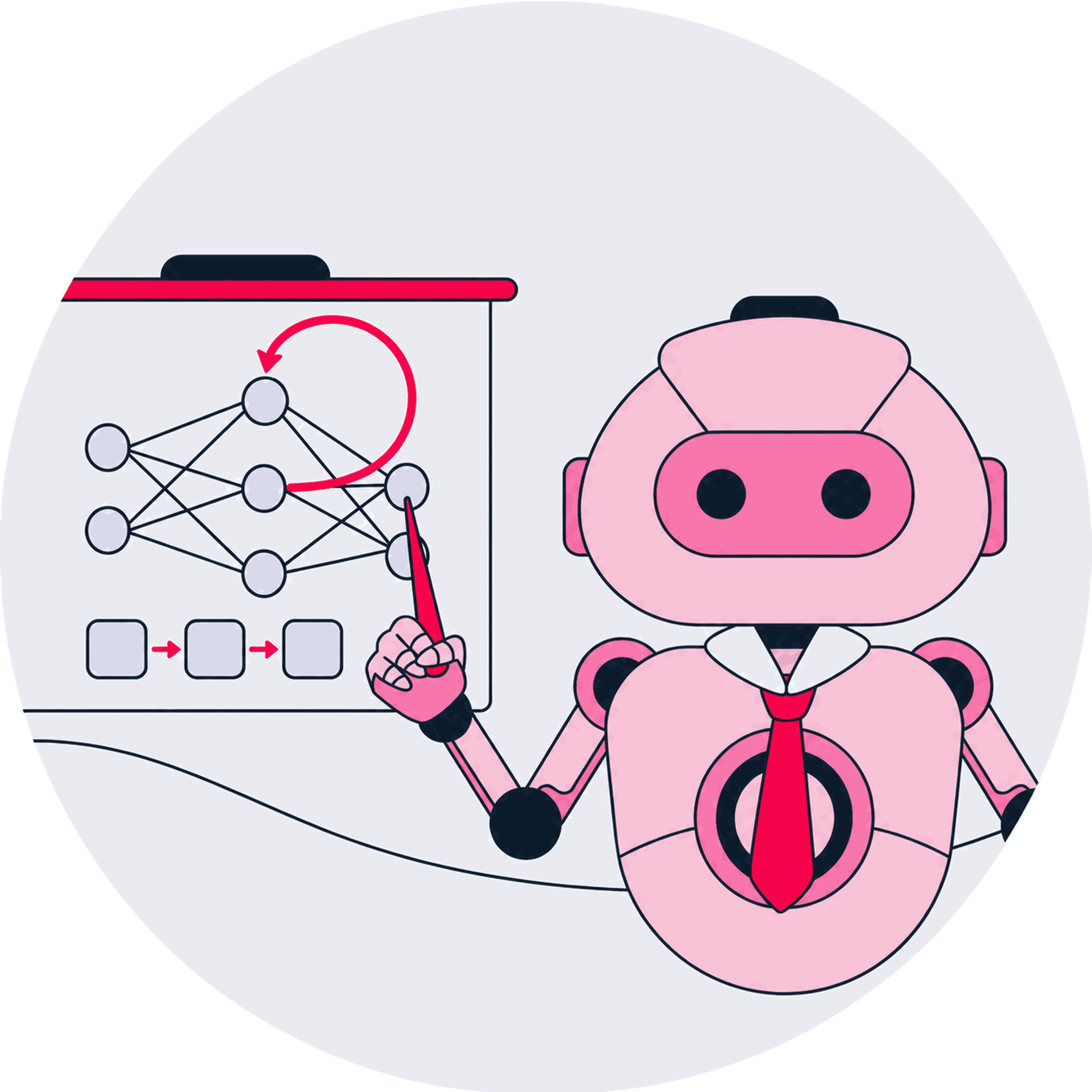
 Recurrent Neural Network (RNN)
A neural network designed to process sequential data such as text or time series.

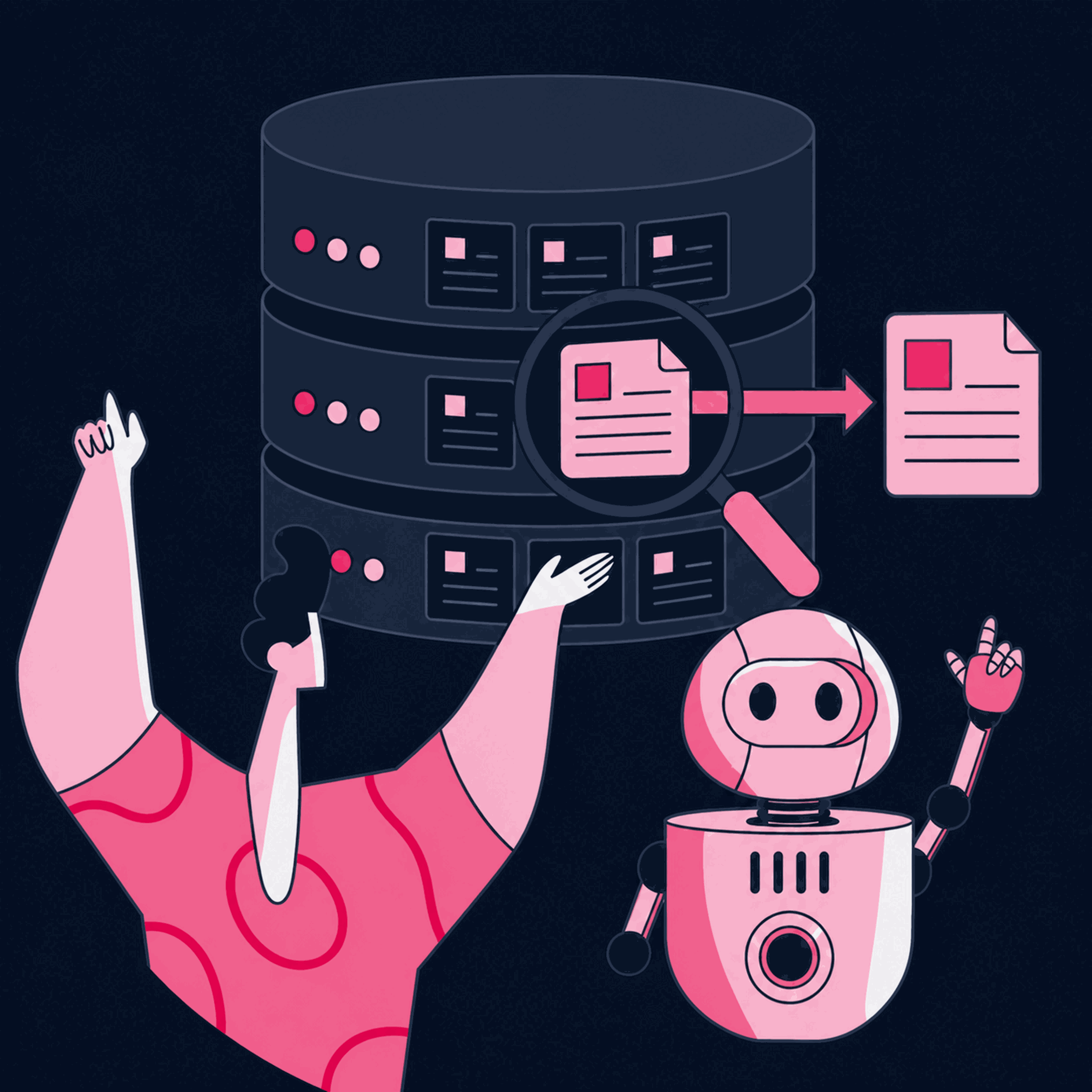 Retrieval Model
A model that retrieves relevant information from a large dataset to support decisions or responses.

 Reward Models
Models that evaluate possible actions or responses in reinforcement learning to guide learning toward desired outcomes.
1 term
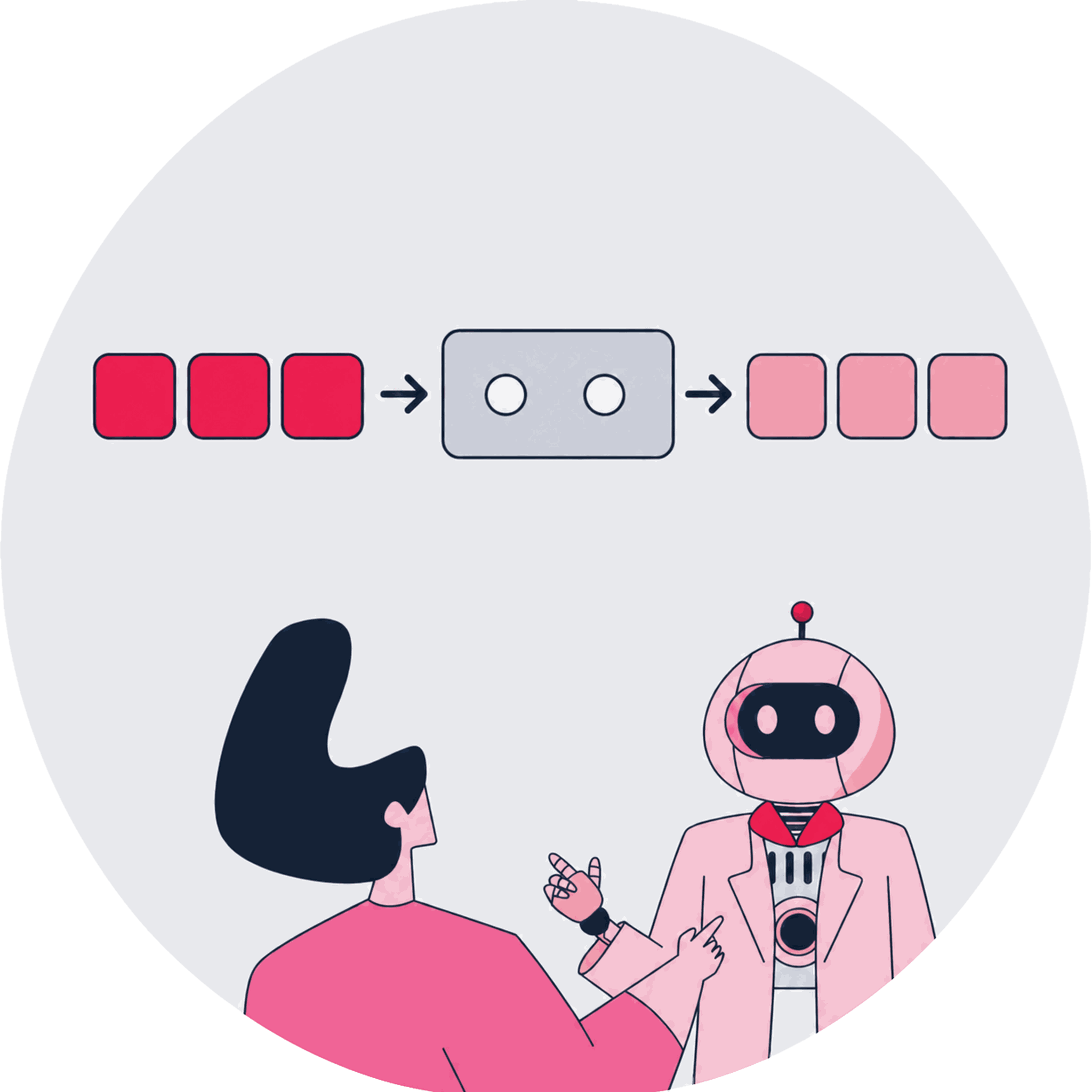
 Sequence-to-Sequence (Seq2Seq) Models
Models that transform an input sequence into an output sequence, commonly for translation and summarization.
3 terms
 Transformer
A model architecture that uses self-attention to handle tasks involving sequential data.

 Transformer Decoder
The part of a transformer model that generates output sequences from encoded information.

 Transformers
A class of deep learning models that has transformed natural language processing.