







Content Optimization & Operations
Content Refreshes
Update what is stale and preserve what still works.
Content Refreshes update a page that once performed well but has become outdated, while preserving the sections that still earn rankings, links, and reader value.
You walk away with the stale parts of a retained page updated, the sections that still earn their place untouched, and a date to check whether the refresh worked.


Some of the 500+ brands we've worked with
See all references









How we run it
How we refresh a page without losing its value
We diagnose the decline, update only what is stale, secure expert approval, and set the next review.
Diagnose why it slipped, and freeze the before-state
We check whether the cause is outdated facts, a shifted search intent, new competition, a technical issue, or the product itself moving on, and record the current rankings, links, and conversions so we know exactly what changed.
A specific diagnosis naming the cause of decay, plus a before-state record to check against later.
- AI assist
- Agents can compare the page's claims against newer sources, list coverage competitors have added, and find internal links that have since broken. Why the page slipped is diagnosed by a strategist reading its own history.
- Human gate
- The SEO lead confirms the diagnosed cause before any rewriting starts.

Update only what's stale
We revise the outdated facts and structure, and leave sections that still serve the reader well, since a page doesn't need a full rewrite to earn a second life.
An annotated before-after draft with a reason attached to every change.
- AI assist
- Agents can mark which passages depend on a date, a figure, or a product detail that has since changed. Which of those still deserve to stay is decided by the editor, because a refresh can easily overwrite what was working.
- Human gate
- The editor decides which sections get touched and which stay as-is.


Get the right people to sign off
The subject expert, SEO lead, and editor each confirm the parts they own, so an updated fact or a repositioned claim doesn't ship on assumption alone.
An approved refresh with resolved comments and a clear release call.
- AI assist
- Newer sources help an agent flag facts that may have aged. A subject expert checks whether the product or topic has truly changed.
- Human gate
- The subject expert confirms every updated fact by hand. An agent's flag is only a starting point.


Ship and set the next check
The update goes live, we note what we'd expect to see if it worked, and we set a date to check whether the decay is resolved.
A live update, a QA record, and a next-review trigger.
- AI assist
- Agents can re-pull the baseline measures on the review date and show them next to the before-state. Whether the refresh worked, or whether the page is now past refreshing, is a human read.
- Human gate
- The content owner sets the next-review date and what would count as the refresh working.
A flag is a starting point. Your expert confirms the fact.
An old page leaves useful clues. Agents can compare its claims with newer sources, spot coverage that competitors have added, and catch broken internal links from earlier campaigns. That saves time on the first pass. Product truth and the reason for a ranking decline still need context the model does not have. A subject expert confirms each updated fact, while the editor decides which original sections have earned the right to stay.
What you get
What the refresh provides
You receive the updated page together with a before-and-after record explaining every material change.
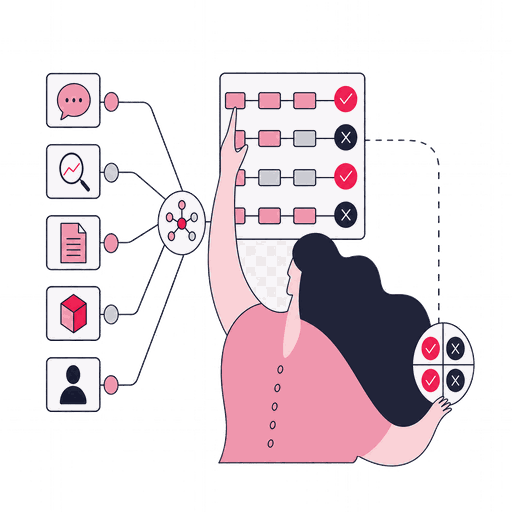
Diagnosis and before-state record
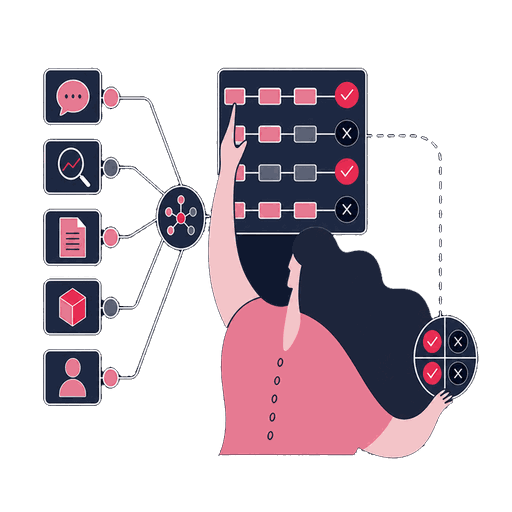
What caused the decay, plus a snapshot of the page before anything changed.


Annotated refresh
The updated page with a reason next to every material change, so reviewers can see exactly what moved.
QA record and next-review trigger
Confirmation the update is accurate and live, plus what would tell us it's time to look again.
We call it done when: the content owner and subject expert have confirmed the update, retained value is intact, and there's a date to check whether it worked.
Who it fits
A once-useful page has started to decline
This method updates a page with existing value rather than replacing it with a blank-page rewrite.
A good fit when
- A page that once earned rankings, traffic, or reader value has clearly slipped, but nobody has separated decay from a technical or intent problem.
- Facts, competition, or the product have changed since publication, so the page now carries claims a subject expert needs to recheck.
- The URL still has sections worth protecting, while the stale material needs an annotated update rather than a blank-page rewrite.


Better handled as other work when
- The page never earned rankings or links, so its diagnosis belongs with optimization or a full rewrite.
- The only requested change is a fresher publication date, while the facts, structure, and product claims would remain untouched.
- No subject expert can confirm which facts are still true, so an annotated refresh would replace uncertainty with unsupported copy.
People who write and ship this content
Some of these consultants write the pages themselves. Others plan distribution or check how a piece performs once it's live, so the team below covers more than one stage of the work.

Samet Özsüleyman
SEO Manager

Can Mutioğlu
Senior SEO Executive

Ozan Ketenci
VP of Consulting & Strategy

Deniz İmre Temiztürk
Content Specialist

Didem Himmetli
Marketing Executive

Sinem Bakır Yavaş
Senior SEO Executive

Hande Parmaksız
SEO Manager

Sena Önder
Senior SEO Executive

Bensu Tınastepe
Senior SEO Analyst

Ali Özgün Öz
SEO Executive

Ruhan Tiryaki
Senior SEO Analyst

Burak Pehlivan
Co-founder & CEO

Emir Kağan Kahveci
SEO Analyst
Content we've produced on this topic
Tools we use
Tools behind this work
 Ahrefs
flags the slow-decay pattern before it shows up as a single bad month
 MarketMuse
shows what a page's competing set now covers that it did not at first publish
 Google Search Console
separates a lost ranking from a page that ranks fine but stopped earning clicks
 Google Analytics
the before-state a refresh gets measured against at the next check
Where this leads next
Methods connected to Content Refreshes


Upstream
SEO Content Optimization
If the page's real problem is intent or structure rather than stale facts, that diagnosis belongs to optimization before a refresh even starts.


Downstream
Copy Editing & Content QA
Once the update is drafted, an independent editorial pass catches anything the refresh itself might have introduced.
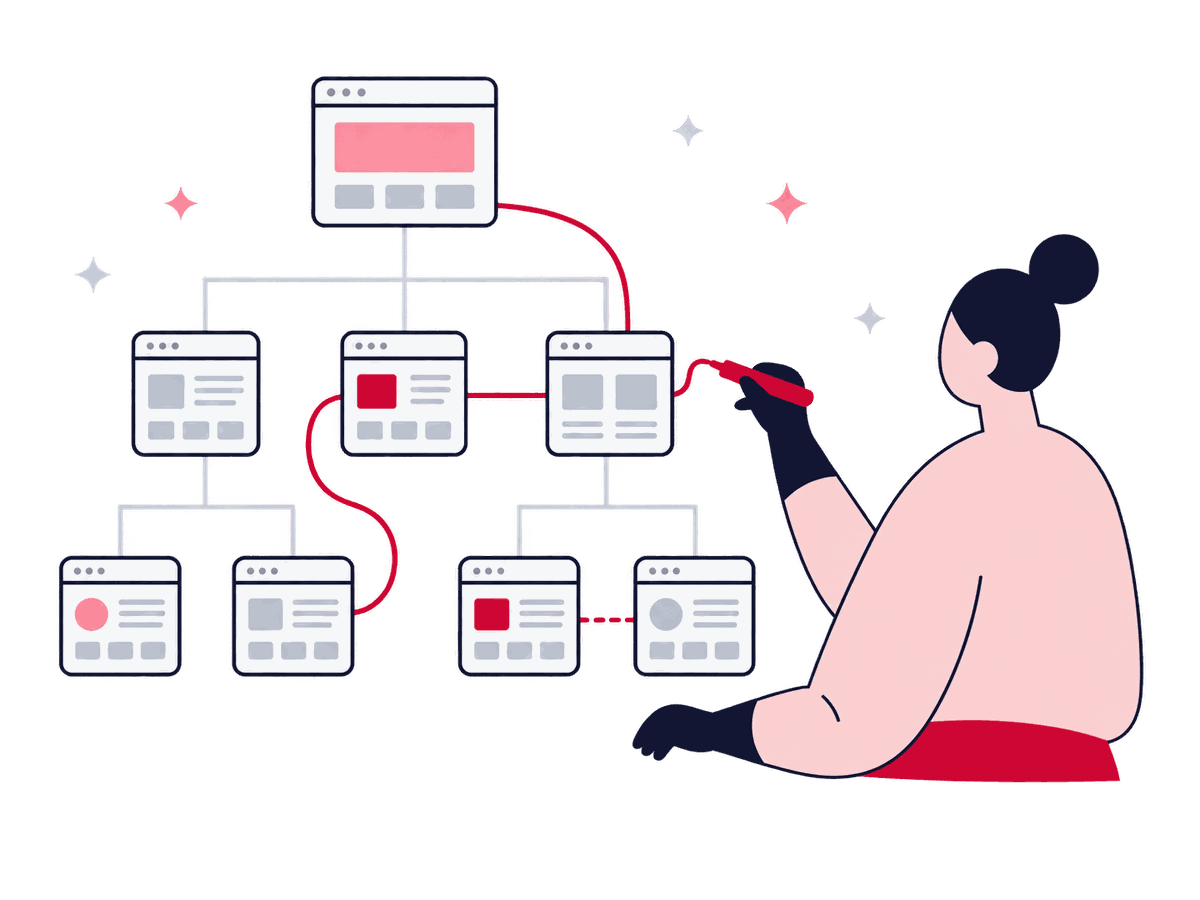

Complementary
Internal Linking Strategy & Implementation
A freshly updated page is also the natural moment to check whether its internal links still point at pages that changed along with it.
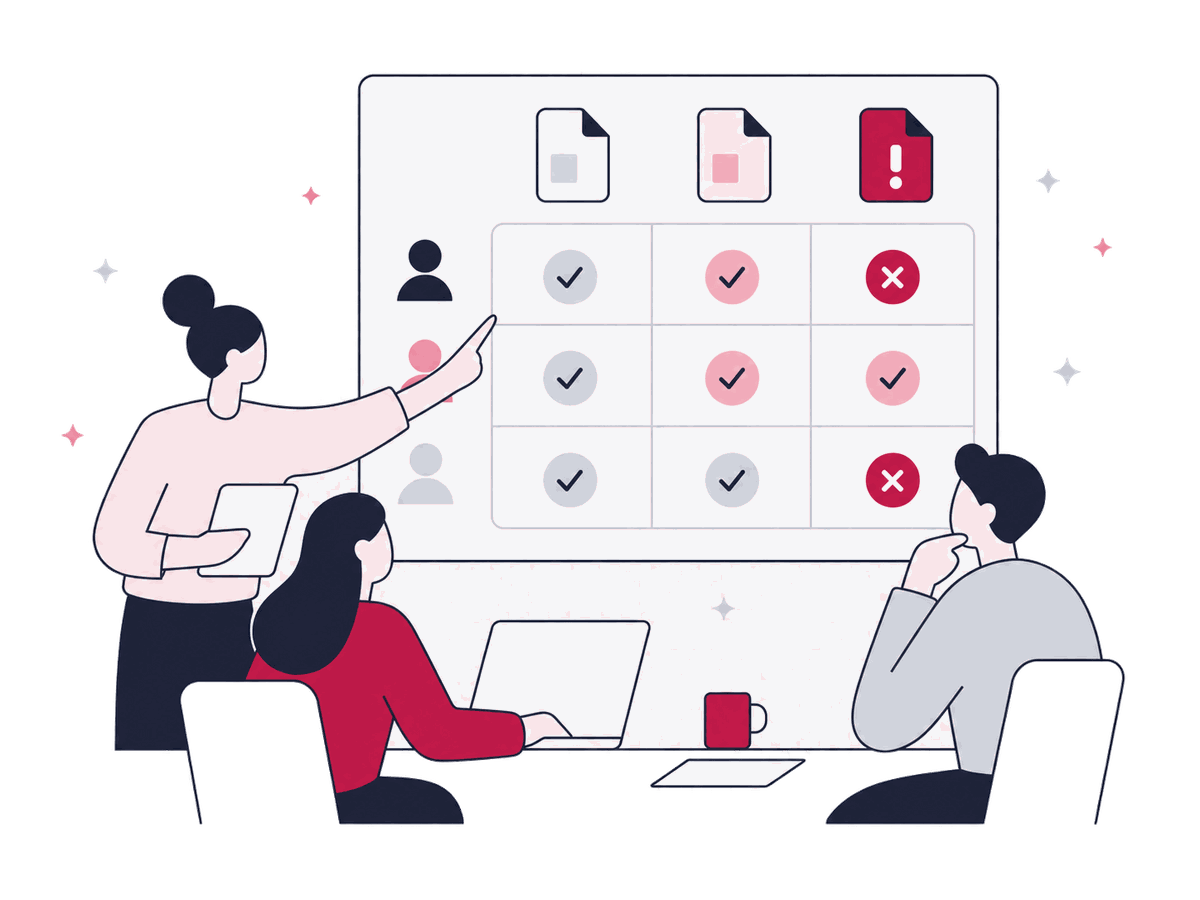

Alternative
Content Governance
If the real issue is that nobody agreed who's allowed to update a page in the first place, that's a governance question.
Start the work
Has a previously successful page started to decline?


Before we start