


Yusuf Hilmi, founder of Searchbase, joined us at our Digitalzone Exclusive Generative AI event. Here are the key points from Yusuf Hilmi's presentation.

Artificial intelligence has the potential to transform business efficiency and performance. After extensive research into use cases, interviews with experts, and a look at examples from around the world, one thing is clear: artificial intelligence is a major force in every sense, and it's only going to get stronger.
Artificial Intelligence as a Workforce
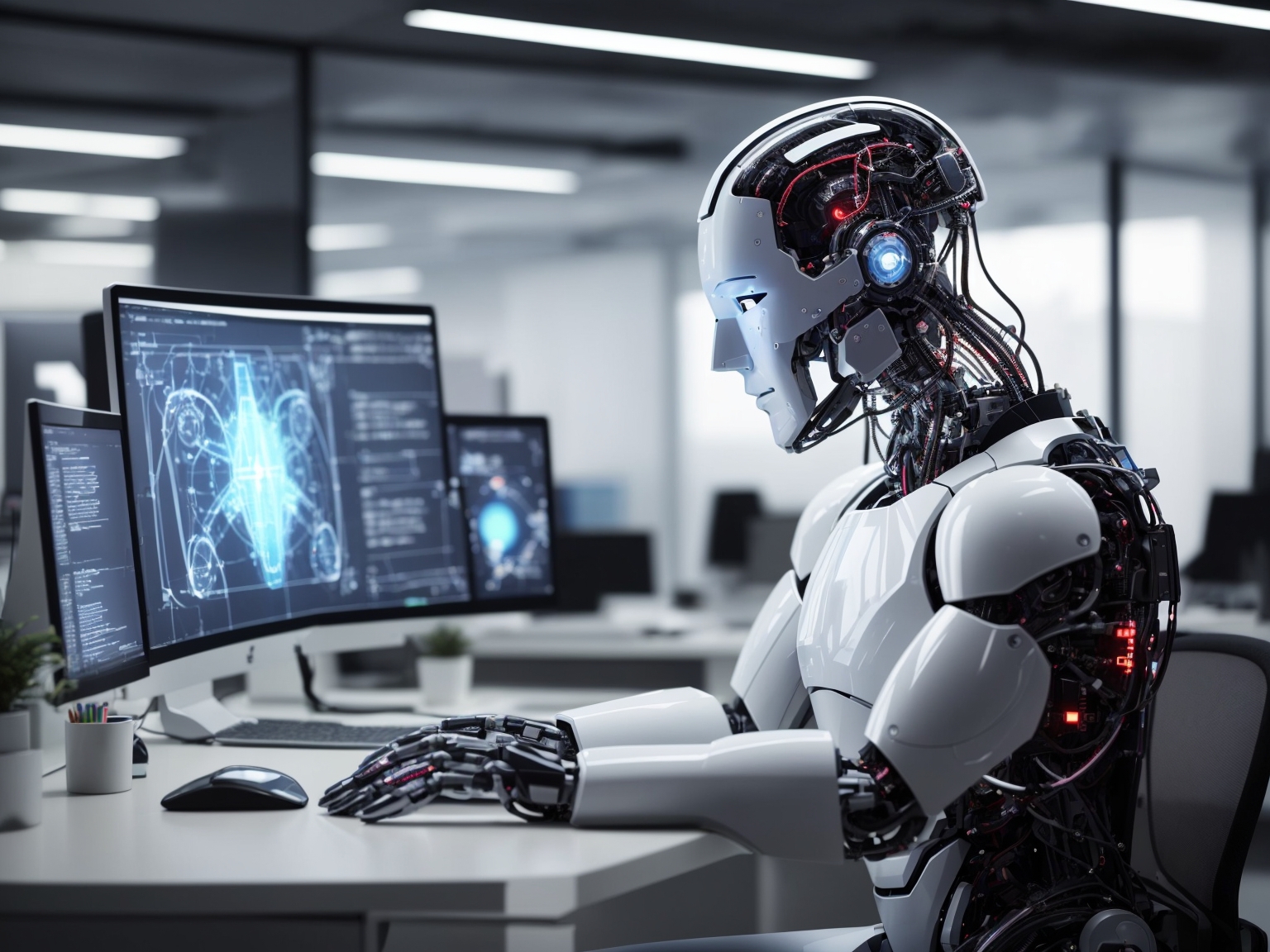
The biggest shift in how people view AI is seeing it as a kind of employee, rather than just a software tool that performs tasks. AI technology can handle analysis, prediction, recommendations, and plenty of other services. The AI system absorbs large volumes of data and keeps getting more capable at distinctly human skills like strategy and creativity, all in the service of automating repetitive tasks and increasing productivity.
Transforming Business Operations
Customer Support
AI chatbots can carry a basic conversation forward and solve common problems 24/7, while routing complex questions to human agents. Deep learning is what lets these chatbots meet support needs this well.
Sales and Marketing
AI plays a role in audience-targeted content generation, lead identification, and data-driven personalization, powered by voice and language processing models. You can find more detail in our blog post on the use of artificial intelligence in marketing.
Product Development
In new product development, AI can quickly build and test prototypes, spot problems, and suggest improvements.
Operations and Finance
Artificial intelligence systems help people make effective decisions by pulling out the important signals from large datasets. Predictive algorithms also strengthen forecasting and risk assessment.
Human Resources
AI-powered chatbots streamline recruitment and onboarding. They draw on datasets to surface behavioral insights and improve processes, and using AI technology across these workflows keeps them improving over time.
Advantages and Applications
Personalization: AI enables detailed personalization for large audiences through data-driven insight.
Increasing Expertise: Building on limited knowledge and experience, AI can raise a business's expertise and improve consistency across the organization.
Decision Making: Examining different datasets helps businesses make strategic decisions backed by hard data.
Prediction: Artificial intelligence processes many variables at once to produce fast, accurate predictions.
Creativity: AI can produce a wide range of content, visuals and text alike, blending creativity with human ideas.
Overcoming Adaptation Challenges
Getting the most out of AI comes with real challenges. Clean, accurate data, clear objectives, strong governance, security controls, technical infrastructure, and employee buy-in are all key considerations. AI adoption also raises real ethical questions around accountability and transparency. Beyond that, human oversight and a prioritized rollout can reduce risk across business processes.
The Future is Now!
AI adoption is still gradual, but its impact runs deep. AI can reshape business processes through efficiency, insight, and creativity, and folding that transformation into your own business will usher in a new era for it. If you want to understand AI technology in more depth, read "What is Artificial Intelligence Literacy? A Comprehensive Guide for Beginners" for more.
To watch Yusuf Hilmi's full talk and learn more, subscribe to our YouTube channel and watch it here!
This content was created by Nursena Küçüksoy, Marketing Specialist at Zeo.


