


Intelligent Document Processing
Document automation works only when extraction, business validation, human review, and downstream posting share one explicit control path from intake to reconciliation.
We turn document intake into a controlled workflow: classify the file, extract the fields, apply business checks, route uncertain cases to people, and reconcile what reaches the next system. Uncertain records stop at a person instead of reaching the next system, and the tested processing slice shows which threshold sends them there.

Some of the 500+ brands we've worked with
Selected brands we’ve worked with across industries.







 GeneraliGlobalCase Study









 OdeabankGlobalCase Study








































 Albaraka TürkGlobalCase Study




























On this page
The run order, and who signs each step off
How we work
The pipeline is built around representative documents, the business checks that matter, and what happens downstream if a check is wrong.
Define documents and fields
We review document samples and sources, group the formats into a taxonomy, and agree on the target field schema and downstream actions. The document owner confirms which document types the samples must cover.
Set validation and routing
We define field confidence, cross-field checks, privacy constraints, and the cases that must enter a human review queue. The document owner decides which fields can never pass without review.
Build the processing slice
We connect intake, classification, extraction, validation, review routing, and the bounded downstream action using the agreed schema. The system owner approves the connection before it reaches production.

Test drift and exceptions
We run the golden document set, test adverse and low-confidence cases, and check reconciliation when document templates or field patterns change. The document owner reviews flagged drift before it reaches downstream posting.


Named artifacts you keep
What you get
The deliverables describe both the document model and the operating response when confidence is not enough.
Architecture document
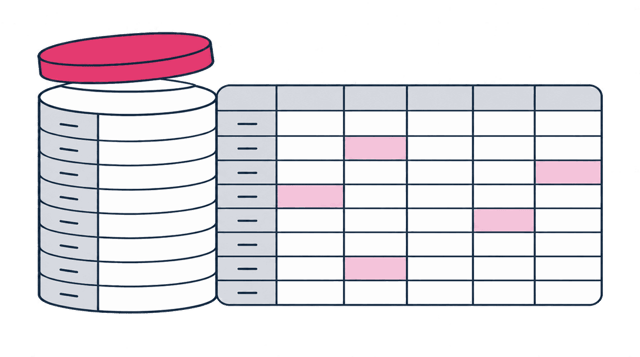
Document taxonomy and target-field map
The document groups, source notes, required fields, formats, and downstream destinations used to design the pipeline.
Dataset
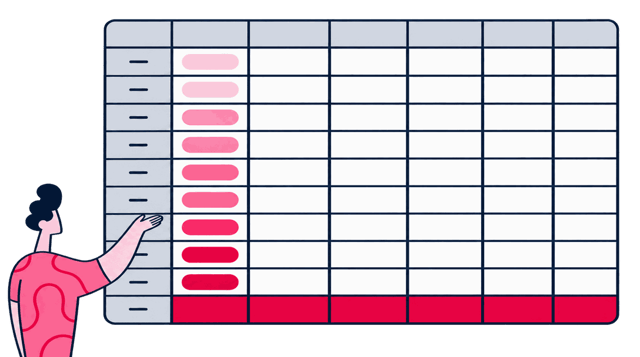
Golden-document validation rule inventory
A representative test set paired with field, cross-field, and business validation rules.
Risk register
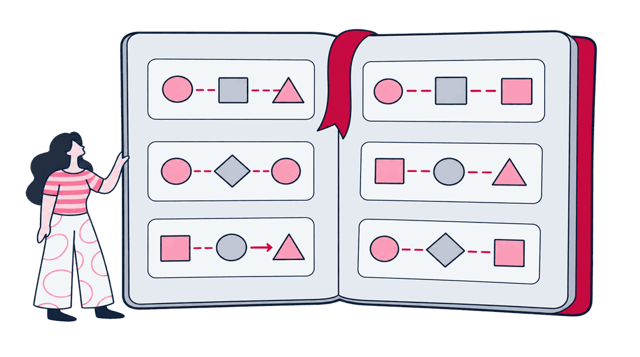
Consequential-case review and escalation plan
The queue design for low-confidence, conflicting, or consequential cases, including ownership and escalation.
Playbook
Downstream posting contract and operating notes
The data contract, posting behavior, reconciliation checks, and operating steps for the connected system.


Scope and honest limits
When to bring us in
High-volume document flows fit best here, especially when formats, required fields, and exceptions vary.
A good fit when
- Document intake covers several formats and sources, but nobody has grouped them into the taxonomy the pipeline needs before it can route a file correctly.
- Your business rules identify consequential fields, yet reviewers still decide inconsistently which uncertain cases should enter the human queue.
- You measure extraction quality today, but routing behavior and downstream reconciliation still leave critical errors hard to explain.
- Source samples keep arriving under inconsistent labels, so the target field schema cannot be agreed until the document taxonomy is explicit.
- Field confidence exists for each value, but cross-field business checks still fail to send conflicting records into review.
- The golden document set passes on familiar templates, while drift in field patterns can still reach the downstream system unnoticed.
- A human review queue receives uncertain files, yet ownership and escalation are too vague for the operating team to resolve them consistently.

Better handled as other work when
- You want every document type to pass automatically, although new templates and consequential fields still require their own review rules.
- Uncertain data must post straight into the next system. This work routes those cases through the agreed review path.
- You need someone to procure source documents or run the production queue. Those operating duties require a separately scoped service.
If one of these is closer to your situation, start here instead: View the parent service
Engineers who ship production AI
This is the part of Zeo that writes and ships code. Our senior engineers build agents, chatbots, and RAG pipelines, along with the automation and data work around them, and they keep operating those systems once they're live. We've worked with more than 500 brands since 2011.

Yiğit Konur
Founder & Chief Strategy Officer

Can Mutioğlu
Senior SEO Executive

Burak Pehlivan
Co-founder & CEO

Mehmet Aktuğ
Co-Founder & COO

Ezgi Gülsen Yaylı
SEO Manager

Elif Naz Akan Karakoç
Senior SEO Executive

Aybüke Göktuna
Senior SEO Analyst
Content we've produced on this topic
Tools we use
Tools behind this work
 Microsoft Azure AI
extracts form, layout, table, and field structure from incoming documents
 Datadog
monitors queue growth, validation failures, and downstream reconciliation issues
 Guardrails AI
applies business-rule validation before extracted data moves downstream
 Label Studio
routes uncertain documents and disputed fields into human review
 Jupyter
analyzes field accuracy, confidence thresholds, and drift by document slice
Adjacent work
Where this leads
Build
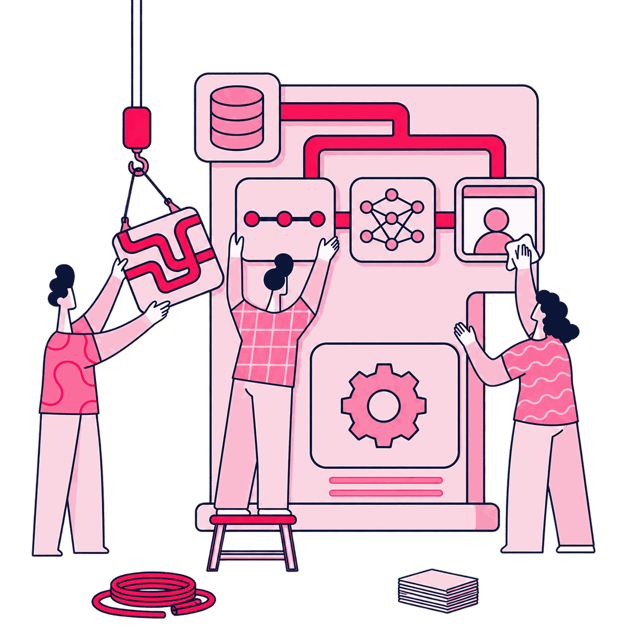
AI Workflow Automation
Extraction ends at the posting contract. Everything the record then triggers, including approvals, monitoring, and whether those steps need AI at all, is decided in the wider workflow build.

Advisory
AI Process Discovery & Automation Assessment
The sample set only helps if someone can say which document types carry the volume. When that is guesswork, the observed workflow and its exception counts settle it first.
Build
Agentic Process Automation
Reviewers who clear the queue often make a judgment call that varies per file. Delegating that call means an approved action list, an exception owner, and a reconciliation check behind it.


Next step
Start with real documents

Before you decide