


Zeo delivery method
Google Business Profile Optimization
The live profile says what the approved location record says, every accepted edit carries a reason and an owner, and nothing unresolved is quietly smoothed over.
A Business Profile can look complete while getting the details that matter wrong, outdated hours, a vague category, an untracked edit someone else made, and send customers to the wrong place. We confirm the real location record and its owner, reconcile every live profile against it, and publish updates carefully, with a documented reason and an owner behind every accepted change. We maintain each eligible profile as an accurate record of the real location, supported by approved updates, visible evidence, and a clear process for access or policy problems.

Some of the 500+ brands we've worked with
Selected brands we’ve worked with across industries.







































 Yolcu360GlobalCase Study










On this page
Stages and gates
How we do it
We start with the business record, so every profile edit has a factual basis before anyone makes a visibility case for it.
Confirm the real location and its owner
We confirm that each profile represents an eligible business and agree on the authoritative record for its public name, address or service area, phone, main URL, regular and special hours, categories, and service availability. We also document who owns the profile and who can resolve access or policy issues. The profile owner confirms which record is authoritative and names the people who can resolve access or policy issues before the sheet is locked.
A profile truth sheet covering included locations, exclusions, approved facts, access status, accountable owners, and the conditions that would stop the work.

Reconcile the live profile with the record
We compare the current profile, recent edits, users, categories, attributes, services, products, media, posts, messages, and status with the approved source. Missing, stale, conflicting, duplicate, or policy-sensitive fields stay linked to their evidence rather than becoming automatic fixes. Your local marketing owner decides whether a flagged difference is a real correction or a harmless variation before it reaches the discrepancy view.
A dated discrepancy view that separates confirmed corrections from questions that need a location, legal, operational, or platform decision.

Build an update plan that tells the truth
We review local query and visible competitor evidence alongside the profile record, then propose categories, attributes, services, media, messages, and conversion paths that accurately represent the location. Each proposal is accepted, rejected, or deferred with a reason. Competitor usage never overrides the business facts. The profile owner accepts, rejects, or defers each proposal on its own merits and vetoes anything the competitor evidence suggests but the business record cannot support.
An approved update calendar showing what will change, why it belongs, who will publish it, and which verification or policy signal would pause the release.

Publish carefully and monitor the result
The authorized owner publishes reviewed changes in controlled batches and keeps before-and-after evidence. We then check live fields, qualified local actions, edits from other users, rejections, suspensions, reinstatements, and recurring discrepancies before deciding whether to keep, adjust, expand, or stop the work. The authorized owner decides whether to keep, adjust, expand, or stop the release based on the observed results, including any suspension or policy signal.
A change and incident log recording what went live, how the profile responded, any confounding changes, and the named next decision.



AI cross-checks and watches; the profile owner decides what the business record can support.
AI cross-checks the proposed name, category, hours, and service area against previous exports, compares the live profile's categories, attributes, services, and media with the approved record and groups recurring discrepancy types across edit and contributor history, drafts candidate category, attribute, and service-description changes pre-linked to the record they must match, and monitors published fields and incoming suggestions in batches for rejections, suspension signals, or recurring discrepancies. It publishes nothing on its own. We do not create locations, service areas, categories, services, reviews, opening hours, or business-name keywords the approved record cannot support, we do not claim or alter profiles without authorization or work around verification and suspension controls, and we do not promise local-pack positions.
Deliverables and acceptance
What you get
A maintained profile record and a change history you can trace. Generic optimization tips are freely available elsewhere.
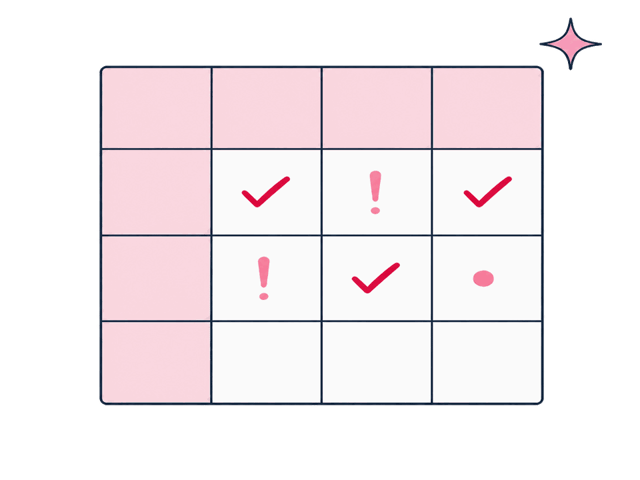
Decision matrix
Profile truth sheet

Brief
Category & field rationale
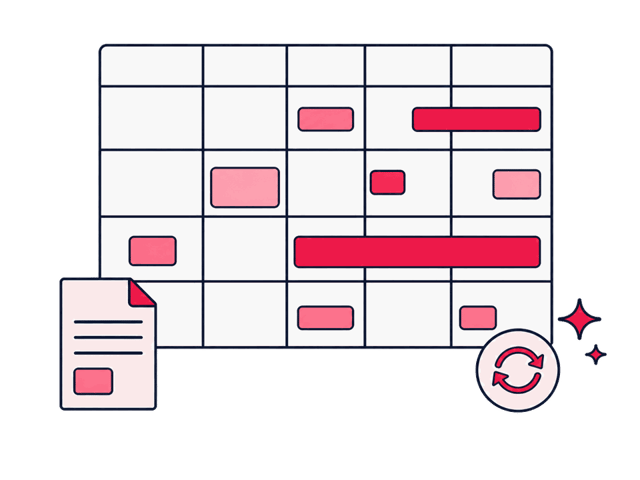
Content calendar
Approved update calendar
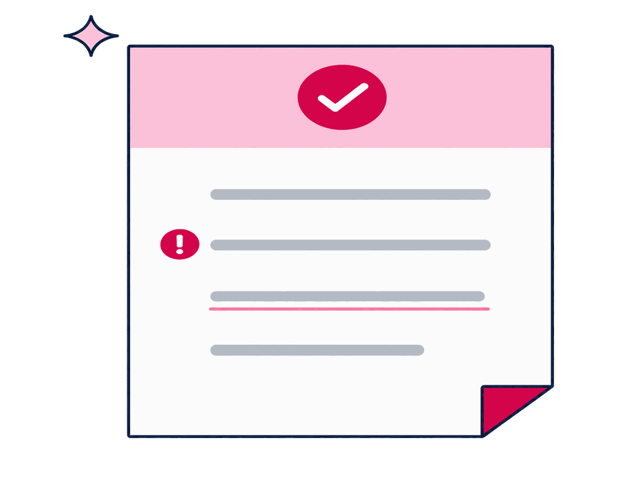
Audit report
Change and incident log


We call it done when: The truth sheet, field rationale, update calendar, and incident log are done when every eligible location is tied to owner-approved facts, access status, exclusions, and an accountable person, every proposed change traces back to the location record and its local evidence, every accepted, rejected, or deferred edit has a publisher, release order, check, and stop condition before it reaches the live profile, and live results, policy events, and reversals stay traceable with the next owner decision named.
Fit and readiness
When you need this
This work is a good fit when your profile acts as a shared storefront, but nobody owns the complete record behind it.
A good fit when
- You manage one or more eligible locations and need to check the public name, address or service area, phone, URL, hours, categories, services, and media against an approved record.
- Profile fields have drifted over time, and nobody can tell which edits the team approved, which came from outside suggestions, or which were rejected or reversed.
- You want accurate profile improvements to support qualified calls, bookings, website visits, or direction requests, without treating visibility by itself as success.

Better handled as other work when
- The plan relies on a virtual office, fabricated location, unsupported service area, or keywords added to a business name that are not part of its verified public name.
- Nobody can confirm the location details, grant verified access, or take responsibility for the verification, suspension, policy, and customer-data decisions involved.
If one of these is closer to your situation, start here instead: Local SEO
We call it done when: The live profile matches the approved location record, every accepted change has a reason and an owner, unresolved discrepancies remain visible, and someone is assigned to the next review or incident action.
The specialists behind this SEO work
Zeo's SEO work goes back to 2006, when we started what we call the first SEO blog in the MENA region. The consultants shown here are doing that work today, matched to what this page covers.

Samet Özsüleyman
SEO Manager

Ozan Ketenci
VP of Consulting & Strategy

Hande Parmaksız
SEO Manager

Ruhan Tiryaki
Senior SEO Analyst

Yağmur Bayram
Sr. SEO Analyst

Sena Önder
Senior SEO Executive

Ali Özgün Öz
SEO Executive

Bensu Tınastepe
Senior SEO Analyst

Zafer Yıldız
Web Analytics Manager

İlker Emir
Senior Performance Marketing Executive

İpek Ezer
Performance Marketing Executive

Onur Durdağı
Performance Marketing Executive

Sevda Yurtvermez
Performance Marketing Team Lead

Serap Yurtvermez
Performance Marketing Team Lead

Abdullah Tanıdır
Performance Marketing Team Lead
Content we've produced on this topic
Tools we use
Tools behind this work
 Semrush
local query patterns and category evidence for review
 Google Business Profile
live field reconciliation, edit history, and profile status checks
 BrightLocal
profile audit, competitor context, and recurring discrepancy tracking
 Local Falcon
map-grid visibility checks around the genuine service area
 Yext
Yextmulti-location fact control and publisher overwrite detection
 Google Analytics
tagged profile visits and qualified website action checks
Where this fits
Related services

Local SEO
Local Citations & Directory Listings
Verified Google Business Profile NAP details provide the authoritative baseline synchronized across external directories and citation platforms.
Local SEO
Local On-Page & Landing Pages
Google Business Profile website links point to dedicated local landing pages containing matching location schema and address data.

Local SEO
Review Strategy & Reputation Signals
Customer review velocity and owner response workflows directly influence local map pack rankings and search conversion rates.


Next step
Take control of your location information

Before we start