


A graph you can actually stand behind
Entity Relationship Mapping
A graph of the people, products, and organizations the brand can accurately claim as connected, with a source and a time range behind every line. The attractive connections don't get a free pass.
Records the brand controls provide the candidate relationships. We keep an edge only when an exact source supports it, and legal or privacy reviews anything sensitive before publication. Your public entity graph shows only connections backed by a source document. Legal and privacy owners review sensitive edges before they ship. Data governance and content leads who need the parent, product, and founder connections agreed once so every page works from the same answer.

Some of the 500+ brands we've worked with
Selected brands we’ve worked with across industries.














 MeteksanGlobalCase Study




 VisperaGlobalCase Study























On this page
From records to approved edges
The review path for each proposed edge
Raw records first produce candidate edges. Identity, source, privacy, and ownership checks then determine which ones named people approve for the public graph.
How we hold ourselves to it
- Source behind every edge
- Direction and time range
- Private stays private
- Draft until approved
Set entity and privacy boundaries
Before proposing relationships, we agree which entity types belong in scope and which fields are off-limits. Domain, privacy, and legal owners approve the scope and the excluded data before work continues.
An approved entity scope with sensitive-data exclusions named up front.

Normalize names and identifiers
One reconciled name and identifier is agreed for each organization, product, and person before any relationship is attached. The accountable fact owners select the canonical value or mark a field disputed with a review date.
A canonical entity inventory with every alias and collision flagged.

Map only evidence-backed relationships
Documents, contracts, or public records must support both entities before the relationship receives a direction and time range. Domain, privacy, and legal owners approve every material relationship. Any edge based on inference stays unresolved.
A relationship graph where every edge traces to an exact source.

Attach provenance and an accountable owner
A named owner becomes responsible for updates when a relationship changes, an acquisition closes, or a product is discontinued. Data governance and content owners confirm the accountability and update duties before sign-off.
Every node and edge tagged with source, confidence, and a named owner.

Approve the graph and the change process
Named owners approve the graph and its update process together. Completing the model still leaves the publication gate intact. Graph, privacy, legal, and publishing owners approve the version and the governed process for future changes.
A versioned public entity model, plus the rule for how it changes next time.



A graph, plus a provenance rate
The graph and its evidence record
The CMS handoff includes an implementable graph and a provenance rate showing how many public connections have adequate source support.
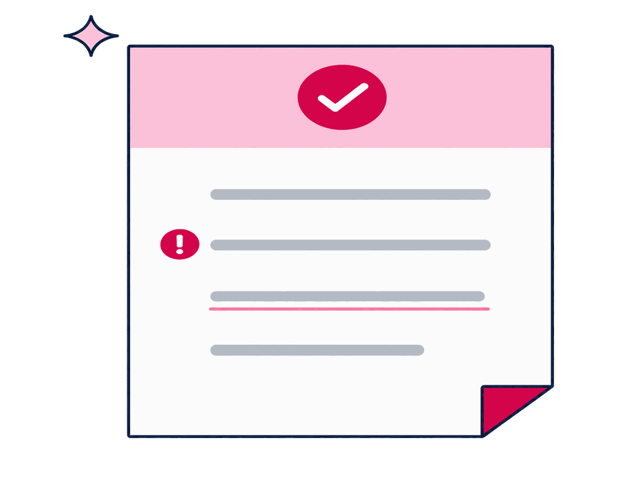
Approved public entity model
A versioned set of entity types, nodes, attributes, and explicit exclusions signed off by the domain owners.
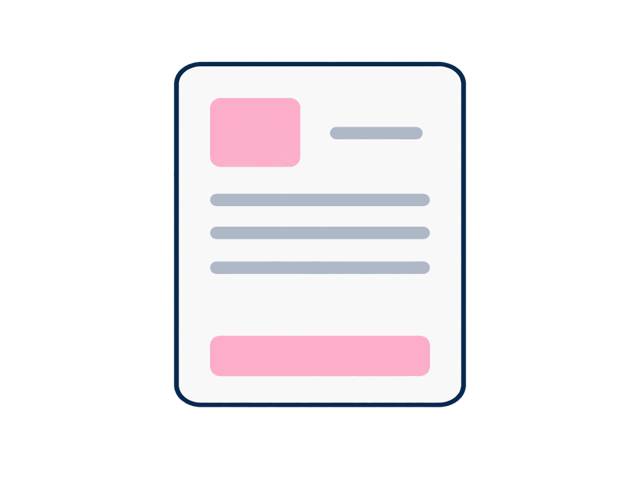
Knowledge graph map
Shows which connections are ready to implement, which remain uncertain, and which have to stay private.
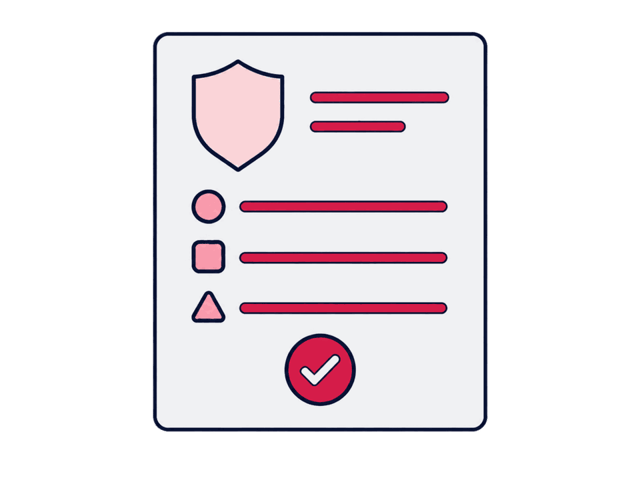
Fact governance spec
Canonical identifiers, fact ownership, freshness triggers, and a conflict-resolution process that keeps the graph useful after the first snapshot.

Relationship provenance rate
A sparse graph with sourced edges is stronger than a dense one full of guesses. This metric rewards the sourced graph.
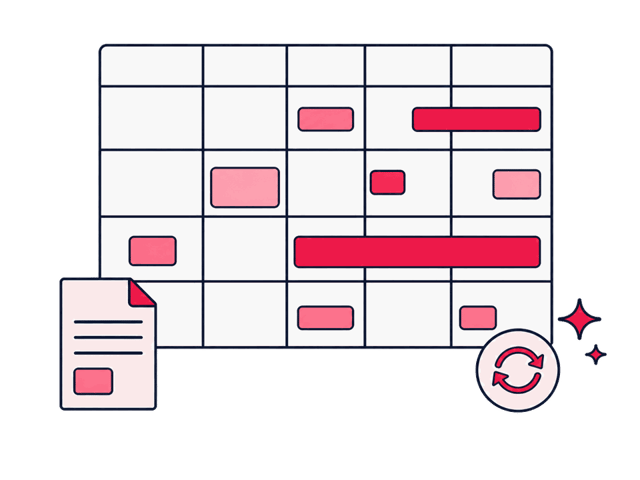
Relationship refresh schedule
A relationship that was true last year doesn't get assumed true this year without a refresh, and each edge already carries the owner who runs it.


When connections stay invisible
When your entities exist but nothing connects them
The parent company, acquired product line, and founder's other venture may each be documented somewhere. The missing piece is a public, sourced account of how they relate.
A good fit when
- The facts live in separate systems — The CRM holds the parent-subsidiary structure, the CMS holds the product line, and the press page names the founder.
- A relationship is obvious inside, invisible outside — The team knows Product X belongs to Brand Y, and no public page says so.
- Teams disagree on what's canonical — Marketing calls it a subsidiary, legal calls it a wholly owned entity, and the website names none of it.
- You already have a clean canonical identity — This method assumes settled namesakes and aliases, so unresolved ones go to Entity Inventory & Disambiguation.
- Privacy boundaries come before any modeling — Business boundaries and records that should never become public knowledge get flagged before modeling starts.
- Each edge needs its own evidence — A "founded by", "subsidiary of", or "formerly known as" edge carries its direction, time range, and source.
- Draft relationships wait for approval — A candidate stays a draft until an accountable owner signs off, however plausible it looks.

Better handled as other work when
- A knowledge-panel guarantee is the goal — The graph documents what is true and public, and it forces no panel, sitelink, or "people also ask" entry.
- Unsupported edges stay out — Only sourced connections belong in the public graph. Speculative edges create liability and carry no evidentiary value.
- You want a private relationship shown — Confidential partnerships, unannounced acquisitions, and personal relationships stay out, whatever discoverability they add.
People who watch how AI cites a brand
GEO work starts with recording what AI answers actually say about a brand today, then moves to the parts you can influence. The consultants below work on the specific capability this page covers.

Samet Özsüleyman
SEO Manager

Elif Naz Akan Karakoç
Senior SEO Executive

Hande Parmaksız
SEO Manager

Sinem Bakır Yavaş
Senior SEO Executive

Sena Önder
Senior SEO Executive

Gülşah Şahin Özkan
Senior SEO Analyst

Ataberk Yüzat
SEO Executive

Ali Özgün Öz
SEO Executive

Aybüke Göktuna
Senior SEO Analyst

Bensu Tınastepe
Senior SEO Analyst

Ruhan Tiryaki
Senior SEO Analyst

Yağmur Bayram
Sr. SEO Analyst

Emir Kağan Kahveci
SEO Analyst
Tools we use
Tools behind this work
 Schema App
builds the sourced relationship edges themselves, as structured connections
 InLinks
expresses an approved edge as markup on the owned page, once a person has approved it
 Google Knowledge Graph Search API
a quick diagnostic check on what relationships Google's index currently shows
 Wikidata
already models an edge with a reference and a time range, the exact shape this page requires
 Diffbot
proposes candidate edges from public sources, each returned with the page it came from
 Airtable
tracks each proposed edge's source and legal or privacy review status before publication
Nearby methods and services
Parent capability
Entity & Knowledge Graph Optimization
The capability page gives this mapping work its wider identity and relationship architecture.

Prerequisite
Entity Inventory & Disambiguation
Resolve the entity's identity before mapping its connections.
Natural next step
Knowledge Graph & Schema Architecture
Once relationships are approved, this is where they become machine-readable markup.


An edge without a source stays a draft
Settle the relationships your public record should show
