


SEO & Conversion Copywriting
Direct Response Copywriting
Write for one measurable response, then judge the copy by what the audience did rather than how the draft sounded in review.
A direct-response brief names the action first, then builds the message from earlier performance, objections, and the real terms of the offer. Claims pass through the people who own the risk, and the live response decides what stays. You walk away with copy approved by everyone who owns the risk, live in its channel, and measured against the response target it was written for.

Some of the 500+ brands we've worked with
Selected brands we’ve worked with across industries.


On this page
How we run it
How we build copy around one response
The workflow keeps the message focused on one measurable ask while named reviewers check evidence, consent, and claims before release.
Define the action before drafting
Before drafting, we define the audience, channel, and single response that will count as success: one click, one reply, or one purchase. A strategist locks the one measurable action and audience before a word gets drafted.
A single defined action, audience, and channel for the copy to target.

Review the evidence already available
We gather prior response data, known objections, successful messages, and failed ones. The draft begins with what the audience has already shown us. The draft can rely only on prior data a strategist has judged trustworthy.
An evidence pack of prior performance, objections, and channel constraints.

Draft the offer, proof, and next step together
We draft the offer, the support for it, and the next step as one message. Claims and conditions go into the first draft, where a reviewer can see them. The editor keeps only proof claims the evidence can support. Unproven ones get flagged instead.
A first draft with message, proof, and call to action in place.

Check consent, disclosure, and claim rules
Every channel has its own rules for consent, disclosure, and claims. We resolve those requirements before release rather than after a complaint. Whoever owns compliance for this channel has to personally clear every flagged claim before the draft moves on.
A compliance-checked draft with any flagged claims resolved.

Record approval from each risk owner
Conversion, legal or compliance, and the client's release owner approve the package before launch, with each sign-off recorded. The client's release owner signs off in person. Nobody rubber-stamps this step.
An approved copy package ready to ship, with sign-off recorded.

Measure the response against the original target
After launch, we compare the response with the original target and state when the available data is still too limited for a sound conclusion. An analyst decides when there's enough data to draw a real conclusion. A dashboard on a timer cannot make that call.
A measurement note on response, with a confidence level attached.



Fast variants still need named approvers
An approved offer can support several subject lines, openings, and calls to action, and agents make that drafting work faster. The evidence pack sets the boundary for every version. Legal or compliance reviews the claims, the channel owner checks consent, and your release owner makes the launch call. Any of them can stop the work. That control matters most when pressure for a stronger response makes an unsupported line look tempting.
What you get
What you receive after approval
The package includes the copy itself, the approvals behind it, and the measurement record used to assess the response.
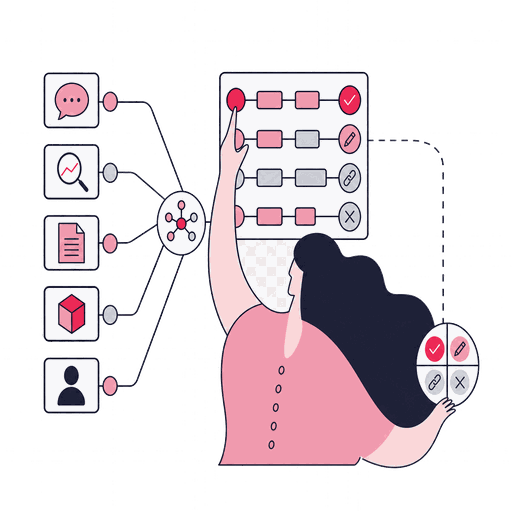
Offer and evidence brief
A concise record of audience objections, earlier results, channel constraints, and the verified terms of the offer.

Approved response-copy package
The core message, supporting proof, call to action, and approved channel variants, with risk-owner sign-off attached.
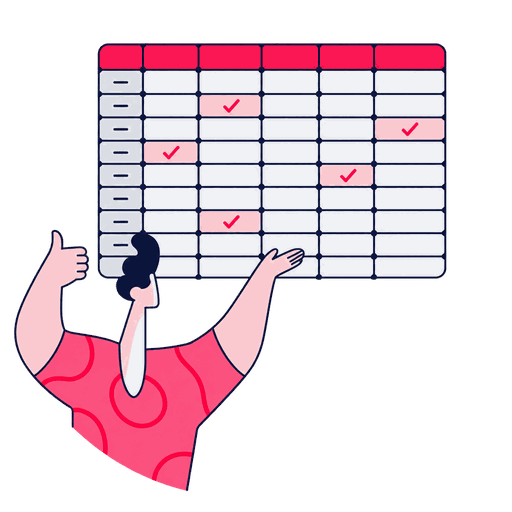
Response measurement record
The observed response compared with the original target, including the confidence level and any limits on interpretation.


We call it done when: the copy is approved by everyone who owns the risk, live in its channel, and being read against the original target rather than a hope.
Who it fits
The copy has one measurable job
This method is for copy with one trackable action, whether that is a click, reply, or purchase. If the response cannot be observed, the method cannot do its job.
A good fit when
- The copy has to earn one trackable action, but the current brief still treats awareness as the only way to judge whether it worked.
- Earlier response data exists across campaigns, but nobody has pulled the results, objections, and failed messages into one evidence pack.
- The channel has named owners for consent and claims, but the draft still needs their approvals recorded before release.
- Variants are still being judged by how the draft sounded in review, but you want the live response against the recorded target to decide which one stays.

Better handled as other work when
- The brief relies on manufactured urgency, hidden terms, or unsupported proof, so the offer and evidence need separate review before copy begins.
- No risk owner can review the claims before release, so the draft would reach the channel without the approval record this method requires.
- A guaranteed conversion rate is required from the copy, so that expectation has to be resolved before a response-copy brief can be scoped.
People who write and ship this content
Some of these consultants write the pages themselves. Others plan distribution or check how a piece performs once it's live, so the team below covers more than one stage of the work.

Hande Parmaksız
SEO Manager

Metehan Urhan
New Business & Partnership Manager

Sena Önder
Senior SEO Executive

Elif Naz Akan Karakoç
Senior SEO Executive

Sinem Bakır Yavaş
Senior SEO Executive

Didem Himmetli
Marketing Executive

Gülşah Şahin Özkan
Senior SEO Analyst

Ali Özgün Öz
SEO Executive

Ruhan Tiryaki
Senior SEO Analyst

Yağmur Bayram
Sr. SEO Analyst

Bensu Tınastepe
Senior SEO Analyst

Emir Kağan Kahveci
SEO Analyst

Ozan Ketenci
VP of Consulting & Strategy
Tools we use
Tools behind this work
 VWO
VWOsettles which offer wins by the one action that was defined as success, not by a vote in review
 Anyword
flags a weak headline or CTA before it burns any real audience
 Grammarly
keeps required disclosure language exact before legal ever sees the draft
 Google Analytics
measures the one defined action against the number set before drafting began
Where this leads next
Methods connected to Direct Response Copywriting

Upstream
Email Copywriting
Often the channel this copy runs in, worth lining up first if email is where the action happens.

Downstream
Executive Ghostwriting
A different register entirely, useful once you're building trust over time.
Complementary
Website Copywriting
The page surrounding a direct-response offer still needs its own headlines and body copy, a separate job this other method covers.


Start the work
Have one action the next piece of copy needs to earn?

Before we start