


Agentic Process Automation
An agentic workflow is ready only when every action sits inside an approved decision boundary, leaves a trace, and has a tested exception, reconciliation, and stop path.
We build the process around an agent that can choose only approved actions. Permissions, exception queues, reconciliation, and a tested stop path stay with it, then your operating owner takes over. Your process owner can run the tested workflow, check the operating brief for permissions, open exceptions, and stop steps, read the failure findings, and name the next review date.

Some of the 500+ brands we've worked with
Selected brands we’ve worked with across industries.







 GeneraliGlobalCase Study









 OdeabankGlobalCase Study








































 Albaraka TürkGlobalCase Study




























On this page
The run order, and who signs each step off
How we work
Nobody relies on the agent on faith. Before release we make its choices, permissions, side effects, and human interventions inspectable.
Agree decisions and authority
Representative cases set the decision charter: the agent’s job, allowed actions, approval points, exception owners, and the conditions that end a run. The process owner decides which actions the agent may take alone.

Build the scoped workflow
We connect the agent’s decision logic, permitted tools, dependencies, approvals, exception queue, and reconciliation checks into the thinnest useful process slice. Every action has to leave a trace. The engineering lead approves the wiring before it can touch production tools.

Challenge decisions and failures
We run cases that cover both the expected path and the adverse ones, to investigate unsupported requests, missed exceptions, unavailable dependencies, and situations where the agent lacks enough evidence to act. The exception owner reviews every critical failure before it is marked closed.

Stage the handoff
For handoff, we assemble the workflow, the operating evidence, open conditions, review triggers, and the stop procedure for the owner who will supervise it. The person you put in charge accepts the handoff and picks the date for the next check-in.



Named artifacts you keep
What you get
Together these artifacts show what the agent may do, what happened in testing, and who takes responsibility next.
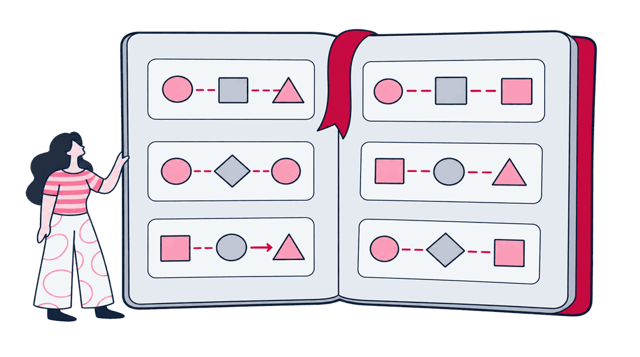
Playbook
Agentic workflow operations and stop-path plan
The workflow's permission boundaries, approvals, exception paths, reconciliation behavior, and instructions for operating or stopping it.
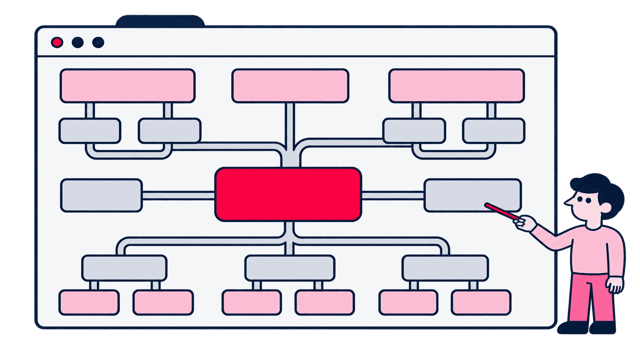
Architecture document
Workflow inputs and dependency inventory
The examples, sources, assumptions, system dependencies, unresolved questions, and access conditions behind the workflow.
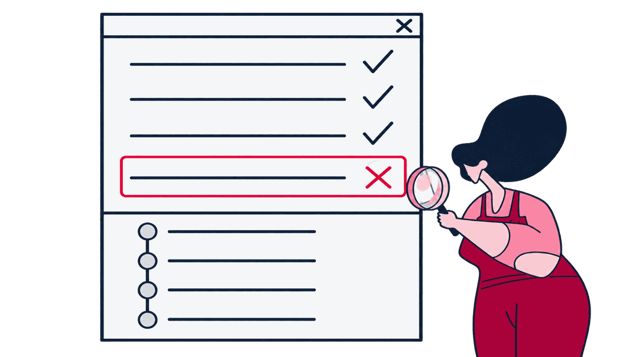
Test evidence
Adverse-case and exception findings report
Results from normal, adverse, and exception cases, including failures that need containment or retesting.
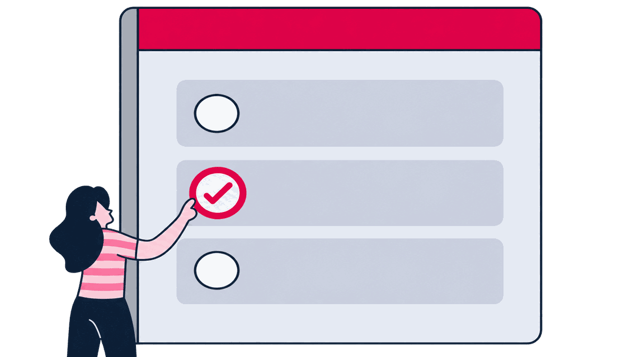
Decision record
Residual-issue permissions and operating-owner brief
The accepted conditions, residual issues, permissions, operating owner, review date, and next action.


Scope and honest limits
When to bring us in
The best candidate is a process where the next step varies enough to need an agent, but the possible actions still form a small, reviewable set. Anything consequential stays with a named person.
A good fit when
- The decisions vary from case to case, but the agent still needs a small, explicit set of actions it may take without approval.
- The representative cases exist, yet current constraints, unavailable dependencies, and new exception types have not been run through one workflow.
- Exceptions reach different people today, so nobody can see who approves a permission, closes a failure, or accepts the operating handoff.
- An agent can choose among approved actions, but the boundary between what it may do alone and what must stop for a person is still unwritten.
- The workflow connects tools and dependencies, while reconciliation, fallback, and exception queues still behave differently when a system fails.
- Normal decisions work in the demo, yet adverse cases have not shown whether unsupported actions, missed exceptions, and broken handoffs stay visible.
- A staged release is planned, but the operating owner still lacks the evidence, review triggers, and stop procedure needed to take over.

Better handled as other work when
- You want the agent to pursue open-ended autonomy without fixed permissions, escalation, or a responsible owner. This build is bounded by design.
- You expect the agent to accept residual risk, widen its own scope, or approve release. Those calls remain with the people named in the workflow.
- You need production operation or broader tool access beyond the agreed systems. Both require a separate scope.
If one of these is closer to your situation, start here instead: View the parent service
Engineers who ship production AI
This is the part of Zeo that writes and ships code. Our senior engineers build agents, chatbots, and RAG pipelines, along with the automation and data work around them, and they keep operating those systems once they're live. We've worked with more than 500 brands since 2011.

Burak Pehlivan
Co-founder & CEO

Can Mutioğlu
Senior SEO Executive

Yiğit Konur
Founder & Chief Strategy Officer

Ozan Ketenci
VP of Consulting & Strategy

Ataberk Yüzat
SEO Executive

Didem Himmetli
Marketing Executive

Deniz İmre Temiztürk
Content Specialist
Content we've produced on this topic
Tools we use
Tools behind this work
 CrewAI
structures agent roles, allowed decisions, and collaboration boundaries
 n8n
n8nconnects approved agent actions to systems, queues, and reconciliation steps
 Langfuse
traces each automated run across tools, state, and exceptions
 Datadog
monitors workflow health, failures, queue growth, and stop-path activation
 Guardrails AI
validates agent decisions and action payloads before execution
Adjacent work
Where this leads
Build
AI Workflow Automation
When the decision charter narrows to a fixed set of allowed actions, an agent is the wrong shape. Assign each decision to a rule, AI, or a reviewer instead.

Build
Intelligent Document Processing
The agent's first input is often a scanned file, so its permitted actions rest on extracted fields. Field confidence and cross-field checks have to settle before it acts.

Advisory
AI Process Discovery & Automation Assessment
Representative cases have to exist before we can bound what the agent may do alone. Where teams still describe the process differently, the observed workflow map comes first.


Next step
Scope the agent before launch

Before you decide