


Security design review · Threat model
AI Threat Modeling
Threat modeling works when each consequential trust change leads from a credible attacker path to an owned control, runnable test, residual-risk state, and review trigger.
We follow data, models, tools, identities, permissions, and people across the points where trust changes. Credible attacker goals and misuse cases then lead to a control, a test someone can run, an accountable owner, and a condition for reopening the risk. With a trust-boundary map and open-threat log, your risk owner can see which paths are controlled, tested, accepted, or still unresolved.

Some of the 500+ brands we've worked with
Selected brands we’ve worked with across industries.







 GeneraliGlobalCase Study









 OdeabankGlobalCase Study








































 Albaraka TürkGlobalCase Study




























On this page
The run order, and who signs each step off
How we work
We begin with how the system is meant to work, compare that view with the evidence available, and then follow credible attacks until each priority threat reaches an owned control or remains an explicit gap.
Draw every consequential trust change
We review intended use, architecture, data flows, model and tool dependencies, identities, permissions, protected assets, known incidents, and planned changes. The first diagram marks each point where another actor or component receives trust. Your architecture owner confirms the system view and the trust hops it contains.

Follow the attacker through the boundary
We work from attacker goals and misuse cases through assets, entry points, trust changes, existing controls, and likely impact. Likelihood and impact stay tied to evidence, while unknown conditions remain marked as unknown. The priority among the threats is your security lead's call.

Give priority threats something runnable
Each priority threat is connected to a control and an executable test. When no adequate control or test exists, the missing link remains visible and becomes a decision rather than a polished row in a register. The relevant control owner confirms that the test exercises the threat it is meant to address.

Record the open risk
We document mitigation choices, accountable owners, residual risk, and the events that should reopen the model. Your risk owner decides what can be accepted now and what must remain open. Your risk owner accepts the residual risk or keeps the item open.



Named artifacts you keep
What you get
The outputs work as one evidence chain. A reviewer can start at a trust boundary, follow an attack path to its control and test, and then see who owns the risk that remains.
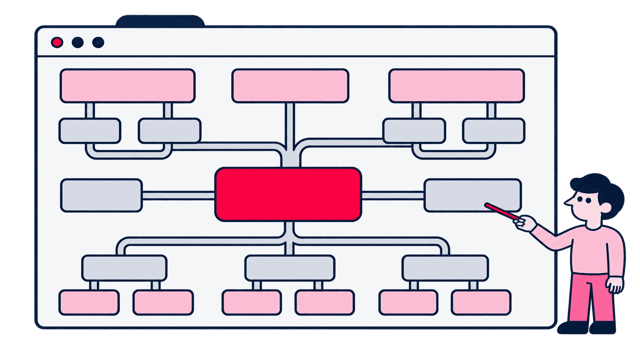
Architecture document
Trust-boundary and system-flow map
The agreed assets and actors, with the routes followed as data, models, tools, identities, and permissions cross trust boundaries.
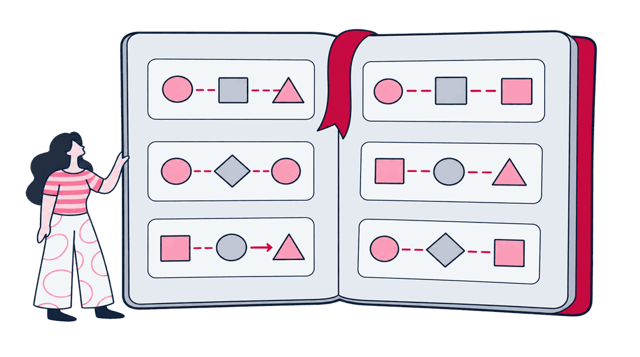
Playbook
Attacker-goal and abuse-path dossier
Attacker goals, misuse cases, entry points, affected assets, likelihood, impact, evidence, assumptions, and existing controls.
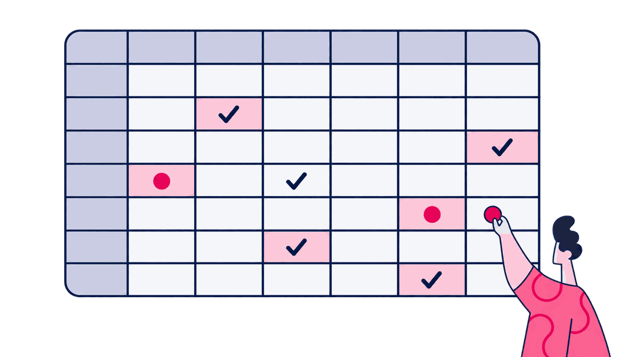
Matrix
Priority threat-to-control test map
The trace from each priority threat to its control, executable test, owner, and any unresolved gap.
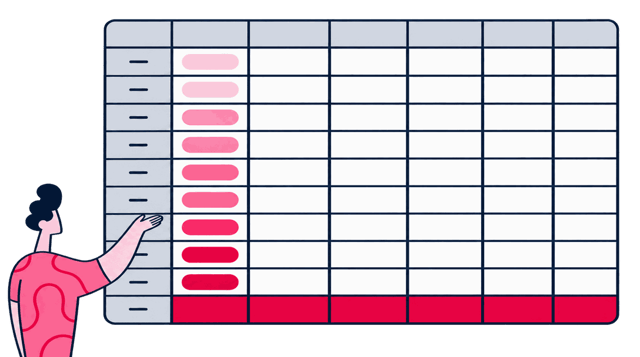
Risk register
Open-threat mitigation and review log
The mitigation choice for each open threat, who owns it, the exposure left, and the date or event that returns it to review.


Scope and honest limits
When to bring us in
Run this while the architecture can still move. Once an untested assumption is embedded in permissions, data flows, or tools, change gets harder.
A good fit when
- Data, models, tools, identities, and people cross trust boundaries, but nobody has reviewed the resulting paths as one system.
- Threats are listed, yet no control owner has a runnable test showing whether each priority path is addressed.
- Residual-risk choices are approaching, but no named owner has set which threats take priority or what change should reopen the model.
- Your assets and data flows are documented, while model dependencies, tool calls, identities, permissions, and trust boundaries remain split across sources.
- Credible attacker goals exist, but nobody has followed each misuse case from its entry point through controls to likely impact.
- Priority threats have proposed controls, yet the executable tests, accountable owners, residual risk, or review triggers are missing.
- Assumptions and evidence gaps are known, but nobody has decided which need an architecture change now and which require a later security test.

Better handled as other work when
- You need the threat model to carry legal, regulatory, audit, or certification approval. Those judgments remain with your qualified authority.
- You need complete attacker coverage, although the trust-boundary map can document only credible paths supported by the reviewed system state.
- You need the missing controls implemented, but threat modeling stops after each open gap has an owner, risk state, and runnable test path.
If one of these is closer to your situation, start here instead: Explore security and red teaming
We operate the systems we test
It's hard to test a system well if you've never had to keep one running. We operate production AI ourselves, so our evaluation, security testing, and LLMOps work starts from what actually breaks. The people on it are senior engineers, and Zeo has been doing client work since 2011.





Tools we use
Tools behind this work
 Traceloop
the production trace showing whether a modeled trust boundary matches real behavior
 IriusRisk
generates the diagram from text first, then derives the threat model
 Mindgard
the executable test that turns a priority threat into a runnable check
 Lakera Guard
the observed-attack telemetry a threat model's attacker goals get grounded against
Adjacent work
Where this leads

Assurance
Prompt Injection & Jailbreak Testing
Identified prompt injection threat vectors establish the attack library executed during automated adversarial testing.

Assurance
AI Red Teaming
System architecture threat maps guide red team operators in identifying vulnerable integration seams and exfiltration paths.

Assurance
Secure AI Architecture Review
Threat modeling surfaces component-level exposure, directing structural hardening in network isolation, token handling, and storage.


Next step
Trace the attack path early

Before you decide