


Architecture assurance · Evidence review
Secure AI Architecture Review
Diagrams assert that a boundary is isolated, logged, or recoverable. We follow each claim across identities, data, models, and tools for one agreed design state, then compare it with the evidence that exists.
Architecture diagrams often state that a boundary is isolated, logged, or recoverable. We follow those claims across identities, data, models, and tools, then compare them with the evidence available for one agreed design state. Open exceptions return with owners and the checks required for closure. Open exceptions come back with owners and the check each one needs to close, and your architecture and risk owners decide which stay accepted and which are deferred.

Some of the 500+ brands we've worked with
Selected brands we’ve worked with across industries.







 GeneraliGlobalCase Study









 OdeabankGlobalCase Study








































 Albaraka TürkGlobalCase Study




























On this page
The run order, and who signs each step off
How we work
We fix the architecture version first, follow each important security claim to its available support, and leave every finding with an owner and a specific condition for another review.
Fix one architecture state for review
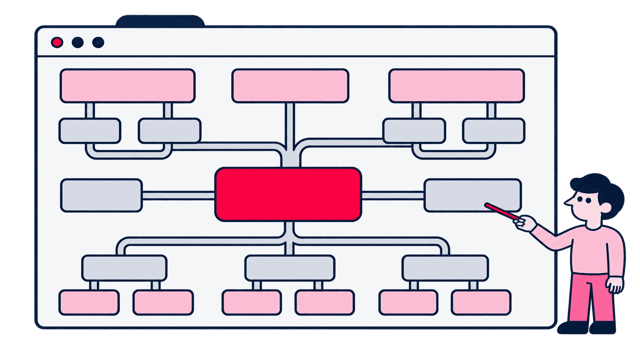
We assemble the current diagrams and records for trust boundaries, identities, permissions, data flows, model and tool access, isolation, logging, and recovery. Missing or conflicting material remains a review item instead of being reconciled by assumption. Your architecture owner confirms that the fixed view contains the systems consequential to the decision.
Ask what supports each design claim
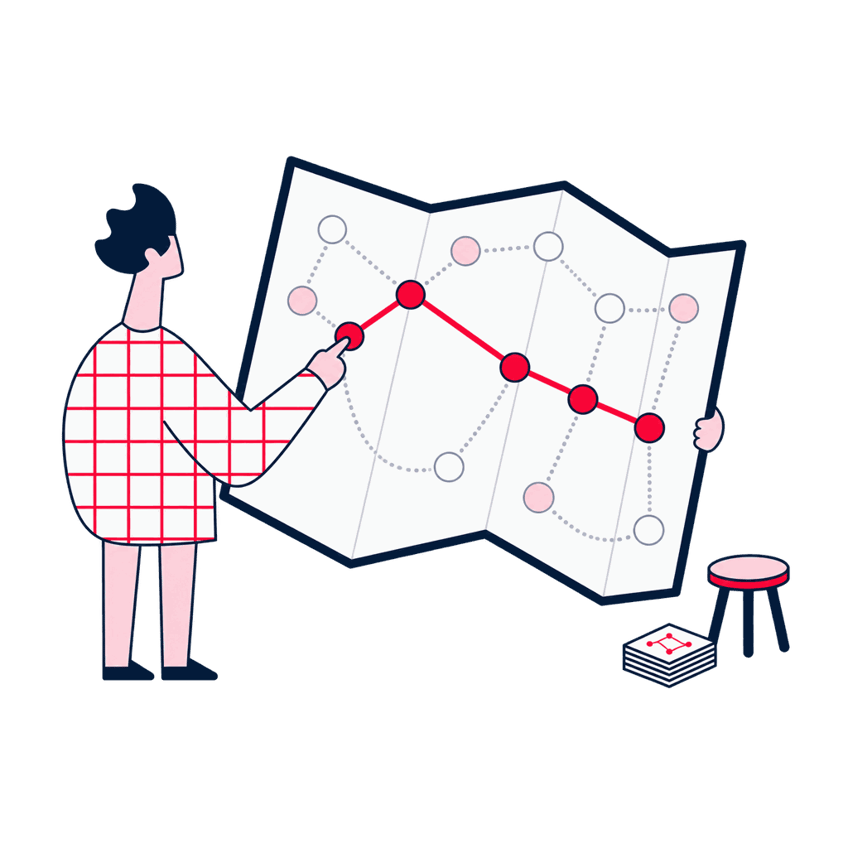
Every material claim is read beside representative examples, current constraints, baseline evidence, dependencies, and known exceptions. The register identifies the source and states plainly where a conclusion still relies on an assumption. Our review lead decides whether the evidence is sufficient for the claim or whether it stays unresolved.

Work through credible design failures
We examine representative cases involving access, isolation, logging, recovery, models, tools, and data flows. Each finding names the affected boundary, evidence considered, exception state, and decision it calls for. A specialist confirms which findings warrant remediation or an explicit risk decision.
Define what closure will look like
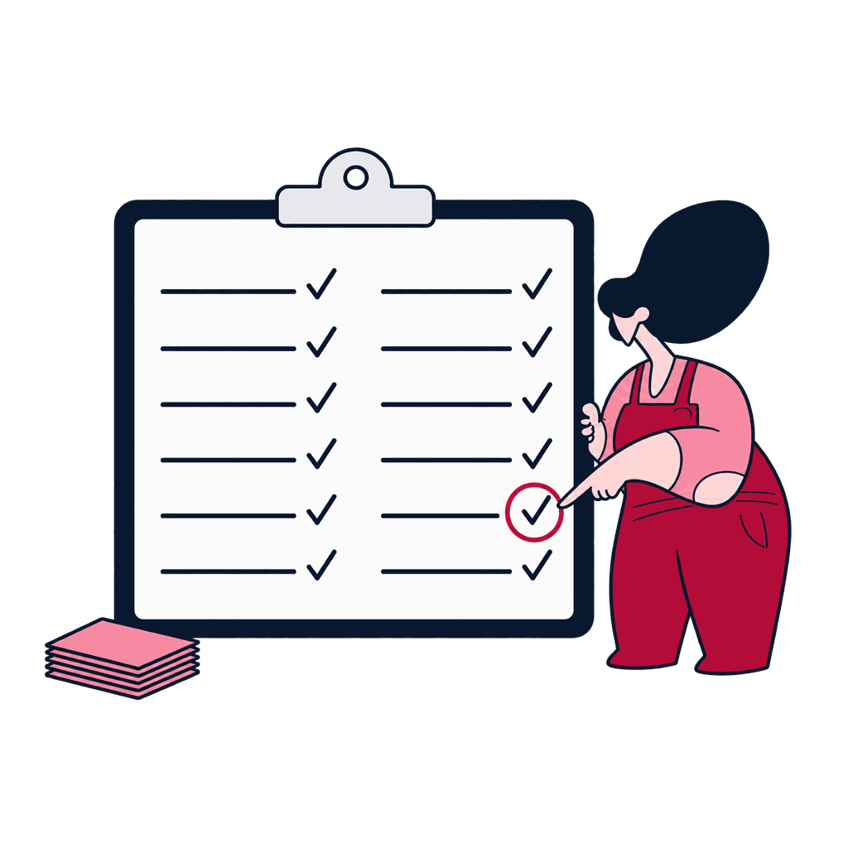
Every open item receives an owner, acceptance condition, and the evidence or test needed for another decision. Your architecture and risk owners then accept, reject, or defer the finding. Your architecture and risk owners make the accept, reject, or defer decision.


Named artifacts you keep
What you get
Reviewers can move from a finding to the evidence behind it, see which assumption or exception remains open, and identify exactly what has to happen before closure.
Architecture document
Security architecture findings and retest plan
Findings across trust boundaries, identities, data flows, model and tool access, isolation, logging, and recovery, with the retest route for open items.
Risk register
Reviewed sources and the claims still waiting on evidence
Reviewed sources, explicit assumptions, system dependencies, current constraints, and questions still waiting on evidence.
Report
Failure-case notes and the gaps they exposed
Representative failure cases, the evidence considered, exceptions raised, and critical gaps taken into the acceptance discussion.
Decision record
Closure brief for the accepted and deferred findings
Accepted and deferred findings, the people responsible, remaining exposure, and the next review or stop point.


Scope and honest limits
When to bring us in
Bring this review in before an AI design reaches production or after a live design changes how models, data, identities, or tools interact.
A good fit when
- Two diagrams of the same system disagree, and the people who could settle which one is current sit in different teams.
- Model or tool access changed after the last review, so isolation, logging, and recovery have not been examined as one system since.
- Someone can halt the release, but they are being asked to decide on a diagram rather than on evidence that the boundary holds.
- Trust boundaries, identities, permissions, data flows, and model or tool access were each drawn by a different team, and none of them meet on one page.
- A design claims isolation, logging, and recovery, yet nobody has asked what evidence supports each claim for the version running now.
- Credible failure cases have never been walked through the design, so acceptance conditions and exception owners are still implicit.
- A finding will need a defined closure condition, though today nothing says what evidence or control change would let it be reviewed again.

Better handled as other work when
- You need the architecture signed off as compliant. We report what the evidence supports for one design state, and that call belongs to your qualified authority.
- You want a guarantee that the design is safe or that no residual risk remains. A review reads evidence against claims and cannot promise either.
- You want the findings fixed and the system run for you. Remediation and production operation are separate commissions from this review.
If one of these is closer to your situation, start here instead: See security review options
We operate the systems we test
It's hard to test a system well if you've never had to keep one running. We operate production AI ourselves, so our evaluation, security testing, and LLMOps work starts from what actually breaks. The people on it are senior engineers, and Zeo has been doing client work since 2011.







Tools we use
Tools behind this work
 Amazon Web Services
the account configuration a boundary claim on AWS-hosted AI gets checked against
 Microsoft Azure AI
the Azure-side configuration a boundary claim on Azure-hosted AI gets checked against
 Datadog
the alert and log history a 'this is logged' claim gets checked against
 IriusRisk
generates a diagram from text, then derives the threat model from it
 Lakera Guard
the runtime enforcement point a claimed guardrail layer gets probed against
 Guardrails AI
the schema check run at the exact point a diagram marks as an output boundary
Adjacent work
Where this leads
Assurance
AI Threat Modeling
Architecture reviews evaluate systemic infrastructure components against the attack surfaces mapped during threat modeling.
Assurance
Prompt Injection & Jailbreak Testing
Architectural defenses such as guardrails and input token filters are tested empirically via automated injection suites.

Assurance
AI Red Teaming
Review recommendations harden network isolation and access boundaries before external red team engagements simulate live attacks.


Next step
Put each architecture claim beside its evidence

Before you decide