


Zeo delivery method
Local Citations & Directory Listings
Source control for your location facts: the directories that matter corrected from authorized evidence, with a record of what changed, what did not, and where the error will come back.
Directory listings rarely go wrong in one simple way. An old address sits beside the right phone number, a duplicate outranks the listing you actually own, or an upstream data source keeps reintroducing an error you already fixed. We trace every listing back to its source, prioritize corrections by what they actually cost you, and check whether a fixed error comes back before we call it closed. We find the sources that matter, correct material conflicts using authorized evidence, and give you a clear record of what changed, what did not, and where an error may return.

Some of the 500+ brands we've worked with
Selected brands we’ve worked with across industries.







































 Yolcu360GlobalCase Study










On this page
Stages and gates
How we do it
We treat citations as source control for location facts. Collecting the most directory links is a different game, and not a useful one.
Confirm the approved location record
We agree on the authoritative public name, address or service area, local phone number, canonical URL, hours, categories, identifiers, and legitimate historical variants for each location. Before anyone touches a listing, we also document ownership, exclusions, relocation or closure context, and escalation routes. The location owner decides which variants are legitimate and who is accountable for the record before anyone changes a listing.
A citation source-of-truth sheet that separates legitimate variants from material errors and assigns a named decision owner to every location.

Trace listings, duplicates, and data suppliers
We collect priority source URLs, listing identifiers, visible fields, ownership status, duplicate relationships, last-checked dates, and available correction routes. The inventory keeps the live evidence visible, so an aggregate tool score never becomes the only basis for a finding. Two records are only marked as duplicates once our local analyst has confirmed they are the same entity. A shared phone number or address does not settle it.
A dated citation inventory and duplicate map showing where facts match, where they conflict, and which records remain outside your direct control.

Prioritize corrections by their consequences
We assess each source by local or industry relevance, editorial control, visibility, customer value, propagation role, payment risk, and confidence in the entity match. We then order corrections by customer harm, source influence, ownership, and effort. The number of possible submissions is not a priority signal. Your team chooses an accepted, deferred, or rejected disposition for each item after weighing customer harm, payment risk, and source legitimacy.
A prioritized correction queue with accepted, deferred, rejected, and escalated items, each linked to its evidence and responsible owner.

Submit corrections and check for recurrence
Authorized owners claim or update first-party records and send source-specific corrections with before-and-after evidence. We recheck acceptances, rejections, merges, closures, downstream propagation, and reversions until every priority item has a documented outcome. An authorized owner decides whether a source that repeatedly republishes the same error warrants another correction cycle or should be escalated upstream.
A submission ledger and consistency report showing what changed, what a source refused, what returned, and where an upstream correction is still required.



AI traces the records and watches for reversion; authorized owners decide what gets submitted.
AI compares historical names, suite details, and formatting variants across past exports to flag differences that may be legitimate rather than typos, collects listing fields across hundreds of directory pages and groups likely duplicates by shared phone number, address, or identifier, scores each source's propagation reach and history of repeated errors so conflicts that spread rise above quick fixes, and rechecks priority sources on a schedule to identify where a corrected fact has quietly reverted. It submits nothing. We do not submit fabricated locations, false local numbers or addresses, unsupported categories, or listings for entities that do not exist, we do not create duplicates or pay for inclusion to raise a citation count, and we do not claim or change listings without authorization or pressure an independent directory to remove accurate information.
Deliverables and acceptance
What you get
Each location keeps a maintained chain of evidence. A spreadsheet would be out of date the week we handed it over.
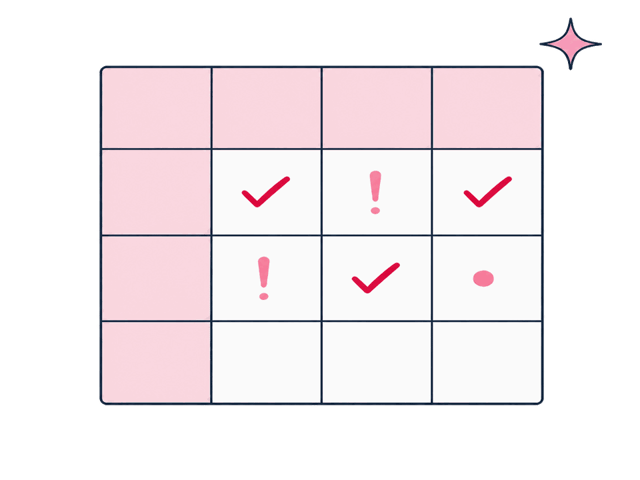
Decision matrix
Citation source-of-truth sheet
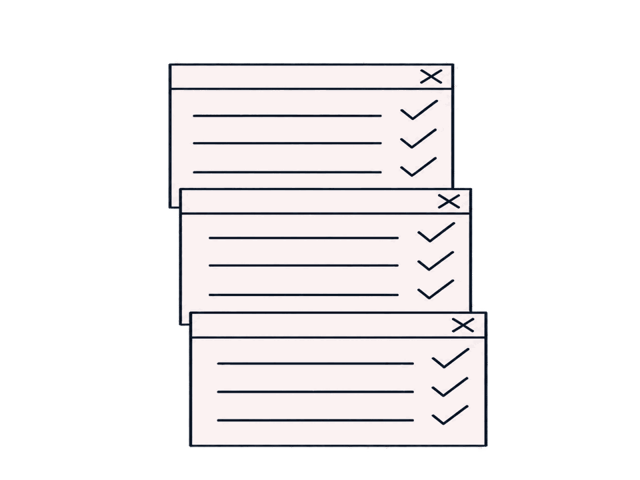
Prioritized backlog
Priority correction queue
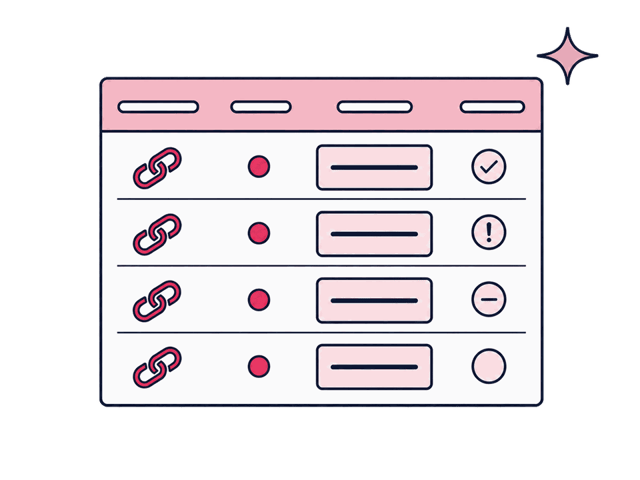
Link ledger
Submission evidence ledger
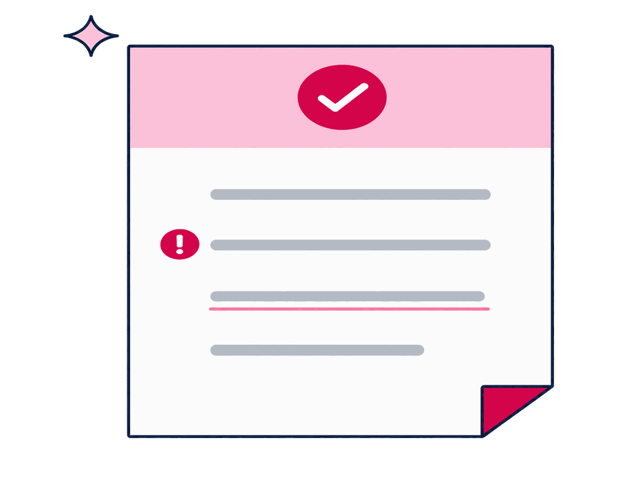
Audit report
Consistency validation report


We call it done when: The source-of-truth sheet, correction queue, submission ledger, and validation report are done when every physical location carries approved public facts, legitimate variants, exclusions, ownership, and rules for updates, moves, closures, and disputes, every queued item names its live source, material conflict, entity match, proposed action, confidence, owner, and escalation need, every claim, correction, merge, and closure retains before-and-after evidence with the authorized person responsible, and propagation delays and repeated errors are assigned to the next pass rather than assumed resolved.
Fit and readiness
When you need this
Inconsistent listings confuse customers, and there are always more directories than hours. The useful question is which sources to fix first.
A good fit when
- The directory and data supplier records disagree on names, addresses, service areas, phones, URLs, hours, categories, and IDs, so the source of truth is unclear.
- Duplicate, closed, moved, unclaimed, or previously valid listings exist, but there is no reliable identity map for deciding what to merge, update, close, or leave unchanged.
- Previous work left a long citation list, but no one knows which directories customers use, supply data elsewhere, or offer little value as targets.

Better handled as other work when
- The goal is to submit every location to as many directories as possible, including irrelevant or paid sources with no demonstrated value for customers or discovery.
- There is no owner-approved record for each location covering the public name, address or service area, phone, URL, hours, categories, identifiers, and legitimate historical variants.
If one of these is closer to your situation, start here instead: Local SEO
We call it done when: Priority sources either match the approved location facts or carry a documented disposition, duplicates have a safe next action, every submission can be traced, and recurring upstream errors have an owner.
The specialists behind this SEO work
Zeo's SEO work goes back to 2006, when we started what we call the first SEO blog in the MENA region. The consultants shown here are doing that work today, matched to what this page covers.

Sinem Bakır Yavaş
Senior SEO Executive

Ruhan Tiryaki
Senior SEO Analyst

Ali Özgün Öz
SEO Executive

Sena Önder
Senior SEO Executive

Bensu Tınastepe
Senior SEO Analyst

Yağmur Bayram
Sr. SEO Analyst

Emir Kağan Kahveci
SEO Analyst

Metehan Urhan
New Business & Partnership Manager

Zafer Yıldız
Web Analytics Manager

İlker Emir
Senior Performance Marketing Executive

İpek Ezer
Performance Marketing Executive

Onur Durdağı
Performance Marketing Executive

Sevda Yurtvermez
Performance Marketing Team Lead

Serap Yurtvermez
Performance Marketing Team Lead

Abdullah Tanıdır
Performance Marketing Team Lead
Tools we use
Tools behind this work
 Moz
Mozaggregator distribution checks for errors that keep returning
 SE Ranking
directory status monitoring across locations and review cycles
 BrightLocal
citation inventory, duplicate flags, and material NAP conflicts
 Whitespark
relevant directory discovery and competitor citation source comparison
 Yext
Yextdirect publisher distribution and listing overwrite checks
 Google Business Profile
first-party map record and duplicate identity confirmation
Where this fits
Related services

Local SEO
Google Business Profile Optimization
Consistent NAP citation data across primary business directories reinforces the location trust signals displayed on Google Business Profiles.
Local SEO
Local On-Page & Landing Pages
Directory profiles link directly to localized branch landing pages, passing referral authority and geographic signals to on-page assets.

Local SEO
Review Strategy & Reputation Signals
Third-party directory listings host verified customer feedback, expanding reputation signals beyond search engine map packs.


Next step
Find the directory errors worth correcting

Before we start