


Marketing and sales activities need to be monitored and measured. As businesses have moved more of their work online, performance measurement has moved with them. Website and campaign data now play an especially important role for marketing teams. In this article, I explain 10 marketing metrics, what they mean, and how to measure them. If you want to evaluate your websites and campaigns but aren't sure where to begin, this guide is a practical starting point.
Website Traffic
Tracking your website traffic is fundamental to marketing and sales measurement. More traffic can create more opportunities to attract new leads. Total website traffic combines visits from sources such as social media, referrals, direct traffic, and organic search. As a high-level KPI, it helps you assess your website's overall performance and plan your next steps.
How to Measure?
Google Analytics can help you track website traffic and related statistics.
When you go to the "Acquisition" section in GA4, you can see your website's traffic and other statistics.
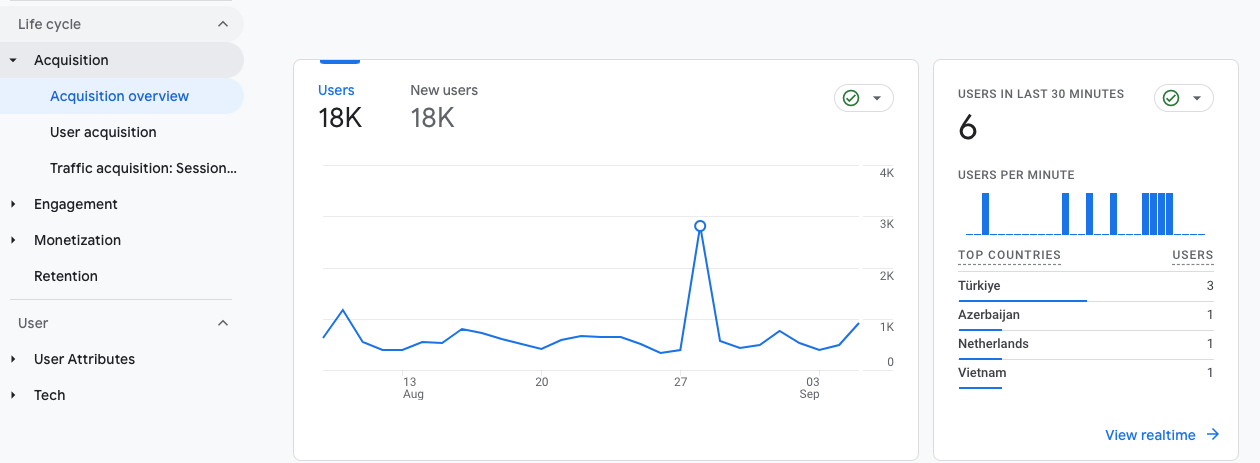
Traffic by Channels
Breaking website traffic down by channel shows which sources bring in the most visits and helps you plan channel-specific strategies. The categories below explain how users reach your website:
Direct Traffic
Direct traffic comes from people who enter your website URL directly into their browser. They reach your site without using a search engine or another referral channel. A strong level of direct traffic can indicate high brand awareness and visitor loyalty.
Organic Traffic
Organic traffic shows how many people reached your website through a search engine. When consumers use search engines to find a term, the links between paid ads in the results are organic search results. To improve organic traffic, you can optimize your website and maintain your SEO efforts on an ongoing basis.
Social Media Channels
Another way for users to visit your website from different sources is through social media channels. Traffic from these channels includes clicking on posts and ads from your social media accounts.
Referrals
Consumers can come to your website by finding and clicking on a link on another website. This can happen through guest authorship, influencer marketing, or partnerships with other businesses.
How to Measure?
GA4 allows you to see the source of traffic to your website. Google Search Console is also a platform you can use to analyze your organic traffic. In addition, if you use an analysis program in your business, that program can also provide you with this information.
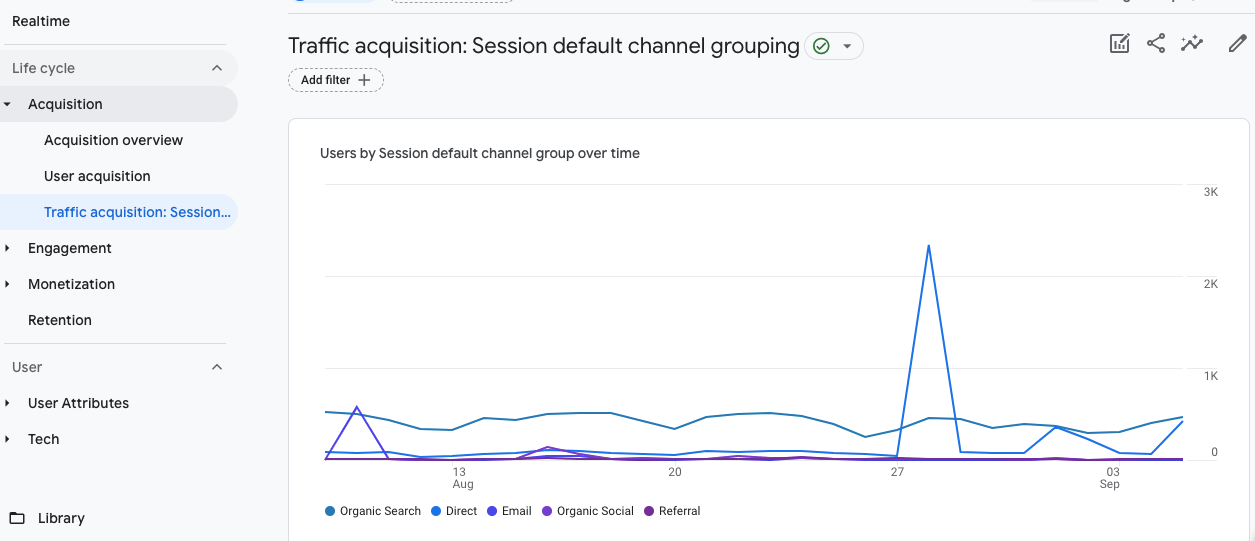
In GA4, you can examine your traffic data by channels in the "Traffic acquisition" section under Acquisition.
Engagement Metrics
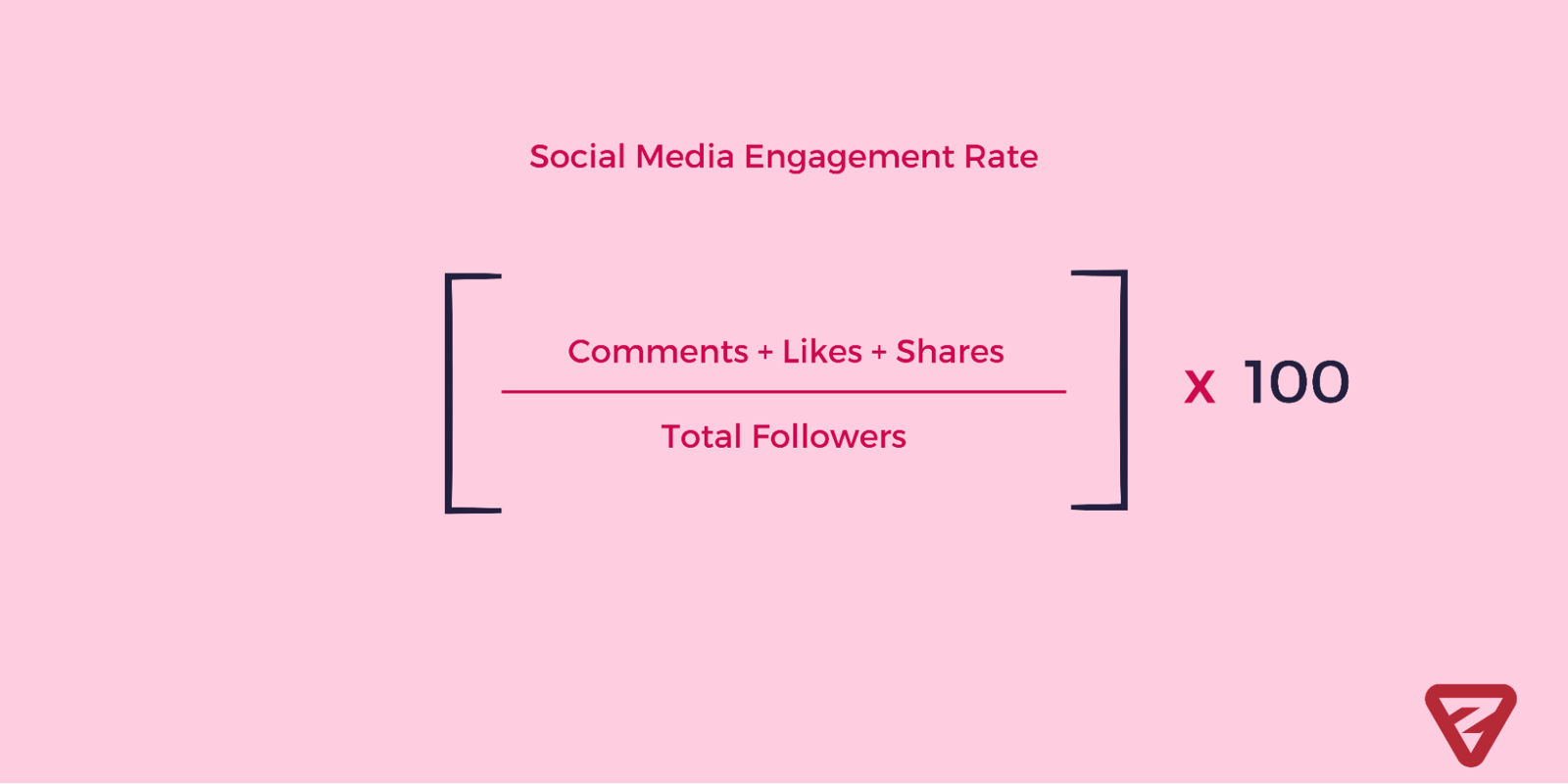
Engagement Rate shows how engaged your audience is with your content. This includes comments, likes, and shares.
How to Measure?
Links to your social media channels on your website should be included on blogs or landing pages. You can also track bounce rate and session duration to understand how interested visitors are in your website.
Session Duration
By tracking this metric, you can find out how long visitors stay on your website and whether they engage with your content. If visitors stay on the page for a long time, it may indicate that they are engaging with your content.
When evaluating average time, don't forget to also evaluate your bounce rate and lead generation metrics. Industry and service differences can lead to changes in metrics.
How to Measure?
You can track session duration again via Google Analytics and create your inferences and plans for your website.
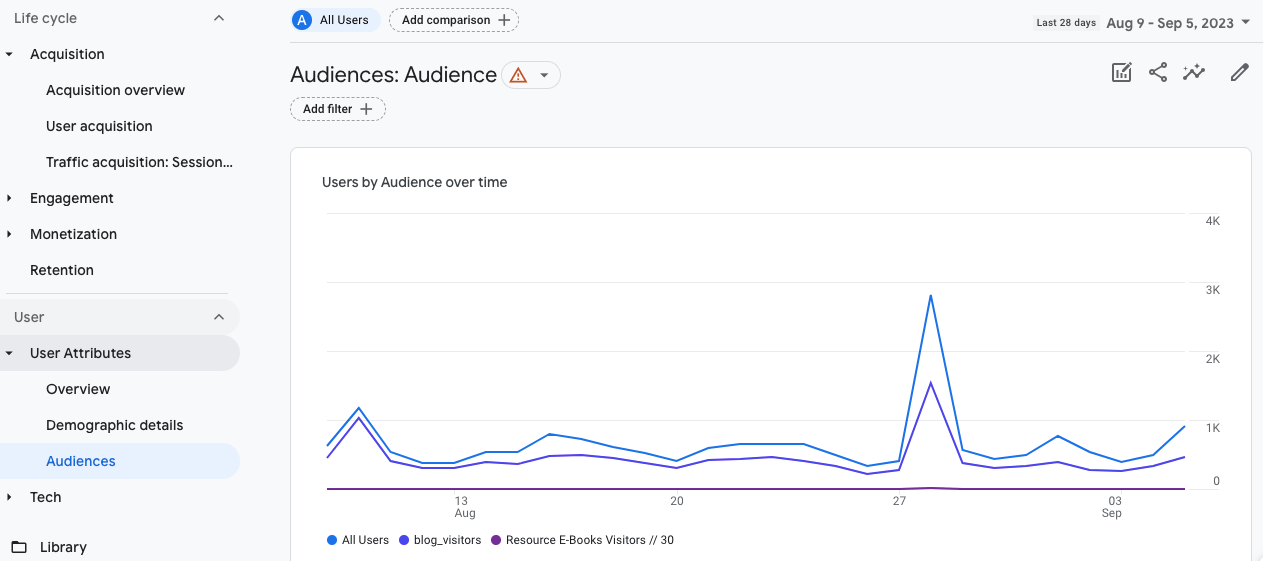
In GA4, you can track the average session duration in the "Audiences" tab.
Bounce Rate
Bounce rate refers to visitors who leave a website without clicking on a message, filling out a form, or making a purchase.
When a visitor comes to your website and leaves without taking any action, this can signal to search engines that the visitor did not find what they were looking for on your site. As a result, your website can be badly affected in the rankings.
Although research varies, the bounce rate is generally accepted to be in the 50-60% band on average. Since bounce rate is a very comprehensive concept, it is necessary to examine it according to its source, website, and geographical location. After that, you can see where you need to improve by comparing the bounce rate with metrics such as average time, repeat visitors, etc.
How to Measure?
You can calculate the bounce rate manually, but you can also see your bounce rate via Google Analytics. Google Analytics calculates and gives you your bounce rate directly. "Engagement rate" instead of bounce rate in GA4 is provided. To be able to see this:
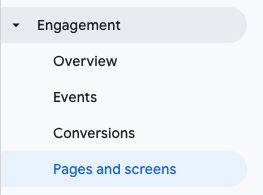
You can enter the "Pages and screens" tab under the Engagement section. But as I mentioned before, "bounce rate" in GA4 data is no longer provided, instead "engagement rate" is given. The engagement rate is the opposite of the bounce rate. Engagement rate gives the percentage of engaged sessions on your website or mobile app, while bounce rate gives the percentage of unengaged sessions.
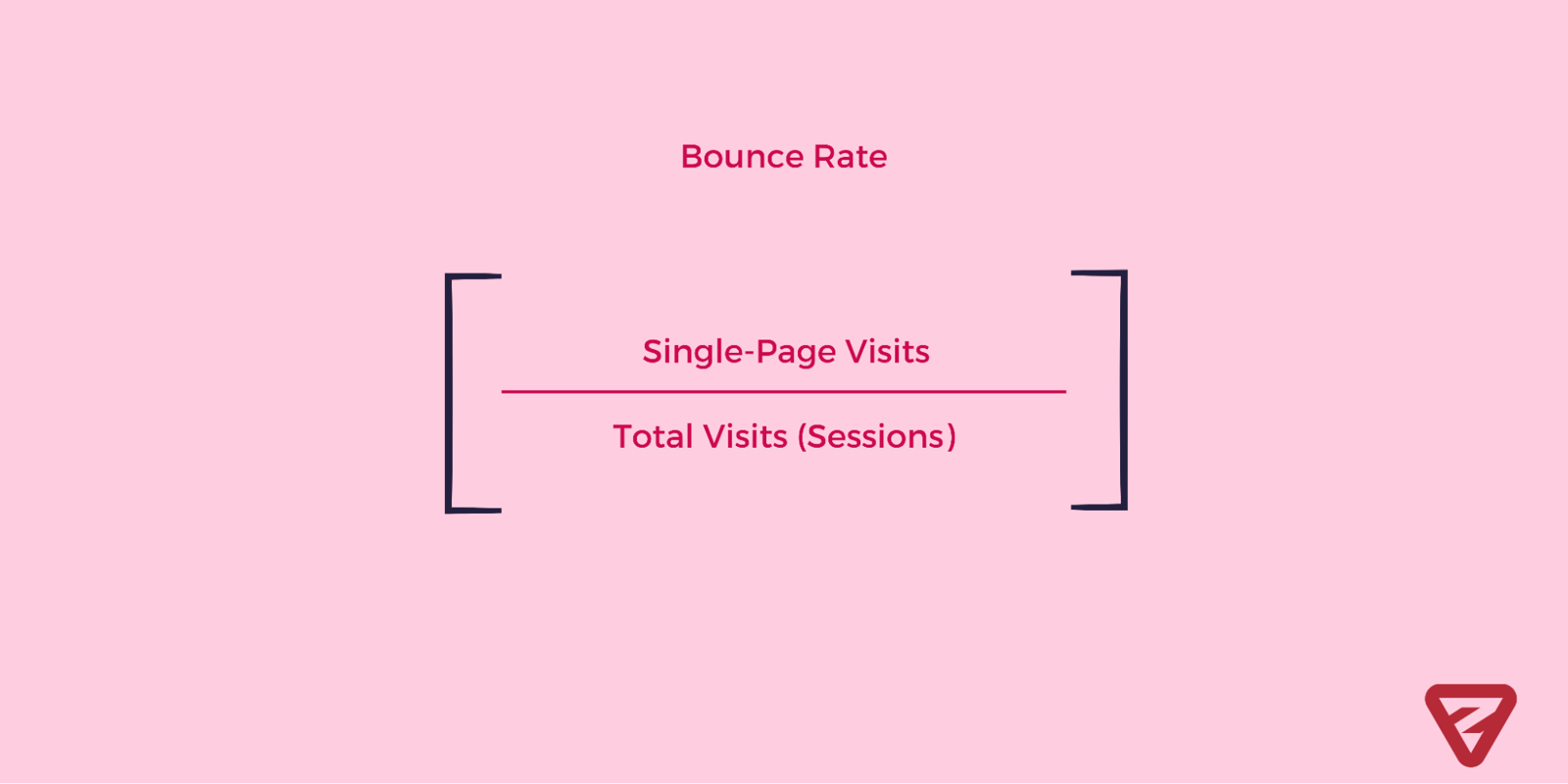
If you want to calculate the bounce rate manually, you can use the formula below:
Conversion Metrics
Conversion Rate
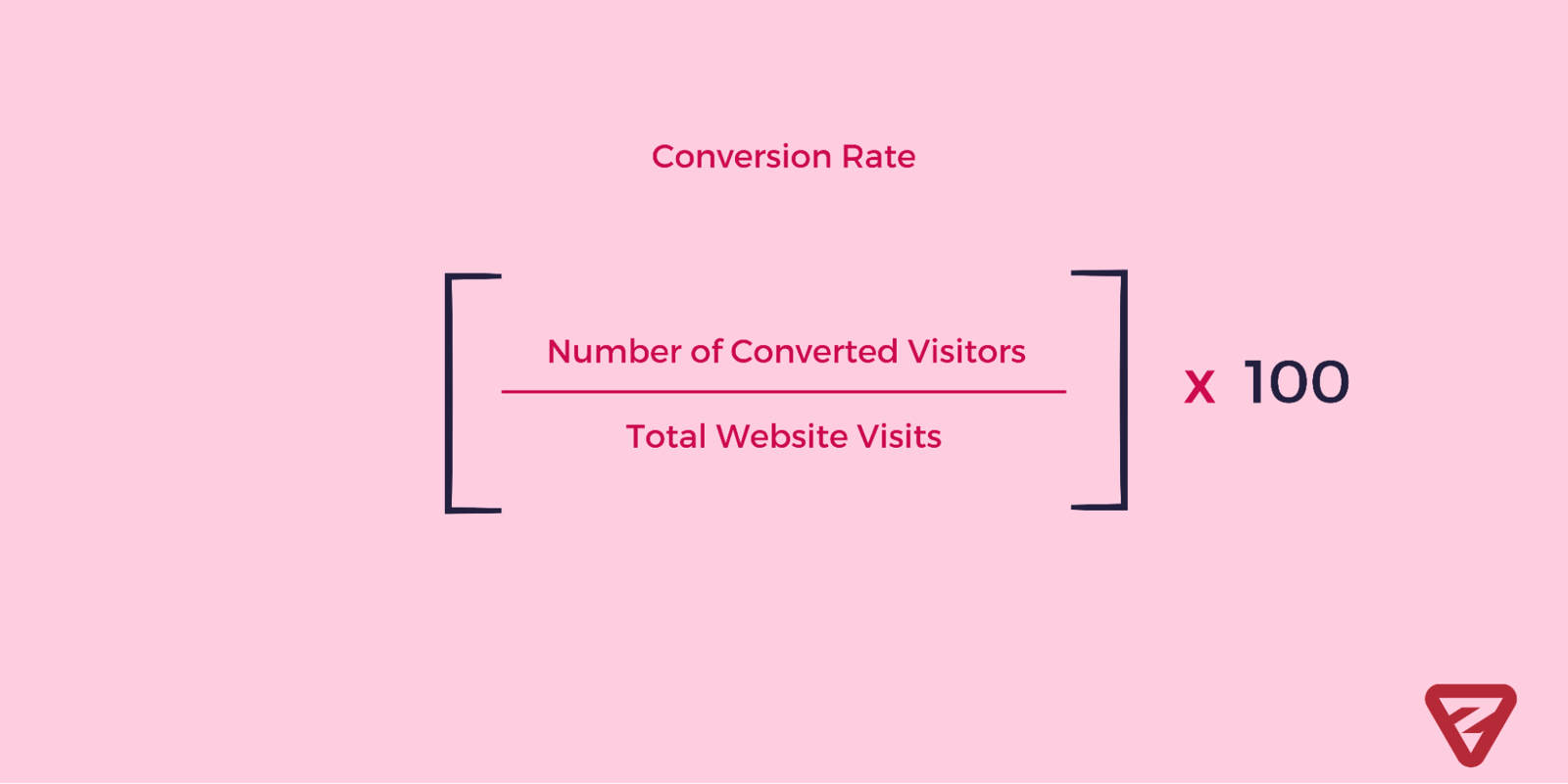
You can understand how well your landing pages are performing by tracking your conversion rate. The conversion rate shows the percentage of visitors who clicked on calls to action and converted. This includes things like contacting you by phone, signing up for a blog or newsletter, or downloading a piece of content.
How to Measure?
By tracking this rate, you can understand how many people become leads or convert into customers.
Click-through Rate
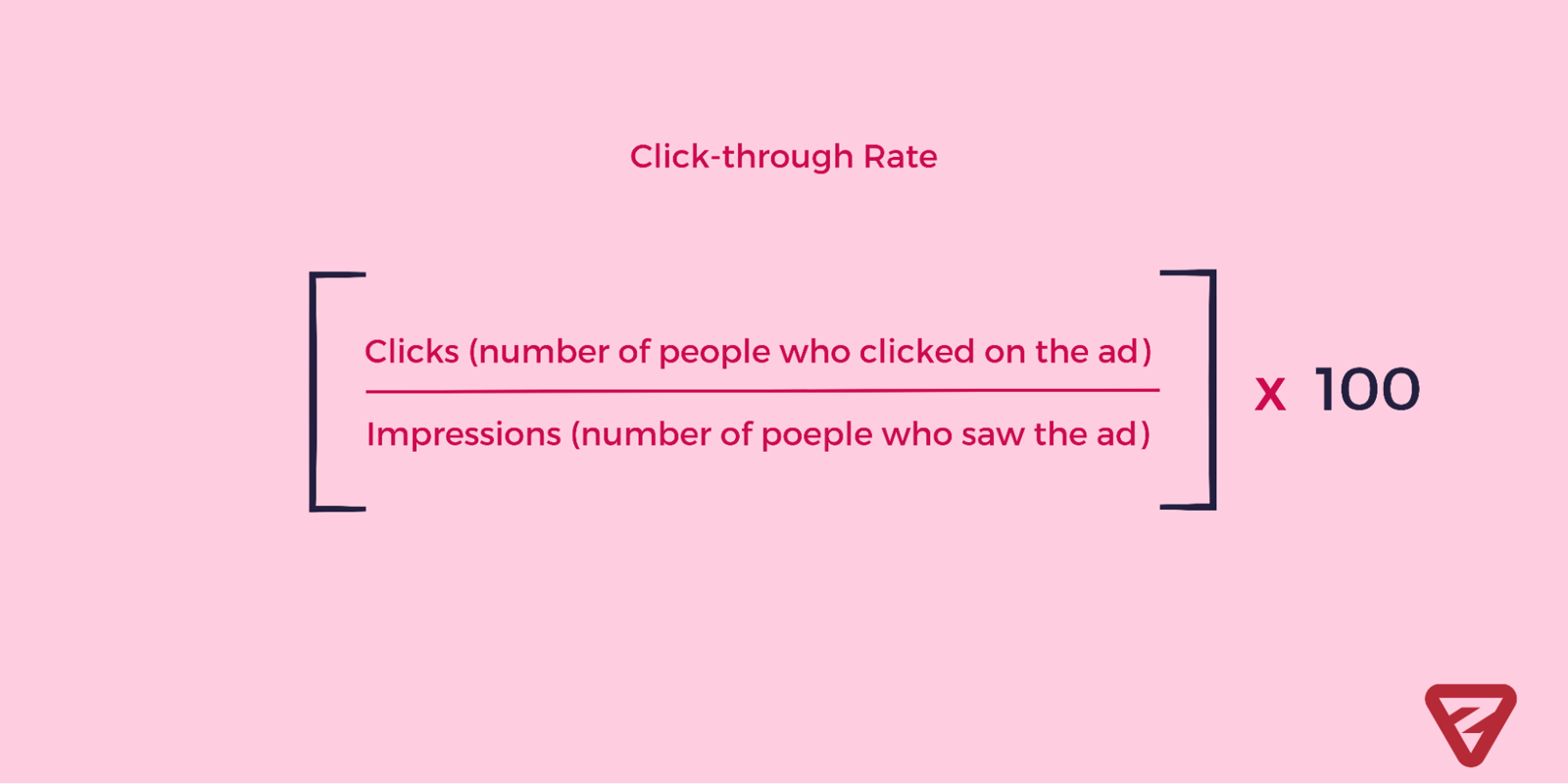
The click-through rate shows how often people click on your ad. You can track the click-through rate metric to measure how well your keywords and ads are performing.
How to Measure?
A high click-through rate is an indication that searchers find your ads useful and relevant. To achieve a high click-through rate, it is very important that the keywords chosen for the ads are relevant to the business and industry. The reason for this is that you pay for each click. If the selected keywords are irrelevant, it may return to you as a financial loss.
Cost Per Click
Cost per click shows how much it costs to click on the ad.
How to Measure it?
To lower your cost per click, you need to improve your "quality score". PPC campaigns with good quality scores (6 and above) and good performance receive a discount. If you have a lower quality score, it is possible to pay more.
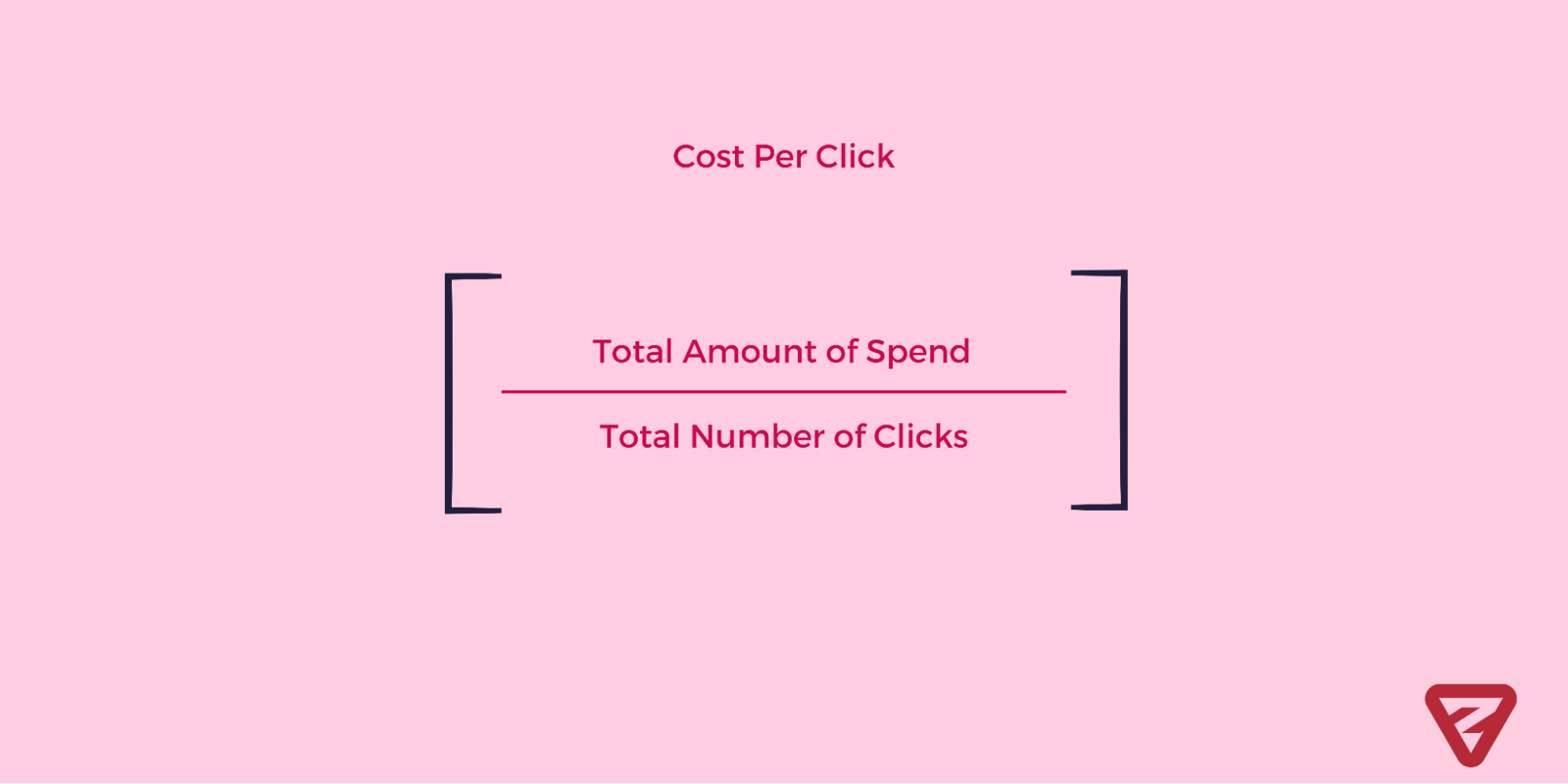
You can create relevant ads, and optimize ad copy and landing page design to increase the quality score.
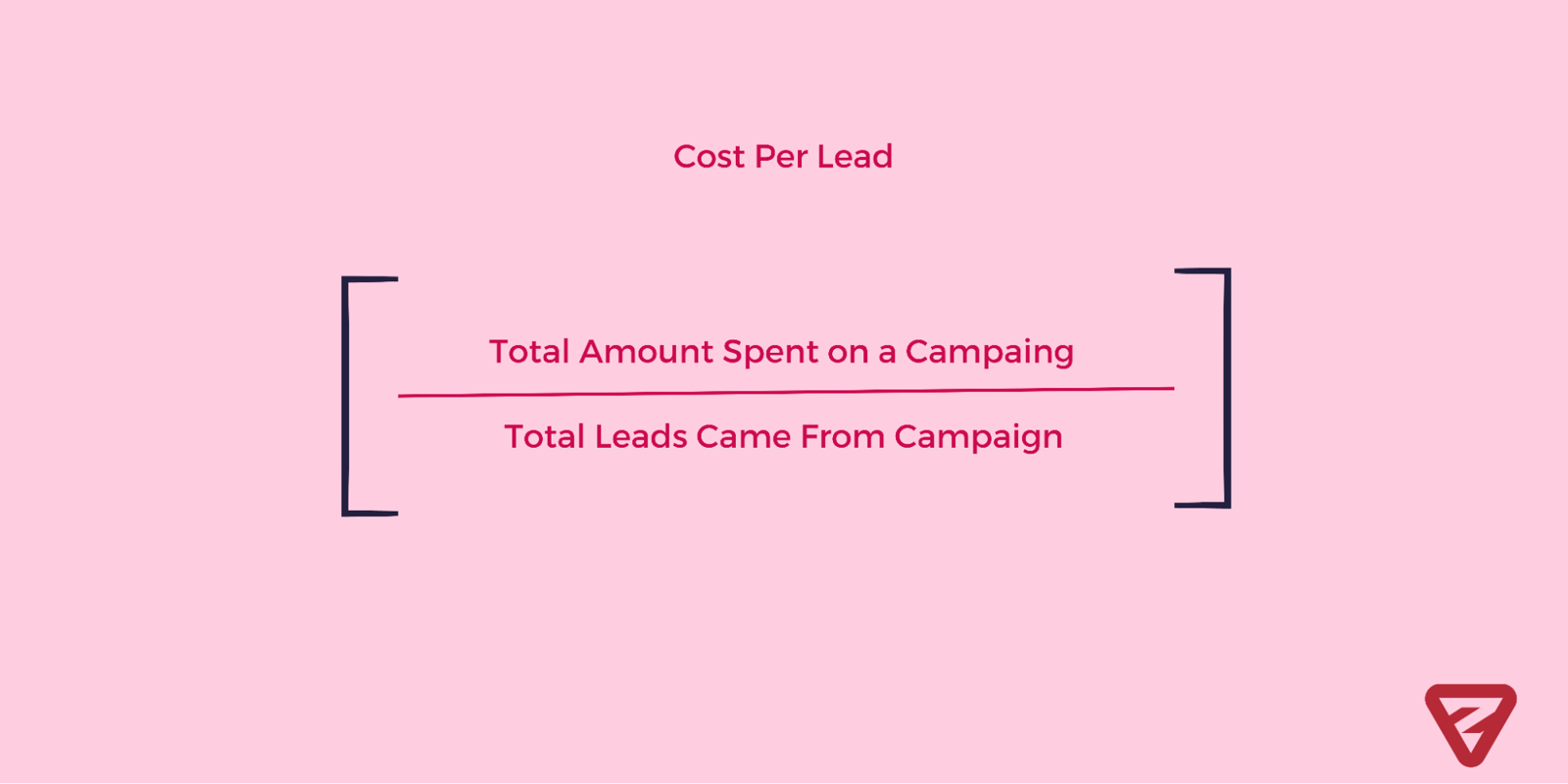
Cost Per Lead
Cost per lead shows what your cost is for each lead you generate.
How to Measure?
This metric also shows how effective your campaigns are in generating sales leads. As a result, you can gain insight into your ROI.
Revenue Metrics
Customer Per Acquisition
This metric focuses on the cost of customer acquisition. Although the cost per lead and cost of customer acquisition metrics are often confused, customer acquisition is further down the sales funnel.
How to Measure?
You can obtain this ratio by dividing the total amount spent to acquire customers through a specific campaign or channel by the number of customers acquired through that channel.
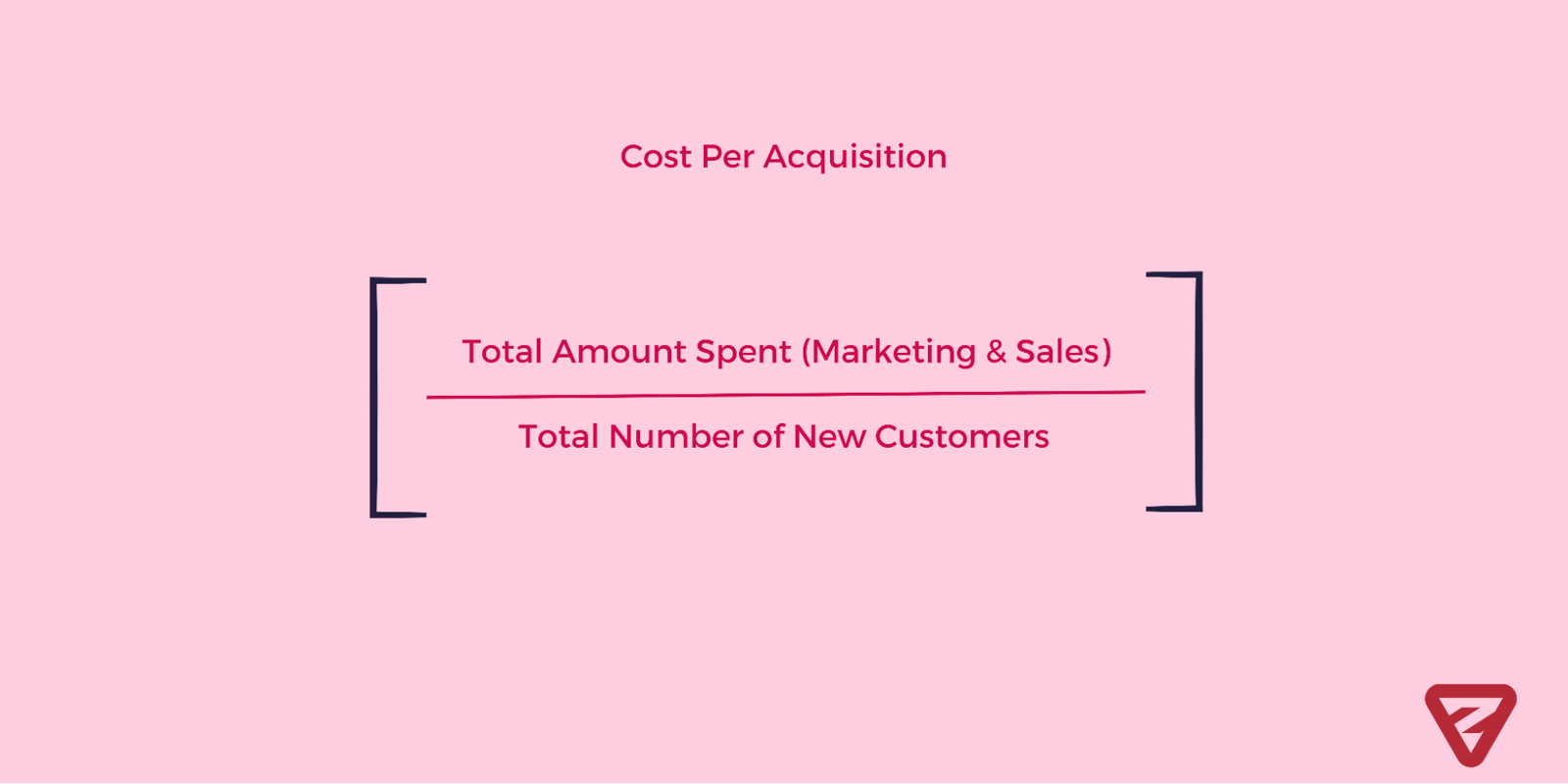
Cost optimization is a key focus for marketing and sales teams. Lowering the cost per acquisition can increase your ROI.
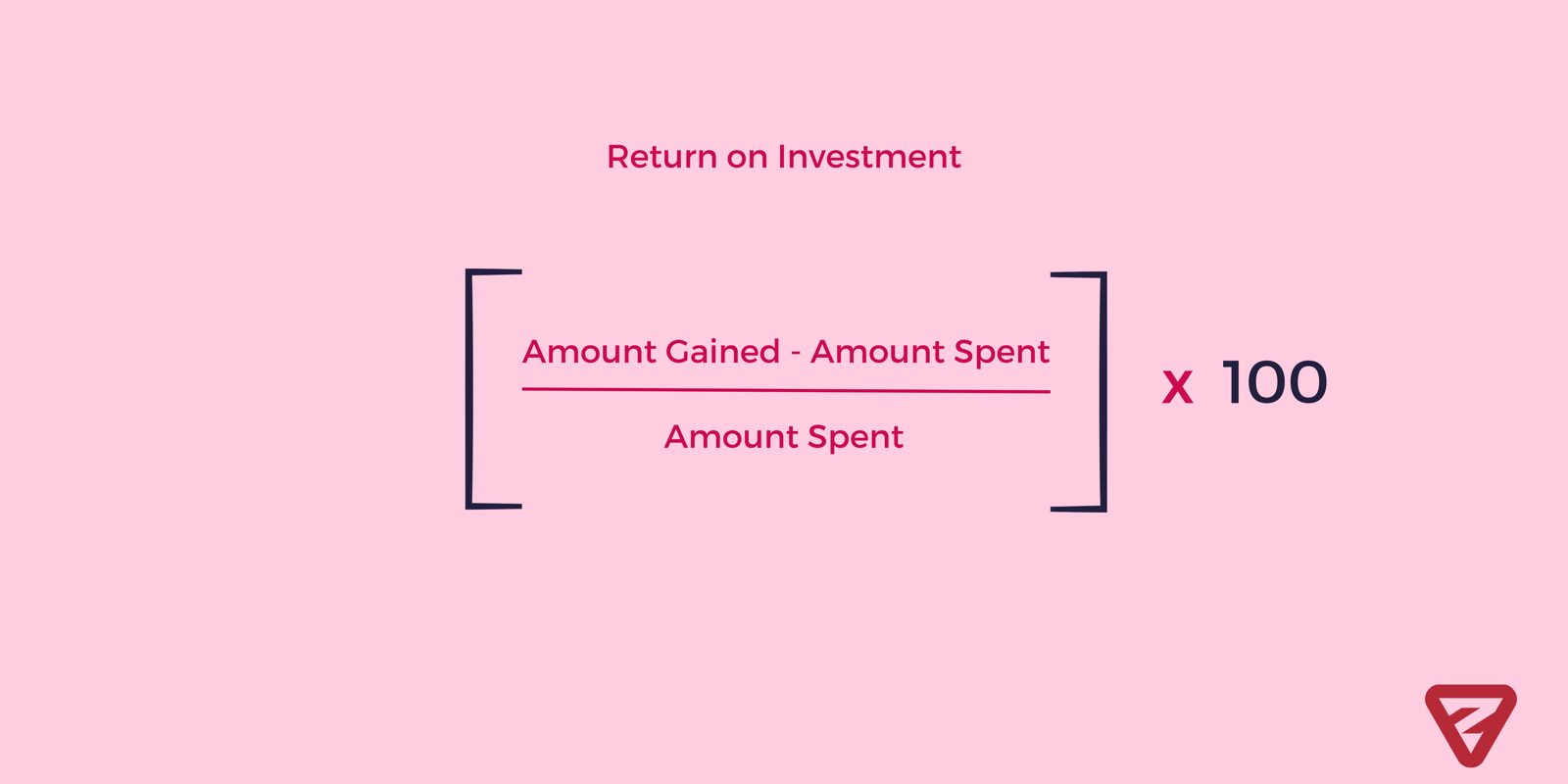
Return on Investment (ROI)
Return on investment, a metric that companies want to see in monthly, quarterly, or annual reports, shows whether you are getting value for money spent on marketing campaigns.
How to Measure?
You can use conversion metrics such as conversion rate, cost per lead, and customer acquisition cost to better understand your ROI based on your business activities.
Final Words
Many reasons such as using the budget efficiently in marketing, making sales activities effective by increasing conversion rates, choosing the right channels to reach the target audience, creating efficient campaigns, and increasing return on investment require you to measure. In my blog post, I talked about the top 10 metrics that can be important for your business and can make your business better when you follow them. For all the questions you are curious about measuring your digital performance, you can follow our blog and contact us at any time!


