


The world of SEO evolves every year with shifting algorithms and changing user expectations. In 2025, the focus extends beyond search engines to embrace user experience-driven approaches. In this post, we've compiled the most up-to-date SEO trends, brought to you through the diverse perspectives of our team.
Our topics range from producing quality content and meeting EEAT standards to analyzing keyword intent, the key to understanding user behavior. We also dig into the impact of AI on SEO strategies, zero-click searches, the importance of server response time, and the critical role of Core Web Vitals in site performance.
Let's explore all these topics and more that are shaping the SEO landscape of 2025!
Quality Content and EEAT

Developments in artificial intelligence over the past few years have significantly changed how websites generate content. In the past, most of the content produced by humans for research or shared experiences has been replaced by AI, as LLMs like ChatGPT have become more widely used. “Quality” content created by AI within seconds has become competitive with human writing in search results. This rapid shift has pushed search engines to reconsider how they evaluate content quality. The 4 criteria known as EEAT (Experience, Expertise, Authoritativeness, Trustworthiness), which Google uses to evaluate content quality, have come back into focus alongside the rise in AI content.
And why is that?
We can point to the term “experience”, added in 2022, as the main reason EEAT is back on the agenda and will likely stay relevant into 2025. When someone planning a trip to Paris searches “Where to go in Paris?”, they want content built on real experiences: sincere, realistic writing, maybe even real photos. They're most likely to find that on a travel blog. That's what makes “experience” so valuable, and so hard for AI content to compete with.

Does this mean AI-generated content is bad? Not at all. Google's algorithm aims to give users the most accurate results. So if someone just needs a quick, concise list, AI-generated content can be a perfectly satisfying, comprehensive answer. It shouldn't make us resent AI content.
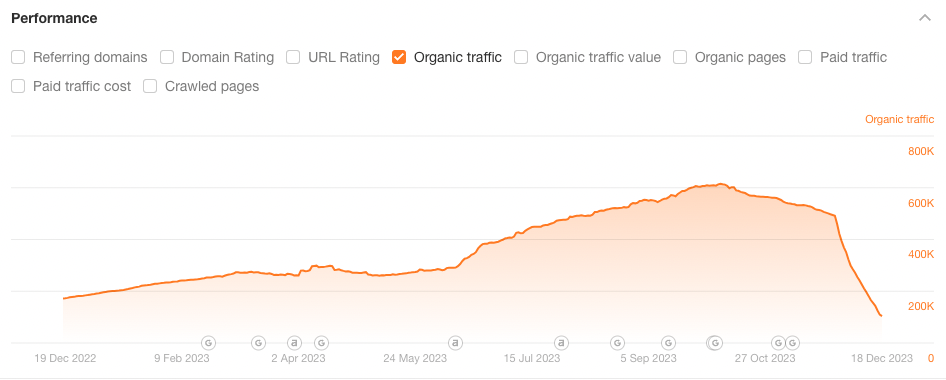
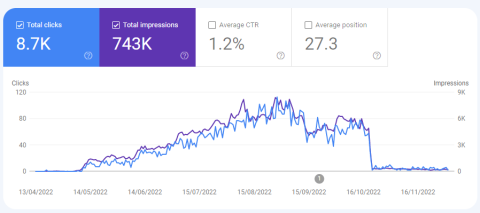
AI use can be positive when controlled and negative when it isn't. Case studies of uncontrolled AI content show that even when it performs well at first, it can lose all its traction over time, whether from a manual penalty or an algorithm update. That suggests Google can, to some degree, tell apart content that's entirely AI-generated. Below are a few graphs that ended in disappointment.
So what should we do?
In 2025, search engines will likely evaluate the source and credibility of content more rigorously. That doesn't mean shying away from AI technology; on the contrary, the winning strategy is combining AI and human experience to produce content that emphasizes real expertise and experience. AI brings speed and efficiency to data analysis and content production, but a human touch is still what makes that content meet EEAT criteria. A draft created by AI, for example, can be reviewed and enriched by experts to make it more valuable. Understanding user intent and delivering relevant content matters just as much. Some users need quick, concise information, while others want detailed guides, so plan to meet a range of needs across different content formats.
Voice Search

Voice searches make it easier for users to find information, interact with technology, and make purchases, thanks to voice technologies like virtual assistants. As a result, voice interactions keep growing in areas like chat and purchasing. Especially over the last 5 years, the trend has grown year over year. Voice search will keep its place among the 2025 SEO trends.
If you think voice search is a passing trend, think again, because it's better understood as a fundamental shift in how we access information. The growing use of voice search is changing how users phrase their queries. Instead of short, keyword-driven searches, there's a shift toward more natural, conversational language. That means marketers need to rethink traditional SEO strategies to account for this shape of voice search queries: long-tail, conversational phrasing.
So what should site owners keep in mind for voice search?
- Focus on long-tail keywords close to everyday language: It's worth working natural-language phrases into your content. For example, instead of “best neck pillows”, the voice search query is probably closer to “What are the best neck pillows for traveling?”.
- Aim for position zero in Google search results: Many voice search queries pull their answers straight from that field. To improve your odds of being featured, structure your content to directly answer common questions in your industry. Use clear, concise language, and organize your content with bullets, lists, or tables so search engines can easily extract the most relevant information.
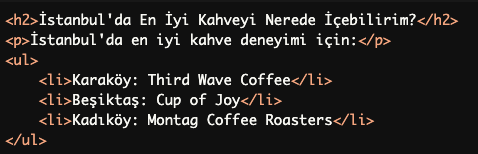
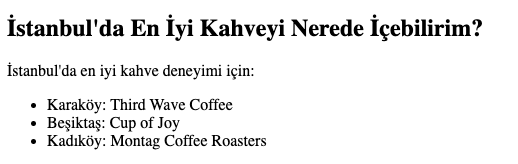
- Don't miss out on traffic from local searches: Users want to find places or businesses near them, like the nearest shopping center or restaurants in the Kartal district. Especially on your Google My Business account, make sure your information stays accurate and up to date.
- Don't ignore your site speed: Voice search is mostly used on mobile devices, so optimizing your site for mobile matters a great deal. Fast loading times, responsive design, and easy navigation are all key considerations. A slow or poorly designed site can hurt your voice search rankings, since Google prioritizes user experience above all.
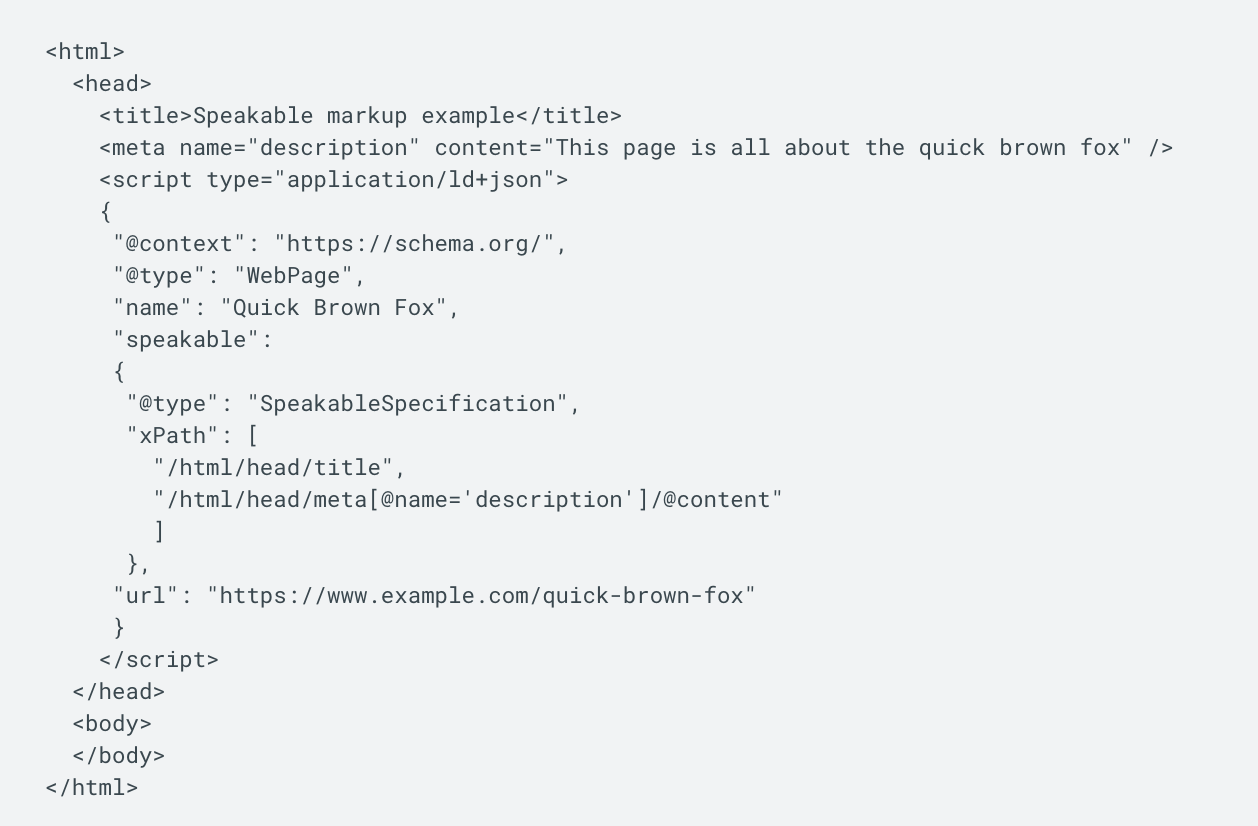
- Structured data, i.e. schema markup: This helps search engines better understand your site's content. Structured data helps search engines index and present your site as an appropriate result for voice queries.
For 2025 and Beyond, the Impact of Voice Calls Will Continue!
We expect voice search, which keeps growing year over year, to keep adapting in 2025 to changing user demands. We'll see personalized experiences more often, especially as voice integrates with AI and IoT (the Internet of Things). E-commerce sites looking to win more customers will act on voice search, price comparison, and a smoother shopping experience. Along the way, 2025 looks set to be a year when reaching a global audience gets even easier. Businesses will speed up their move toward multi-language support to reach wider audiences, aiming to reflect the cultural vocabulary and speech patterns of different regions.
In short, voice search isn't something new. By understanding how it works, you can capture more of that traffic by producing content suited to your audience. In particular, aim to capture voice search patterns like “Who”, “When”, and “Where”, and build content that answers those questions directly. Keep an eye on developments in AI and natural language processing, since AI can help you analyze voice search trends and surface content topics, titles, and keyword phrases likely to perform well.
Looking ahead to 2025 and beyond, voice search will keep growing in importance. Optimizing your digital marketing and SEO strategy for voice search will help you capture a share of that growth.
AI Overview

We've been seeing new developments in this area almost every week since Google introduced AI Overview (AIO) results to search in May. After rolling out in the US, these results are now spreading to other countries and languages, and more users are seeing them in their searches. I shared the AIO keyword results from the past few weeks, and we can already see very different shifts happening in English, even though we don't feel it in Turkey yet:
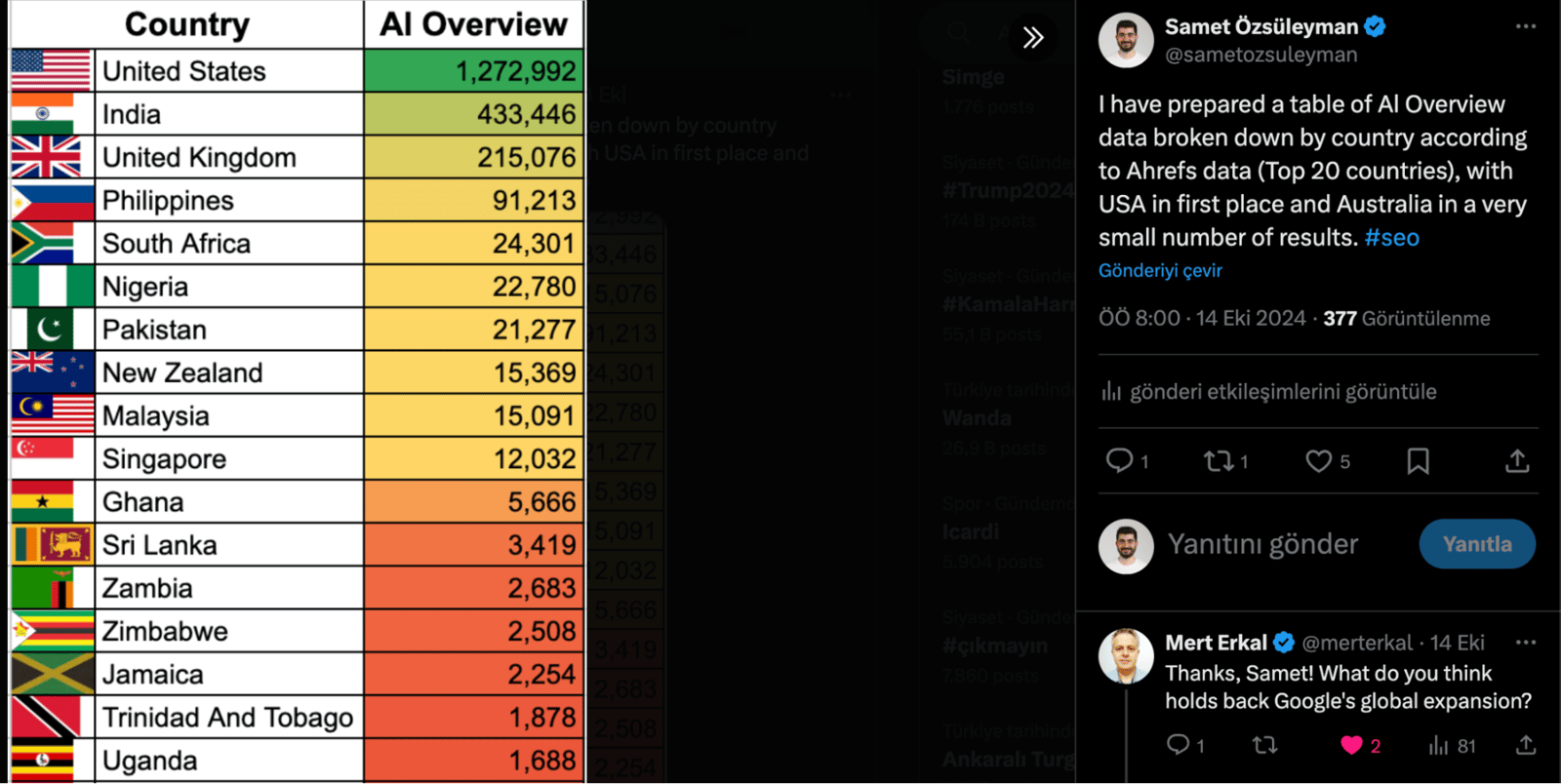
As you can see, results can differ by country even when the language is the same, which matters even more if you're serving a niche audience. Factor in AIO ads, and the SERP could look very different in the new year, so ranking 1st may not mean as much for some keywords; you can track results like this at the pixel level with a tool like Wope. Learning more about RAG can help you understand how this technology works and shape your 2025 AI-based SEO strategy. In my view, CTR metrics will also carry a lot more weight, and it's worth examining AIO changes carefully in year-over-year comparisons when you're doing that analysis.
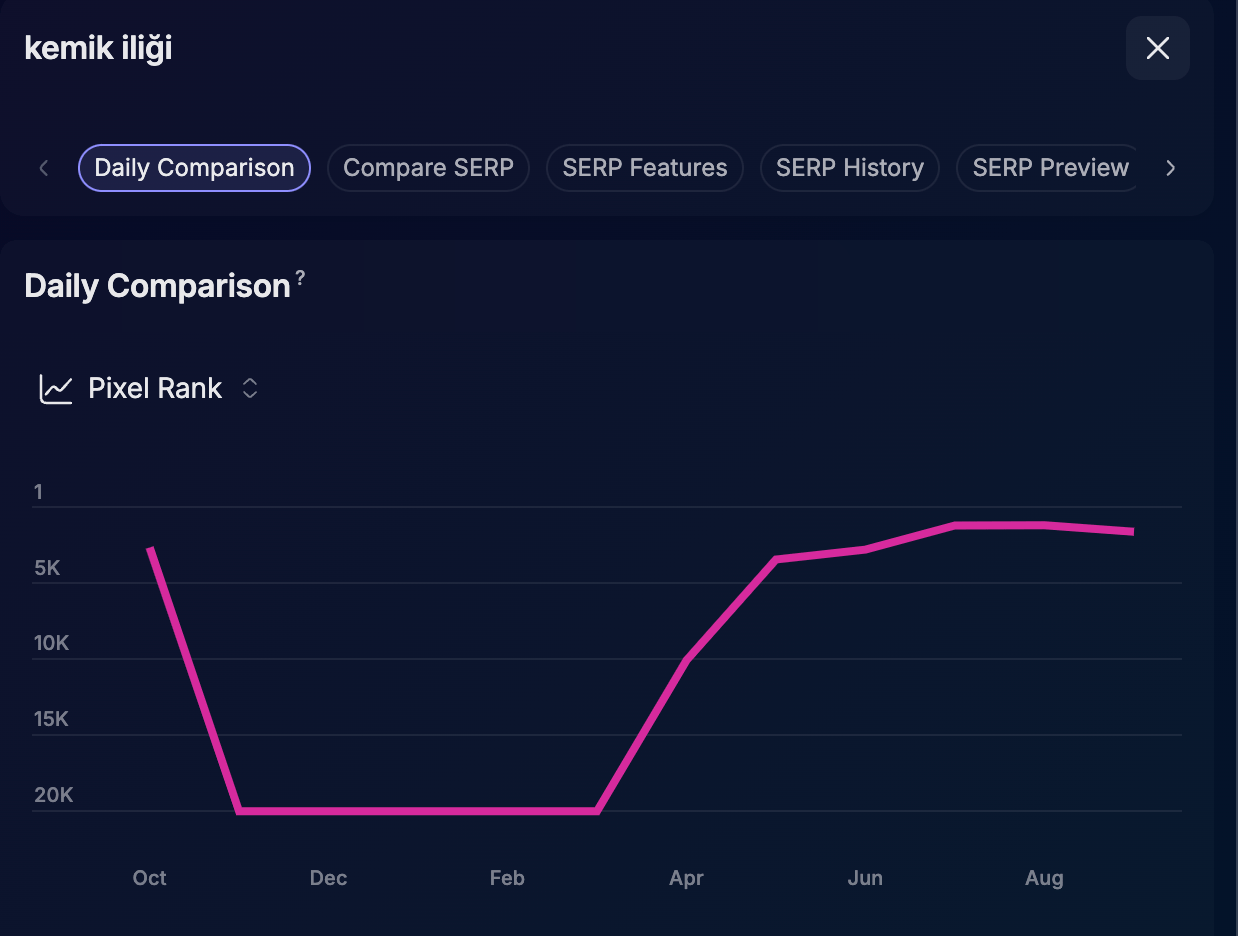
As we head into the new year, you can use tools like Semrush or Ahrefs to monitor your performance in these results and set up alerts to catch sudden visibility losses before they hurt you:
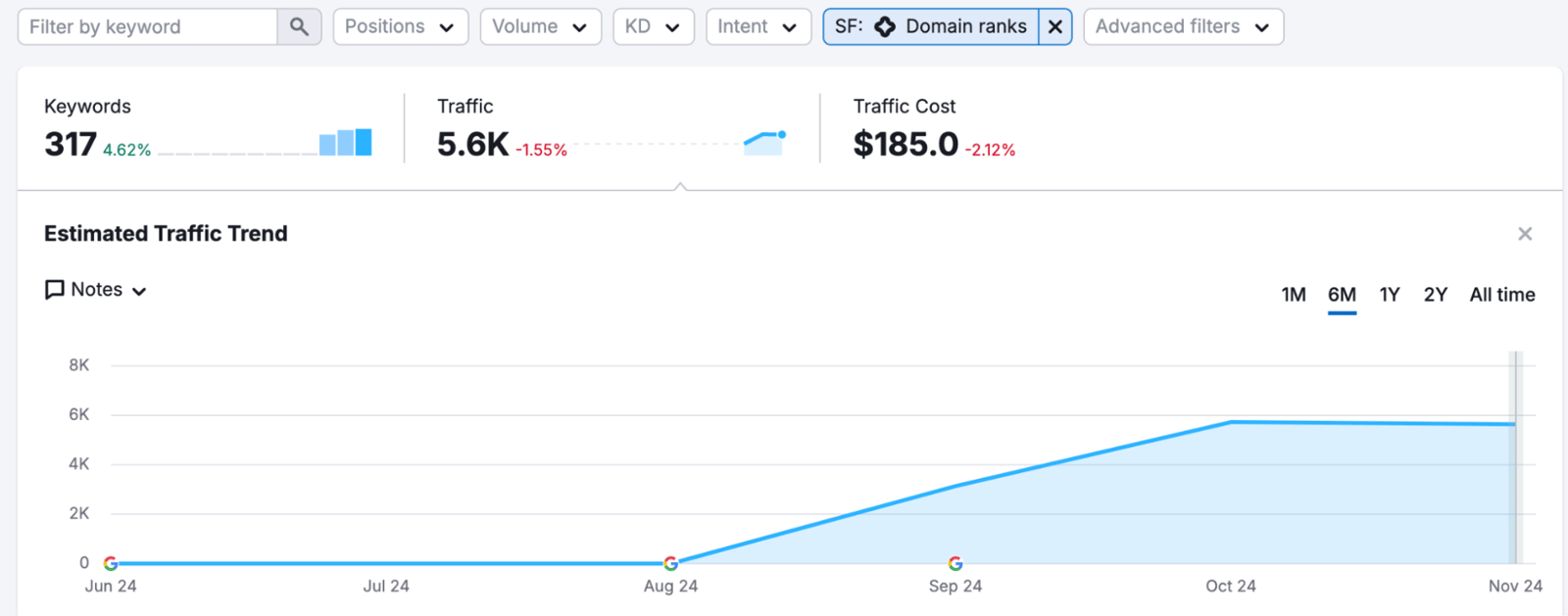
This year, invest in brand awareness more than ever, since showing up across all SERP features tied to your brand always works in your favor and makes it easier to act on AIO:
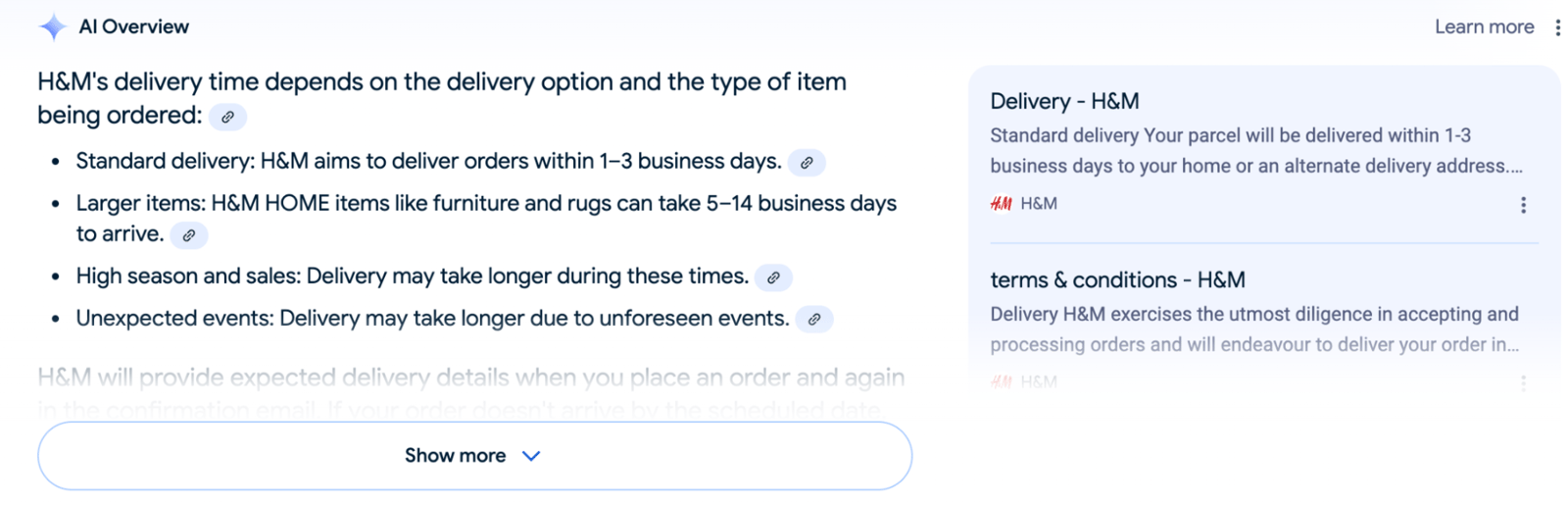
For example, showing up in results with e-commerce search intent can bring in strong revenue, especially where conversion rates are high. It's also worth testing how your results look across different AIO views; how sites rank across multiple views instead of just one will matter a lot more in 2025:
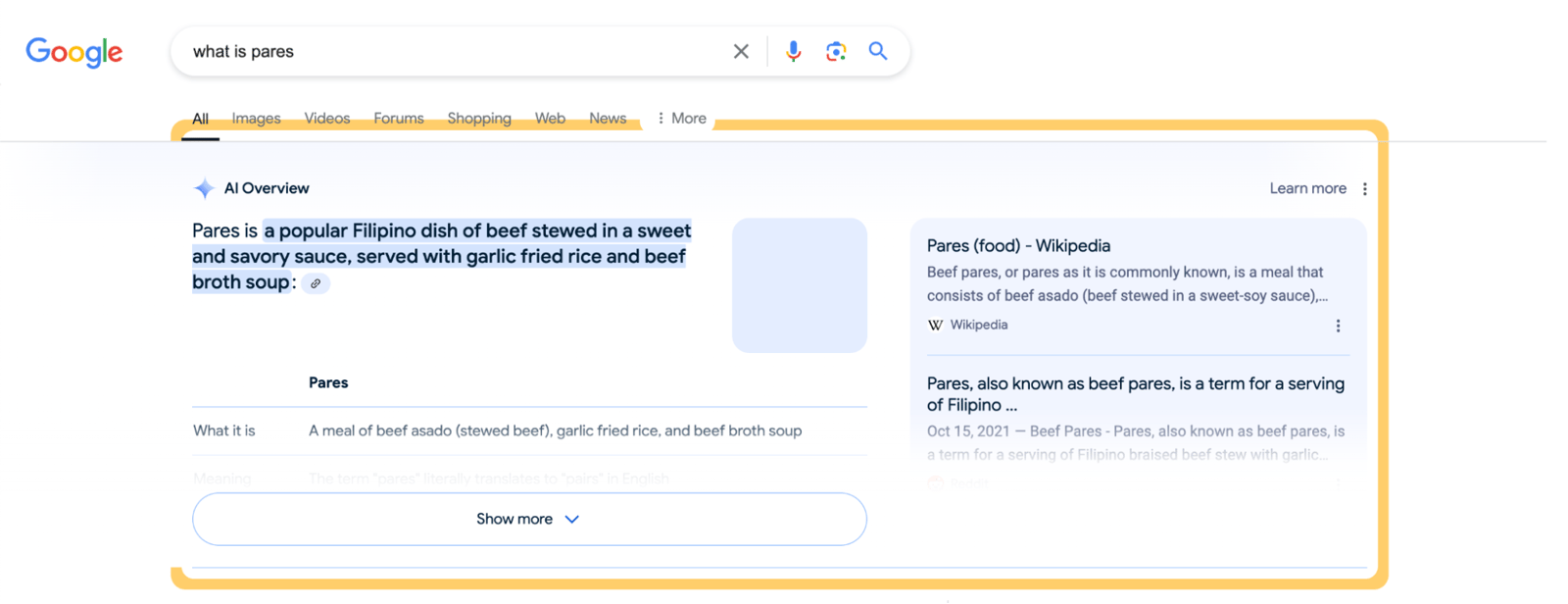
In 2025, I think we'll be talking a lot about AIO and about SEO tools that keep strengthening what SEO experts can do. To get ready for these results, pay close attention to search intent alignment and prioritize fixing major technical SEO issues.
Ultimately, search results and the search experience won't stay the same, and AI is going to reshape them in ways quite different from before. I'd recommend that brands, especially those serving Turkey, start preparing for these changes now and keep a close eye on the trends.
I wish everyone a year full of organic traffic and conversions alike!
Keyword Intent

The SEO world of 2025 seems to be shaped by understanding users and offering the right solutions. It's no longer enough to evaluate content strategy based only on search volume or competition level for target keywords. What matters is understanding why users are searching, and building content around that. Keyword intent looks set to be the main focus of SEO strategy in 2025.
Keyword intent isn't just a concept; it's a strategy that touches every metric, from SERP ranking to conversion rates. What's the real intention behind a user's search? Are they looking for information? Weighing a decision? Ready to buy? Getting the answer right plays a key role both in understanding the user and in creating content that reaches the right people.
Categorizing keyword intent is a simple but effective method, though deepening that classification with sector-based analysis can sharpen your strategy even further.
1- Informational Intent
Users are looking for information and have no intent to buy yet. Blog posts and guides work well for this purpose.
2- Navigational Intent
These are searches users make to reach a specific website or page. Building brand awareness and preparing SEO-friendly landing pages for these queries is the right strategy here.
3- Commercial Investigation
Users are researching a product or service to make a purchase decision. Comparison tables, in-depth product reviews, and pages with user reviews all support your content strategy at this stage.
4- Transactional Intent
These are searches users make to buy a product or service, or to complete a transaction. Clear CTAs and optimized landing pages will shape the user experience here.
How to Use Keyword Intent Strategy in Your Brand?
Think of keyword intent as understanding what's motivating a user when they search a specific keyword. Content that targets the right intent satisfies the user and builds a stronger connection with your brand. When the right content meets the right intent, both your organic traffic and your conversion rates go up.
That said, one important thing to keep in mind, regardless of your sector, is that keyword intent strategy alone isn't the right way to go.
At this point, it's worth noting that keyword intent and search intent are directly related. Search intent refers to the general purpose behind a query someone types into a search engine, while keyword intent is how that purpose shows up in your content strategy. In other words, building content on keyword intent alone, without understanding search intent, carries real risk. A better approach blends these two related but distinct concepts with the right strategy.
Another important point: SERP (Search Engine Results Page) analysis needs to factor into how you shape your keyword intent strategy. SERP gives you the strongest reference point for what kind of content users expect for a given keyword and how search engines respond to that query. Understanding what content actually gets featured in the SERP is essential to gauging how accurate your read on keyword intent really is.
There's no fixed formula for implementing a keyword intent strategy, but you can prioritize a few key areas as you build yours.
1. Detailed SERP Analysis
Take a close look at the SERP results for the keywords you're targeting. The content types that show up there offer important clues about user intent. Starting here makes it easier to plan the right strategy when categorizing your pages or creating new content.
2. Intent-Based Content Planning
Don't focus on search volume alone. Build content formats around keyword intent instead. With this approach, each piece of content meets the user where they are on their journey, from researching information to making a purchase. Tools like Semrush and Ahrefs can help you analyze keyword intent and shape your strategy accordingly.
3. Track Changes in Intent
Keyword intent isn't fixed; it shifts over time. A keyword that signals an information search in 2022, for example, might carry commercial intent by 2025. Regular SERP analysis helps you keep up with these shifts.
4. Create an Inclusive Strategy
Build content that supports every stage of the user's buying journey. Content that covers each stage of the funnel, eases the user's decision-making, and guides them toward action pays off especially well in conversion-focused sectors like e-commerce and B2B.
Keyword Intent and SEO: Why It Matters in 2025
In 2025, SEO strategy is evolving to understand user needs and offer solutions that meet them. Getting keyword intent right, and building strategy around it, will make a real difference in how well your SEO strategy performs. Keyword intent isn't just a content strategy; it's fair to say it belongs at the center of your SEO strategy, and that approach is unavoidable heading into 2025.
Server Performance

Server Performance: Stay Ahead of the Competition with Fast Response Times
Server response time optimization will be one of the most critical components of SEO success in 2025. The revolution AI technologies are creating in this space, combined with changing user expectations, is pushing every site owner toward a new standard.
AI is no longer just a buzzword; it's a real force at the heart of server optimization. In 2025, AI-powered systems will monitor servers in real time and make automatic optimizations. Picture your server anticipating traffic spikes and preparing for them automatically.
Changing user expectations are the real driver behind this shift. Internet users are more impatient and more demanding than ever. By 2025, the acceptable load time for a website will be close to instantaneous. That's pushing every site owner and SEO expert toward a whole new standard of performance.
The Critical Role of Server Response Time in SEO Success
Speed and performance are at the heart of success in the digital world. Your website's server response time (Time to First Byte, or TTFB) isn't just a technical metric; it's a factor that shapes your site's overall success. So why does it matter so much, and how does it affect your SEO performance?
Internet users are impatient and don't like to wait. A slow-loading page can cost you potential customers, while fast response times keep users on your site longer and get them interacting more. Google understands the weight of this behavior and treats site speed as an important ranking factor. Sites that respond quickly stand a better chance of ranking higher in search results. On top of that, Google's crawling bots can index faster sites more efficiently, which means your content shows up in search results faster and more completely.
Server-side performance improvements, for example, can lead to a significant increase in Google's crawl requests. Here's a case study that shows this increase:
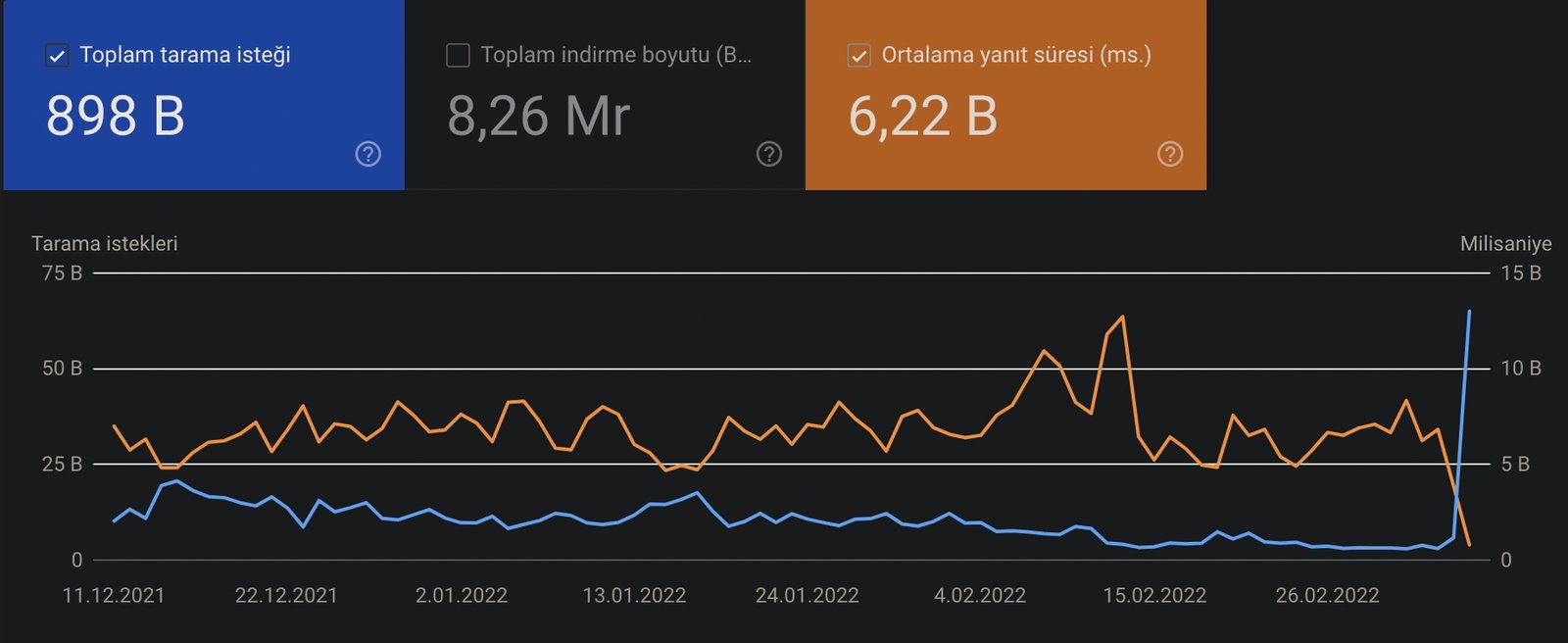
This increased crawl frequency delivers real benefits for your website:
- Faster discovery of your new pages
- Faster indexing of your content updates
- More up-to-date content shown in search results
- Faster impact from your SEO changes
Optimizing server response times matters not just for user experience, but for helping search engine bots crawl your site more effectively too.
The Golden Rule of Technical SEO: Optimizing Server Response Time
Optimizing server response time is one of the most critical steps toward improving how well a modern website performs. Let's look in detail at the steps and strategies you can use to pull this off successfully.
Cornerstones of Performance Optimization: Infrastructure, Caching and CDN
Modern server hardware now offers SSD storage and generous RAM capacity. These infrastructure investments might seem costly upfront, but they pay for themselves many times over in performance and user satisfaction. That said, a strong infrastructure alone isn't enough; it needs to be paired with an effective caching strategy.
Caching strategies are among the most effective ways to optimize server response time, and they work in two main ways. Browser caching stores static content (images, CSS files, JavaScript) in the user's browser, dramatically cutting page load time for repeat visits. On the server side, tools like Redis or Cloudflare Workers KV can handle dynamic content, minimizing database queries and meaningfully improving response times.
Another piece that complements these strategies is a CDN (Content Delivery Network). A CDN is no longer a luxury; it's a necessity for any site serving a global audience. It distributes your content across servers around the world and serves your users from the closest location, which dramatically cuts loading times and improves the user experience.
Code and Database Optimization: Fine-tune
Even the strongest server infrastructure and the most effective CDN solutions can fall short against poorly optimized code and inefficient database queries. That's why fine-tuning your backend systems matters. On the database side, start by cleaning up unnecessary queries and reviewing your indexing strategy. Simplifying complex queries and setting up regular maintenance plans are the key pieces that keep performance steady.
On the frontend, code optimization directly shapes the user experience. Minimizing JavaScript and CSS files, optimizing images, and reducing HTTP requests can meaningfully cut page load times. Reducing data transfer between server and user with techniques like Gzip compression is also an essential part of performance optimization.
These optimization efforts aren't a one-and-done task, they require ongoing monitoring and improvement. Regular performance tests and user experience analysis help you spot bottlenecks in your system and fix them quickly.
Optimization isn't a one-time job, but a continuous process. Keep monitoring your site's performance and identifying bottlenecks. Tools like Google PageSpeed Insights offer valuable insight along the way.
Prepare for the Future Your Action Plan
To be ready for 2025's technology trends, the time to act is now.
- Invest in AI-based optimization tools
- Continuously monitor your Core Web Vitals metrics
- Evaluate edge computing and next-generation CDN solutions
- Pay special attention to mobile performance
- Run regular performance tests
Server response times and the SEO landscape are evolving fast. Those who keep pace will win, while those who fall behind will struggle to keep up in the digital world.
Remember, success in the digital world is no longer measured by content alone, but by how fast you can deliver that content. Start preparing today to claim your place in tomorrow's internet.
Zero Clicks Searches

Zero-click searches grew by 12% as of 2023, and that trend all but guarantees they'll show up frequently in 2025 too. Roughly 65% of searches already end without a click, and it's not hard to predict that AI Overview, which will reshape the search experience in 2025, will push that rate even higher.
Let's revisit what zero-click searches actually are: cases where users get their answer without clicking through to another site from the results page. The main drivers behind these searches include:
- Featured snippets (featured quotes)
- Knowledge panels
- People Also Ask boxes
- Local Pack (local business listings)
- Carousels (especially for recipes)
- Google Shopping features
- AI Overviews
Growing competition for these spots can shrink click-through rates and, in turn, organic traffic, which makes it harder to grow a brand and win conversions. AI Overviews can boost users' satisfaction with search results while removing their need to click through to a website at all. That's why content strategy should aim to build brand authority, not just chase clicks.
In 2025, it's possible to turn this into an opportunity with zero-click-focused strategies and optimizations:
- Evaluating local SEO opportunities
- Being visible on YouTube (offering content in different formats on different platforms)
- Increasing CTR in title and meta description content
- Creating mobile-friendly pages
- Present summary and detailed content together
- Focusing on the right target audience
- Becoming an expert content producer in the sector
- Using schema markup
- To be able to answer frequently asked questions
The digital world of 2025 won't be limited to producing content that just meets search engines' technical requirements; it'll demand a real focus on user experience, quick response, and reliability. Zero-click searches will reshape not just the mechanics of SEO, but how brands present information altogether. In 2025, the winners will be those who succeed not just at being visible, but at earning a permanent place in users' minds. Success in this new era will mean getting users to genuinely engage with your brand through search results.
Core Web Vitals

In this section, I'll cover how Core Web Vitals metrics affect SEO performance, the new metric introduced in the 2024 update, and how you can track these metrics using the CrUX Dashboard.
Core Web Vitals Metrics and SEO Performance
As you know, site speed is a ranking factor in SEO, which makes Core Web Vitals metrics one of the most important topics in the field. These metrics affect ranking, but they shape user experience just as much. We might sometimes question how much site speed really matters for SEO, but a slow-loading site can cost you users and lower your conversion rates. So improving user experience deserves to be just as much of a priority as site speed. The goal isn't just to get traffic, it's to get users to spend more time on the site and have a good experience while they're there.
John Mueller touched on this in a LinkedIn comment recently. He said that Core Web Vitals have a limited impact on ranking, and that focusing on these scores alone won't bring SEO success. So while these metrics are a ranking factor, they're not a “big factor”. What actually matters is giving users a friendly experience. Do that, and users are more likely to come back without a negative experience, letting your other SEO efforts pay off in the bigger picture.
Core Web Vitals 2024 Güncellemesi: Interaction to Next Paint (INP)
In 2024, Google announced an update to Core Web Vitals to make it more user-centric and comprehensive. On March 12, 2024, Interaction to Next Paint officially became a Core Web Vitals metric!
Built to improve the user experience, INP focuses on measuring a site's responsiveness more accurately. Replacing the former First Input Delay (FID) metric, INP looks at all interactions across the page, not just the first one. It aims to measure the impact of page response time on user experience more comprehensively, covering the full span of an interaction from start to finish.
I'd also like to briefly cover which user behaviors the INP metric measures. According to Google, INP focuses on specific types of user interactions, including:
- Clicks made with the mouse
- Touches on the touchscreen
- Pressing a key on a physical or virtual keyboard
That means every interaction on a site, whether it's filtering, sorting products, or using accordion menus, directly affects INP. Gestures like hovering, zooming, or scrolling, though, aren't measured by INP. So it's worth remembering that INP focuses specifically on certain kinds of interactions.
So How Should the INP Value Be?
The INP value represents a page's overall responsiveness across its entire lifetime.
- An INP value of 200 milliseconds or less means the page responds quickly.
- INP values between 200 and 500 milliseconds mean the page's responsiveness needs improvement.
- An INP value above 500 milliseconds means the page responds slowly.
How to Track Core Web Vitals Metrics in Looker Studio?
If you want to analyze your site's or your competitors' Core Web Vitals metrics across different devices in detail, just create a CrUX report!
Tracking Core Web Vitals metrics became even more important in 2024, as Google rolled out updates to evaluate user experience in more detail. You can monitor your site's performance by visualizing your data with the Chrome User Experience Report (CrUX) in Looker Studio. Customized Looker Studio dashboards let you compare user interactions between your site and your competitors'.
The report defaults to a device filter, and tablets aren't prioritized in it, but you can of course update and adjust the report however you like using Looker Studio's filters.
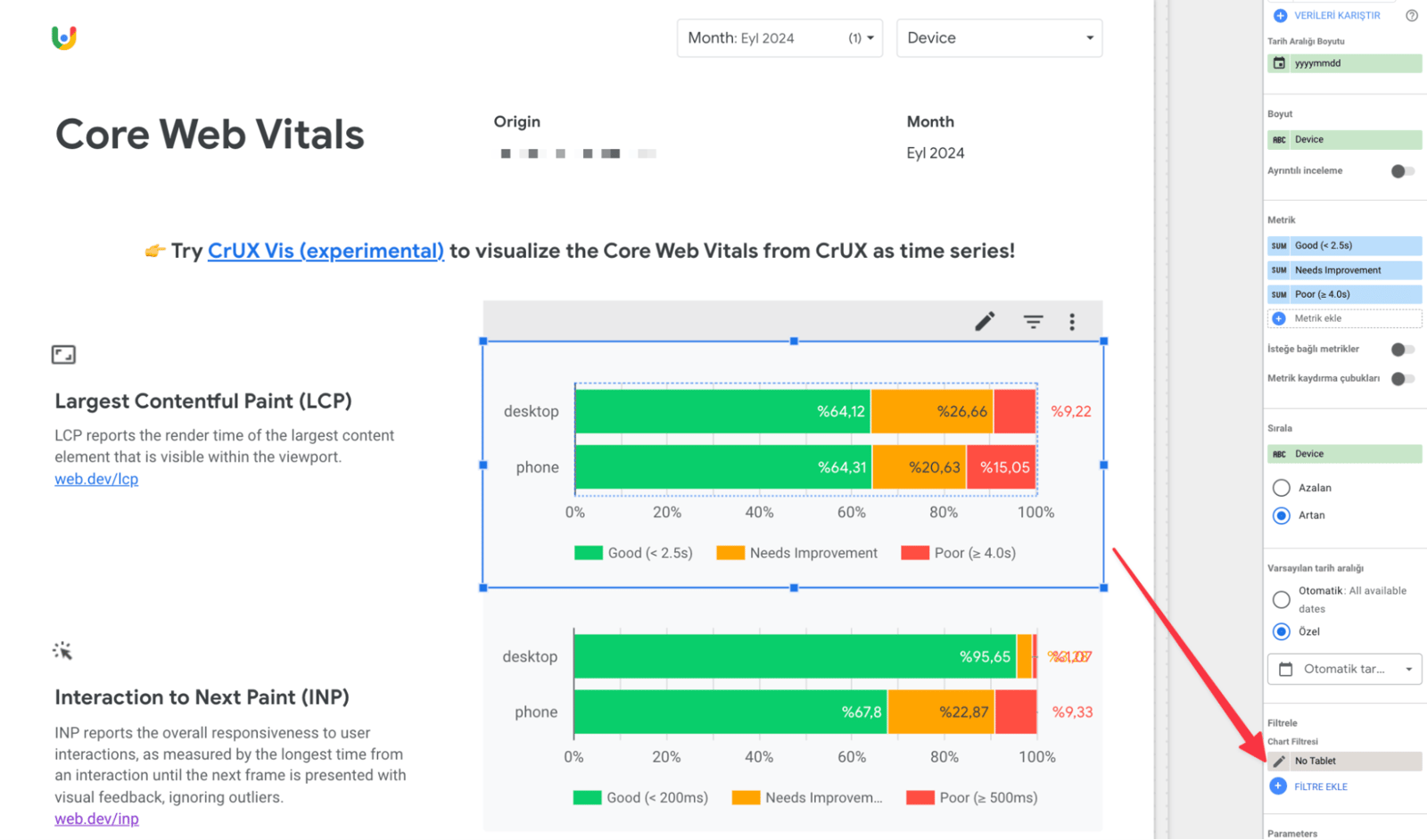
CrUX dashboards start working as soon as you connect a data source. That lets you take action right away to improve your site's performance. Monthly panels let you track the distribution of important metrics like LCP, INP, and CLS over time.
With Looker Studio and CrUX, you can learn a lot more about your site's user experience and figure out exactly what to improve!
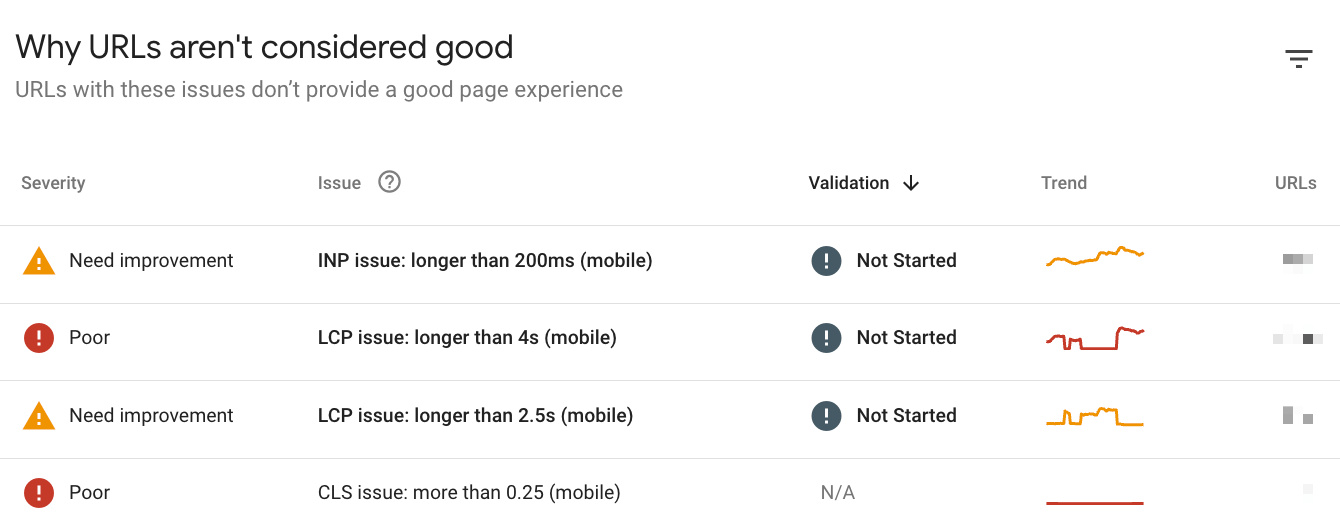
Alongside CrUX data, don't forget to check INP and other important metrics through Search Console. By grouping URLs, Search Console makes it much easier to see which types of pages are running into problems, so you can act on them faster.
The Importance of User Experience in the New Year
In 2024, site speed and user experience became even more important. How fast a site loads, how easily users can interact with it, and its overall ease of use have all become critical for winning traffic, keeping users on the site, and bringing them back. In highly competitive spaces like e-commerce especially, these factors can be decisive for both users and search engine bots.
Outcome
2024 brought significant changes and innovations to the SEO world. In 2025, SEO won't just focus on site speed; user interactions and experiences will play a crucial role too. As user-centric experience, site performance, and interaction speed become increasingly critical, it's clear that focusing on technical optimization alone won't cut it anymore.
Factors like on-site user experience, speed, interaction times, and user-friendly design will become the foundation of SEO success. Treating SEO not just as a tool for traffic, but as a strategy centered on user satisfaction and engagement, is what guarantees long-term success.
New metrics and tools will keep playing a significant role in SEO strategy, and factors like interaction speed will only grow in importance. That means SEO will require adapting not just to algorithms, but to user expectations and behavior too. In 2025, blending technical SEO with a genuine focus on user experience will be the key to success.


