


Did you know that only 8% of users visiting a website for the first time are actually there to buy? In an age of short attention spans and fierce competition, guiding potential customers from discovery to purchase has become harder, and more important, than ever. That's exactly where a carefully crafted digital funnel strategy becomes one of the most powerful tools a company has.
Listen to the Zeo Talks Podcast, where Zeo Digital Performance Marketing experts Sevda and Serap explain how businesses can capture and hold their target audience's attention with digital funnel strategies.
Understanding the Digital Funnel:
A digital funnel is a strategic framework that guides potential customers through their journey from awareness to conversion. It usually breaks down into three main stages: Awareness, Consideration, and Conversion, each with its own goals and strategies.
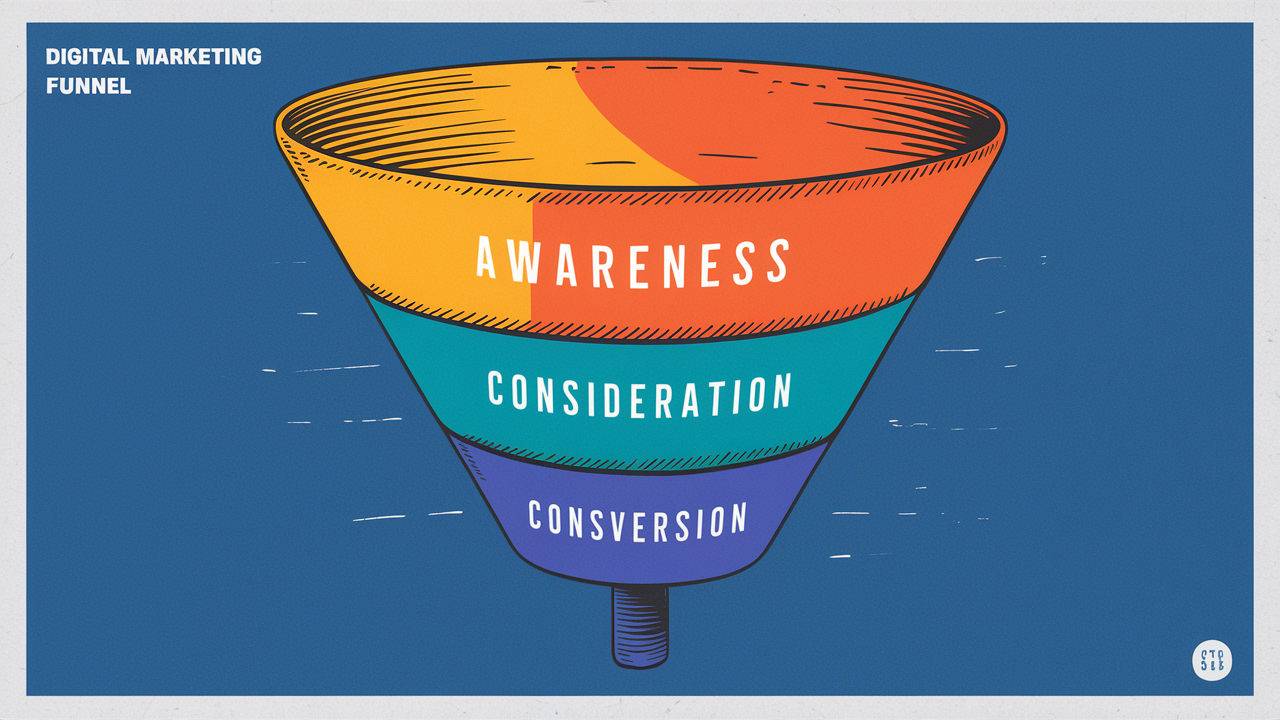
Awareness
Brand awareness is the first, and arguably the most critical, stage of the digital funnel. This is when potential customers meet your brand for the first time, so you need strategies that make an impact across your target market, reach a wide audience, and leave a lasting impression.
Maximising Brand Awareness
- Content Marketing: You should produce high-quality, informative content that addresses your target audience's interests and challenges. For example, a skincare brand might publish blog posts about the "Top 10 Ingredients for Sensitive Skin" to attract those looking for skincare advice.
- Influencer Partnerships: Collaborate with influencers who align with your brand's values and have a significant following among your target demographic. An outdoor apparel brand can collaborate with a well-known nature photographer on Instagram to show their products in use.

- SEO: Optimise your website and content for search engines to increase organic visibility. A local bakery can use keywords like "the best chocolate liqueur in Lisbon" to attract local search traffic.
- Google Display Network (GDN) Campaigns: Using GDN, you can place visually engaging adverts on websites that your target audience frequents. A pet food brand can target pet care blogs and forums to reach pet owners.

- YouTube Campaigns: You can create compelling videos that tell your brand's story or demonstrate the function of your product. A tech gadget company can produce a series of "How To" videos that showcase the versatility of their gadgets. When uploading these videos, it is necessary to pay attention to YouTube SEO criteria.

- Social Media Campaigns: Try to interact with your potential audience on platforms such as Facebook, Instagram, Twitter, and LinkedIn. However, make sure that the platform you choose is suitable for your potential audience. Share value-added content such as tips, industry insights, or behind-the-scenes looks. A fashion brand can use Instagram to showcase its latest collections and style tips.
Consideration
Once your brand has caught someone's attention, the consideration stage is when potential customers weigh up whether your product or service actually meets their needs. This is your chance to build a relationship by giving potential customers valuable information and addressing any questions or concerns they might have.
Strategies for Deepening Customer Loyalty
Educational Online Seminars and Live Q&A Broadcasts: Host online seminars or live broadcasts where experts from your company can educate your audience and answer their questions directly. A financial services firm, for example, could run a webinar on "Getting Started in Investing" to win over potential customers.

Customer Testimonials and Case Studies: Share stories from satisfied customers or successful projects. A software company, for instance, could publish a case study detailing how its services helped increase a business's productivity by 30%.
Interactive Tools: Give users tools like quizzes or calculators that help them see how your product or service could benefit them. A fitness brand, for example, could build a "Calorie Burn Calculator" to engage users interested in losing weight.
Conversion
The conversion phase is when you encourage a potential customer to take the action you want (a purchase, a sign-up, and so on). That could mean making a purchase, signing up for a newsletter, or booking a consultation. The key here is making the process as smooth and appealing as possible.
Conversion Boosting Techniques
Limited Time Offers and Discounts: Create urgency with time-limited promotions. A clothing retailer, for example, could run a "48-Hour Flash Sale" to encourage immediate purchases.
Personalized Email Campaigns: Send targeted emails based on user behavior or preferences. A travel agency, for instance, could offer personalized travel deals to users who recently searched for flights on their site. Read our 7 techniques to increase your email open rate here.
Smooth Checkout Process: Simplify the purchase process to remove friction. An online electronics store, for example, could offer one-click checkout for returning customers.
Remarketing Campaigns: This strategy may be the most important of all. Use remarketing to stay visible to visitors who've engaged with your brand but haven't converted. A travel agency, for instance, could use remarketing ads to remind users of destinations they viewed on the site.

Conversion-Focused Landing Pages: Make sure your landing pages are clear, compelling, and easy to navigate. An online course provider, for example, could use landing pages that highlight course benefits, instructor credentials, and student testimonials.
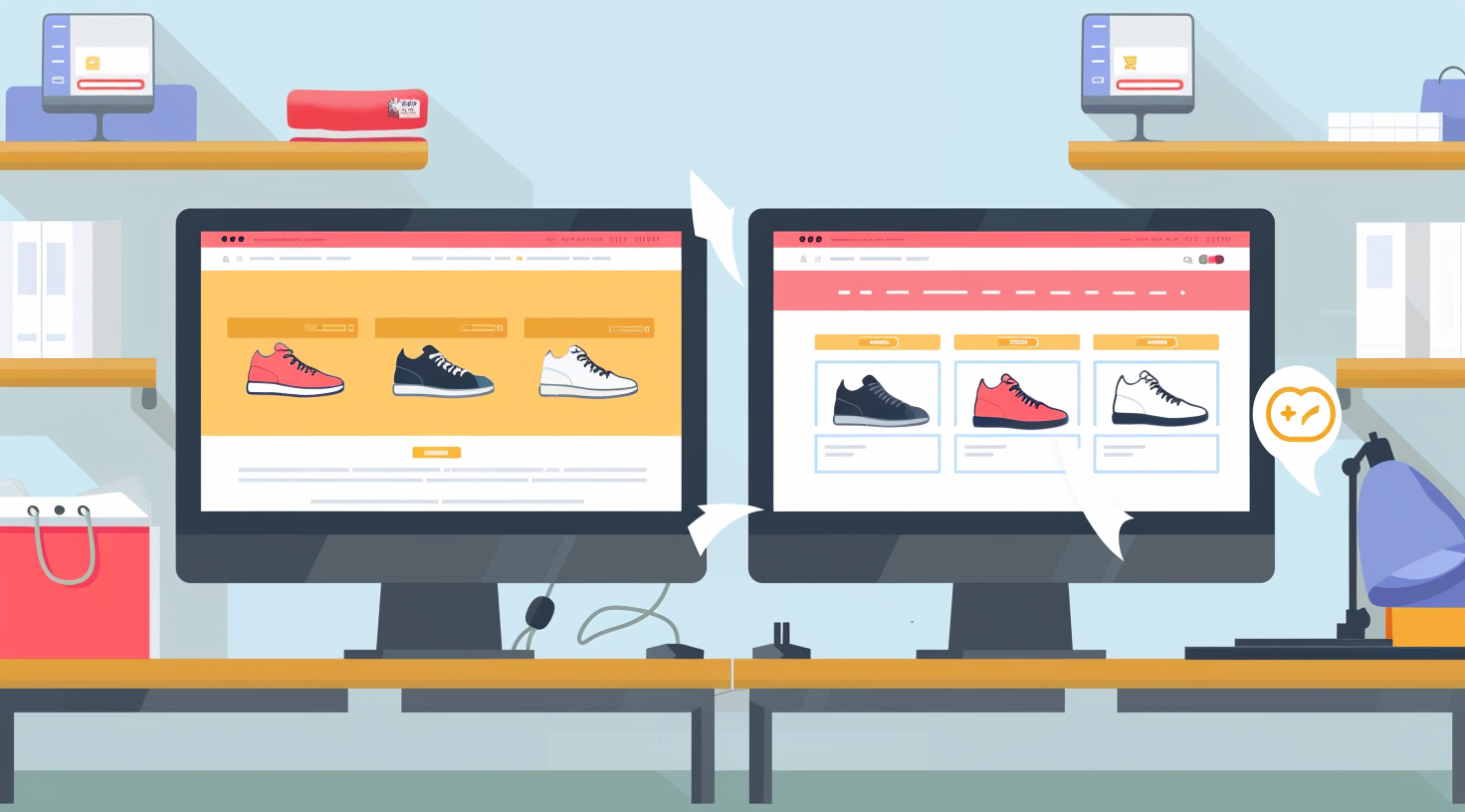
A/B Testing: Constantly test different marketing elements to find what works best. An e-commerce store, for instance, could test different product images or descriptions to see which ones drive more sales.
Building Your Digital Funnel Strategy Step-by-Step
Building a digital funnel strategy that resonates with your audience and drives conversions is no small task. It takes a deep understanding of your target audience, a clear sense of what sets you apart, and a strategic approach to guiding prospects along their journey. Here's how to build your digital funnel strategy step by step, with actionable examples.
1. Delve Deeper into the World of Your Target Audience
Analyze Your Target Audience: Start by gathering as much data as you can about your ideal customers. Tools like Google Analytics, social media insights, and customer surveys can reveal their behaviors, preferences, and challenges. An organic skincare brand, for example, might discover that its audience is highly active on sustainability and health forums and cares a great deal about ingredient transparency.
Example: Build detailed buyer personas representing your ideal customers. Personas with demographic details, interests, and behavioral patterns give you a solid foundation for personalizing your marketing.
2. Determine Your Difference
Identify Your Unique Selling Proposition (USP): Clearly define what makes your product or service unique, whether that's quality, price, customer service, or some combination of factors. A SaaS company, for example, might offer a feature that automates a time-consuming process for its customers.
Example: Highlight your USP everywhere, from your website copy to your social media posts, and make sure it speaks to a real need or pain point your audience has.
3. Customise Strategies for Each Funnel Stage
Optimize for Each Stage of the Funnel: Build targeted strategies for the awareness, evaluation, and decision stages of the buyer's journey. In the awareness stage, a content marketing strategy built around SEO and educational blog posts can pull in visitors. In the evaluation stage, detailed case studies or free trials can draw in potential customers. And in the decision stage, targeted email campaigns with special offers can push potential customers toward conversion.
Example: Map out the customer journey for your product or service, and identify the key touchpoints and opportunities to engage your audience at each stage.
4. Adopt Multi-Channel Marketing
Use Multiple Channels: Reach your audience wherever they're most active. That might mean Google Ads for people actively searching for solutions, social media for brand awareness and engagement, and email marketing to nurture leads over time.
Example: Test different channels and measure how well each performs. A B2B company, for instance, might find that LinkedIn ads generate more leads than Instagram.
5. Never Stop Optimising
Continuously Monitor and Optimise: Use analytics tools to track how your campaigns are performing and spot areas for improvement. Regularly review metrics like conversion rates, click-through rates, and engagement levels.
Example: Run A/B tests on your landing pages, ads, and emails to see what resonates most with your audience. Testing two different call-to-action (CTA) phrases, for instance, can reveal which one drives higher conversion rates.
Conclusion
A well-structured digital funnel strategy is vital for any business that wants to succeed in the digital space. By understanding your target audience, using multiple channels, and continually refining your approach, you can guide potential customers through their journey effectively and hit your marketing goals.
This content was created by Ahmet Can Kavak, Marketing Manager at Zeo.


