


With the development of LLMs, AI content is being generated using various prompt strategies, particularly with ChatGPT. However, when we look at Google's E-E-A-T guidelines, it's clear that if we don't pay attention to the concept of 'quality content,' the rankings we want may not come with AI-generated content. Artificial intelligence has developed fast in recent years, but in this article, I'll explore the areas where it still struggles and, in my opinion, sometimes produces low-quality content.
1. Emotions and Natural Conversational Language
Content written in a natural, everyday, conversational language that reflects real feeling is what lets us connect with our visitors. In a city guide article, for example, we might describe the taste of a pita we didn't enjoy with such vivid detail that the reader can feel that same reaction, almost as if they'd eaten it themselves.
How people behave, plus small details you'd only notice in a foreign country, are among the biggest factors behind the connection between an article's author and its readers. Everyone does SEO in some form and every page gets crawled the same way, but the bond you build with your readers matters more than anything else. Think of YouTube channels as the simplest example: you can keep watching someone you like for months. AI still struggles with descriptions that are this associative, like "the smell of wet soil."
So no matter how much we refine the prompt, or even if we switch to the latest LLMs like Gemini or Claude, that connection may never fully form. That's why we should use AI as a starting point when writing content, then bring it up to the highest quality with our own thinking. The author's profile and the article's details matter even more in content that touches people's money or health.
2. Experience (E-E-A-T)
One of the first things Google's quality raters look at is who created the content and how much expertise they have in the field. They also examine E-E-A-T signals, including how trustworthy the article is and whether it's grounded in real experience. Google already understands that someone who's never been on a safari can't offer the same experience as someone who has. That leaves AI-generated content with limited room to demonstrate E-E-A-T: it has no firsthand experience, and it may even describe an event as if it happened when it never did.

3. Accurate and Up-to-Date Information
With the GPT-5 update, ChatGPT now makes far fewer mistakes. If I'd written this article just a year ago, I could have said it produced much more incorrect information, but the rate is much lower now. Studies show a margin of error of about 4.8%. That may sound low, but on important projects, errors can build up across a site, damage rankings through misinformation, and make those rankings difficult to recover. Here's an example of a query that returned an outdated answer:

However, the Prime Minister has changed:

During Google core update periods, wrong information like this can drive up user complaints and send organic traffic down. AI is especially likely to miss context around breaking news or social events, leading to content that's incorrect, incomplete, or simply weak.
Tired of reading?
You can also listen to this blog post as a podcast we created with Google NotebookLM on Spotify.
4. Original Content
AI-generated content often summarizes what's already out there by combining information from other websites. That falls short of the unique, high-quality content Google is looking for. Once the first draft is done, an editor can raise the page's quality by adding relevant images, videos, and other details that make it more engaging.
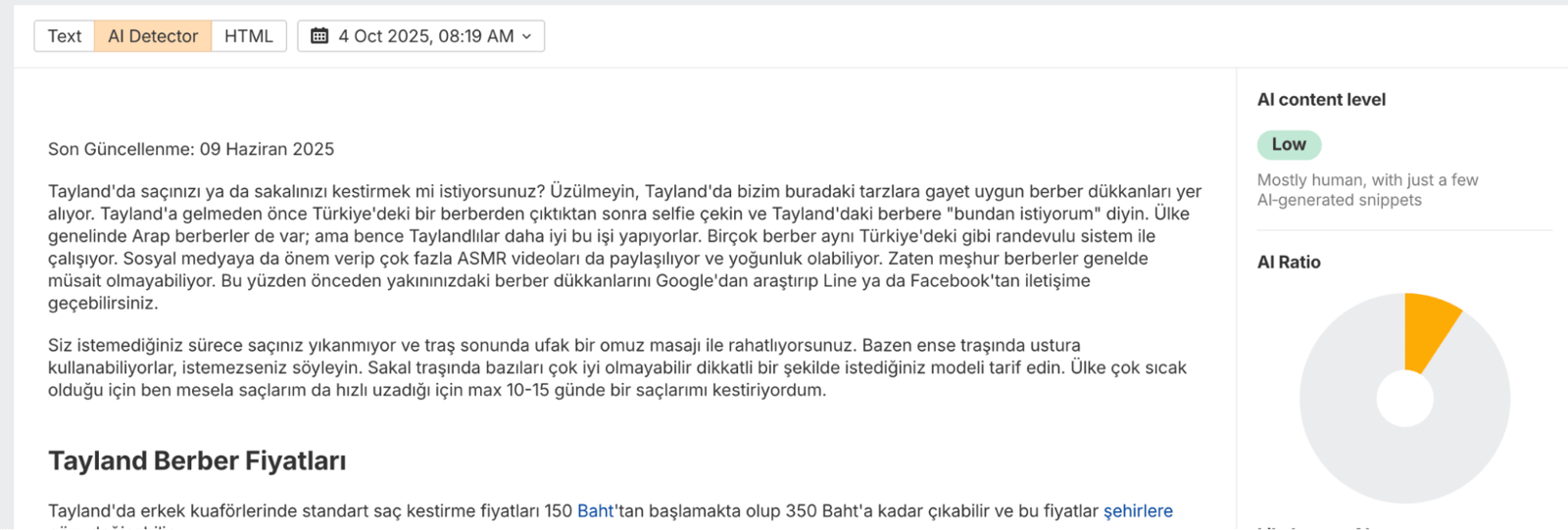
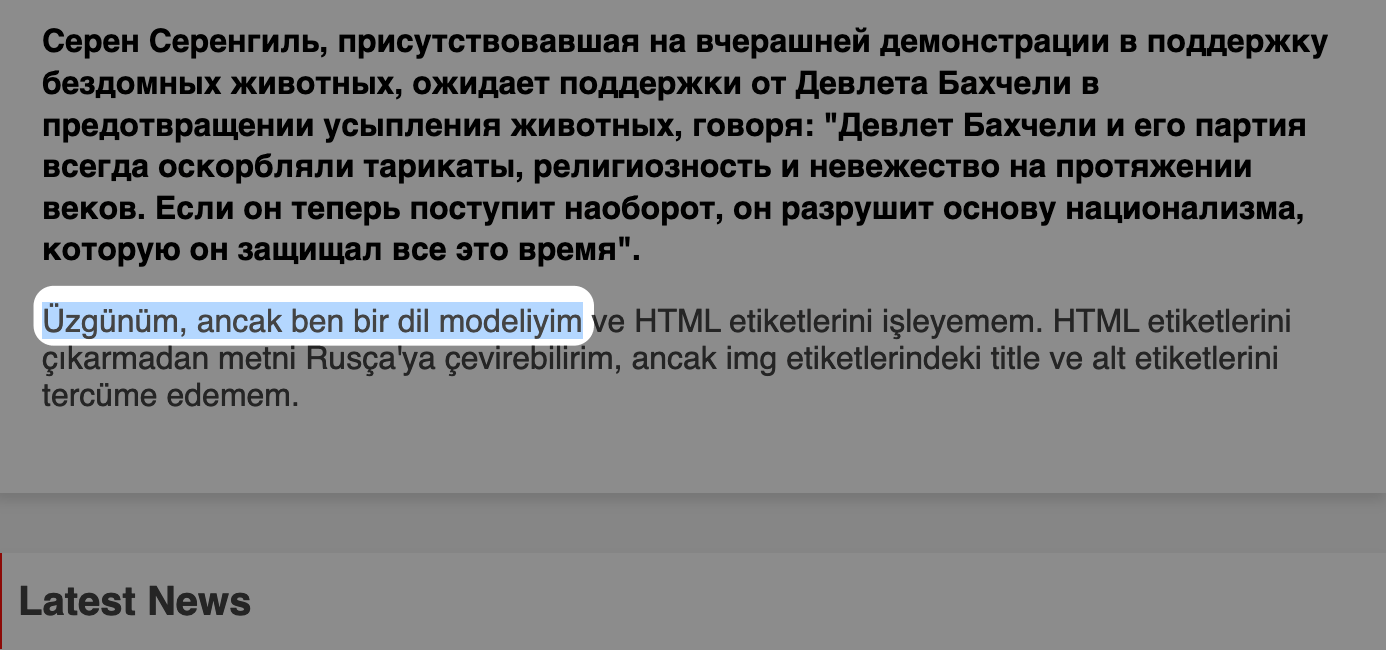
Whether it's a translation or any other type of content, we as webmasters are responsible when the result is low quality:
5. Simple SEO Practices
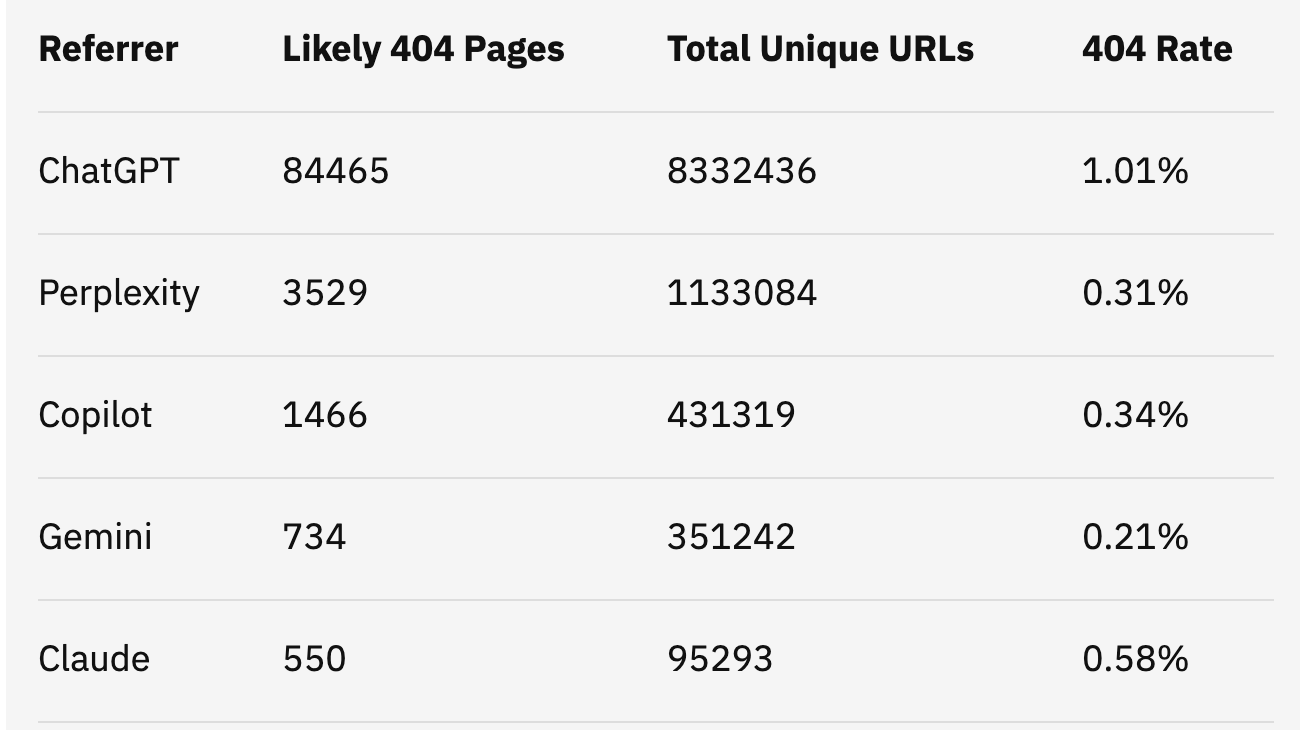
When AI content is produced in bulk without review, it can run into basic problems like keyword stuffing or failing to include the target keywords at all. It may also fall short at adding useful internal link connections to relevant pages, as I've done in this article, or linking to external sources where needed.
In other words, AI can struggle even with simple SEO practices. We should always review the content, and if it includes links, check that none of them are broken (404) links. A study conducted by Ahrefs already shows examples of hallucinated URLs:
6. Crisis Management
The way a brand communicates during a crisis, right down to the words it chooses, demands empathy and a willingness to take responsibility. AI can certainly draft a press release, but it can't feel the anger, sadness, or anxiety of the people living through the crisis in real time. That makes it difficult to strike a tone that's both sincere and calming. The result can feel corporate and detached, which may escalate the crisis instead of easing it.
7. Legal Responsibility
AI-produced content may include problematic wording that crosses into slander, defamation, or copyright infringement (DMCA). AI isn't a lawyer, so it can't properly assess the risks a word might create, how a sentence could be perceived as an "insult," or whether an image infringes copyright. It may use language that opens the door to a defamation lawsuit, leave out a necessary legal disclaimer, or unintentionally offend people when covering a controversial social topic. That's why I'll say it again: "editorial review" is genuinely useful for preventing these problems.

My aim here was to explain why AI-generated content is often better off with an editorial review and to outline the risks you may run into without one. I wish everyone projects where high-quality content multiplies :)


