


Building a well-crafted Spotify podcast takes real effort, and making it stand out to listeners matters just as much. In the digital music and podcast world, optimizing your podcast through SEO can dramatically boost your visibility and engagement. Here are eight tips to help your podcast stand out.
Why SEO Matters in the Spotify Ecosystem
Search Engine Optimization (SEO) isn't just for websites. SEO for Spotify podcasts helps the platform surface your content to the right audience.
Benefits of SEO for Producers and Publishers
- Increased Visibility: The right SEO techniques can move your podcast higher in search results.
- Targeted Audience: You can attract listeners who are specifically interested in your carefully crafted podcast.
- Enhanced Engagement: More visibility means more engagement, sharing, and feedback.
1. Creating the Perfect Podcast Headline
The title of your podcast works like a newspaper headline: it needs to grab attention immediately and convey what the show is actually about.
Tips for SEO-Friendly Header
- Be Specific, Not General: Choose a title that clearly expresses your podcast's theme and topic. For example, a more specific, descriptive title like “Latest Trends and Strategies in Digital Marketing” works better than “Marketing Podcast”.
- Use Relevant Keywords: Include keywords in your title that match what listeners are likely to search for. “Top SEO Tactics in 2024” is more discoverable than ‘SEO Tips’.
- Reflect on the Mood and Content: Pick titles that reflect your podcast's topic and style. Titles like “Inspiring Entrepreneurship Stories” or “Daily Meditation: Techniques to Reduce Stress” appeal to a specific audience.
- Keep it Short: Make sure the full title appears in search results. Do not exceed 60-70 characters.

- Use Popular and Related Terms: If your podcast covers a current topic or trend, working it into the title can attract more listeners. For example, “The Future with Artificial Intelligence: What to Expect in 2024” draws in listeners who follow that topic and trend.
- Avoid Clickbait: A misleading title might bring in clicks, but to keep listeners around long-term, your title needs to accurately reflect the content.
Effective Podcast Headline Examples
“Introduction to the World of Coding: Beginner Programming Tips”
“Marketing Stories: Successful Strategies in the Digital World”
“Creative Entrepreneurs: Inspiring Success Stories”
“Stress Management: Meditation Techniques in Everyday Life”
“Women Leaders in Business: Experiences and Advice”
“Futurism Talks: On Future Technologies”
2. Mastering Podcast Descriptions
Descriptions are one of the best places to use SEO to help listeners discover your podcast. A good description gives context to your content while pulling in potential listeners through the right keywords.
How to Optimize Your Podcast Description
- Keyword Integration: Including keywords related to your podcast's topic in the description makes you easier to find in search. For example, “In this podcast, we bring healthy living and nutrition tips to our listeners.”
- Be Short and Informative: Tell listeners what your podcast is about in a few short, punchy sentences. For example, “Discover the latest trends and success stories in the world of entrepreneurship.
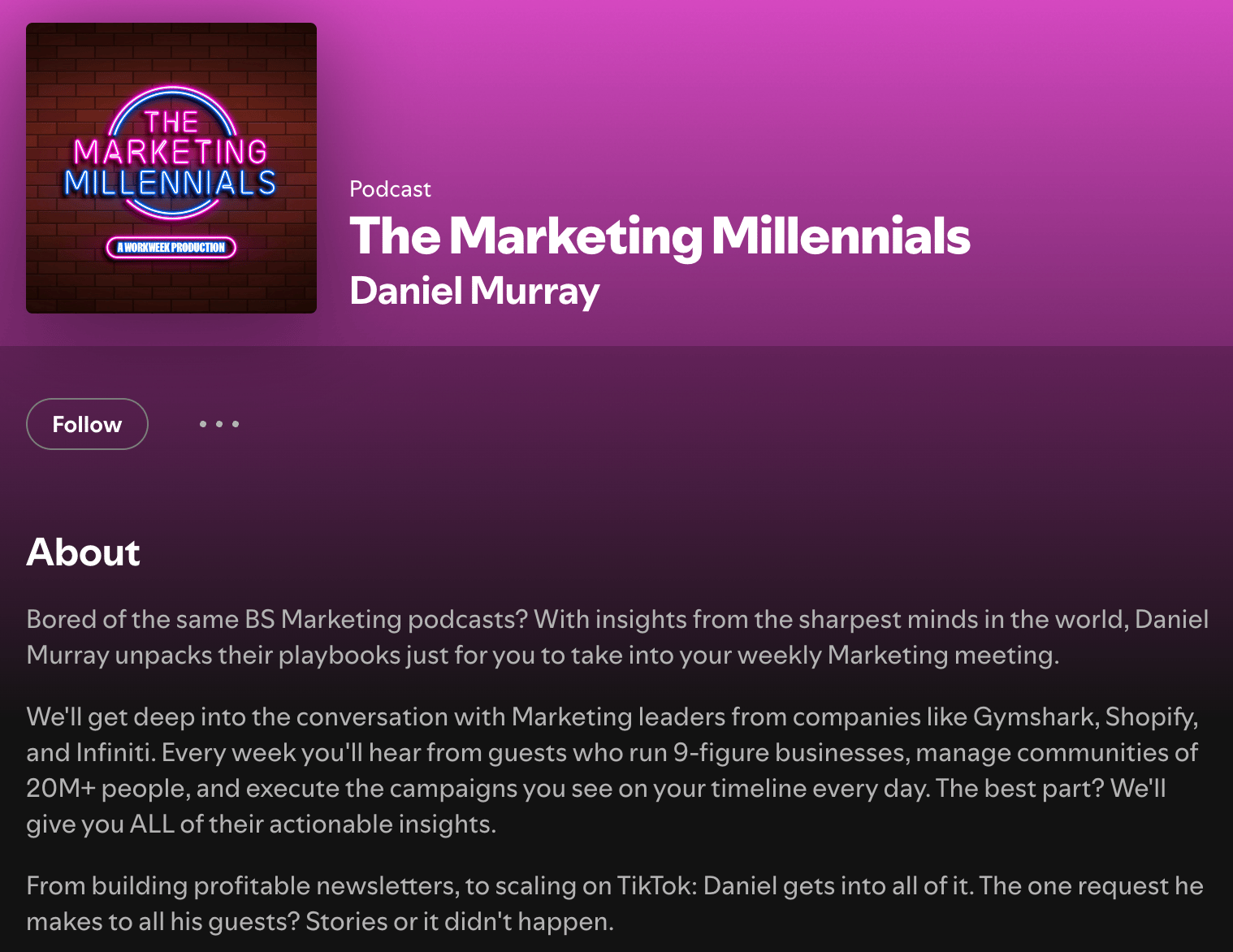
- Include Important Guests: Host guests who are experts on your podcast's topic. Naming the experts you've hosted can pull in their audience too. For example, “A conversation with X, one of the leading names in digital marketing, on the future of digital marketing and artificial intelligence.”
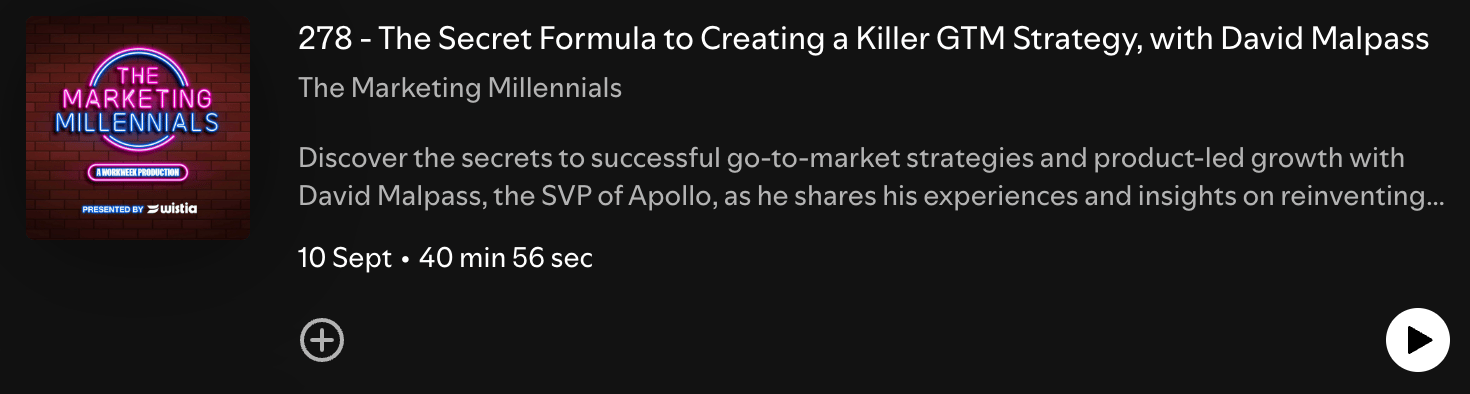
- Use Emojis in Moderation: Emojis can grab attention, but overusing them can undercut a professional look. A few well-placed emojis to reinforce your message are enough.
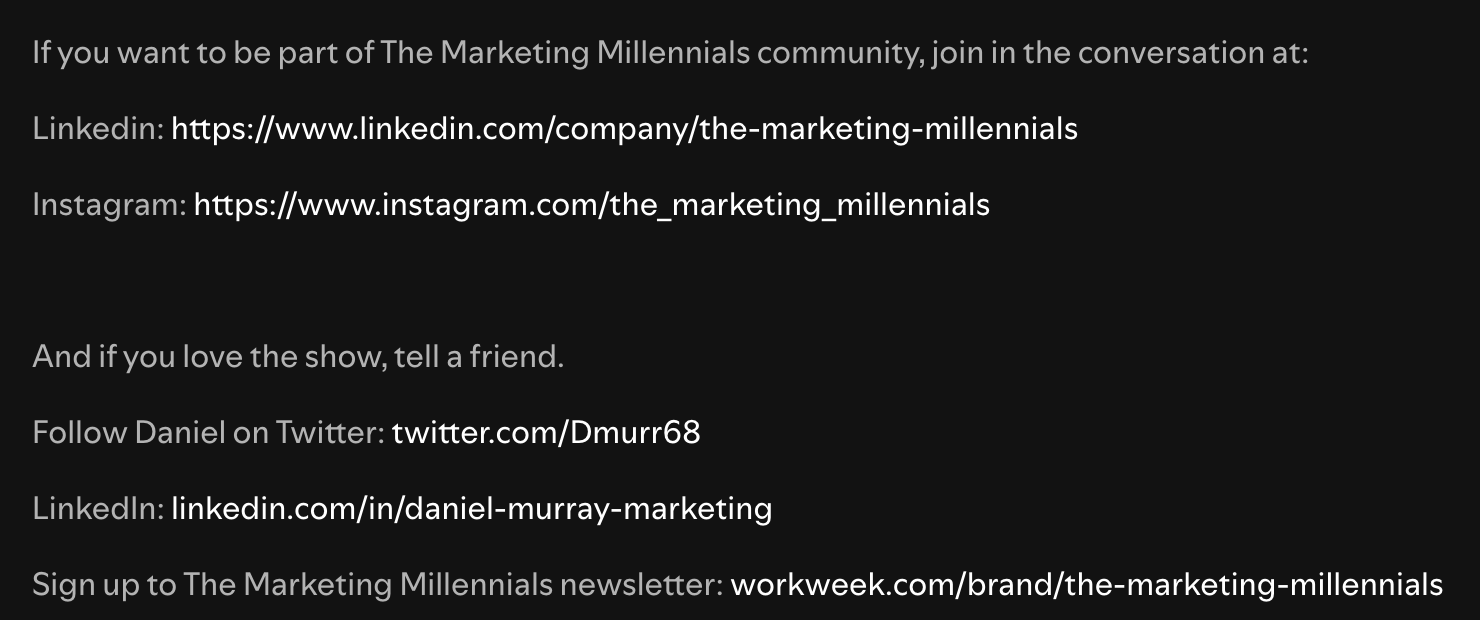
- Update Regularly: Keep your podcast's description current, especially as you add new episodes or shift topics.
- Take Action: Invite your audience to engage. For example, “Don't forget to subscribe for weekly marketing tips!”
3. Creating Eye-Catching Cover Images
Your podcast's cover image is your billboard, so it should look visually striking, relevant, and professional.
Best Practices for Podcast Cover Art
- Maintain Brand Consistency: Keep a consistent style or theme across your covers.
- Use High-Quality Images: Make sure your cover art looks sharp on both mobile and desktop screens.
- Reflect on the Mood of the Podcast: Choose colors and images that match your podcast's theme.
- Integrate Text Smartly: If you add text, make sure it stays readable at small sizes.
- Pay Attention to Copyright: Only use images you actually own the rights to.
- A/B Test Your Covers: Try different designs and track which ones attract more followers.
Tools to Create Cover Images for Podcasts
- Canva: Offers templates for Spotify podcast covers.
- Adobe Spark: A good option for professional-looking designs.
- Photopea: A free, web-based alternative to Photoshop.
- Midjourney or DALL-E: For unique, AI-generated creative visuals.

Generated via Midjourney / Edited in Canva
Prompt: A sleek, modern podcast cover image for 'TechTalk Marketing'. Dark background with electric blue and neon green accents. Prominent bold futuristic font for the title. Incorporate subtle digital marketing icons like analytics charts, social media symbols, and SEO graphics. Feature a high-tech microphone as the central element. Clean, professional design appealing to tech-savvy marketers. Square format optimized for podcast platforms. --ar 1:1 --v 6.1 --q 2
4. Promoting Podcasting Beyond Spotify
Creating an engaging podcast is only half the battle. Promoting it well enough to reach the right audience matters just as much as the content itself.
Effective Promotion Strategies
- Use Reddit: Share your podcast in relevant subreddits and take part in those communities; joining topic discussions is especially useful.
- Instagram Stories: Use the 'Scroll Up' feature on Instagram Stories to announce new episodes, or add a link to your podcast in your bio.
- X (Twitter) Engagement: Tweet using hashtags relevant to your podcast's topic and engage with related communities. Using the right podcast hashtags can boost your visibility.
- Facebook Groups: Join groups relevant to your podcast's theme and share new episodes there to expand your audience.
- Collaborate with Influencers: Partnering with bloggers, YouTubers, or social media influencers connected to your podcast's topic can reach a wider audience.
- Cross-Promote: Team up with other podcasters. Guest on their show, or have them promote yours.
- Create Podcast-Related Content: Reach new listeners by creating blog posts, YouTube videos, or social media content around your podcast's topic.
5. Targeted Advertising Strategy for Podcasts
Consider setting aside a small budget for targeted advertising on social platforms.
- Define Your Audience: Identify who's interested in your podcast's topic and target your ads to their interests. For example, a business podcast could target professional networks.
- Create Compelling Ad Copy: Clearly articulate what makes your podcast unique and what problems it solves. For example, “Join us for our weekly podcast series filled with inspiring entrepreneurial stories.”
- Use Eye-Catching Visuals: Use your podcast's cover image, or a custom image per episode, to grab attention visually.
- Monitor and Optimize: Continuously track ad performance, see which types of ads work best, and adjust to get more out of your budget.
6. Promote Interaction and Build a Community
Interaction drives organic growth, so build a sense of community around your podcast.
Ask for Suggestions: Make your listeners part of your podcast by asking for guest or topic ideas; it also helps you understand their interests better.
Follow Social Media Trends: Engage with popular social media formats. For example, organize weekly discussion threads or polls to encourage listener engagement.
Behind the Scenes Shares: Share the process behind making your podcast. Connect with listeners by showing your inspiration, guest selection, or recording process.
Listener Collaboration: Strengthen your community by discussing episodes, answering listener questions, or featuring stories they've submitted.
Respond to Comments: Actively respond to feedback on Spotify, Apple Podcasts, or social media. It helps build a strong connection with your listeners.
Create Side Podcast Series: Diversify your content and reach new audiences by launching spin-off series on popular themes or subtopics from your main podcast.
7. Performance Monitoring and Analysis
Strengthen your strategy by accurately analyzing your podcast's performance.
Key Metrics to Track
Follower Growth: Track the speed at which you gain new followers.
Listen Counts: Track the total number of listens to your podcast and the number of listens for each episode.
Save Rate: Track how often listeners save your podcast or specific episodes.
Discovery Rate: See whether listeners found you through search or recommendations.
Listener Demographics: Use audience demographics to tailor your content more effectively.
Tools for Deeper Insights
- Spotify for Artists: Provides valuable data on podcast additions.
- Chartmetric: Provides in-depth analytics on podcast performance and track success.
- Soundcharts: Comprehensive music analytics, including podcast tracking.
- Playlist Push: Provides tools for both artist submissions and podcasters.
8. Keeping Your Podcast Current and Relevant
A stagnant podcast is a dead podcast, so keep yours updated to retain and grow your listeners.
- Create a Regular Update Schedule: Consistency matters for listener engagement, so add new content at regular intervals.
- Create a Content Cycle: Retire or archive old episodes as you add new ones, so listeners always find fresh content.
- Follow Trends: Track popular topics through Spotify playlists and other sources, and work emerging trends into your content.
- Make Seasonal Updates: Boost listener engagement by tying your podcast to seasonal themes, holidays, or special events.
- Announce Your Updates: Let your followers know about new content and invite them back to listen, using social media and other channels actively.
Outcome
Catchy titles, effective descriptions, striking cover art, and regular promotion are all essential to building a successful Spotify podcast. Keep monitoring your performance against listener feedback and adjust your strategy accordingly. Be patient: over time, your podcast will find its audience and grow.
This content was created by Nursena Küçüksoy, Marketing Specialist at Zeo.


