


There are more than 600 million blog posts on the Internet, and more than 2 million blog posts are published every day. Individuals and businesses use blog content to share ideas and expertise while strengthening their online presence.
The same source reports that 77% of internet users read blogs. These figures show why blog content can be a powerful way to engage users and followers.
This guide explains what a website can gain from publishing blog content and what to consider when building a blogging process.
Why Should We Have a Blog Domain?
Your competitors may already be investing in blog content for search terms with high volume and strong competition. A blog gives you a place to target these potential queries with useful content. It can help you:
- expand the pool of keywords you rank for by publishing informative content around target terms,
- increase brand awareness,
- grow organic traffic,
- keep your site active and up to date through regular, accurate publishing,
- build stronger relationships and loyalty with potential customers and your target audience,
- strengthen brand prestige,
- indirectly support conversion rates,
- contribute to the internal link flow that is important for SEO.
Competitor analysis can show which topics businesses in your sector cover and which pages attract the most traffic. Reaching similar queries requires detailed keyword analysis, trend monitoring, and competitor research.
In the holiday and travel sector, for example, competitors may attract substantial traffic from high-volume searches about places to visit, holiday destinations, and historical attractions.
How Should We Open a Blog Area?
Once you decide to add a blog to support your services, you need to consider how it will fit into the site.
URL Setup for Blog Area
Google states that subfolders and subdomains can both be used. From an SEO perspective, however, a /blog subfolder often stands out because it tends to create fewer technical complications, supports link flow, and is more accessible for crawling than a subdomain.
On-site Organization of the Blog Area
Linking to the blog from both the header and footer can improve its visibility.
How Should the Blog Structure Be Built?
Blog content is a long-term investment, so the structure should support future growth.
- List the content under the /blog path.
- Give each published article its own URL, such as example.com/blog/example-content-link.
- Use categories when they will make navigation easier.
Things to Consider When Creating Blog Content Pages
a. Blog Publication Date and Author Detail on the Page
Search engines aim to give users current, readable content. Blog pages should therefore display the day, month, and year clearly and identify the author. These details can support your site's EEAT signals.

Show the original publication date and, when the content changes, the updated date. This information can support SEO performance and make the page more transparent and trustworthy for users and search engines.
b. Use of Table of Content
A table of contents helps users move through a longer article.
You can automatically collect the page's
subheadings into a table labelled "Table of Contents" or another title and add it to each blog page.
Example usage;
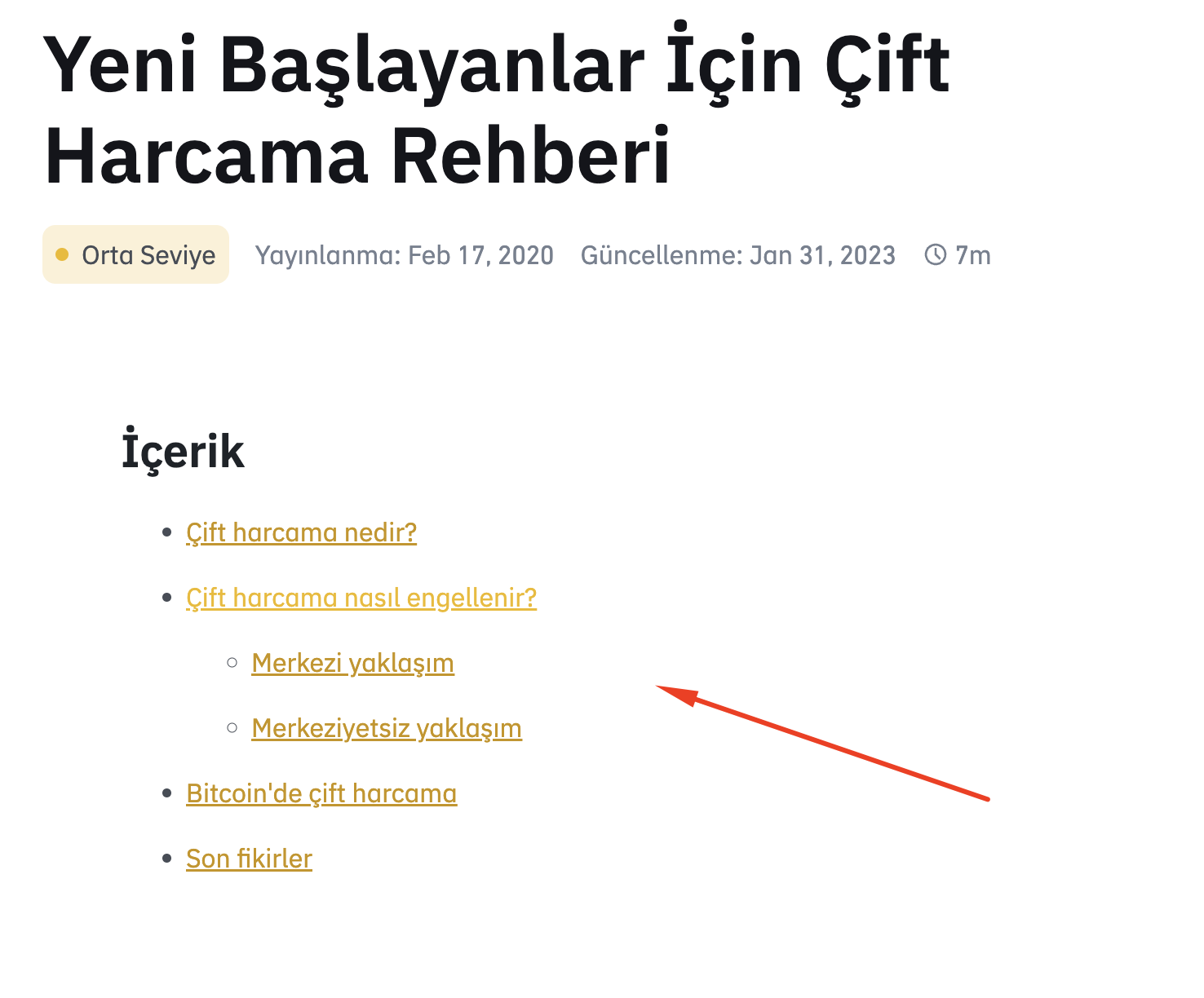
Each entry should link to the relevant subheading and scroll the reader to that section.
The table should appear only when the article contains at least 2
elements.
c. Using Breadcrumb
Each blog article should include a breadcrumb. Its final step should display the title of the current article without linking it.

With the use of Schema, you can give search engines structured information about the content you want them to show in search results. BreadcrumbList is one schema type that supports this purpose.
Breadcrumb Schema indirectly supports a page's SERP presence in several ways:
- Improved User Experience: A breadcrumb trail helps users understand where they are on the site and how to return to an earlier level. This creates a more user-friendly experience, which is a factor in Google's search ranking algorithm.
- Improved Click-Through Rate (CTR): Breadcrumbs appear below the page title in SERPs and give users more context. This may make the listing more useful and improve its click-through rate.
- Rich Snippets & Rich Results: Breadcrumb schema can improve how the page appears as a rich result, which can help it stand out and attract more clicks.

- In-site Linking: Breadcrumbs can make it easier for search engines to crawl the site, since they provide another way to understand its structure.
d. Recommended Content
At the end of an article, you can present 2 or 3 related articles under a heading such as "Recommended Content." Each recommendation should be relevant to the current article and useful to the reader.
You can also place the most relevant recommendation between sections. This gives readers who do not reach the end of the article another route to related content. For example:
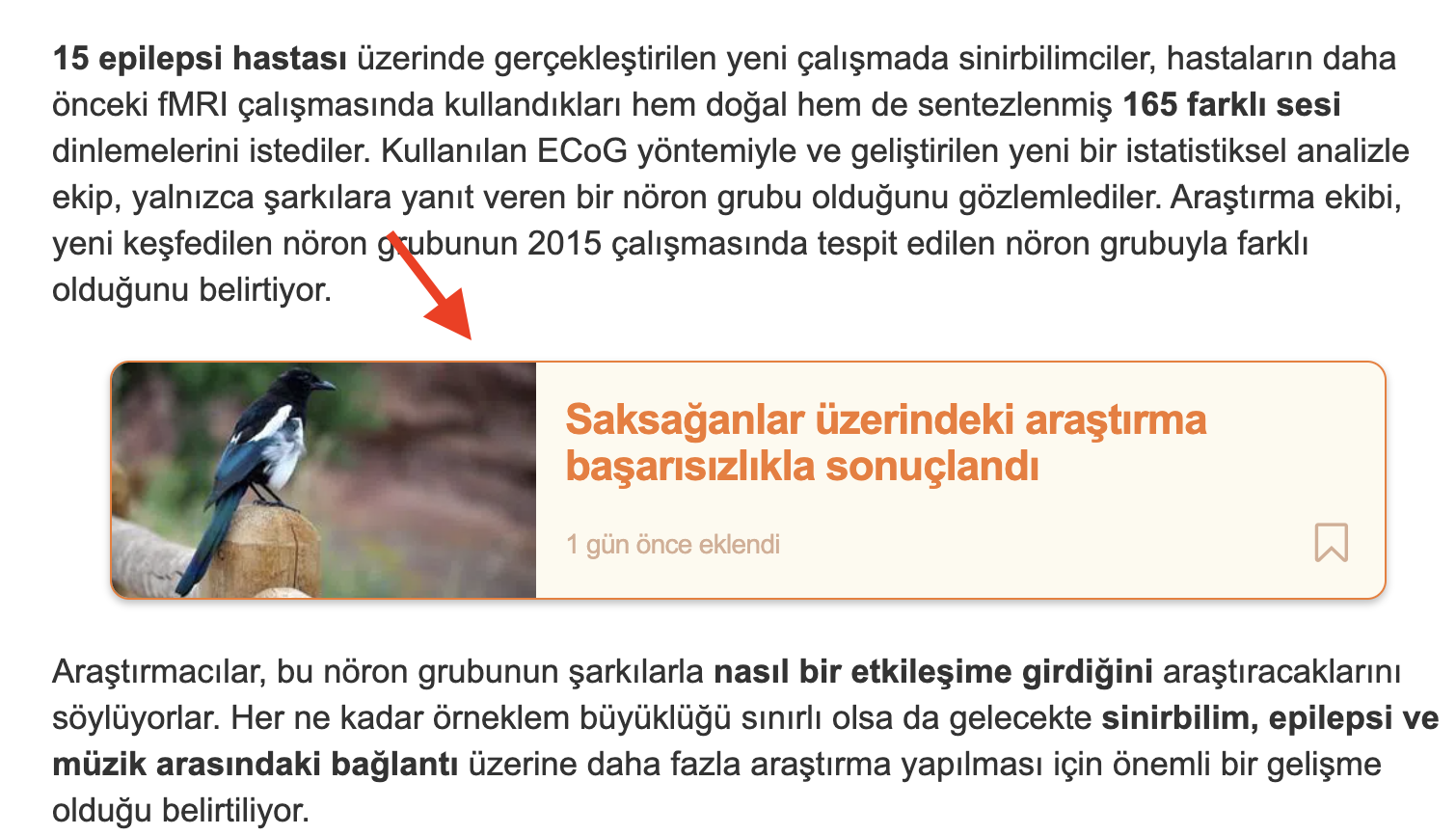
Relevant recommendations can improve the user experience by reflecting readers' needs and interests.
If someone is reading an article about "Nike running shoes," for example, you might recommend "Best Running Shoes Comparison" or "What to Consider When Running in Winter."
Your most clicked or most popular articles can also appear in the recommendation area.
e. In-site Linking
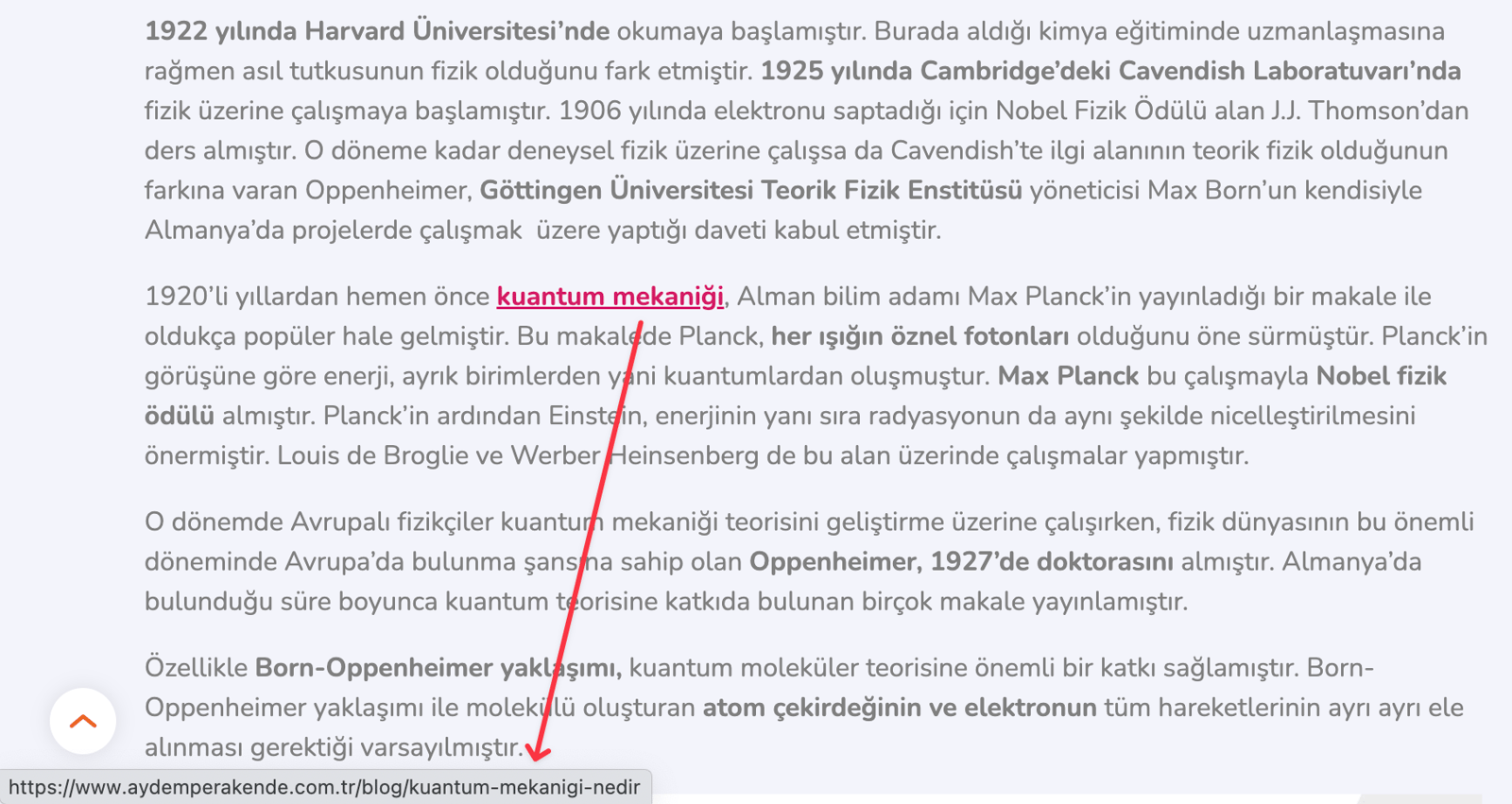
Blog articles can link to other blog posts as well as relevant product and service pages.
f. Using BlogPosting or Article Schema
BlogPosting Schema gives search engines a stronger signal about an article's author and dates. It lets you provide the information shown to readers on the page in the source code as structured data too.
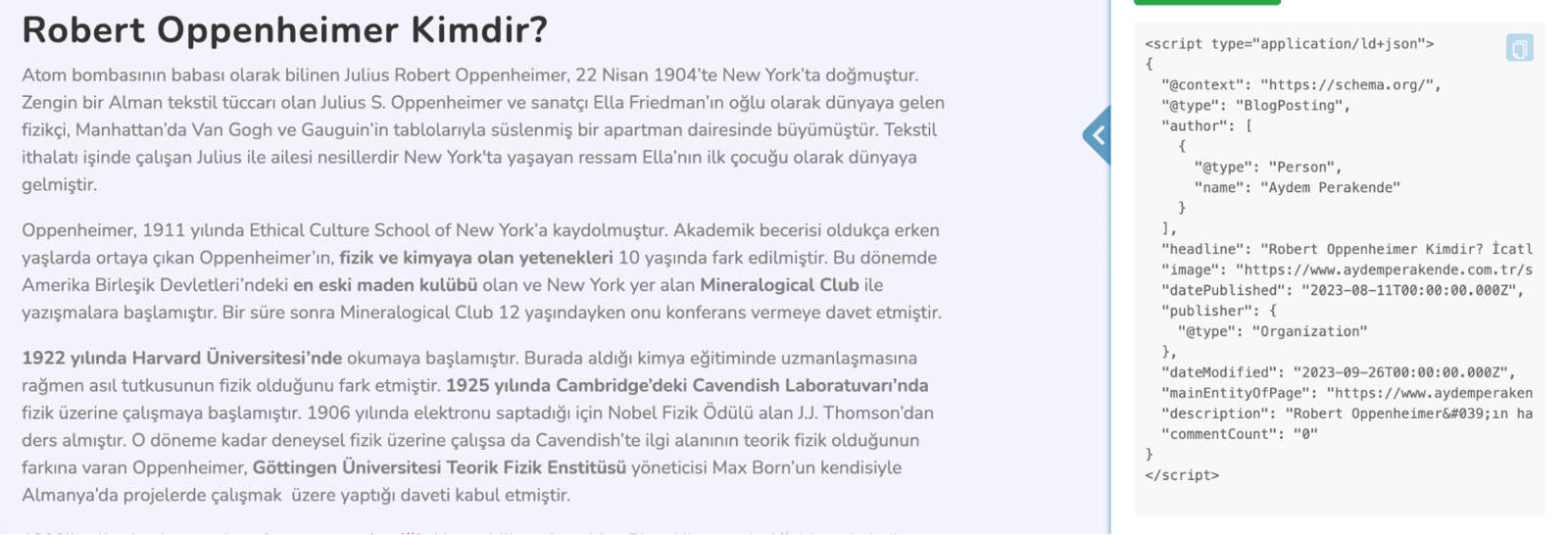
Article Schema may be more appropriate for an in-depth, formal, or comprehensive article. Choose the schema that most accurately represents the page so search engines can understand and display it correctly.
g. Frequently Asked Questions
An FAQ section at the end of an article can answer common questions or queries readers may have about the topic.

An FAQ section can contribute to SEO performance in several ways:
- Content becomes more user-oriented: Direct answers to common questions make the article more useful and may encourage readers to spend more time on the site.
- 10x Contribution to Content Structure: An FAQ broadens the article's scope, supports higher-quality coverage, and contributes to a '10x content' structure.
- Extensive Keyword List: Relevant keywords and semantically related phrases can appear naturally in FAQ answers, helping search engines understand the content and potentially rank it for a wider set of terms.
- People Also Ask: Answering common questions may increase the likelihood of appearing in 'People Also Ask' results or for long-tail searches, which can contribute to organic traffic.
h. Keyword Density
Keyword density describes how often a keyword appears on a web page. Keyword stuffing can harm search rankings, so keywords should appear naturally.
i. Interaction with the User
Allowing comments on blog posts gives users a way to interact with your brand.
You can also encourage readers to share articles on social media, extending the content's reach while supporting engagement.
j. Content Updating
Update content when its information becomes outdated. Remove or revise material that is unnecessary or no longer valid to improve the article's quality and reliability.
For example, if your site already has an article about EAT, you may need to revise it after Google announces the EEAT metric.
Competitor Analysis
Competitor analysis is an important part of a blog strategy. Understanding competitors' blog structures and the keywords they rank for can help you set priorities.
Look beyond keywords as well. Reviewing what competitors publish, which topics they emphasize, and which subjects they leave uncovered can reveal opportunities and new directions for your own blog.
Questions about how competitors categorize their blogs, which subjects they cover, and whether those subjects fit your target audience can guide the analysis.
SEO tools can help you review competitors' keywords, backlink profiles, site structures, and other signals. A detailed analysis can follow these steps:
- Identify Competitors: Start with websites or blogs that rank for the same keywords or serve a similar audience in your niche. You may already know your commercial competitors, but the search results can reveal other publishers covering the same blog topics.
- Identifying Competitors' Popular Content: Use Ahrefs or a similar tool to find the competitor pages receiving the most traffic. In Ahrefs, this information appears in the "Top Pages" report.
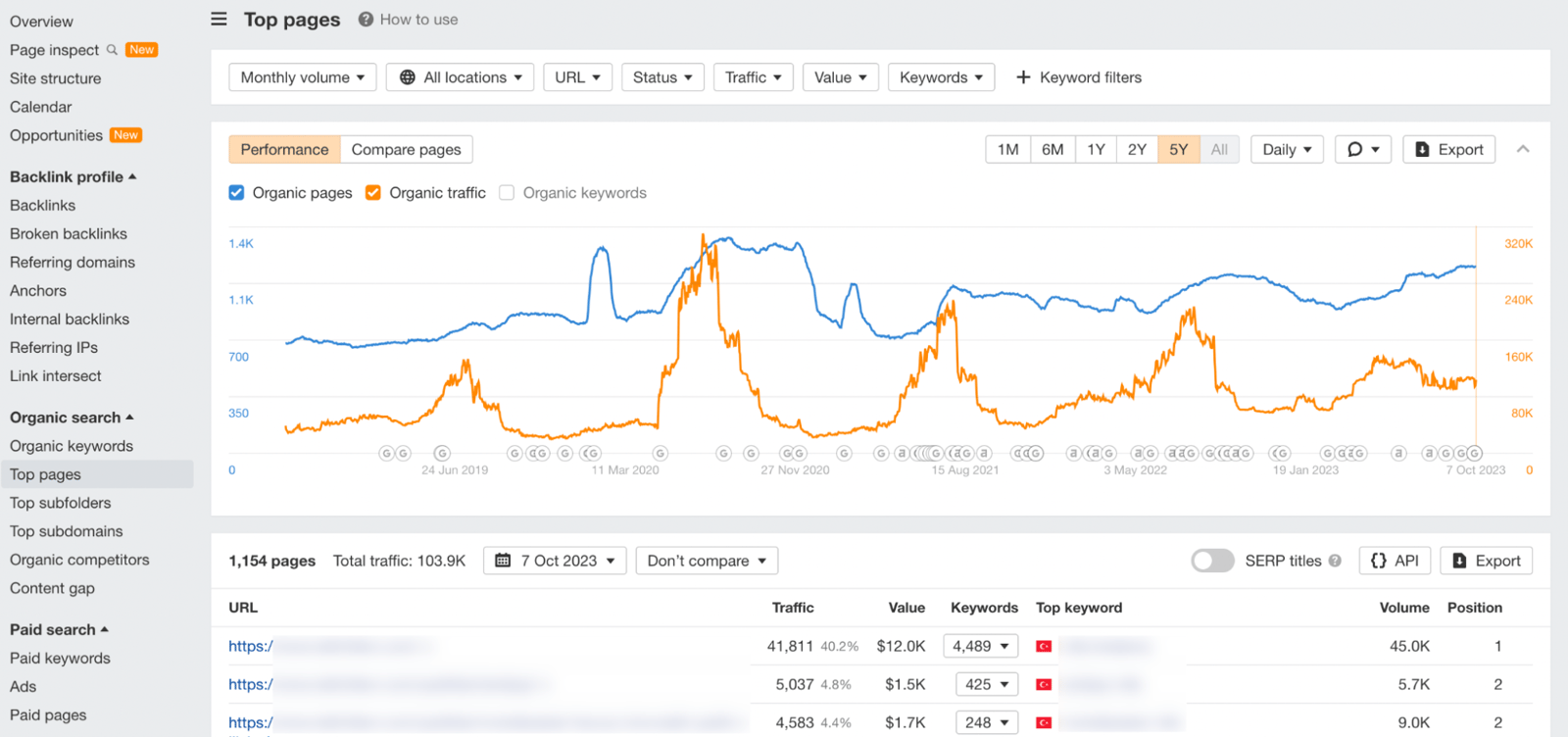
Review the topics they cover, the angle they take, the keywords they rank for, and the way they structure each article. You can then support the Ahrefs analysis with manual checks.
A manual review may show formats your blog does not yet offer, such as infographics or videos. You can use that finding to plan similar formats where they suit your content.
- Backlink Research: Examine which competitor articles receive backlinks and why. Ahrefs can show the websites linking to a specific page.
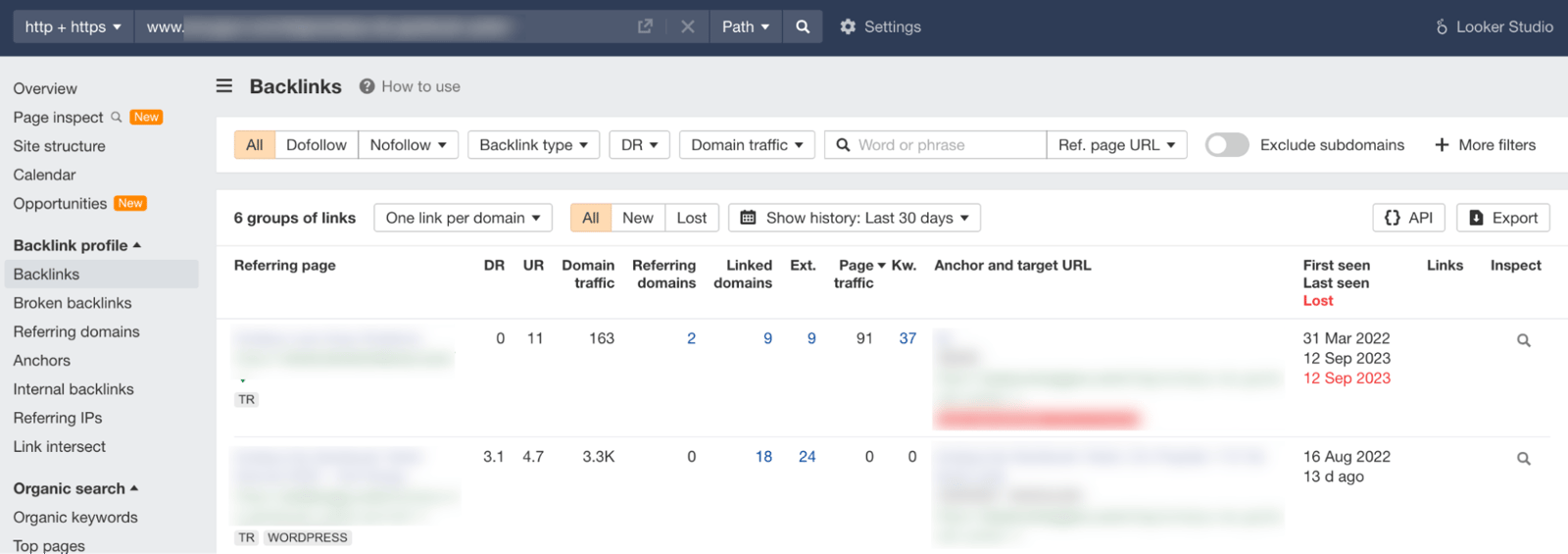
These findings can suggest ways to improve your backlink profile and identify opportunities to strengthen your blog content.
- Content Gap Analysis: Ahrefs' Content Gap analysis shows keywords that several competitors rank for while your site does not.
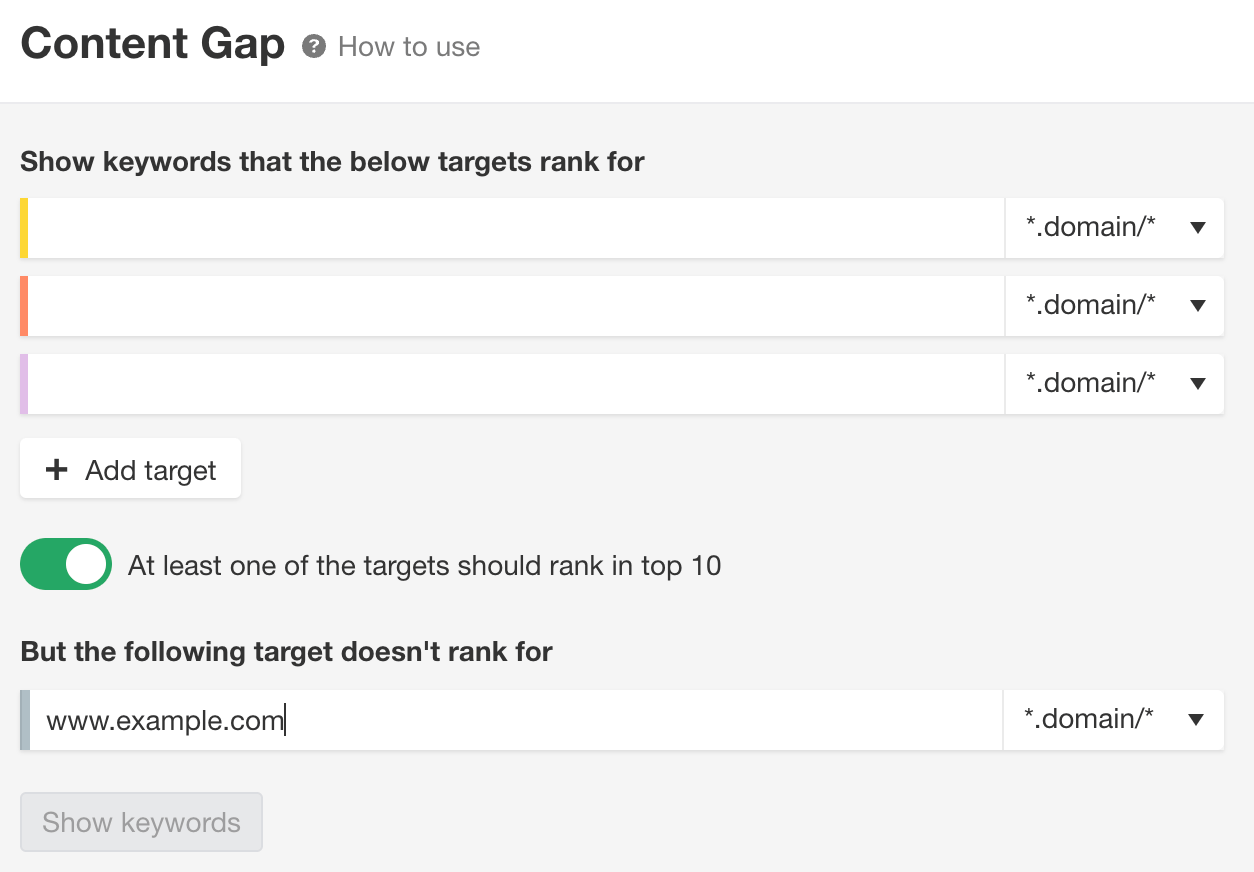
The report can reveal keyword opportunities and help you plan content for relevant terms your brand has not yet targeted.
Performance Measurement
After publishing, measure performance over time to see whether the blog is meeting its goals. Search Console, Google Analytics, and Ahrefs can all support this work.
Google Search Console shows how the site performs in Google search results. You can identify the queries sending traffic to the blog, review impressions and clicks, and find technical issues that may affect SEO performance. The data also shows which topics reach more users, helping you plan related content around demonstrated interest.
Ahrefs can track backlinks and keywords, identify popular blog posts, and provide organic traffic details.
Last Words
A clear blog structure and a consistent supply of useful, strategic content can help a brand compete within its industry. Blogging can support both organic traffic and conversion.
A well-designed content strategy can grow organic traffic, indirectly support customer acquisition, and strengthen domain authority by attracting backlinks. Success still depends on publishing informative, engaging material that gives readers something useful. Keep their needs at the center of every article.
This content was created by Zülal Hoşgör, SEO Specialist at Zeo.


