


Artificial intelligence (AI) developed rapidly in the years leading up to this article, particularly in natural language processing and machine learning. OpenAI is a research organization founded in 2015 to support and advance AI technology. ChatGPT is a natural language processing model optimized for conversational language. It can answer questions quickly and provide detailed responses, producing text that often feels more natural and varied than the output of earlier language processing models.
But should this text be used for SEO? Many people have wondered whether Google can identify content created with AI. Researchers at Google and other organizations have worked for years on algorithms designed to detect AI-generated content. At the time of writing, detecting this type of content was often described as a largely solved problem. However, there was no evidence or documentation showing that Google had detected AI-authored content. (Source: https://techcrunch.com/2022/12/10/openais-attempts-to-watermark-ai-text-hit-limits/)
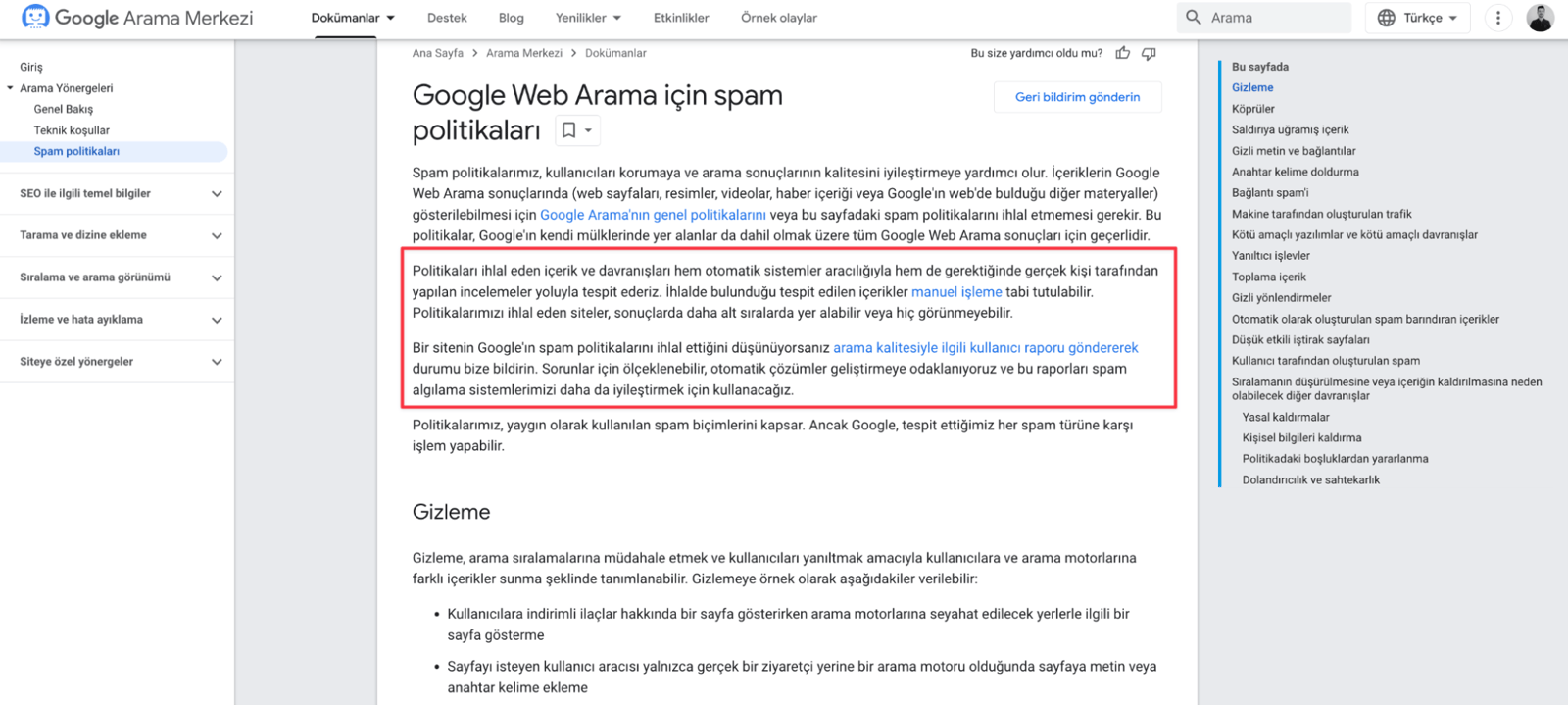
In April 2022, Google engineer John Mueller said that AI-generated content violated Google's guidelines and was considered spam. He also states that this type of content could lead to a manual action because it fell into the category of automatically generated content. At the time, there was still no clear answer about whether Google could identify content produced with ChatGPT.
Reports also suggested that Google management viewed ChatGPT as a threat and issued a code red during its launch.
As AI-based language models evolve, Google's webspam team will continue working on this topic. At the time of writing, Google's position on automatically generated content was clear. Google makes it clear that automatically generated content is spam when it adds no value or original contribution.
What is Open AI?
OpenAI is an artificial intelligence (AI) research and deployment company that aims to make AI benefit all of humanity. The non-profit AI research company was founded in 2015 by Altman, Musk and other Silicon Valley investors.
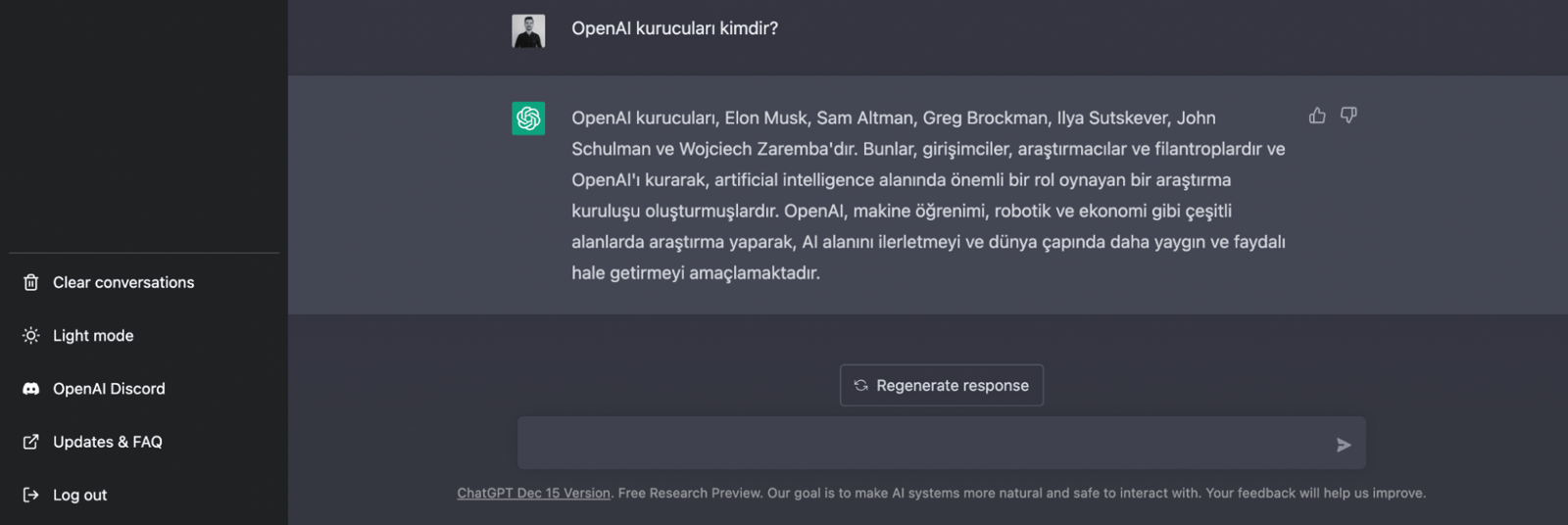
The company developed several influential AI models and technologies, including GPT, GPT-2 and GPT-3. These models use the Transformer architecture and can produce human-like text. One of OpenAI's main goals is to develop and promote AI in a transparent, accountable and fair way. To support that goal, the organization published numerous research papers and made AI models and technologies available through open-source licenses or API (Application Programming Interface) access.
How ChatGPT and Open AI came into our lives?
ChatGPT quickly became one of the most widely discussed technology products of its time. Social media examples encouraged many people to sign up and try it, and the service reached one million users less than a week after launch.
The tool went viral for tasks ranging from writing code to drafting articles. Its rise also prompted warnings that ChatGPT and OpenAI's other products could threaten some professions. However, ChatGPT and other language models developed by OpenAI were designed to help chatbots and conversational AI systems interact more effectively by generating human-like text and dialogue. ChatGPT also focused on responding to users and helping them reach information more easily in daily life.
Although OpenAI's chatbot had gained momentum in the weeks before this article was published, reports suggested that an updated version of the software could arrive the following year.
Content Usage with ChatGPT
ChatGPT is an AI-driven virtual assistant that can support writing tasks. It is designed to make parts of the writing process faster and help users create engaging text in less time.
AI technology can also support content marketing by helping businesses research and organize information from different sources. AI-powered copywriting may improve the efficiency of content production, allowing businesses to create more content in less time while still aiming for quality and coherence.
The Role of AI in Content Utilization
- Artificial intelligence (AI) can support many content production and usage tasks, depending on the need and sector. For example, you can ask it to write code in a specific programming language when you are struggling with a problem.
- AI can help create blog posts, social media posts and product descriptions. This may be useful when demand for content is high and the number of available writers is limited.
- AI can sort large datasets and organize them according to defined rules.
- AI can analyze content to identify trends, detect sentiment and extract important information. This analysis can also reveal opportunities to make the content clearer.
- AI language models can tailor content to users' personal preferences and interests.
In general, AI can assist with content creation, curation and optimization. It can help organizations produce material that is more relevant to their target audiences.
Using ChatGPT
Using ChatGPT was relatively straightforward at the time this article was written. First, visit https://chat.openai.com/. If you do not have an account, use the registration option in the window that opens.
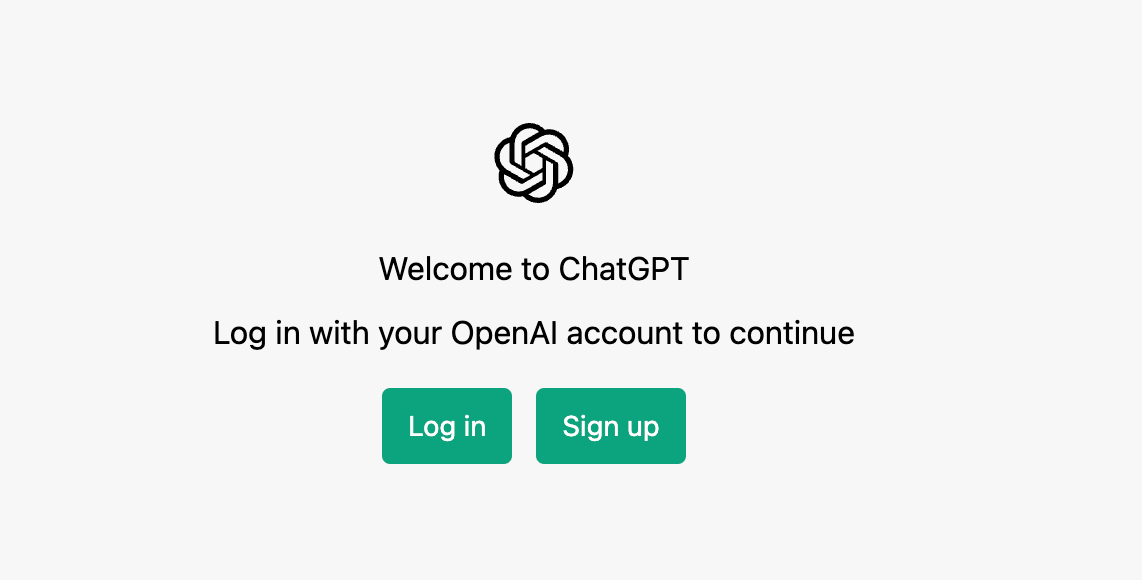
You can then sign up with an email address, Google account or Microsoft account.
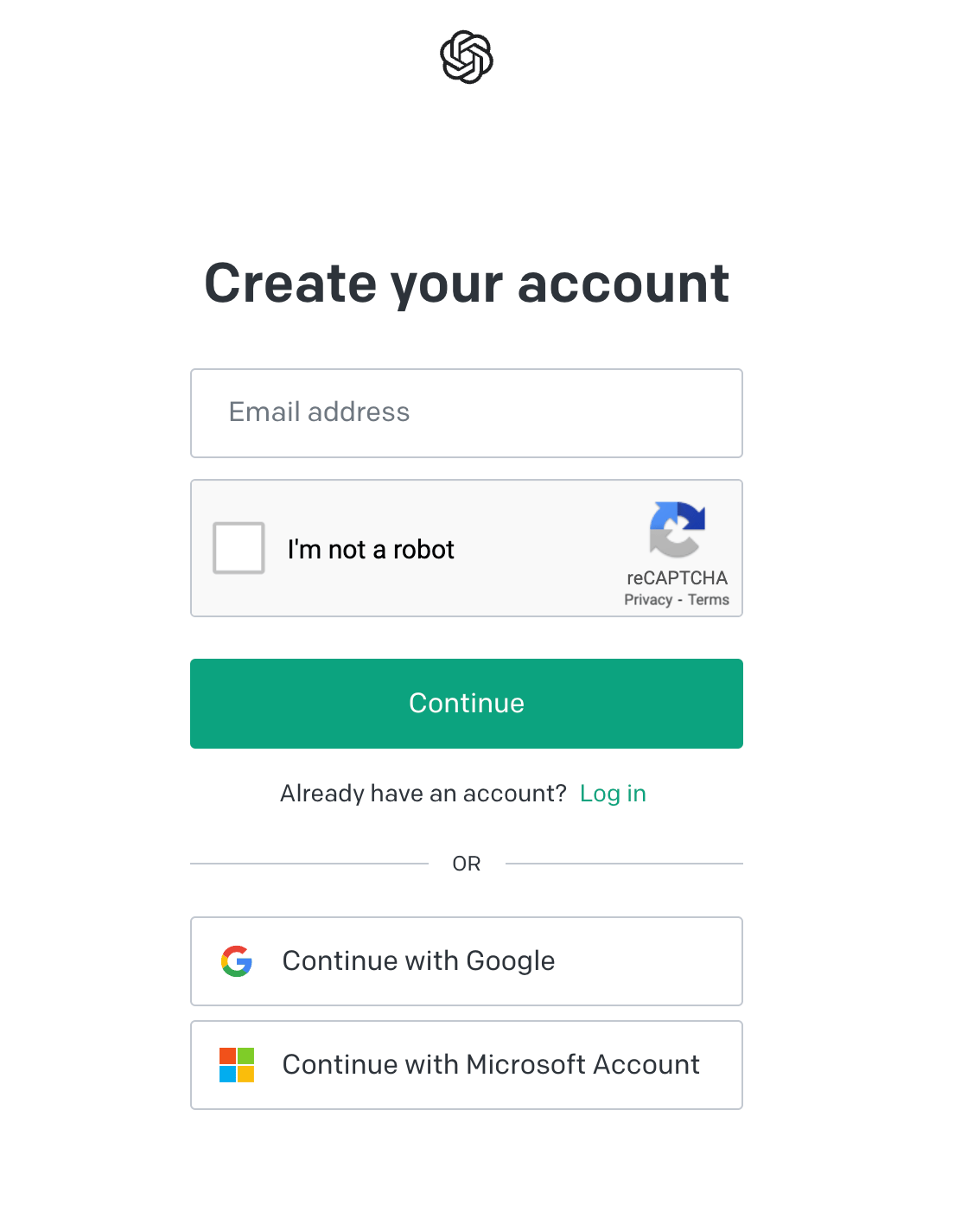
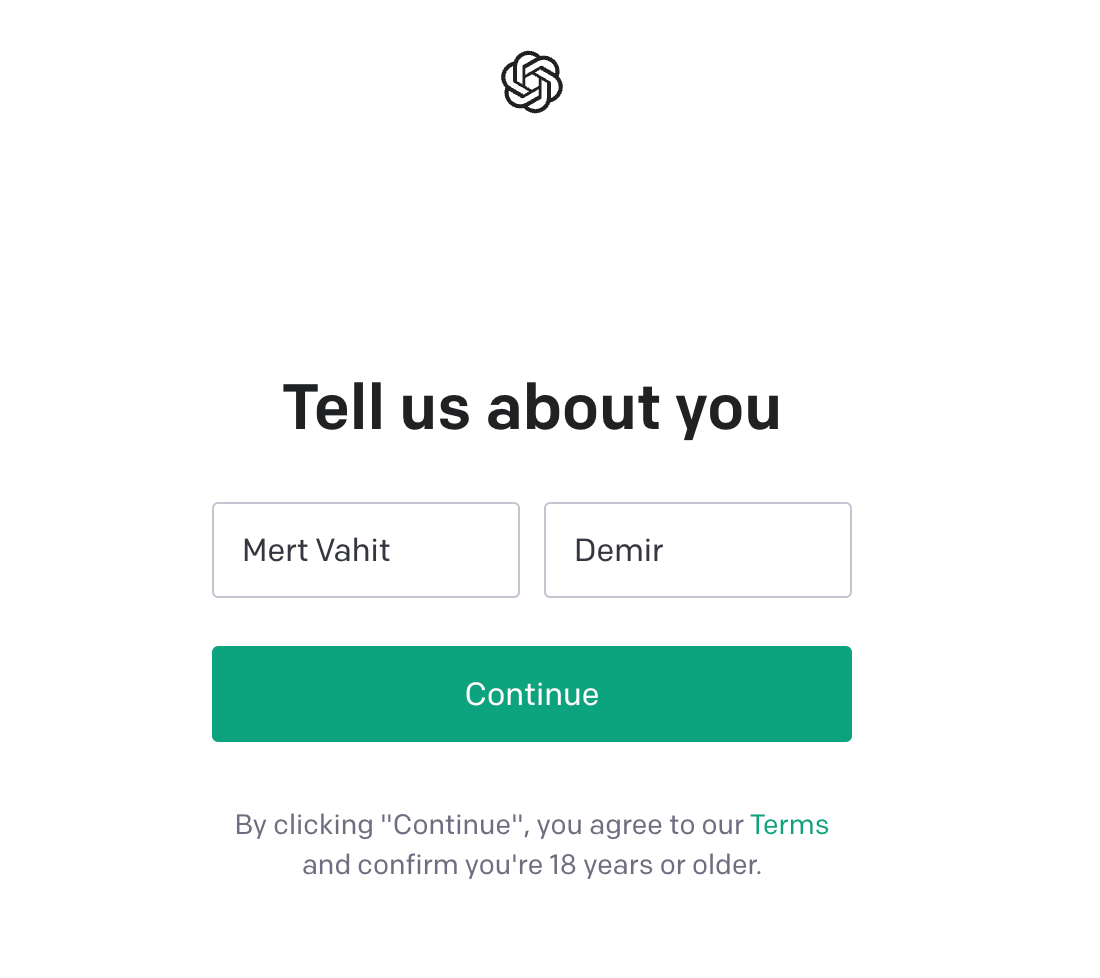
The registration process asks for details such as your name, surname and mobile phone number, followed by a confirmation code to verify the information.
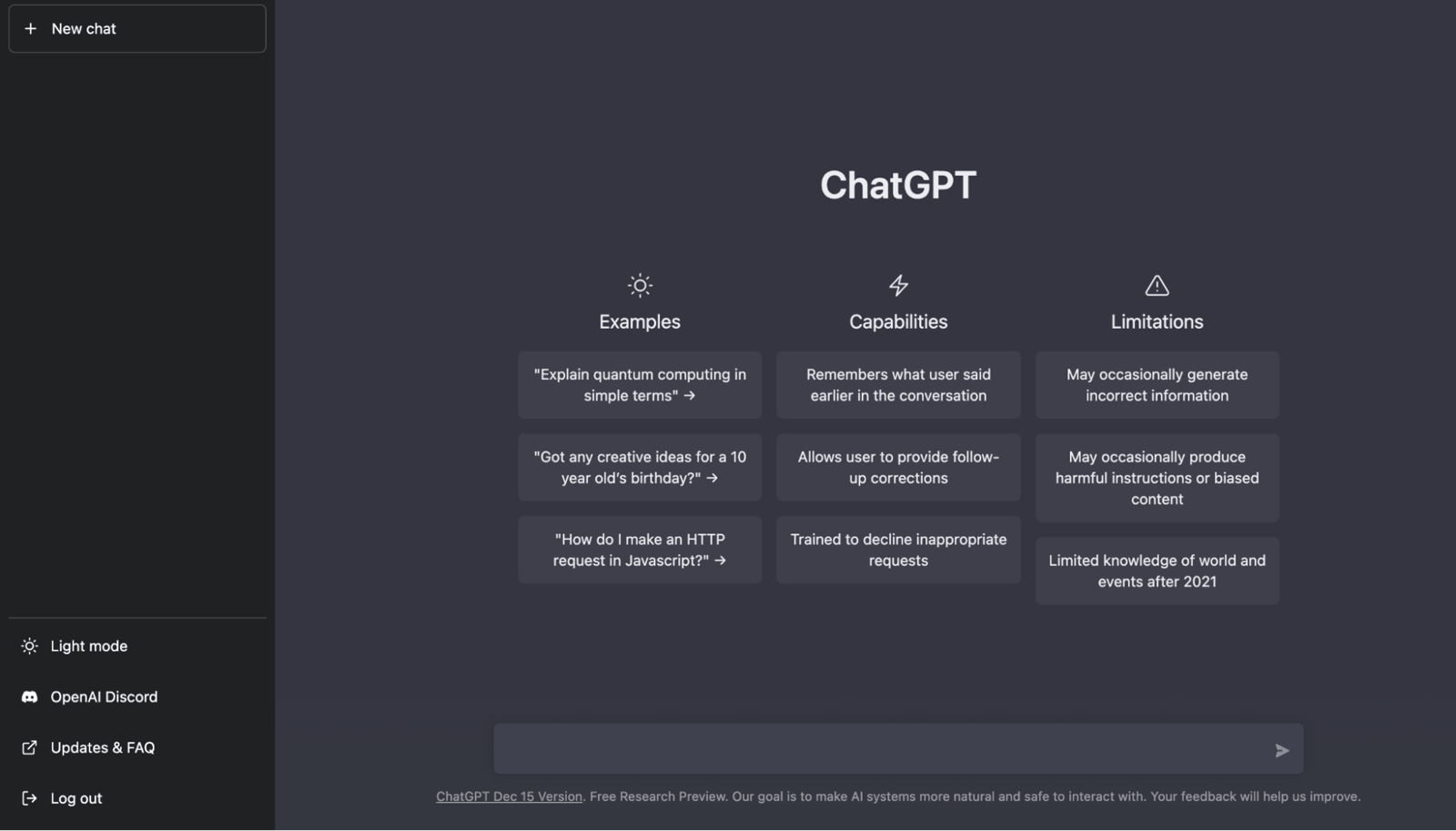
After registration, the interface displays sample uses alongside information about ChatGPT's capabilities and limitations.
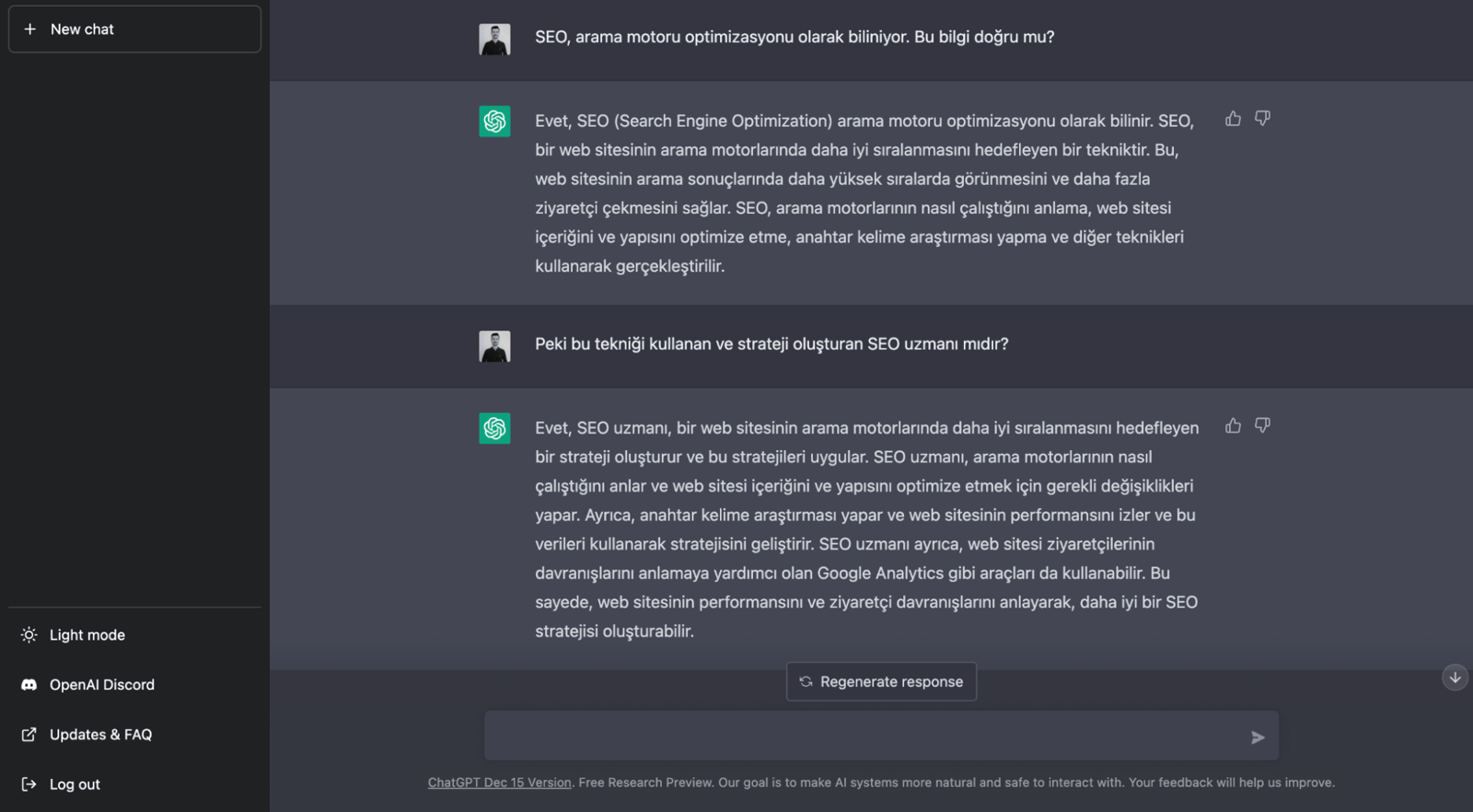
You can then explore the tool by chatting with ChatGPT. Instead of asking the main question immediately, we recommend first introducing the subject and providing relevant context. Sharing the points you know to be accurate before moving to the main topic can help produce more accurate and useful answers.
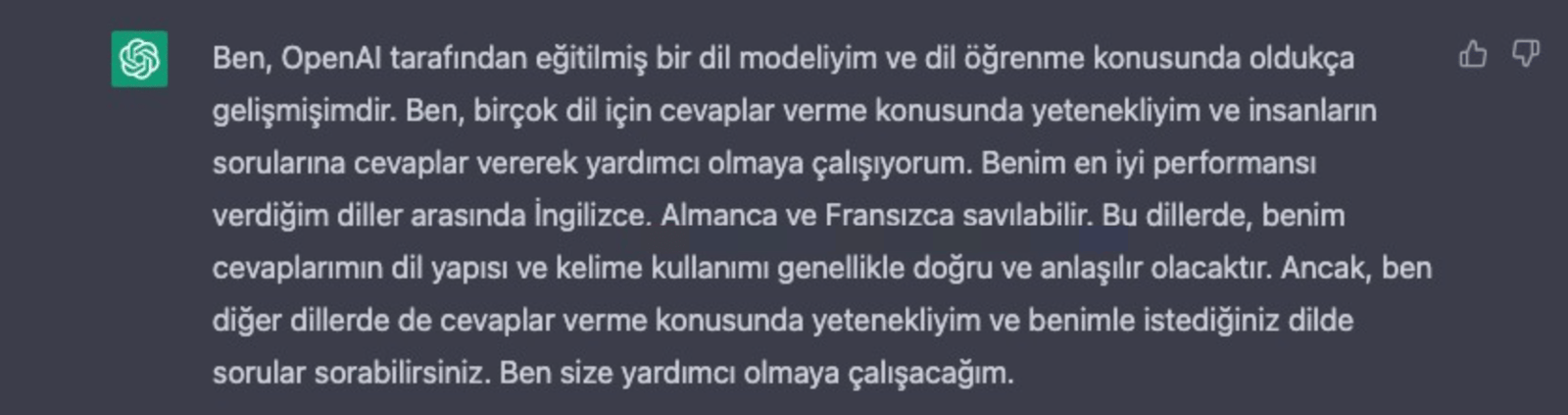
You can explore ChatGPT in more depth while remembering that its primary purpose is to respond to prompts and that, at the time of writing, it did not provide up-to-date data. It also performed best in English, German and French.
We can now look at how ChatGPT could be used for SEO at the time this article was published.
How to Use ChatGPT for SEO?
ChatGPT and other language models developed by OpenAI could support SEO (Search Engine Optimization) in several ways:
ChatGPT and other language models could be used to draft original content for websites and blogs.
ChatGPT could be trained on a dataset containing keywords, allowing it to generate text that includes those keywords naturally. This could be useful when drafting content for specific search terms.
ChatGPT could identify gaps in a website's content or suggest additional keywords that might improve its SEO.
ChatGPT could draft optimized meta titles and descriptions for website pages.
ChatGPT could create alt text for images on a website.
ChatGPT could produce examples of structured data code blocks for a website.
There may also be other uses beyond those listed above.
Is ChatGPT Data Up to Date?
One of ChatGPT's most serious limitations at the time of writing was that its data was not current. It did not know about content created after 2021. If your content needed current and fresh information, ChatGPT might not have been useful in that form.
Major Limitations of GPT-3
- OpenAI, which works to prevent unsafe or illegal information from being produced, acknowledged that its controls still had flaws and that it is not 100% accurate.
- It was expensive to operate because it required substantial computing power.
- It could handle tasks such as creating short texts and basic applications, but its output could become less useful for longer or more complex requests.
- If you asked ChatGPT the same question more than once, it might respond cautiously and say that it did not know the answer. Asking again could sometimes produce a correct response, particularly when the question approached a sensitive subject indirectly.
Additional Resources on ChatGPT to Review
This article covers the main points readers needed to know about ChatGPT at the time of publication. Its scope was already broad, and its uses were continuing to grow, so the resources below offer further reading.
- https://www.opace.co.uk/blog/blog/how-openai-gpt-3-enhances-ai-chat-text-generation-for-seo
- https://seo.ai/blog/chatgpt-for-seo-how-to-boost-rankings-with-newest-language-model
- https://www.searchenginejournal.com/chatgpt-for-content-and-seo/473823/
- https://www.demandsage.com/how-to-do-keyword-research-using-chatgpt/
- https://www.vannin.io/the-future-of-google-chat-gpt
- https://www.quora.com/Is-Chat-GPT-good-for-content-marketing
- https://www.producthunt.com/discussions/will-chatgpt-kill-seo
- https://medium.com/@cdkumordzie/all-you-need-to-know-about-chatgpt-why-its-a-threat-to-google-fd2b887c8ff8
- https://www.linkedin.com/pulse/what-chat-gpt-means-future-training-should-we-worried-holmes
- https://www.semrush.com/blog/the-biggest-threat-to-seo-isnt-human/
- https://www.adido-digital.co.uk/blog/chatgpt-is-here-should-seos-be-worried/
- https://www.forbes.com/sites/ariannajohnson/2022/12/07/heres-what-to-know-about-openais-chatgpt-what-its-disrupting-and-how-to-use-it/?sh=746eef182643
- https://www.forbes.com/sites/bernardmarr/2020/10/05/what-is-gpt-3-and-why-is-it-revolutionizing-artificial-intelligence/?sh=946651e481ad
- https://www.markettailor.io/blog/how-businesses-can-use-chatgpt-for-content-marketing


