


Growth hacking is widely discussed among marketers and startups. It describes a test-driven approach to growing brand awareness and a user base through creative, cost-effective techniques, particularly when budgets are limited.
This guide explains how growth hacking works and introduces techniques that companies and marketers can apply to pursue faster, more efficient growth. It also provides a practical framework for bringing those techniques into your business and marketing efforts.
What is Growth Hacking?
Growth hacking keeps growth as its central objective. Teams continually test new ideas for expanding the customer base, then refine and scale the experiments that produce positive results.
Sean Ellis, a startup consultant and entrepreneur who founded the GrowthHackers community, coined the term growth hacking in 2010. Sean Ellis defines growth hacking as ways of customer acquisition and engagement that are differentiated from traditional, testable, trackable, and scalable.
Growth hacking is often associated with achieving quick results on a small budget. More precisely, it refers to marketing techniques designed to pursue growth quickly and at relatively low cost.
Continuous Testing and Iteration
Experimentation sits at the heart of growth hacking. Teams typically run several small-scale tests, compare the results, and carry the strongest tactic into longer-term marketing strategies.
Example: Using A/B Testing to Increase Engagement in a New E-commerce Startup
Consider a new e-commerce business that wants to build its customer base and generate early sales. The marketing team is unsure which offer will appeal most to potential customers, so it runs an A/B test to compare the options.
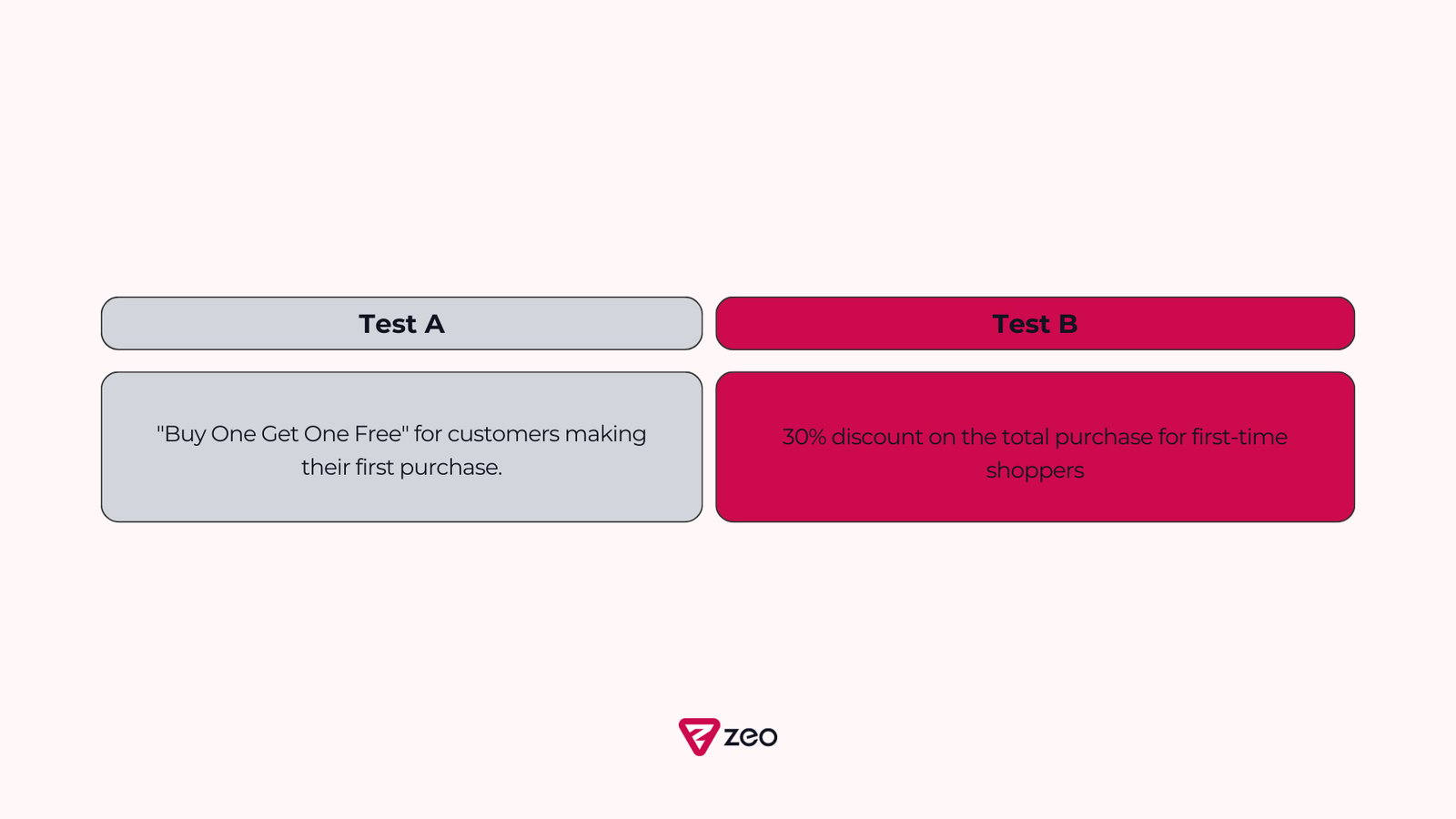
The marketing team presents both offers to similar demographics and tracks the results. Offer B, which offers a direct discount, generates a higher conversion rate and sales, especially among price-sensitive prospects.
This process, known as A/B testing or split testing, shows which offer has the stronger effect. The business can use that result to shape its marketing and sales strategy, then carry the winning offer into the next round of testing.
Growth Hacking vs Digital Marketing
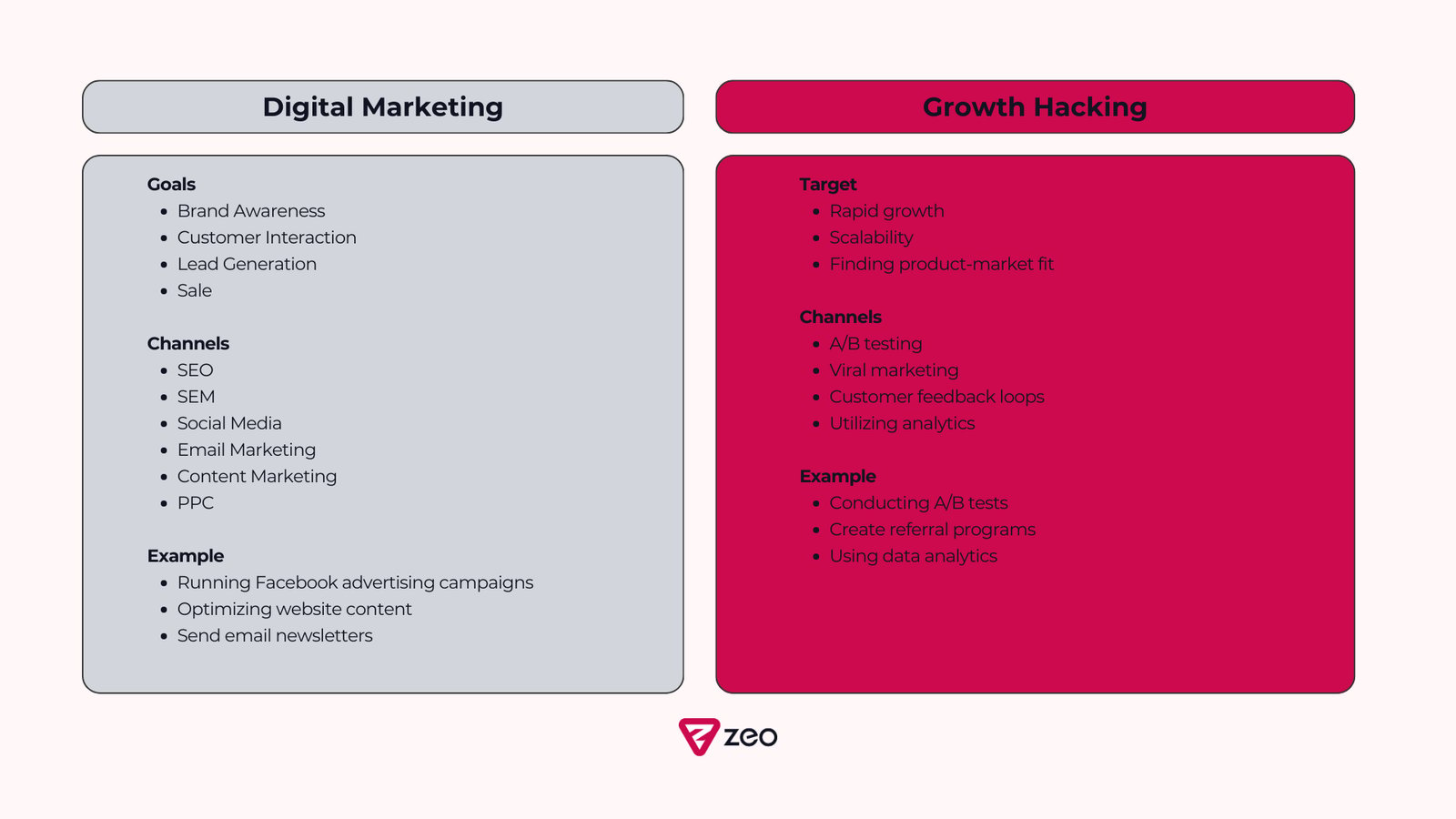
Digital marketing and growth hacking both aim to help businesses grow, but they approach that goal differently.
Digital marketing uses digital channels to promote products or services. Growth hacking focuses more narrowly on creative, low-cost experiments intended to produce rapid growth, making it a subset of digital marketing.
Not all digital marketing techniques may yield beneficial results for growth hacking. For example, SEO is a long-term endeavor, so it may not be entirely beneficial for growth hacking. Instead, methods that can get effective results in a shorter time are applied in growth hacking.
For example, let's consider a cosmetics brand looking to capitalize on partnership and collaboration campaigns. This brand aims to gain a foothold in the market quickly and is considering launching a collaboration campaign with two different groups of influencers:
Collaboration A: Focus on the power of the brand's products by collaborating with a makeup artist known for her in-depth tutorials on Instagram.
Collaboration B: Working with a popular skincare YouTuber on YouTube to focus on the health and wellness aspect of the product line and emphasize a personal care routine.
The brand tracks the results from the two different collaborations through metrics such as clicks and sales. The collaboration that generates the most significant growth in terms of sales and brand visibility can then be scaled and improved.
This example highlights a partnership-driven method that is better suited to the rapid growth goals of growth hacking rather than long-term strategies.
How Growth Hacking Can Help Your Business
Growth hacking can offer several practical benefits to a business:
Cost-effectiveness: By applying creative tactics, growth can be achieved without high investments.
Data-Driven Decision Making: Thanks to the growth hacking technique, which involves a lot of trial and error, marketing strategies can be determined with insights obtained from data.
Minimum Labor Force: Growth hacking is based on small tests. If there is no possibility to use a lot of resources, you can start with a small team.
Fast Adapting: After scaling marketing strategies quickly, it is easier to adapt to changing market conditions by reacting more quickly.
For example, startups often have limited resources. They need to gain brand visibility and grow with this limited resource. Growth hacking techniques can help them gain visibility without high investments.
Building the Growth Hacking Framework
Growth hacking naturally involves trial and error, and every business will follow a different path. Even so, most brands can organize the process around a common set of steps.
1. Setting Goals
In the first step, determine which type of growth you are targeting. For example, user registration growth, traffic growth, or conversions.
Setting a goal will guide your growth hacking efforts. It's critical for focusing your strategies and measuring success. Once you know what you're aiming for, you can focus on how to get there, what you need to measure effectiveness, and so on.
2. Generating Ideas
As a growth hacking team, frequent brainstorming meetings are important for new ideas. At this point, if possible, people with different perspectives and areas of expertise should be included in this team. In this way, everyone in the team can improve the suggestions presented.
During these meetings, you can go over the successes achieved in the past and determine your new growth hacking strategy based on the source of this success.
For example, imagine that you have organized an important discount campaign for your existing customers with good results. Based on this, you planned a "Mega Sale Weekend" and announced it with email marketing and social media ads. This approach builds on the proven strategy of flash selling and scales it with a multi-channel promotion strategy to reach a wider audience and increase revenue.
3. Identifying KPIs
Identifying key performance indicators (KPIs) that align with your growth objectives is critical to assessing your progress.
Let's take an example. You have a goal to increase customer retention. You can focus on metrics such as repeat purchases and customer lifetime value (CLV).
To determine the success of growth hacking, let's say you set a repeat purchase rate of 20% and an average CLV of 30% for the next quarter. These goals give you concrete values to achieve and clarity to track progress.
4. Creating and Managing Campaigns
Build the resources you need to turn your ideas into concrete actions, launch your campaign, and see it through to the end. You can do this in six steps:
1. Planning the Customer Journey: To implement your growth hacking strategy, you need to plan the prospect's journey. This can include touchpoints on a social media channel and the registration process for a webinar series.
2. Identify Resources: Identify the budget, time, and talent required for your growth hacking strategy. This could be assigning tasks to people, buying equipment, or outsourcing.
3. Identify Your Assets: Create the necessary content to grab your audience's attention and take them through the planned customer journey. This could be crafting your social media content, designing your landing pages, or creating a signup form.
4. Launch Your Strategy: Once your campaign is launched, follow the process closely to analyze the outcome according to your engagement and growth goals.
5. Analyzing the Results: In this step, you need to keep a close eye on your campaign's performance, measure how well it performs on the predefined metrics for each step, and analyze all the data you get.
For example, if your focus is on a pay-per-click (PPC) campaign, your primary insights will come from the advertising platform. Here you can find data such as click-through rates, cost per acquisition, etc. For content-driven strategies, such as a blog series or SEO efforts, a platform like Google Analytics will allow you to examine traffic sources, time on site, and page views.
By analyzing campaign-specific metrics, you can understand where your campaign was successful and where it needs to be reworked, and gain insights for your next growth hacking strategy.
6. Refinement and Repetition: Based on data analysis, optimize the parts of your strategies that are not aligned with your goals. This optimization is a key component of the iterative method of growth hacking. It may take multiple iterations to get an accurate result. As you gain more insights from each campaign, you can make incremental improvements and incorporate them into your next strategy. Once you find the right strategy, you need to scale it. For example, if a product promotion on one social media channel leads to an increase in interactions, you can replicate this success with similar promotions on other channels.
6 Growth Hacking Techniques for Small Businesses and Startups
Let's look at six key growth hacking techniques that can benefit small businesses and startups:
Content Marketing with SEO: Content marketing with SEO helps businesses drive organic traffic by providing content that ranks high on search engine results pages (SERPs). This strategy involves extensive keyword research, creating quality content, and optimizing it for search engines. A blog post that provides industry insights or answers existing problems can establish your brand as a thought leader. By aligning content with the queries and needs of the target audience, you can increase your visibility and have a highly engaged audience.
User Generated Content: User-generated content allows you to create a user experience on social channels and engage with your audience. Encouraging customers to share their own experiences with a product or service can strengthen brand messaging and presence. For example, a campaign that encourages users to share their own "before and after" photos using a skincare product can foster community and create brand ambassadors. This method allows for low-cost content generation while building trust with potential customers through real testimonials.
Example: Apple #ShotoniPhone
The quality of cell phone cameras is becoming increasingly important. Apple's #ShotoniPhone campaign, launched in 2014, was a groundbreaking campaign among iPhone users and is still going strong. This campaign allows people to showcase the quality of the iPhone camera.

Apple's marketing strategy allowed the iPhone, once notorious for its poor image quality, to regain the trust of its users and demonstrate the impressive power of its camera with real images and videos.
Sweepstakes: Sweepstakes can strengthen your brand presence and expand your customer base. Offering a prize that encourages social sharing can start a chain reaction that gets your brand noticed. Running a digital sweepstakes encourages participants to engage with your brand on social media for a chance to win. This also encourages shares and referrals. Participants can share the giveaway with their immediate circle, significantly growing your audience.
Example: Dove Gorgeous Selfie Contest
In 2018, Dove organized a selfie contest with a grand prize of a spa experience for two.
Facebook users took photos of themselves holding the Dove Beauty Bar and posted them in the comments section of the official giveaway post.
Facebook users also had to nominate a friend to enter the draw.

Source: Facebook
This giveaway was simple and effective because it was done through a single post on Facebook. The increase in comments, shares, and likes boosted the post organically on Facebook.
Webinar and Workshop: Webinars and workshops can be an effective way to demonstrate expertise in the field, provide value, and engage directly with potential customers. Organizing free webinars on topics of interest can help you reach many people, some of whom can be converted into customers through follow-up email marketing. These efforts help you engage with your target audience and position your brand as a go-to source for industry knowledge.
Example: Zeo Digitalzone
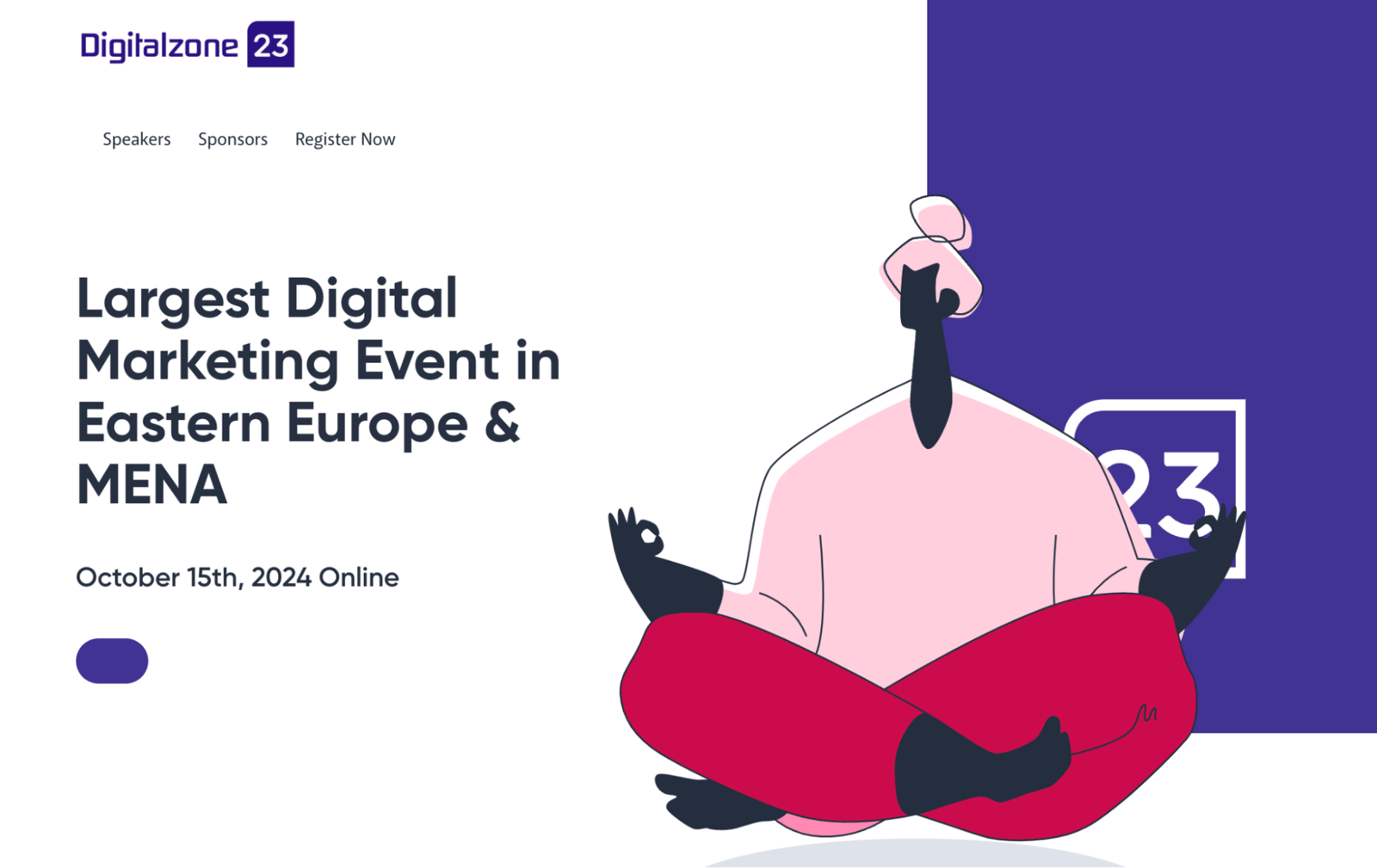
As Zeo, we have been continuing Digitalzone, the Biggest Digital Marketing Event in Eastern Europe and MENA, since 2017. Every year, we talk about the topics on the agenda and answer questions about SEO and digital marketing with professional speakers and participants from the industry. In this way, we keep our audience up-to-date by closely following the developments in digital marketing. See you at Digitalzone 2024!
Segmented Email Marketing: Segmented email marketing involves segmenting your email list into smaller segments based on specific criteria such as demographics, customer behavior, or purchase history by creating more personalized content. For example, a limited-time discount can be included in emails tailored to a segment of users who abandoned their shopping cart, allowing them to complete the purchase. With segmented email marketing, open rates, click-through rates, and conversions can be increased by creating content that aligns with the interests and behaviors of the audience.
Example: Netflix

Netflix's personalized emails make recommendations and promote new content based on a user's viewing history. Because these emails directly address users' interests, they attract more attention and increase viewership. Netflix's personalization approach shows how powerful the impact of segmented email marketing can be.
Strategic Partnerships: Strategic partnerships with companies that share a similar target audience but are not direct competitors can drive growth because they are mutually beneficial. For example, if a travel company partners with a travel insurance company to offer exclusive packages and content, the companies can cross-promote each other. These partnerships can create a new customer base while sharing the burden of marketing costs and resources.
Growth Hacking Techniques for Big Business
While growth hacking is usually associated with startups or small businesses, large enterprises can also benefit from growth hacking. In large enterprises, growth hacking can be applied in the following situations:
Rebranding: When a business rebrands, it often changes the way it does things. This creates an opportunity for experimentation.
Redefining its Image or Target Audience: If a business wants to change a negative image or appeal to a younger audience, it can start to think more innovatively and take innovative actions.
Launching a New Product: Implementing a growth hacking strategy can be a significant benefit in bringing a new product or service to the forefront.
3 Examples of Growth Hacking with Impact
Many brands have used growth hacking to achieve early success and build momentum. Here are three of them:
LinkedIn's "People You May Know" Feature: LinkedIn has significantly increased user engagement with its "People You May Know" feature. Using an algorithm that suggests connections based on existing network data, the platform made it easier for users to find relevant people and encouraged them to visit the platform more often. As users connected with more people, they effectively grew their LinkedIn accounts and the platform became increasingly popular.
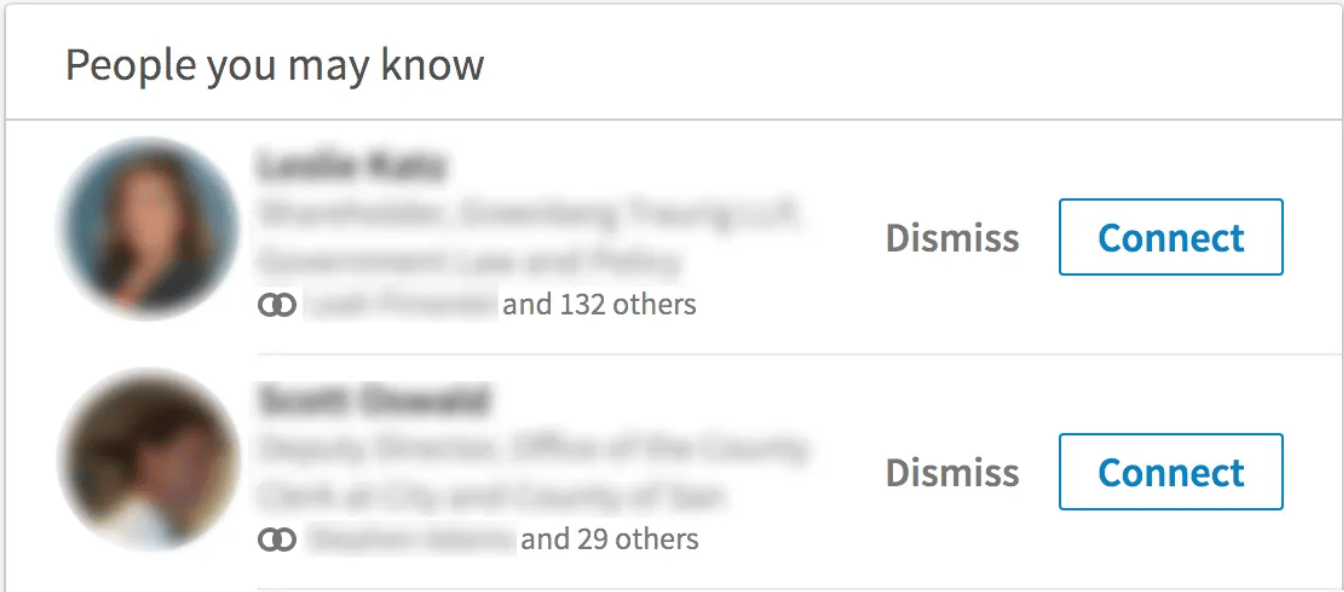
Source: Medium
X New User Process: X, formerly Twitter, redesigned the process when it realized that new users struggled with how to use the platform. By encouraging new users to follow interesting accounts during registration, X ensured that users' feeds were immediately filled with content, increasing the likelihood that they would become active, long-term users. This change reduced the drop-off rate and increased the platform's growth rate.
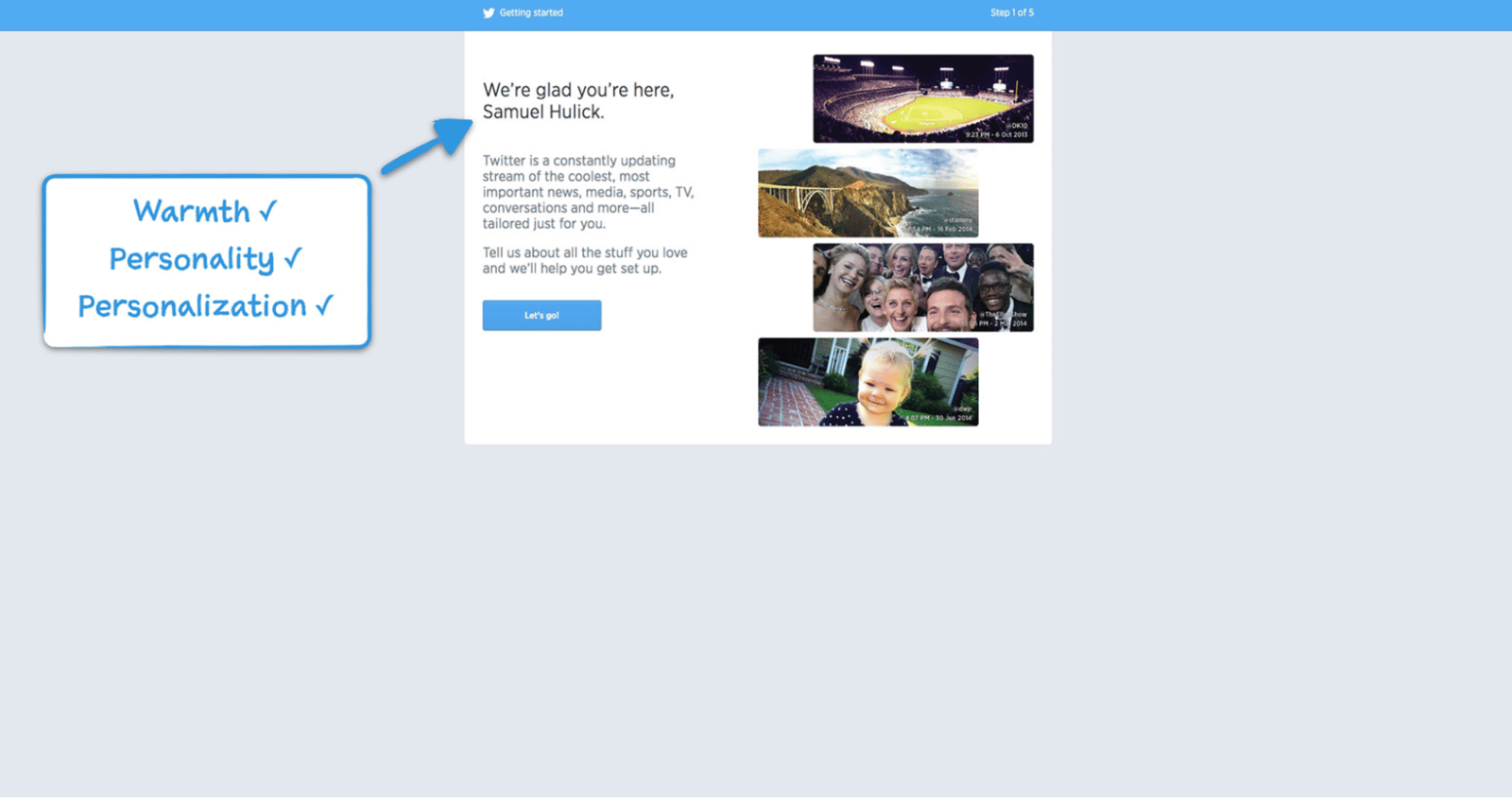
Source: UserOnboard
Spotify Wrapped: The company's "Wrapped" feature is a section highlighting the most listened-to music and genres throughout the year. It provides information on how many minutes of music you listened to, the artist you listened to the most, the song you listened to the most, and more. Wrapped gains immense popularity among Spotify users every year, with users sharing their results on Instagram and Twitter. Spotify's strategy is a data-driven one. Data such as the number of minutes spent in the app and favorite artists are analyzed to produce personalized results. With this feature, the app saw a 20% increase in downloads in 2020.
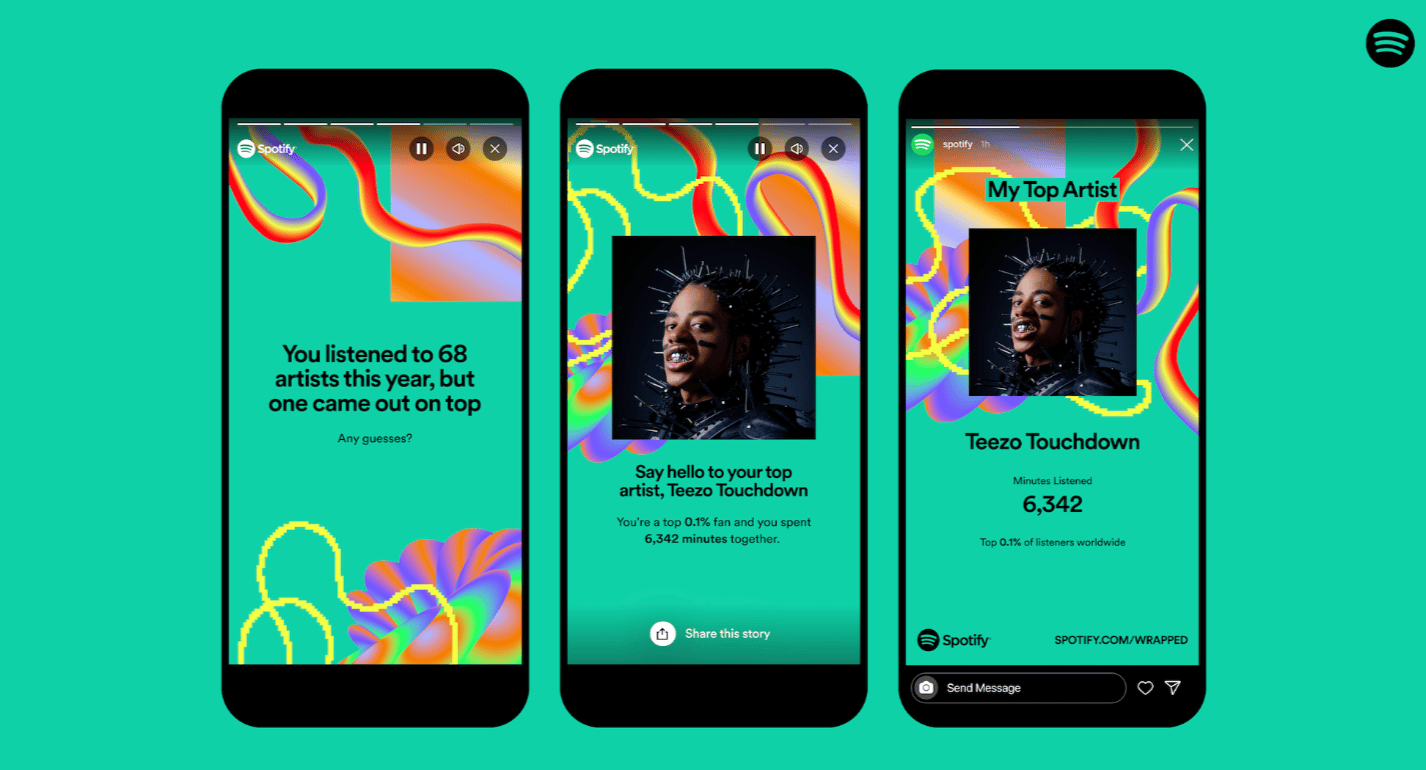
Source: Spotify
These examples show how growth can come from a combination of a deep understanding of audience behavior and innovative thinking.
Conclusion
Growth hacking gives businesses a structured way to pursue rapid growth when resources are limited. Its emphasis on data, experimentation, and cost-conscious execution can be especially useful for marketers and startups working toward specific growth goals.
This guide has covered how growth hacking works, how to build a roadmap, and how to implement and refine a strategy.
Because growth hacking depends on continuous experimentation, keep reviewing the results and adjusting your approach as you learn.
Follow our blog for more detailed guides to growth-focused methods.
This content was created by Nursena Küçüksoy, Marketing Specialist at Zeo.


