


User-generated content (UGC) covers all the promotional content contributed and shared by an unsolicited member or user of a brand, coming from anyone but the brand itself. Customer reviews, images or videos posted on social platforms, and blog posts about a particular brand or its products all count as examples. In this guide, we'll cover a growing marketing phenomenon called user-generated content and how it fits into marketing today. Here's what you'll learn from this guide:
- What user-generated content means, and the different people involved in creating it.
- The variety UGC can take, with examples of how brands weave it into their strategies.
- The reasoning behind UGC marketing strategies.
- Case studies of successful UGC initiatives from both international and local brands.
- Recommendations for using UGC in your own marketing.
Whether you're a marketing expert looking to boost your brand's engagement, or an entrepreneur searching for an efficient way to advertise, this article should give you ideas and useful techniques for putting UGC to work.
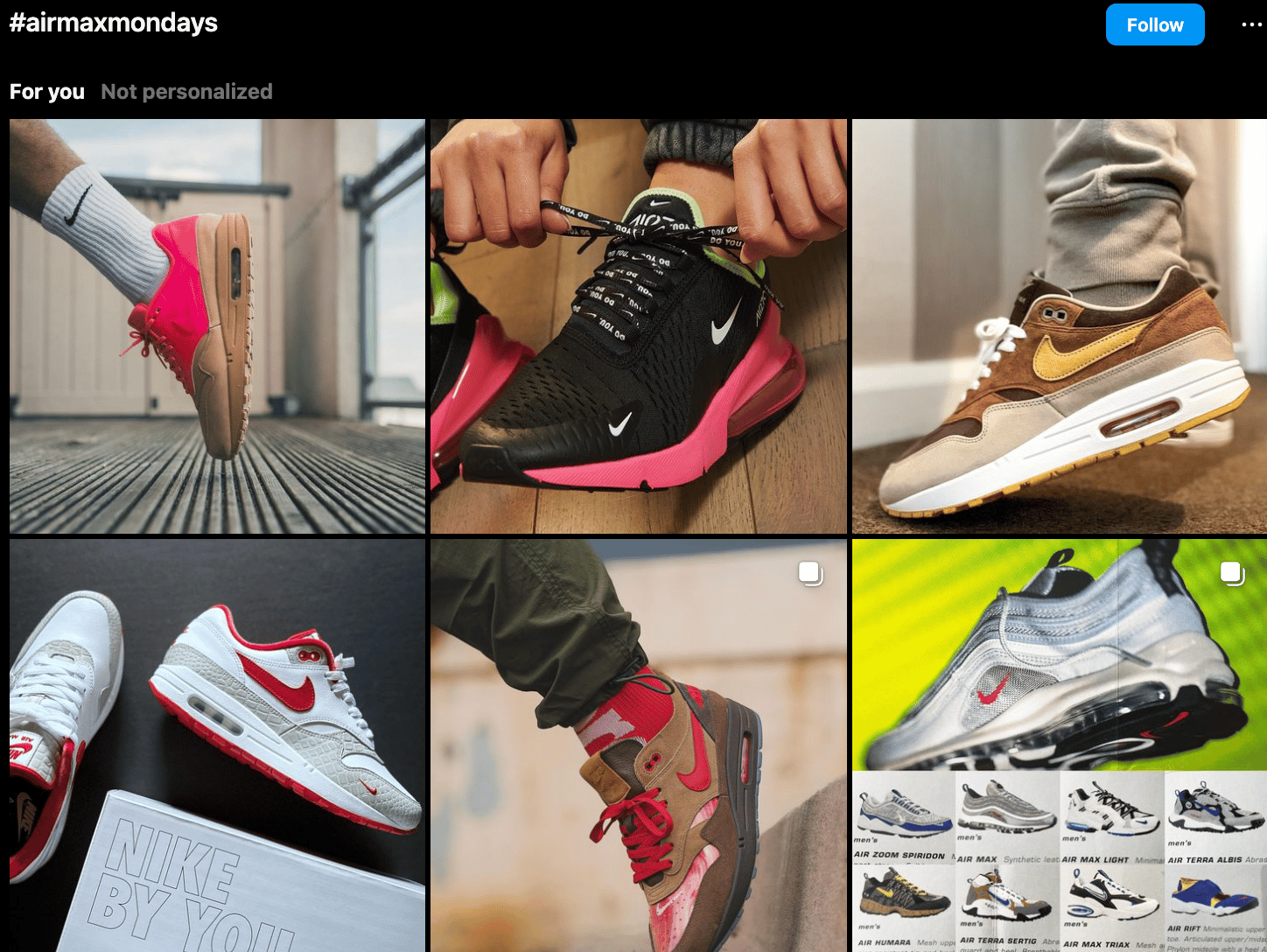
If a user posts a photo of the several hundred Nike Air Max sneakers they own and captions it "a collection every stylish person should have," that's UGC. Tagging Nike in the image, adding #AirMaxMondays, and saying something positive about the shoes encourages that user's friends to consider buying the brand too, and Nike gets free advertising out of it.
The hashtag #AirMaxMondays has picked up real momentum, with Nikeworld followers gathering weekly to show off different Air Max designs. This UGC campaign promotes the range's different designs while connecting sneaker culture from around the world.
Who Creates User-Generated Content?
UGC works as a cost-free form of advertising that helps brands widen their reach. Here are some of the people who contribute to it:
- Customers
- Social media followers
- Brand advocates
And when it's employees creating that content, what do we call it? Employee-generated content (EGC). This still counts as UGC as long as the content is genuine and wasn't requested by the company.
For instance, someone working at an Apple Store who posts about certain products on their own personal social media account is an example of employee-generated content.
On the other hand, if someone is hired specifically as a UGC creator to produce promotional work disguised as organic content, that's not really user-generated content.
Types of UGC
User-generated content comes in more forms than you might expect. Every type gives a brand a chance to get mentioned, shared, or recommended somewhere, and eventually build awareness or trust with its audience.
Let's look at the most notable applications of user-generated content marketing:
- Video content: Unboxing videos, tribute videos, and product showcase videos posted by everyday people help build awareness, trust, and credibility for a brand.
- Branded selfies: Photos of customers with a product, alongside branded materials like posters or storefronts, help build a brand's presence on social media.
- Reviews and testimonials: Customer-generated ratings of products, found on sites like Yelp, Google, or a brand's own site.
- Podcast: Podcasts sometimes carry conversations between hosts and guests who share what they know about a product or service, deepening audience engagement along the way.
- Articles: Users and employees may write an article or blog post about a brand they interact with, and related topics.
- Contests: Contests ask users to create content, a photo or video, for example, and submit it for a chance to win a prize.
So which type of user-generated content should you encourage? All of them, really, since different types resonate with different segments of your audience.
Airbnb, for example, uses UGC to draw active participation from people browsing its site, encouraging customers to post photos of their experiences with the #Airbnb hashtag.
By getting fans to add #Airbnb to their photos or videos, the brand extends its reach while getting free, relatable material in return. That lets Airbnb showcase the real experiences of the people within its community, which makes the brand feel more appealing to customers.

Seeing photos other travelers have taken motivates people who might be considering an Airbnb stay, and their followers, to book their own trip or post about it. That kind of growth is one of the many advantages UGC offers.
User-Generated Content Benefits
UGC gives consumers a chance to endorse a brand, which helps convince prospective customers, and that kind of endorsement is genuinely valuable.
A study from Brightlocal found that nearly half (50%) of consumers rate online reviews as effective as recommendations from friends and family.
Let's look at UGC's main benefits in more detail:
- Cost-Effectiveness
UGC is genuinely useful here, since users are already creating content on their own. That means less money spent on content creation, since the audience is doing part of the work already, which frees up budget for other promotional strategies and activities.
- Viral Potential
Most user-generated content won't go viral, but there's always a chance it will. The "Share a Coke" campaign, for example, got people looking for bottles or cans with their names on them, driving millions of social posts and lifting revenue in the process.
- Brand Loyalty
Building a brand around UGC encourages consumers to create content for it, weaving them into the brand's story, and that can build a strong base of active supporters online.
- Social Proof
Good UGC tends to drive purchases by showing that a brand works, since other customers are sharing their own positive experiences with it.
- Authenticity
UGC is usually raw and unpolished, which tends to make it more convincing than direct sales and marketing content.
Examples of User-Generated Content
GoPro's #GoProAwards Campaign
Beyond selling cameras and gear, GoPro runs an initiative called GoPro Awards, encouraging users to submit their best photos or videos shot on GoPro devices. The brand showcases some of those submissions on its Instagram page and website.
Through this initiative, GoPro also gives cash and equipment to creators whose work gets used, and the company relies on the hashtag #GoProAwards to track entries and showcase winners.

Apple's #ShotoniPhone Campaign
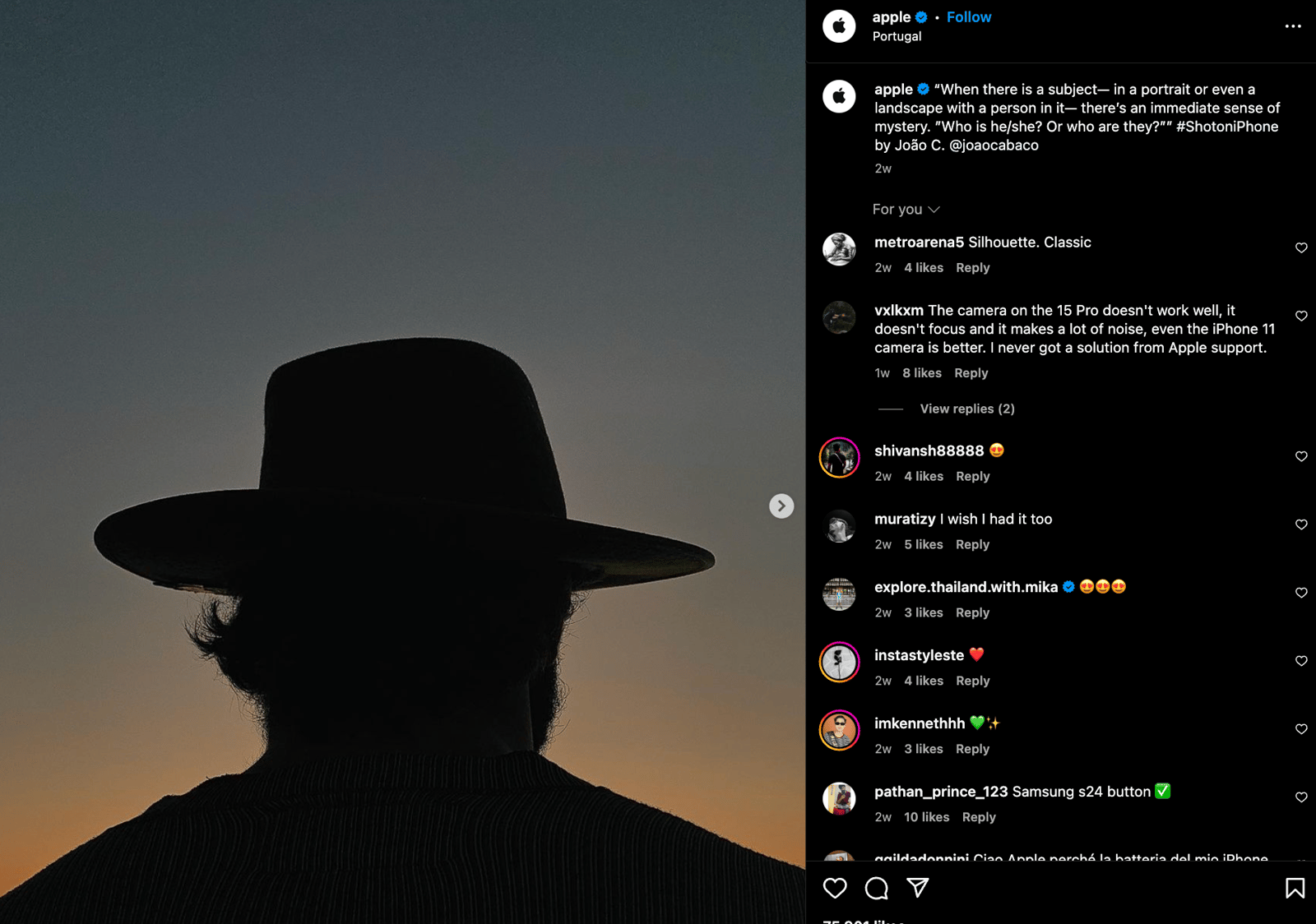
One of the most vibrant and long-running UGC campaigns in recent memory is Apple's #ShotoniPhone. The ongoing initiative encourages happy iPhone users to post their best photos or videos shot on their iPhones, tagged with #ShotoniPhone.
Starbucks' White Cup Contest
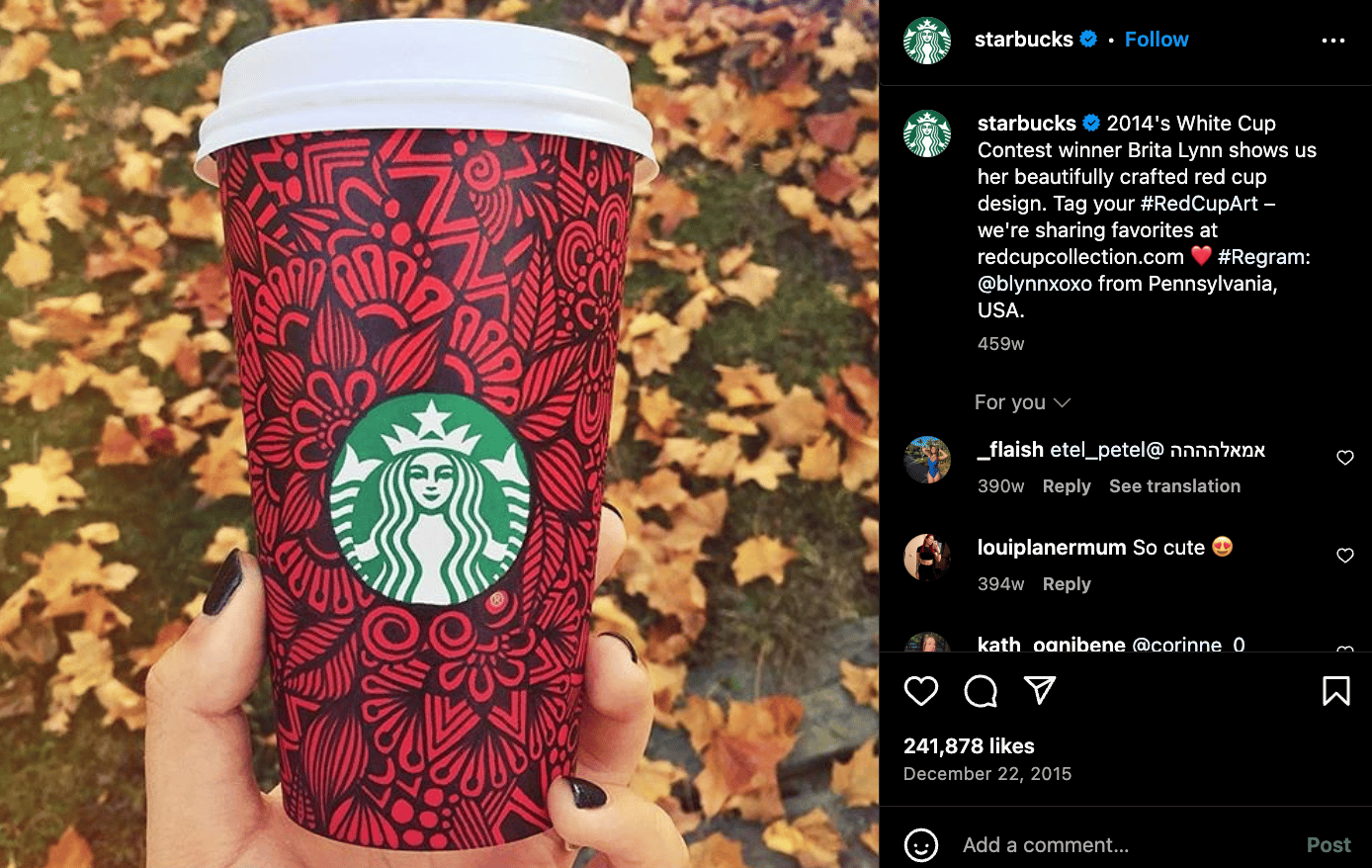
Starbucks encouraged customers to draw on its plain white cardboard coffee cups and photograph the results, then went further and ran a contest, handing out cups and asking people to send in their illustrations. The goal was to crown a winner whose doodle design would become a featured print on a new limited-edition reusable cup, one that ended up catching plenty of customer attention.
UGC Best Practices: 5 Tips for Cost-Effective Marketing
Prioritize Relevant Content Channels
Figure out which specific channels best facilitate interaction with your potential customers, since that's usually where UGC-focused marketing pays off most.
Set Goals for Your Campaign
Define at least a few benchmarks for your content creation campaigns upfront. These goals help shape your plan and let you evaluate the results afterward.
Let Users Be Creative (and Keep the Entry Barrier Low)
Don't box users in with too many rules or guidelines about what they can submit. The more room you give people to create, the more enthusiasm you'll see.
Tie UGC Campaigns to Your Brand Story
Ask for submissions that stay close to your focus, if not your core offering, since ideas tied more tightly to your brand tend to resonate more with the consumers you're after.
Get Permission (When Appropriate)
If someone posts content about your brand without any encouragement from you, ask permission before reposting it to your own social accounts, website, or other marketing materials.
Conclusion
User-generated content is a powerful tool in modern marketing. Used well, it can lift brand awareness, build trust, and drive conversions. By encouraging and leaning on UGC, brands can tap into the authentic voices of their customers, creating a more engaging, relatable brand experience.
This content was created by Nursena Küçüksoy, Marketing Specialist at Zeo.


