


With the November 2023 core update, Google completed 2023 with its fifth large-scale core update of the year. This guide explains what Core Updates are, what they aim to achieve, and what to consider during and after an update.
What is Core Update?
A Google Core Update is a significant change to Google's search algorithm. These updates usually happen several times a year and are intended to improve the quality of search results. Because they can cause substantial fluctuations in page rankings, they matter to SEO experts, web developers, and content producers.
Google's goal with a Core Update is to help users find the information they need more quickly and accurately while improving the overall search experience. Algorithm updates may help Google understand search intent, reward high-quality content, and filter out low-quality pages. Changes to particular signals or factors can also establish new standards for how web pages are ranked.
Before and after Core Updates, Google may publish guidance for webmasters and content creators. This guidance often discusses preferred content types, important user-experience features, and ways to improve websites. Even so, determining exactly what changed after an update is difficult because Google does not disclose the full details of its algorithm for competitive reasons. As a result, we often examine published articles, sample findings, and sectoral Core Update reviews to understand what happened.
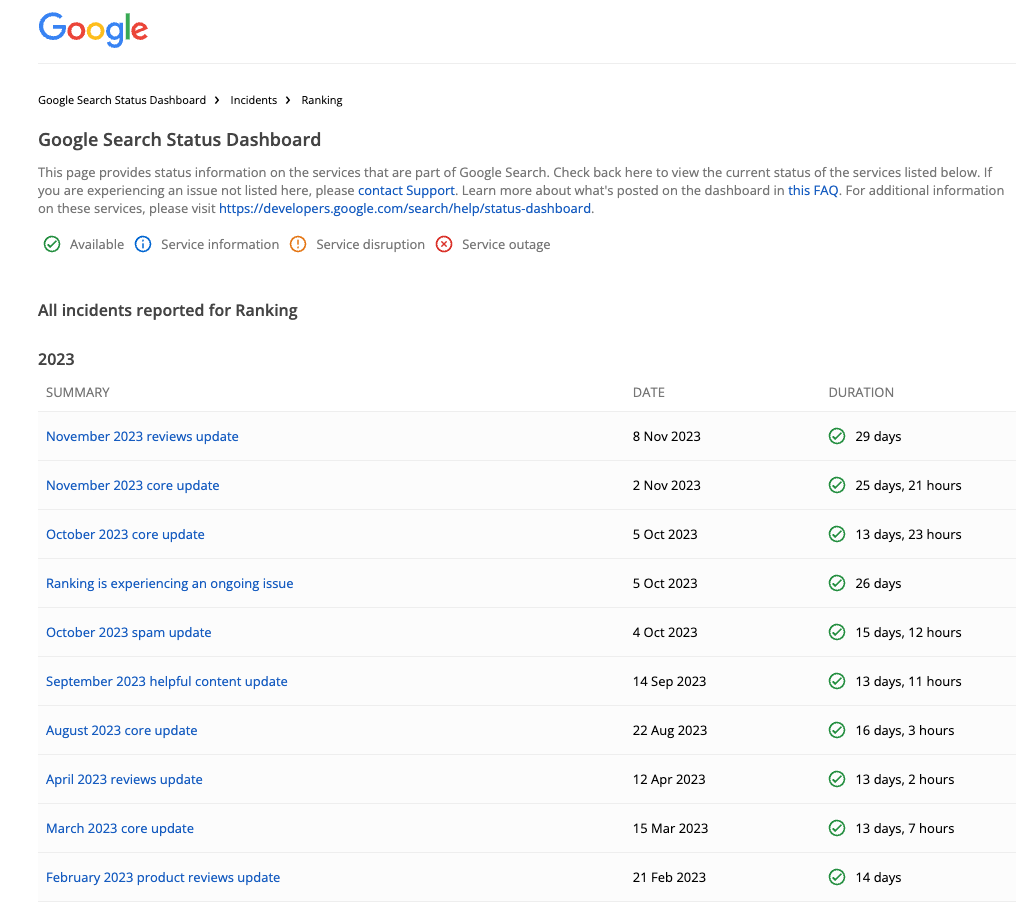
Core Updates can have negative consequences when they affect a site's rankings. Websites that lose positions need to identify which areas should be reviewed before they can recover. SEO experts typically assess the site, consider possible strategies, and develop an improvement plan. That plan may include technical SEO work, content updates, and user-experience improvements.
The Purpose of Core Updates and Google's Goal
Google's Core Updates are intended to produce more accurate search results and improve the user experience. Their main objectives generally include the following:
- Improving User Experience: Improving page speed, usability, and accessibility. Mobile compatibility and page load times are examples of these criteria.
- Prioritizing High-Quality Content: Giving priority to detailed, informative content that provides what users are looking for.
- Reducing Spam and Low Quality Content: Identifying content manipulated with black hat SEO tactics or offering no value to users, then moving it lower in the rankings.
- Keeping the Algorithm Fair and Updated: Updating the algorithm continually to reflect changes in the internet and user behavior.
What to Do After a Core Update?
Once a Google Core Update is complete, website administrators and SEO experts can use the following steps to evaluate site performance.
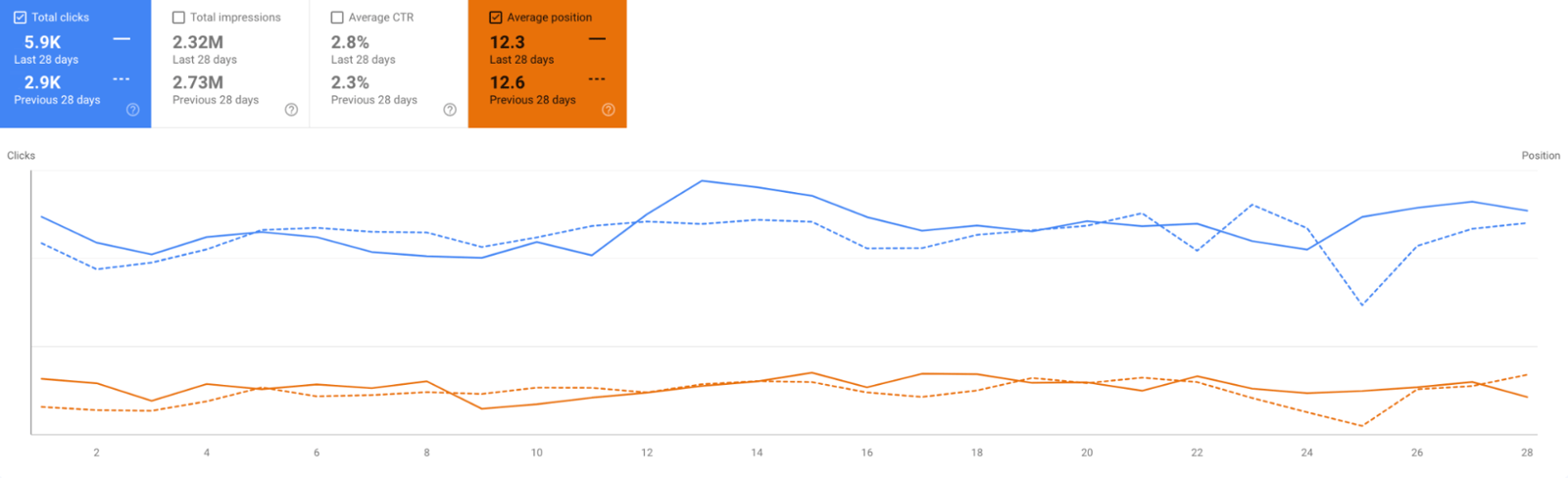
Examine Your Performance During the Update Period: Start by reviewing performance throughout the Core Update. Monitor average positions in Search Console, along with the rankings of important keywords in your target countries. Use tools such as Google Analytics and Search Console to analyze changes in traffic and ranking performance.
Review Google's Guidelines: Google usually publishes guidance and recommendations with each update. Review them carefully and focus on the areas the update highlights.
Improve Content Quality: Review your content and improve it where necessary in line with E-E-A-T (Experience, Expertise, Authority, Trustworthiness) principles. An imprint and relevant social media posts can be positioned on the site to demonstrate the author's competence in the field.
Check Technical SEO Criteria: Improve the user experience by optimizing technical SEO elements such as site speed, mobile compatibility, and internal linking.
Evaluate User Feedback: Collect feedback about users' experiences on the site, then use it to make adjustments that better address their needs.
We do not recommend reacting immediately with drastic changes after a Core Update is announced. When Google says an update will take a few weeks to complete, you may need to wait at least a week before clear data becomes available. There may be nothing concrete to report during that period. However, waiting for a definitive result does not mean staying silent. Review the site's current position and check its compliance with Google's guidelines without making major changes.
What to Do When Notifying Administrators of Google Updates
Google communicates Core Updates to webmasters and SEO professionals through several channels. Following these channels closely supports a more complete view of the update.
Core update periods can be uncertain, so managing communication is important. When informing managers or stakeholders, explain the timing and goals of the current update and provide relevant context from previous updates.
You can refer to the timeline and themes of past updates when explaining that context. You can also connect SEO work with those themes and with outcomes observed after earlier updates. A core update announcement is an opportunity to discuss the SEO team's roadmap, current work, and expectations for the update.
When Google announces an update, we can email managers with the following information:
- The date of the update and a link to Google's announcement.
- A statement that Google releases broad core updates several times a year.
- How long the update is expected to take, based on Google's statement.
- How the site responded to the previous one or two updates.
- Any technical, content, or other work that may affect the site's response to this update.
- A note that early movement may sometimes be visible, but the current email is intended to raise awareness.
We should continue the same email thread in the middle of the update or when the first results become available. This keeps managers informed and provides a basis for further discussions about performance.
When starting those discussions, I try to cover the following topics:
- Restating the start and expected end date of the core update.
- Explaining that post-release actions will follow once the update is complete.
- Clarifying the actions and next steps planned after completion.
- Providing metrics that show the positive or negative impact of the update, including tracked competitors.
- Showing the current Core Update situation with visuals.
- Sharing results from projects the SEO team is working on across the site.
- Connecting existing work with the update's themes and identifying efforts that may improve performance after future updates.
- Noting that Google will announce completion through Google Search Central and the Google Developers site.
This approach lets us send concise follow-up notifications with new findings that build on previous emails. We should also explain that Google's results may remain unclear immediately after an update and that SERP fluctuations may continue for another 1-2 weeks.
The update can also include the following information:
- Which site segments recorded positive or negative results.
- Differences between this update and previous updates.
- Work completed since the previous Core Update that may align with positive results.
- Previous findings or planned work that may have affected negative results.
- The broader themes of recent updates and findings about their impact on the site.
- Confirmation that email updates on key metrics such as traffic and revenue will continue.
The following resources can help us track Core Updates:
- Search Console Announcements: Google Search Console provides important notifications and alerts for webmasters.
- Google Webmaster Blog: Official announcements and updated information are posted here.
- Social Media and SEO Communities: Google's official social media accounts and SEO communities share updates and provide places for discussion.
Following these sources regularly helps maintain communication and information flow. We can evaluate new information with the relevant teams and develop the necessary action plans together.
This content was created by Mert Vahit Demir, SEO Manager at Zeo.


