


To summarize the state of SEO, measurement reports are created regularly and shared with clients. So what do SEO reports that a brand pays little attention to have in common? In this article, I'll explain what makes organic performance reports genuinely engaging.
1. Brand & Non-Brand Distinction
Mixing brand search terms with non-brand search terms in reports leads to inaccurate reporting. Whenever possible, differentiate brands in your Google Analytics or Google Search Console reports:
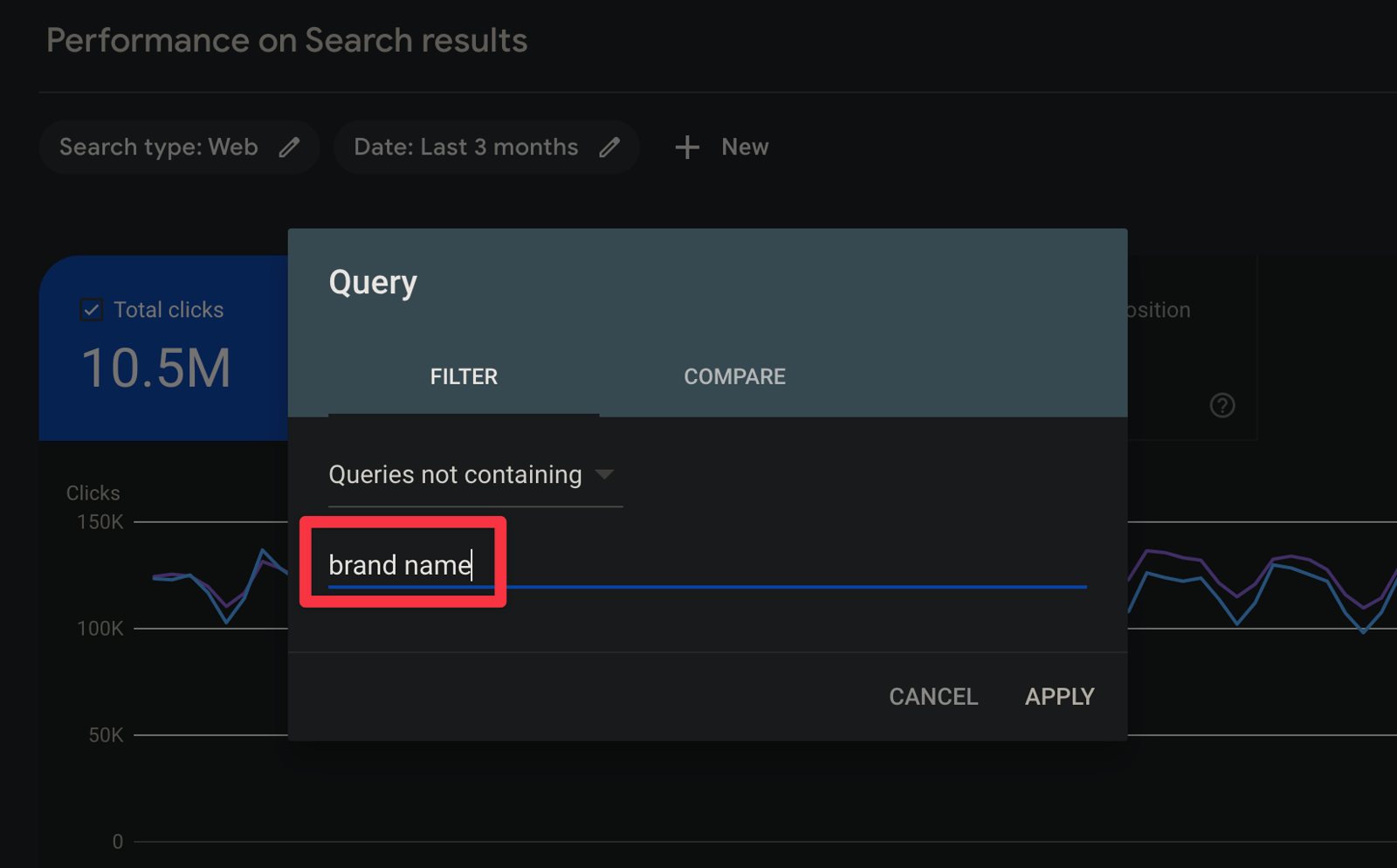
The distinction between brand and non-brand helps you understand how your brand is actually performing in the market and what actions you need to take to improve it. For example, if there's a negative trend for "Zeo", you can flag it to the marketing team, and if there's a significant drop in non-brand queries such as "tent", you can check whether it points to a technical SEO issue.
2. Lack of Competitors
Comparing SEO performance with competitors gives you a clearer picture of how the brand is actually doing. For example, if a decline in organic keyword count happens at the same time as it does for your competitors, you can point to sector-wide declines or a shifting trend instead. Competitors give you valuable context for understanding where the industry is heading.
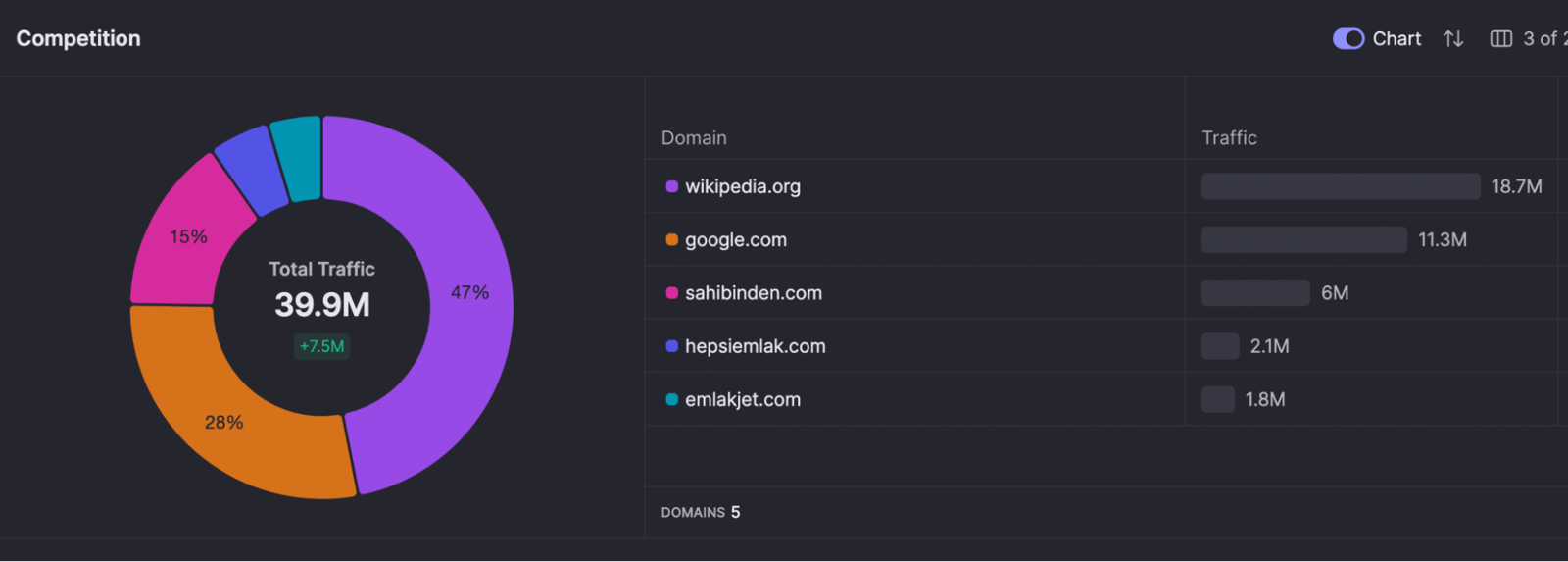
It also helps to go beyond just showing competitors' organic traffic metrics and actually dig into them. Saying something like, "They have done very good work on X and that's why their organic traffic has increased by y%. Therefore, we recommend that more resources be allocated to the sample work we have forwarded to you" can help you prioritize your recommendations.
3. Search Console Average Position
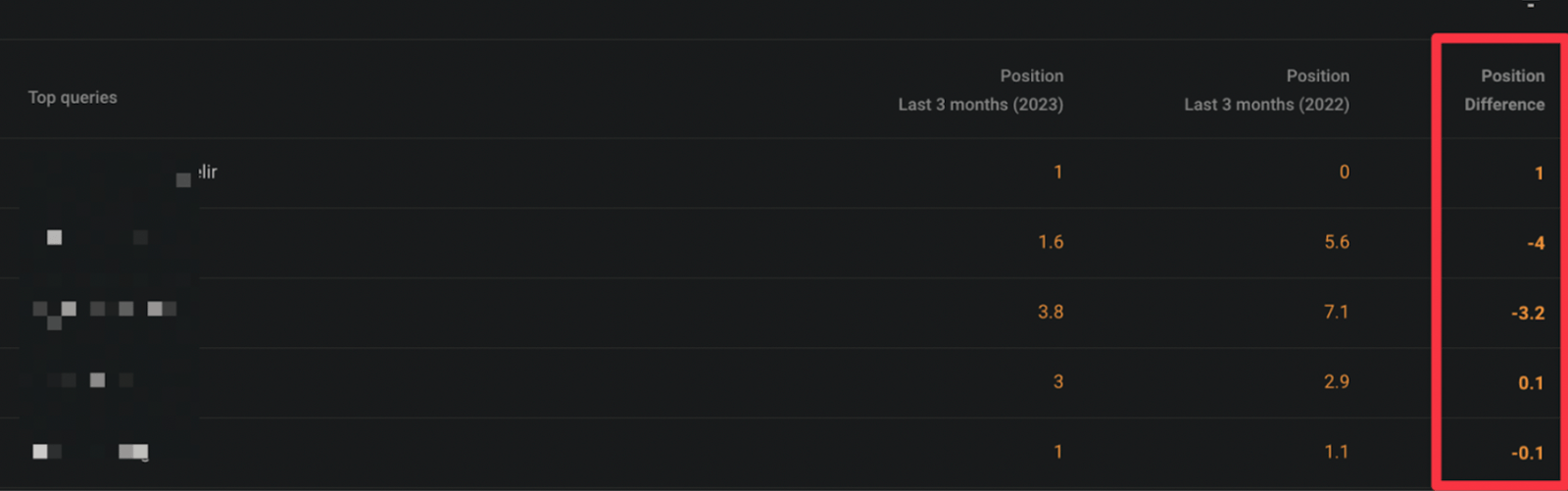
The average position of keywords or pages is available in Search Console. Of course, the average position shifts as you add filters like date, device, or country. If a keyword's average position appears negative compared to the previous period, that actually means its position in Google hasn't dropped, it's improved. So for a given keyword, the closer you are to 0, the better your position:
4. Data Source
If you're building reports from platforms like Looker Studio, be sure to clearly credit the data source. Even if you mention it during the meeting, people within the brand may question where the data came from once the report is shared afterward, which can generate extra phone calls and emails for you. Labeling the data sources clearly in a suitable spot avoids that:

5. External Factors
We've seen external factors come up more and more often in recent years, and they vary by sector. The clearest example is the COVID-19 pandemic. The Russia-Ukraine war, along with various political developments, are all situations that genuinely affect user preferences. Here's an example:
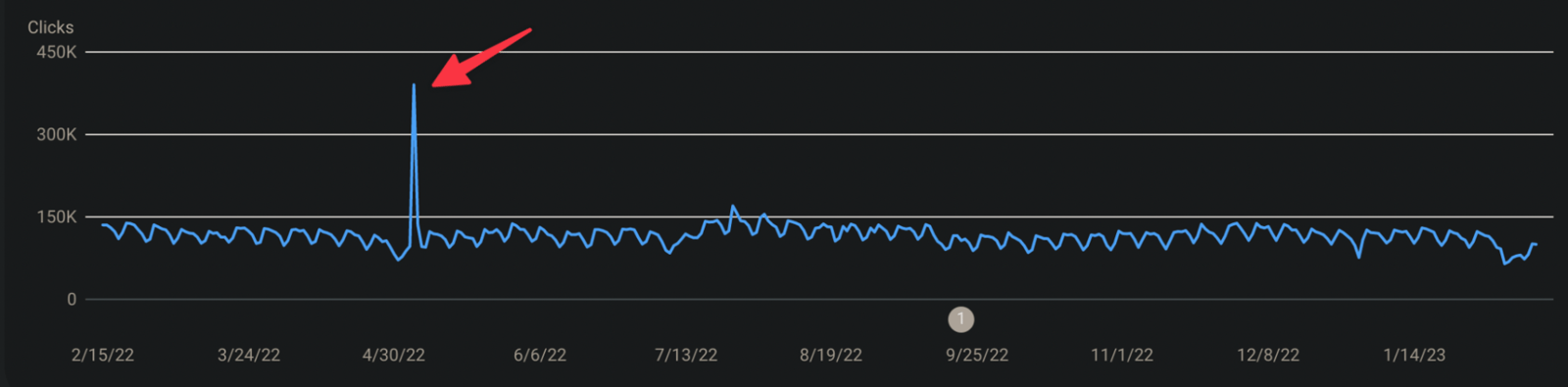
Seasonality shouldn't be overlooked among external factors either. A rise in search volume for food-related topics during Ramadan can look like a sharp drop when you compare that month to the ones after it. Reports need to call out situations like this clearly. And this cuts both ways: during the pandemic, for instance, search volume for health topics and masks rose, which had a positive effect on organic traffic.
In short, a report that ignores external factors, or doesn't explain them in enough detail, will always be incomplete.
6. Future Action Plans and Recommendations
Given how SEO reporting works, positive gains aren't always visible every period. In meetings with the brand, be upfront about your future plans for any declines. For example, if the keyword "hospital near me" has lost clicks and dropped in average position, briefly explain what actions you plan to take.
Don't be afraid to explain your shortcomings and how you plan to address them. Planning your next steps ahead of time means you're ready for whatever comes next. Including next month's plans in every report can also help the brand's software and content teams shape their own plans.
7. Lack of Insights and Commentary
The people reviewing your SEO performance reports won't always be SEO experts. Backing up the report with clear, detailed, and easy-to-follow insights makes it far easier for everyone to read, rather than just handing over a raw report. Instead of a bare screenshot of a Google Analytics session metric, support it with a short, clear comment explaining what it means.
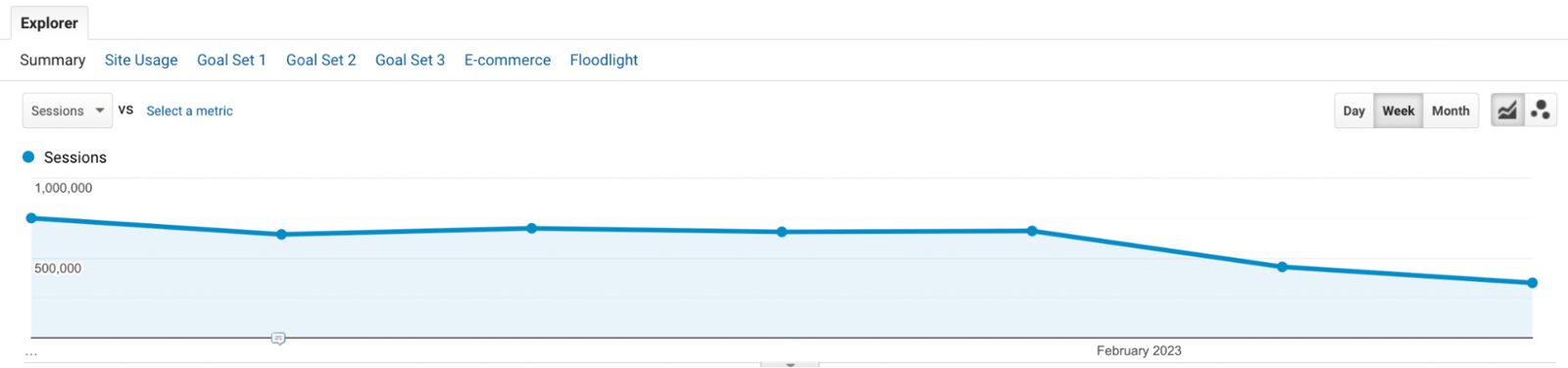
For example, in the graph above, you could attribute the recent decline to a broader trend, or to competitors refreshing their content with more current information. Or take another example: organic traffic may have dipped because the BIST (Istanbul Stock Exchange) was closed during that period. Adding just a few sentences of clear commentary makes your reports far easier to follow. These comments don't just strengthen your reports, they also help the brand's audience interpret the numbers correctly.
8. Lack of Significant Metrics
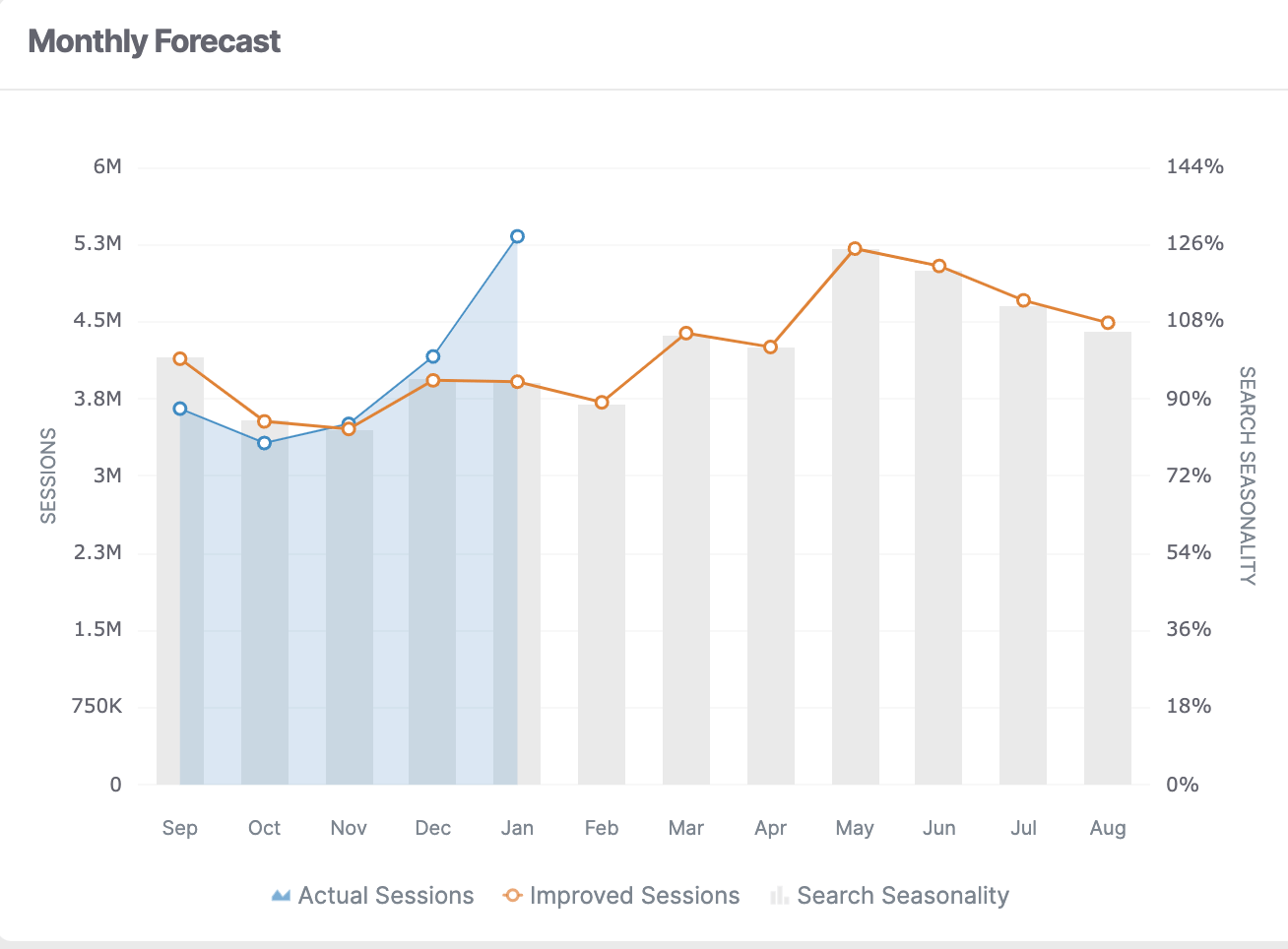
Every brand has its own important KPIs. Leaving the metrics that matter most to a specific brand out of your reports means they won't get much attention. For example, if the "session" metric is one of the metrics that matters most to your client but you report the "user" metric instead, your reports may not land as well. Confirm which metrics matter most, include those, and cut back on unnecessary data clutter.
Leaving out the metrics and results behind your SEO forecasts is one of the more significant gaps you can leave in a report:
9. Completed & Pending Works
At the end of each month, you can lay out completed work, blocked work, and what's still in progress for SEO performance on a single page. You can pull records straight out of JIRA or ClickUp and add them to the report:
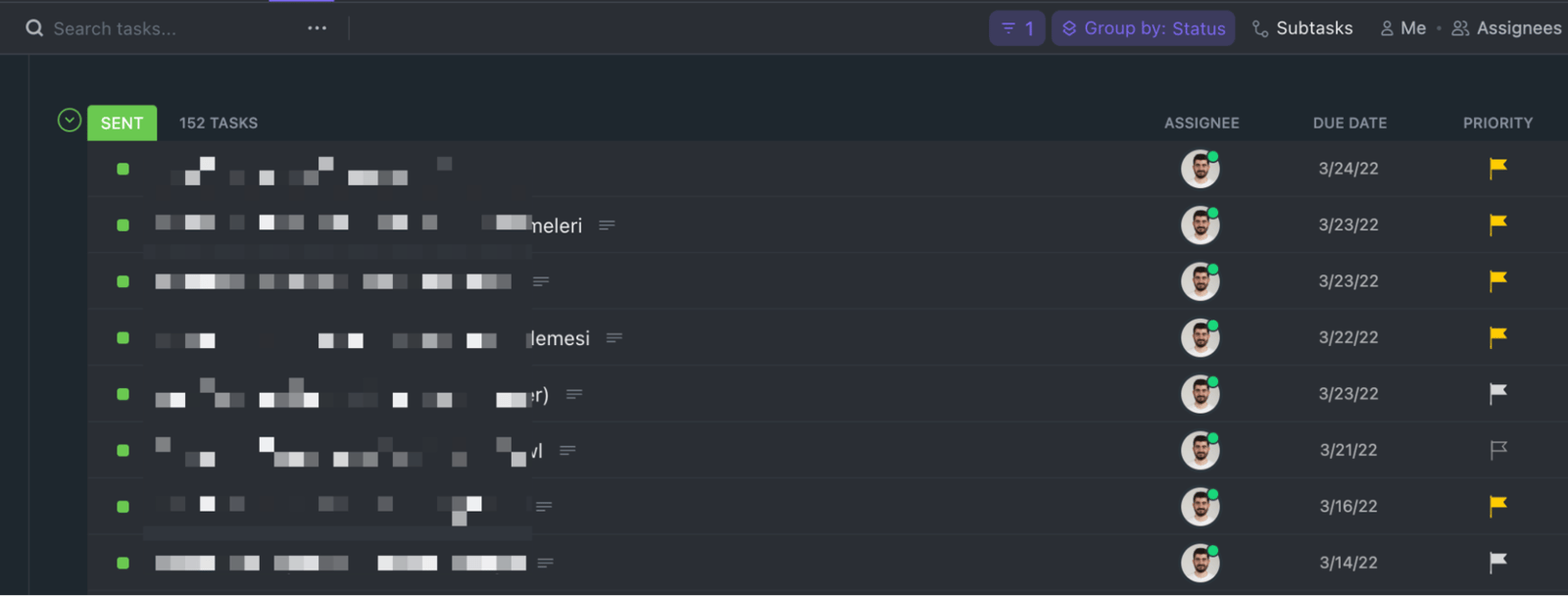
You don't need to spell out every detail of the work in the report. Listing the job titles alone lets reviewers see the whole SEO workflow much more clearly.
10. Target Audience
Understand who will actually be reviewing your SEO reports before you build them, because a report headed to C-level readers (CEO, CMO) needs different details than one headed to a marketing or in-house SEO team.
Since not everyone shares the same level of SEO knowledge, how a report lands will differ depending on who's reading it. While you might discuss crawl budget or indexed pages with an in-house SEO team, it often makes more sense to report conversion rate or other organic-channel metrics to senior executives.
11. Big Mistakes
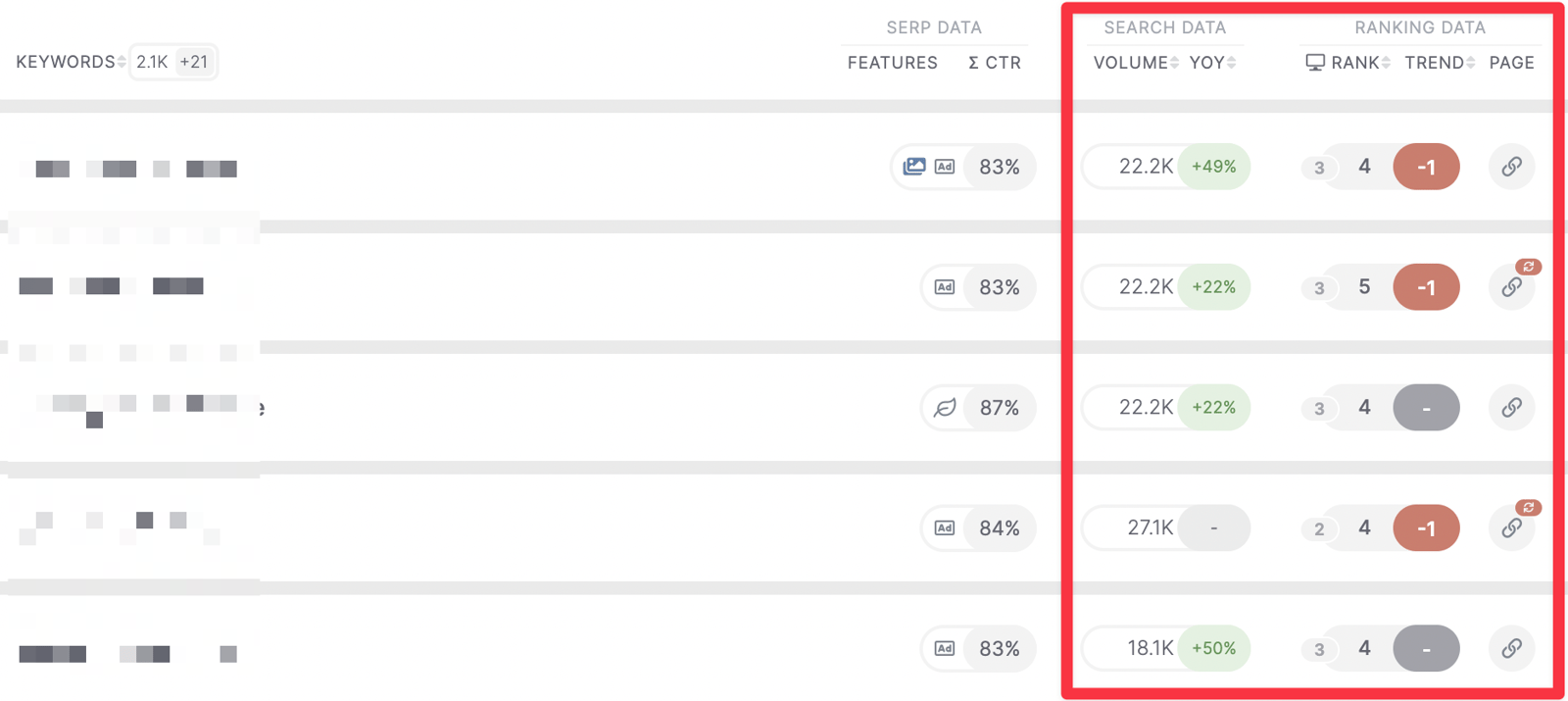
We're all human, of course, and we can make mistakes from time to time. We should take care to keep those mistakes to a minimum. Misreading the YoY change for a keyword in Rank Tracker, or misreading ranking shifts between desktop and mobile, can throw off how the whole report gets interpreted. For example, watch for cases where the YoY figure for a keyword hasn't actually dropped, but has risen instead:
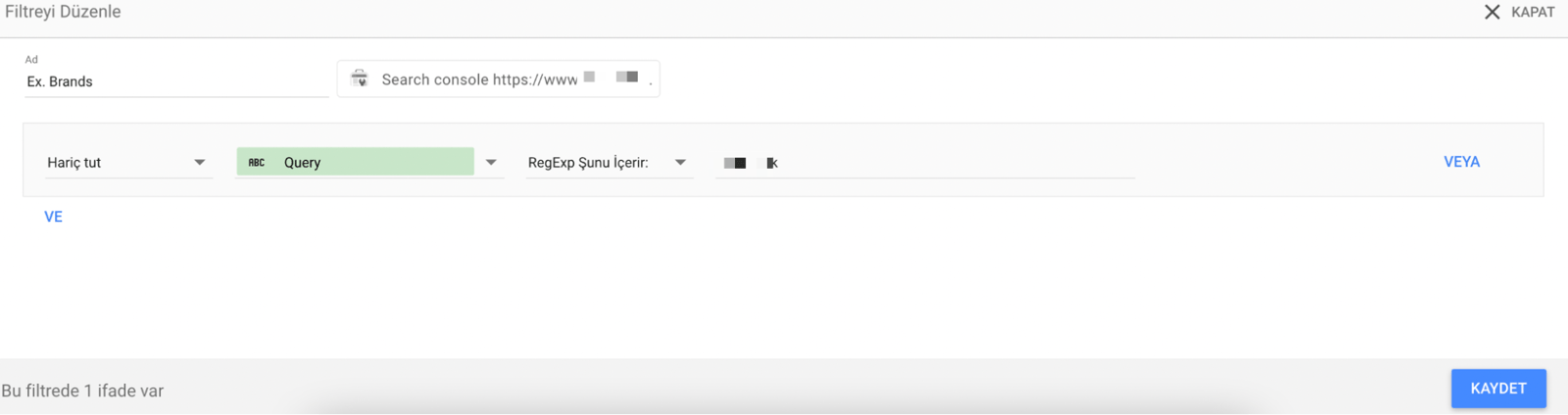
Another example: using the wrong characters in RegEx filters within Looker Studio reports can also cause major errors throughout the report:
12. Too Many Pages & Data
Cramming too many pages into an SEO measurement report doesn't automatically make it better. I'd also recommend against overly long reports, since the people you're sending them to have limited time too. The right number of pages, minimum or maximum, varies by site, so there's no single correct number to give here:

I hope that keeping all of this in mind helps you build better reports, the kind that actually get people's attention. Feel free to bring your own creative methods and ideas into the mix too. As I said at the start, my goal here was to walk you through the details I've seen come up again and again. Here's to a day full of organic traffic!


