


In today's digital world, how well an email marketing campaign performs often comes down to its very first hurdle: the open rate. Understanding what drives that number, and knowing how to improve it, is essential for any digital marketer trying to grow and engage their audience. In this article, I'll walk through the key elements of writing compelling subject lines that can significantly boost your email open rates. You can also check out my article on the 6 metrics to track in email marketing afterward.

Importance of Subject Headings
Subject lines matter more than almost anything else in email marketing. They're the gateway to your content and directly shape your open rates. A compelling subject line grabs your audience's attention, sparks their curiosity, and gives them a reason to open the email and read further.
Writing an effective subject line takes strategy, creativity, and a solid understanding of your audience's preferences and behavior. There's no one-size-fits-all formula that guarantees success, so striking the right balance matters, and tailoring your approach to your audience's specific interests and needs is what actually drives engagement and open rates.
Strategies for Creating Effective Headlines
Writing effective subject lines is critical for cutting through inbox clutter and capturing your audience's attention. In this section, I'll walk through strategies for boosting your open rates through subject line optimization, each one built around your audience's specific preferences and behaviors, to help you lay the groundwork for a successful email campaign.
1. Optimize for Different Devices
Optimizing subject lines for different devices matters more than ever today. With so many people checking email on their phones, a mobile-first approach isn't just advisable, it's essential. Keeping subject lines between 21 and 40 characters helps ensure they stay visible and readable across devices, and using preview text to add extra detail or an enticing offer can meaningfully boost engagement.
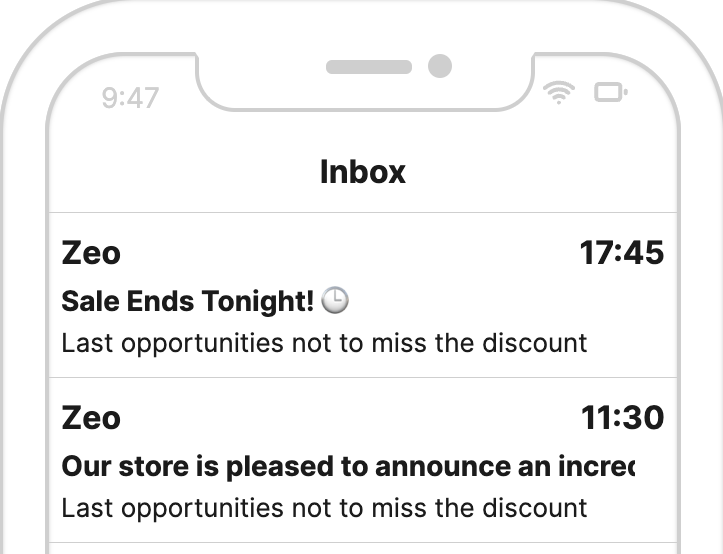
- Good Example: "Sale Ends Tonight! 🕒" gets straight to the point and uses an emoji to draw the eye.
- Bad Example: "Our store is pleased to announce an incredible sale that's only available for a limited time!" is too long and will likely get cut off on mobile devices.
By striking the right balance between brevity and useful detail, digital marketers can meaningfully increase their open rates, regardless of which device someone uses to check email.
2. Ask a Question
Adding a question to your subject line is a simple way to spark curiosity and drive engagement. Relevant, thought-provoking questions create a kind of direct dialogue with your audience, one that encourages them to open the email and find the answer.

- Good Example: "Do You Know the Secret to Instant Productivity Boost?" is intriguing and hints at what's waiting inside, which makes it hard not to open.
- Bad Example: "Would you like to know more about our products?" seems simple enough, but it lacks specificity and offers no unique value or compelling reason to engage further.
The questions you use should tap into your audience's specific interests or pain points, promising them meaningful content that's just a click away.
3. Capitalize on Intrigue and Curiosity
Tapping into intrigue and curiosity can dramatically increase your open rates by playing on people's natural desire to uncover the unknown. A subject line that hints at confidential information or a private exchange gives recipients a reason to dig into the email's secrets.
- Good example: "What Your Competitors Don't Want You to Know..." suggests insider information that gives the reader an advantage if they keep reading.
- Bad Example: "Our Weekly Newsletter Inside" lacks any mystery. It doesn't stand out from the countless other emails in the recipient's inbox, and it gives no compelling reason to open it.
Digital marketers can build this kind of irresistible appeal by crafting subject lines that hint at private or confidential information, but the email itself needs to deliver on that promise, or it will cost you trust and interest over time.
4. Create a sense of urgency
Creating a sense of urgency in your subject lines can significantly affect how quickly and how often your audience opens your emails. FOMO (Fear of Missing Out) is a powerful motivator, one that drives people to act so they don't miss out on something valuable.

- Good example: "Last Chance! Grab 50% Off Before Midnight 🕛" creates a tangible sense of urgency by naming a specific deadline.
- Bad Example: "Discounts Available" is too vague and carries no urgency. Without a time-sensitive angle, it's easy for recipients to skim past it or put off opening the email, which can lower open rates.
Digital marketers can encourage immediate engagement by clearly communicating the limited-time availability of an offer or the exclusivity of a deal. Just make sure the urgency is genuine: overusing it, or making misleading claims, will erode trust and interest over time.
5. Use Emojis
Used wisely, emojis can make a subject line much more appealing by adding personality and visual interest. They act as a visual cue that helps emails stand out in a crowded inbox, and they can sometimes convey emotion or meaning more effectively than text alone.

- Good Example: "🔥 Hot Discounts This Weekend Only - Don't Miss Out!" uses an emoji to convey urgency and excitement that complements the message and grabs attention right away.
- Bad Example: "Read Our Latest Blog Post 😴😴😴😴😴" - Here, the emojis are irrelevant to the topic and don't engage the reader at all.
The key to effective emoji use in email subject lines is to choose icons that align with your message and brand identity, ones that add clarity and appeal without overshadowing the text itself.
6. Use Verbs or Numbers to Call to Action
Using actionable verbs or numbers in your subject lines grabs attention by setting a clear expectation for what happens next, and that clarity can significantly boost engagement by making the content feel both accessible and urgent.
- Good example: "Increase Your Sales in Just 30 Days - Try It Now!" creates a compelling call to action, pairing a number that sets a timeline with a verb that pushes for immediate action.
- Bad Example: "Insights to Increase Sales" has no urgency or call to action, which makes it easy to miss in a busy inbox and fails to generate real interest.
7. Add Humor
Adding humor to your subject lines can meaningfully boost engagement simply by standing out from a typical, straightforward email. Done well, a humorous subject line makes your email memorable, which can increase both opens and shares.
- Good example: "Wishing you a Sweet New Year: Great End of the Year Deals!" cleverly plays on words, blending a familiar holiday greeting with a dessert reference that fits perfectly with a dessert brand's holiday campaign.
- Bad Example: "Why did the email go to therapy? To get to the inbox!" reaches for humor but misses, since it has nothing to do with the email's content or the audience's interest, and it risks confusing or alienating readers.
The key is making your emails fun and engaging in a way that actually resonates with your audience and reflects your brand's voice.
Testing and Optimization
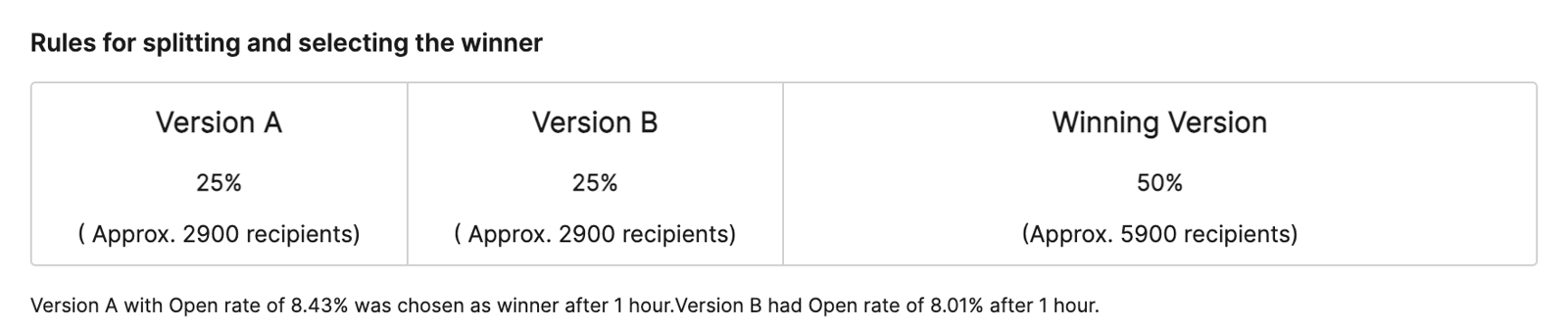
A/B testing your subject lines is one of the most reliable ways to improve email marketing performance. Send two variations to a small segment of your audience and see which version gets the higher open rate.
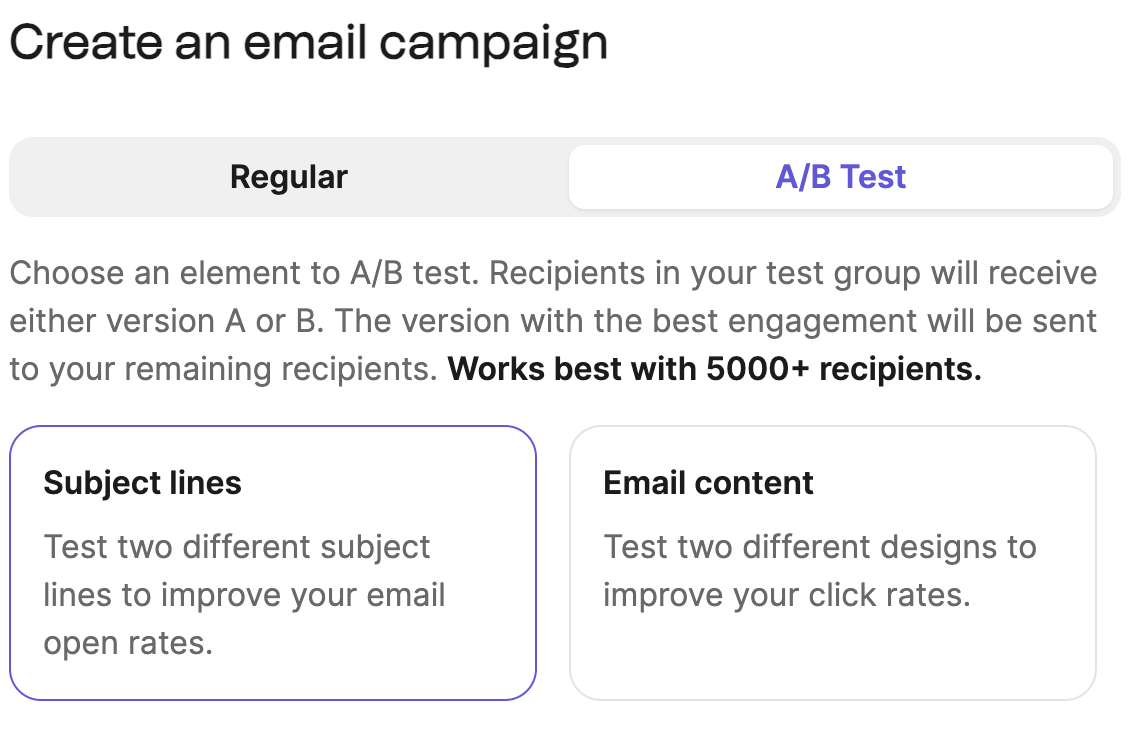
By tracking which subject lines perform better, digital marketers learn more about their audience's preferences and can tailor future content accordingly. This ongoing cycle of testing, learning, and improving builds more engaging campaigns over time, which shows up in stronger open rates and engagement.
Debunking Myths
It's worth clearing up a few common myths about subject lines. Contrary to popular belief, personalizing a subject line doesn't always lead to a higher open rate, and using emojis or capital letters doesn't automatically flag an email as spam. Both can boost engagement when used well, but neither is a universal fix. Audience preferences vary too much for that, which is why digital marketers should lean on data from actual testing to find out what really moves the needle for their own audience.
Conclusion
Mastering your subject lines is a critical piece of successful email marketing. We've looked at strategies ranging from optimizing for different devices to using humor, and the common thread is understanding your audience and genuinely engaging them. Regular A/B testing, and staying skeptical of the common myths, will help you keep refining your approach, so your emails don't just reach the inbox, they also get opened, read, and acted on. Keep adapting to your audience's changing preferences, and your campaigns will keep climbing in engagement over time.
This content was created by Ahmet Can Kavak, Marketing Manager at Zeo.


