


Artificial intelligence (AI) was first defined in 1956 as "the science and engineering of building intelligent machines." In the decades since, it has grown into intelligent machines and algorithms that reason using rules and environments modeled on human intelligence.

Artificial Intelligence (AI) has become part of daily life in ways many of us don't notice, from voice-activated virtual assistants to personalized recommendations.
We run into different forms of artificial intelligence at home, at work, in our cars, and through smart appliances, and it's changing how we interact with the world.
Yet most people know little about how these technologies actually work, and researchers and experts are working to close that gap.
Research shows many people don't even realize they're interacting with artificial intelligence. In a December survey of American adults, the Pew Research Center presented six common examples of AI use, and only 30% of respondents recognized that every example involved artificial intelligence.
Meanwhile, the artificial intelligence market is estimated to grow by 309.6 billion dollars by 2026.
As AI takes its place in the market and enters every part of our lives, large and small, a new form of literacy has become a necessity: Artificial Intelligence (AI) Literacy
AI is no longer just a technological tool; it's become a significant part of society, which means understanding it shouldn't be left to data scientists and data analysts alone.
That said, the goal isn't to turn everyone into an AI expert. Some people will specialize in the field, of course, but the broader aim is to give people the knowledge and skills to make sense of AI, use it, and interact with it responsibly and effectively. That way, society can make informed decisions and understand both the changes AI will bring to our lives and the ethical questions those changes raise.
In this guide, we'll look at what AI literacy means, its key components, and why it matters in education and business life as AI increasingly shapes the world around us.
What is Artificial Intelligence (AI) Literacy?
AI literacy is a multifaceted concept that goes beyond just understanding AI technologies. It also means having the skills and competencies to use AI technologies and related applications effectively.

It means looking critically at AI technologies, understanding their context, and questioning their design, implementation, and benefits.
In our increasingly connected world, AI has found a place in sectors as diverse as finance, education, health, and entertainment. From AI-supported tools for data analysis in business to machine learning algorithms in healthcare, its presence shows up in many areas, which is exactly why artificial intelligence literacy has become an essential skill.
But AI literacy isn't only about professional competence. It's also about being critical and staying curious. As these systems become more widespread, they affect and reshape social and cultural interactions, and feeling confident navigating that world is at the heart of AI literacy.
We've already seen how AI tools like ChatGPT and Bard have shaped our decisions, our perceptions, how we do business, and even how we interact with the world. AI literacy means fully understanding these impacts: recognizing both the truths and the misinformation AI has brought to the forefront, along with the ethical, social, and cultural issues it raises.

In short, AI literacy is about helping people navigate a technology-filled world, today and tomorrow, with confidence and responsibility. It accounts for the challenges and consequences of that reality while encouraging a society that knows how to make the most of AI's benefits.
Why AI Literacy Matters?
As we mentioned earlier, artificial intelligence is now everywhere, and its continued growth isn't just a possibility. It's an accepted reality. That alone is reason enough for people to build their AI literacy, but it's not the only one.
A recent study by Pew Research found that 27% of Americans say they interact with artificial intelligence tools at least several times a day.
Similarly, an IBM study conducted in 2022 found that 35% of organizations use AI technology in the workplace, and 42% said they're aware of and researching its benefits.
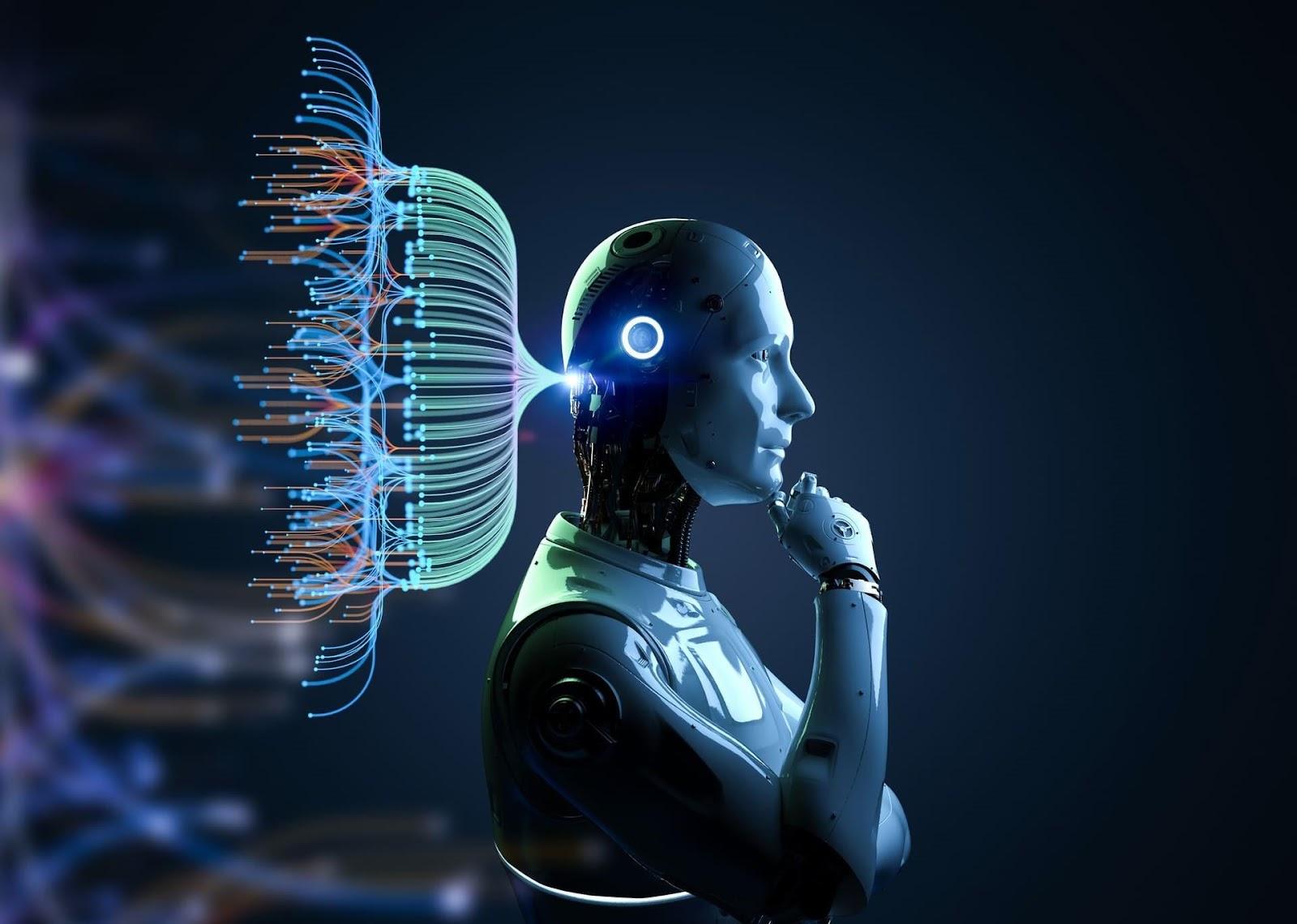
AI literacy matters because it gives us the ability to spot the technology, communicate with it effectively, understand its limitations, and see its potential.
On the other hand, research reviews show that as AI rises, many industries will see new job opportunities, and AI will probably have no trouble replacing the jobs of tomorrow.
As predicted, even though AI won't replace every profession, people who understand it will replace those who don't.
The MicKinsey report predicts that by 2030, 15% of global working hours will be automated, with 47% of American jobs at high risk of automation.
This is exactly why AI literacy has emerged as a suite of skills everyone needs, much like classical literacy covers reading, writing, and numeracy, giving people a competitive advantage at work and in other areas of society.
Artificial intelligence has emerged as one of today's most important technologies, and combining AI with literacy has made AI literacy a necessity for understanding and living in this world. It's a subject that should be taught at the K-12 level.
K-12 is an education model used in countries such as Canada, USA, Australia and Turkey. The term comes from Kindergarten through 12th grade, covering that entire span of schooling.
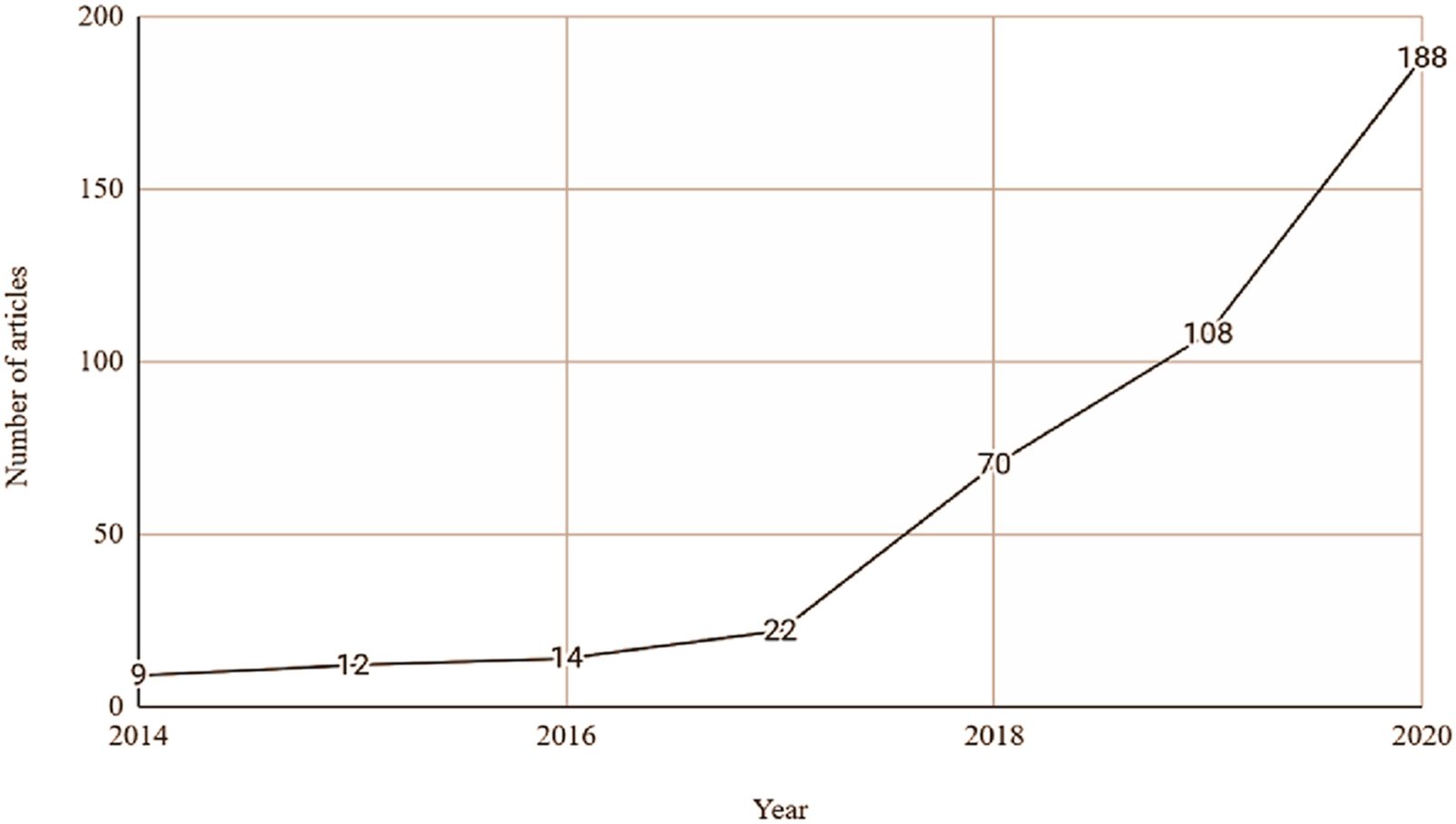
Image: Google graph of the number of articles published on AI literacy.
What are the Components of AI Literacy?
AI literacy is a broad concept made up of several key components. As with data literacy, there are different levels of fluency. Here are the main components:
Technical Interpretation
Technical understanding involves grasping the basic logic behind how AI works.
For example, technical understanding includes recognizing that AI technologies are only as good as the data and subject matter they're trained on, understanding their margin of error, and knowing they can be affected by existing biases.
Practical Understanding
Practical understanding covers knowing how to interact effectively with AI technologies and apply them quickly.
Whether you're using a virtual assistant, chatting with ChatGPT, or working with an AI-powered analytics tool for your business, communicating with these tools quickly and accurately requires practical understanding.
Ethical Understanding
Artificial intelligence isn't just a tool; it's a technology with social implications that's changing our world. Ethical understanding means being aware of AI's implications and making sense of the ethical considerations it raises.
It also means understanding the potential for misuse and the need for transparency and accountability.
Artificial Intelligence Literacy in Business
AI literacy has emerged as an important skill set in a rapidly evolving business environment.
AI technologies have already revolutionized, and continue to revolutionize, various business functions, which is making it a growing challenge for employees at every level to keep up with AI.
AI literacy in business is about understanding how to use this technology to drive innovation, gain a strategic advantage, and improve efficiency, including how to apply AI in marketing, human resources, medicine, supply chain management, digital marketing, and decision-making.
AI as a field keeps evolving, regularly introducing new technologies, tools, and applications, which makes it essential for business professionals to stay current, keep learning, and continually improve their skills.
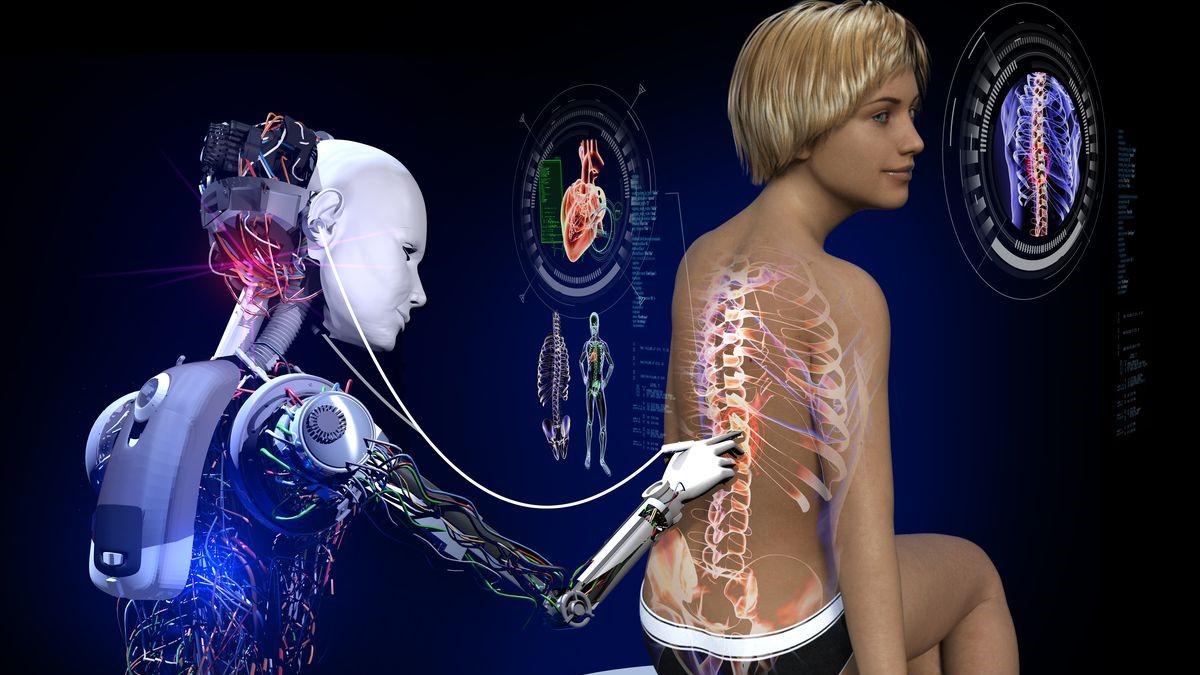
This applies to businesses too. They should invest regularly in keeping employees up to date on AI trends, applications, tools, and other relevant topics.
Learning and developing this technology through real-world applications makes it far more tangible and relevant, and implementing AI technologies makes the process easier for employees.
What are the Ethical Concerns in Artificial Intelligence Literacy?
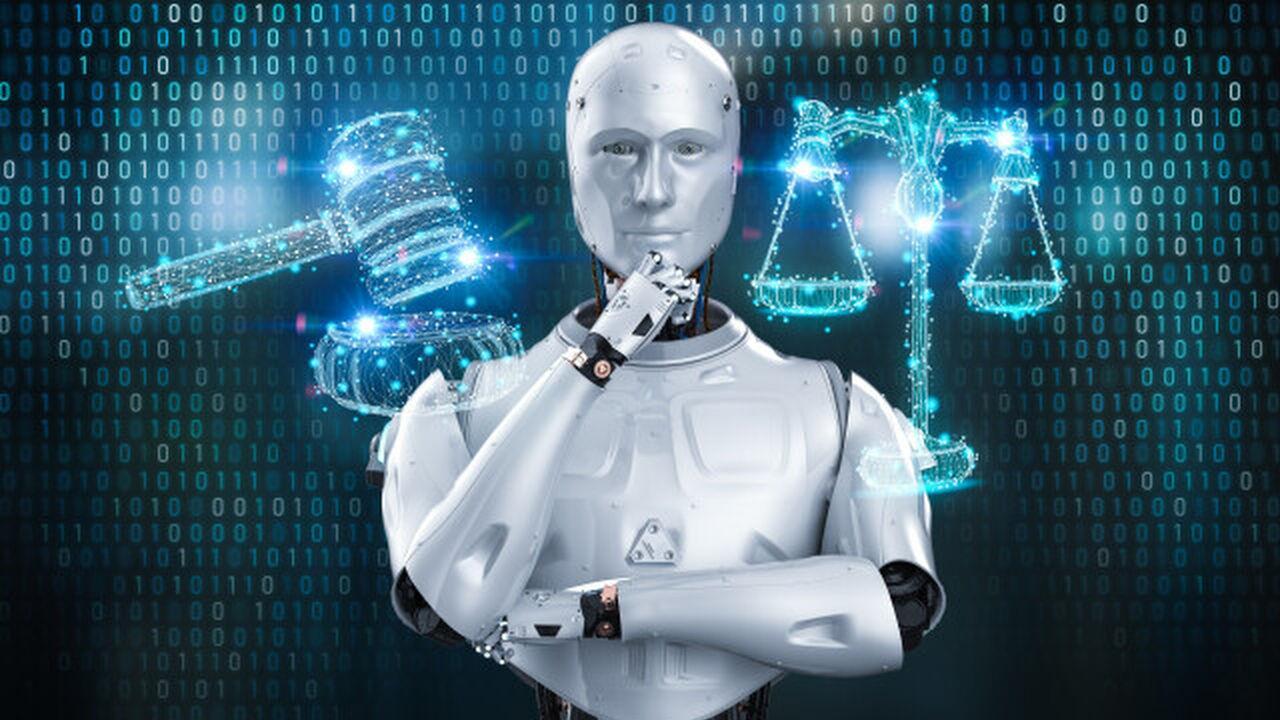
Because artificial intelligence plays such an important role in daily decision-making, and that role keeps expanding into more areas, there are real ethical concerns: a misused or poorly designed application can cause serious harm to people and society.
In this context, researchers have increasingly recognized that justice, transparency, accountability, and ethics matter just as much as improving AI capabilities.
For example, a group of scientists put together a secondary school curriculum to build AI literacy, combining AI concepts, ethics, awareness, and careers.
In short, framing AI literacy around ethical concerns and human-centered thinking is important for building an inclusive society going forward.
The Future of AI Literacy
Looking ahead, the importance of AI literacy will grow exponentially, and both current research and the rapid transformation underway today point to that.
As artificial intelligence technologies and applications develop rapidly and spread across sectors, artificial intelligence literacy will stand out as a critical skill for individuals, companies, and societies.
Even though not everyone needs to use or configure artificial intelligence like an expert, those who understand it and interact with it well will always be one step ahead.
The path artificial intelligence takes as it develops will, in turn, shape the framework of artificial intelligence literacy itself.
Continuous learning and adaptability, making sense of emerging applications and technologies as they appear, will be the key to remaining literate in artificial intelligence in the future.
The best example of this is how LLMs and people who have a better idea of how they work are currently standing out, and the same will hold true for a different application in the future.
Artificial Intelligence Literacy: General Considerations
Throughout this guide, we've covered various aspects of artificial intelligence: its place and role in the business world, and its growing importance in a world increasingly driven by artificial intelligence.
We looked at the technical, practical, and ethical dimensions of artificial intelligence literacy, along with its practical applications and possible social developments.
We've tried to show that artificial intelligence matters not just in computer science but across many fields, and how it shapes a critical approach to understanding the world around us.
We've found that AI literacy has become a critical skill today and will only grow more important going forward.
As we wrap up, we want to leave you with this: the journey toward AI literacy has no final destination. Continuous learning and discovery are the real keys to it.
So let's keep this journey going together: keep learning, keep exploring, and push the boundaries of what's possible with AI.
If you're new to this topic, check out our AI Blog page. You'll find plenty of content there, including Artificial Intelligence Engineering, Generative AI 101 Guide, and 6 ChatGPT+ Plugins You Can Use in Digital Marketing.
Sources
https://www.edweek.org/technology/ai-literacy-explained/2023/05
https://www.sciencedirect.com/science/article/pii/S2666920X21000357
https://datatechvibe.com/ai/what-is-ai-literacy-how-can-it-be-acquired/
https://www.sciencedirect.com/science/article/pii/S2666920X21000357#bib37
https://www.sciencedirect.com/science/article/pii/S2666920X21000357#bib40


