


What is Search Everywhere Optimization (SEvO)?
Search is no longer just about typing a few keywords into Google or Bing and browsing the results. Users watch a product review on TikTok, research real user experiences on Reddit, ask questions to AI tools like ChatGPT, and then maybe follow up with Google to visit the brand's official site. Search behavior itself now happens across multiple platforms, "everywhere," and that's exactly why the concept of Search Everywhere Optimization has emerged.
In its simplest form, Search Everywhere Optimization (SEvO) is a holistic approach that aims to make a brand visible not just on traditional search engines but across every digital channel where users go looking for information.
One thing worth clarifying: SEvO isn't a concept that replaces SEO. On the contrary, it's a strategy that offers a broader framework where SEO stays at the core without being the only focus. Google and traditional search engines are still very important, but TikTok, YouTube, marketplaces, and AI tools have now reached a critical position for visibility.
Why Is Search Everywhere Optimization (SEvO) Necessary?
Research shows that TikTok is often preferred for product recommendations, Reddit for genuine user reviews, and AI tools like ChatGPT for more personal and immediate answers. In other words, the way users access information has undergone a major shift.
Around 24% of users conduct their searches primarily or exclusively on social media, and more than 40% of Gen Z prefer TikTok and Instagram for search. A study shared by Adobe found that one-fourth of TikTok users use the platform specifically to find new brands, and that rate rises to 34% among Gen Z. After watching a video on TikTok, 92% of users take an action such as liking, sharing, or searching; one in three users purchases a product they see.
A significant portion of product searches starts directly on marketplaces like Trendyol and Amazon. Research shared by Search Engine Land shows that Amazon has a 50% share as a starting point for online shopping, while Google's share is 31.5%.
On the other hand, about 60% of searches conducted via traditional search engines end without a single click. Data shared by Search Engine Land indicates that on search pages where AI-generated summaries appear, users click on traditional results at a rate of 8%, while 26% of users leave the page entirely. That rate is 16% on pages without AI summaries.
Given all this, moving beyond traditional SEO and turning visibility across the platforms where your audience spends time into a core strategy becomes essential for both brand awareness and sustainable visibility.
What Does SEvO Cover?
As mentioned above, SEvO doesn't just look at websites, it takes in the entire digital ecosystem where users find information. We can group this into 8 different branches:
1. Traditional Search Engines (SEO)
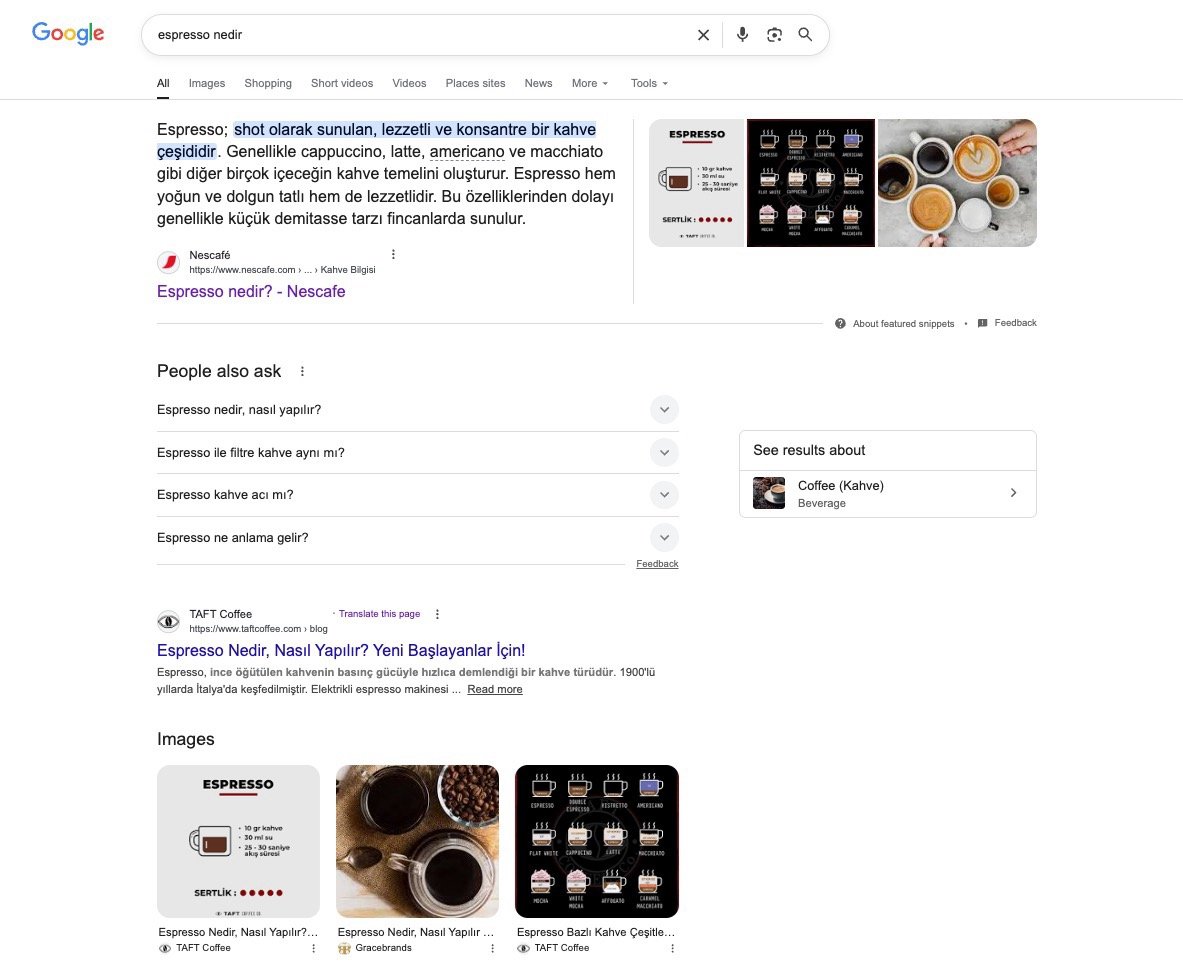
Even as the ecosystem grows, Google and Bing remain the starting point, or the verification step, for most discovery journeys. Meeting technical requirements such as site speed, crawlability, structured data usage, and user experience continues to matter.
2. App Store Optimization (ASO)
In a mobile-first world, optimizing titles, descriptions, keywords, and user reviews to be visible on the App Store and Google Play is a critical point.
3. E-commerce Search
A huge part of the shopping journey starts on platforms like Amazon and Trendyol. Because of this, product titles, descriptions, and images should be crafted to satisfy both the user and the platform's own algorithm.
4. Social Media and Video Search
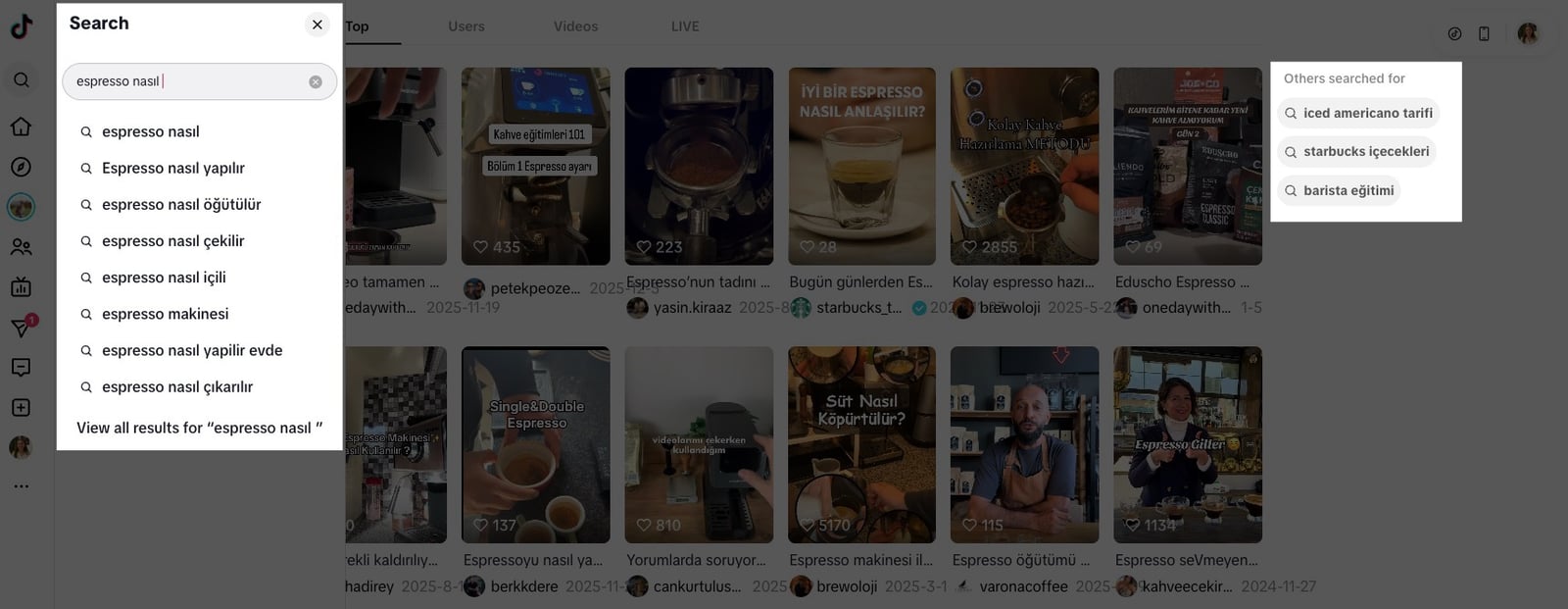
YouTube, TikTok, and Instagram are no longer just entertainment platforms; they also work as search engines. Content needs to be optimized for the specific needs of each of these platforms.
5. AI and Large Language Models (GEO)
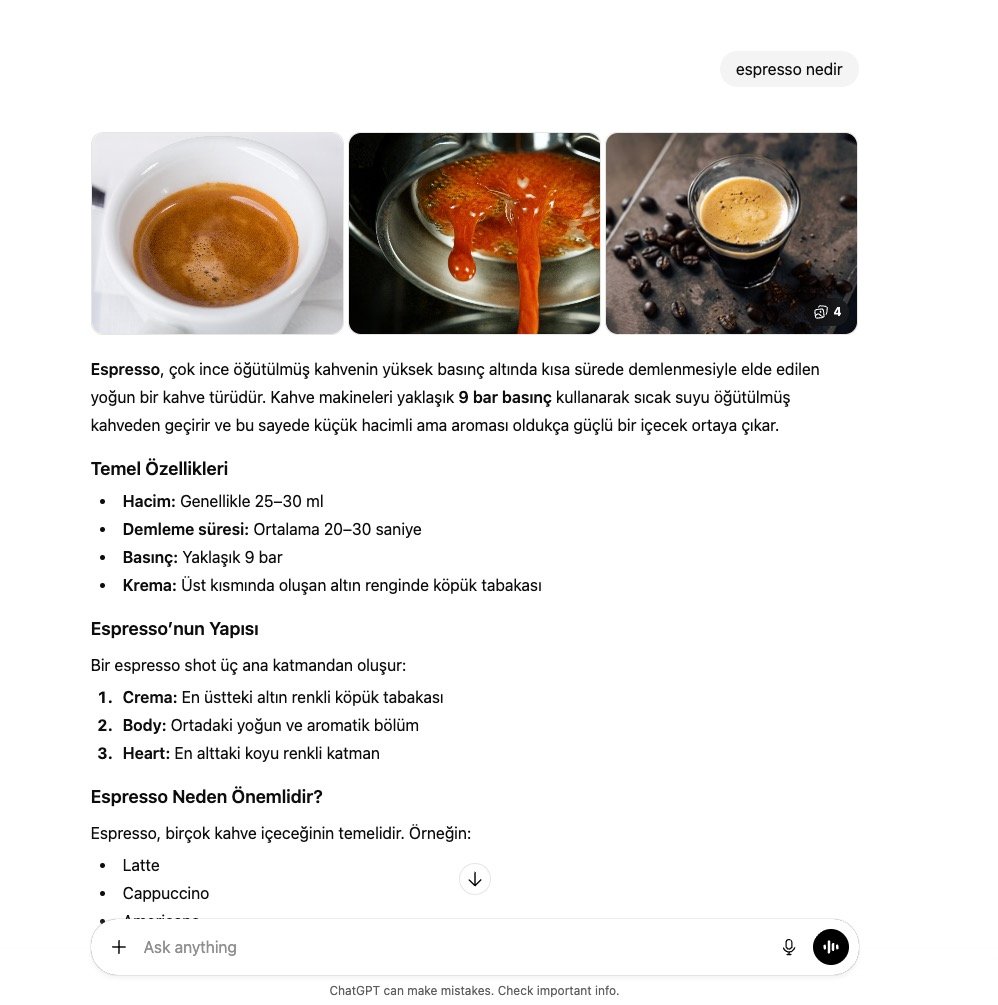
Getting brands and content cited in tools like ChatGPT, Perplexity, Claude, and Gemini, which generate direct answers to user queries, has created a new area of expertise and optimization called Generative Engine Optimization (GEO).
6. Voice Search
Searches via Siri, Alexa, and Google Assistant tend to involve more natural language and full sentences, which brings Answer Engine Optimization (AEO), focused on providing single, clear answers, to the forefront.
7. Local Search and Map Services
For businesses with a physical presence, visibility on platforms like Google Maps and Apple Maps is vital for searches containing "near me" queries.
8. Niche and Emerging Platforms
Platforms like Reddit, Quora, and Pinterest are places where a brand can demonstrate its expertise, trustworthiness (E-E-A-T), and authority.
Tired of reading?
You can also listen to this blog post as a podcast we created with Google NotebookLM on Spotify.
Differences Between SEvO and Traditional SEO
Traditional SEO focuses on optimizing a site's technical and content health to rank higher on search engines like Google and Bing. SEvO recognizes that Google is still a major channel, but expands that scope because user search habits have shifted toward multiple platforms.
Beyond SEO, SEvO takes a multi-channel approach that covers social networks, AI tools, marketplaces, and local platforms. In other words, the goal of Search Everywhere Optimization is to make sure a brand's content and products show up wherever a user happens to be searching.
While content length and keyword density are the priority in traditional SEO, user intent and engagement signals matter more in SEvO. Elements such as visual and written hooks in the first three seconds on TikTok, or featured thumbnails on YouTube, are critical for grabbing user attention. That's why SEvO requires specific content strategies for each platform.
How to Build a SEvO Strategy?
Analyze Your Target Audience’s Search Habits
Everything starts with understanding your audience. You can't show up on the right channel without knowing who you're creating content for. At bottom, you need to answer the question: "Where is my audience searching?"
Create a Consistent Brand Voice and Message Integrity
Being visible across multiple platforms requires your brand voice and message to stay consistent everywhere. Using a fun tone on one platform but a very formal one on another, or introducing your services differently across platforms, can damage trust. Tone and message integrity need to be maintained.
Develop Platform-Specific Optimization Strategies
Every platform has its own dynamics. Instead of using one-size-fits-all content, you need platform-specific optimization strategies. For example, you might present the most striking point with a visual and written hook in the first 3 seconds on TikTok, while your website may need much more detailed and comprehensive content.
Diversify and Repurpose Content Formats
Diversifying and repurposing content is also a core part of SEvO. Turning a blog post into a LinkedIn carousel, an Instagram Reel, a YouTube Short, or a podcast not only lowers costs, it also extends the life of your content.
Measurement and Continuous Improvement
A single metric doesn't measure success in SEvO. While traffic and position data are tracked for your website, you also need to evaluate engagement rates on social platforms, sales performance on marketplaces, and brand visibility within AI tools. Each channel should be evaluated on its own terms to identify where the overall strategy needs optimization.
References:
- Ahrefs - Search Everywhere Optimization: 5 Places to Optimize Beyond Google
- Digital Success - Search Everywhere Optimization (SEvO): The Future of SEO in 2025 and Beyond
- Michigan Tech - What is Search Everywhere Optimization?
- Digital Marketing Institute - Search Everywhere Optimization: What Is SEO, GEO, and AEO?
- Adobe - TikTok's influence on brand discovery
- Search Engine Land - 50% of product searches start on Amazon
- Search Engine Land - Google Search is 373x bigger than ChatGPT search


