


Content Optimization & Operations
Content Performance Reviews
Turn performance data into page-level decisions.
Content Performance Reviews turn analytics into portfolio decisions: which pages to keep, improve, consolidate, or retire. The result is an action plan rather than another dashboard. You walk away with a page-level call on what to keep, improve, consolidate, or retire, each one owned by a named person and dated for a follow-up check.

Some of the 500+ brands we've worked with
Selected brands we’ve worked with across industries.


On this page
How we run it
How performance data becomes an action plan
We agree on the questions and metrics, assemble the evidence, interpret the patterns, assign actions, and set the next review.
Agree on what counts
Before touching a dashboard, we agree which questions the review needs to answer, which metrics matter for this content, and what window of time is fair to judge it over. The team signs off on which metrics and time window count before analysis starts.
A short list of decision questions and metric definitions everyone signs off on.

Pull the evidence together
Inventory, publication history, search and behavior data, conversions, and cost all get joined into one view, with gaps and blind spots marked rather than smoothed over. An analyst confirms the joined data set is complete before conclusions get drawn from it.
A joined evidence set with attribution limits stated up front.

Read the pattern behind the number
We look at performance against what the content was actually supposed to do, and separate a real signal from normal seasonal noise or a one-off traffic spike. Only patterns a strategist accepts as actionable move forward. The agent that flagged one has no say.
Annotated findings with a plausible explanation attached to each pattern.

Assign the call
Every URL or program in scope gets an actual recommendation, whether that's keep, improve, expand, consolidate, or stop, with a named owner attached. A named owner accepts each recommendation before it goes on the tracker.
A decision-ready review with URL-level or program-level actions.

Hand off and set the next check
We hand the review to the owners who'll act on it, and set when we'll check whether the actions happened and whether they worked. The receiving owner confirms the handoff and the next review date.
An action tracker and a date for the next review.



A pattern is not a cause until someone checks
A thousand-row export is a sensible place to use an agent. It can join data from four tools, rank the URLs that moved most, and surface patterns a manual scroll might miss. That saves hours of sorting. Interpretation starts after that list exists. Seasonality, a search update, a broken redirect, and a weaker page can produce similar charts, so a strategist reads each candidate against the content and the business before recommending an action. A convenient pattern is not treated as a cause.
What you get
What the performance review provides
The review explains the decisions, and the tracker gives each action an owner and deadline.
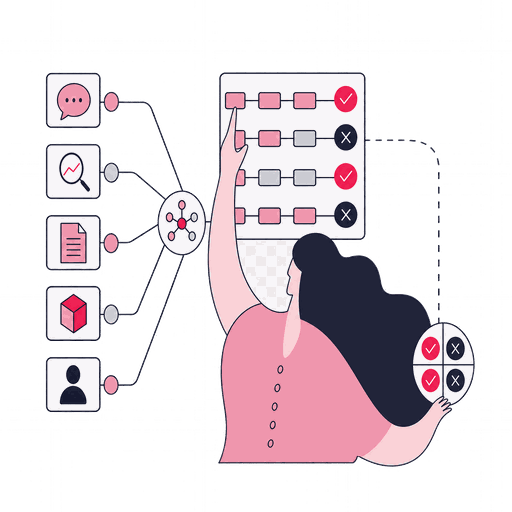
Evidence pack
The joined inventory, analytics, and cost data, with gaps and attribution limits marked instead of hidden.
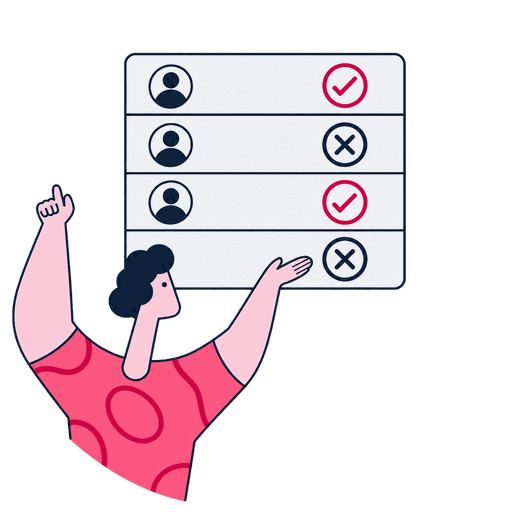
Decision-ready review
URL-level or program-level calls, each with a reason and a named owner.

Action tracker
A simple list of what's supposed to happen next and by when, so the review doesn't just get filed.


We call it done when: every action has a named owner, the caveats are stated plainly, and there's a date to check whether anything actually changed.
Who it fits
When the dashboard exists but decisions do not
This connects metrics to specific URLs and owners rather than producing another monthly report.
A good fit when
- You have, or can get, analytics, but nobody's turning them into keep, fix, or retire decisions.
- Your portfolio has grown beyond a manual scan, so nobody can tell which URLs are earning their place and which need a closer review.
- The review must end with a page-level call and a named owner, because another health score would leave the same decisions unassigned.

Better handled as other work when
- Your immediate need is an analytics dashboard with no page-level interpretation, while this review is built to assign keep, improve, or retire calls.
- Recommendations cannot move because no owner is ready to accept them, so an action tracker would become another report the team files away.
- Traffic is the only signal anyone intends to use. The page's job, seasonality, links, and conversions may tell a different story.
People who write and ship this content
Some of these consultants write the pages themselves. Others plan distribution or check how a piece performs once it's live, so the team below covers more than one stage of the work.

Zafer Yıldız
Web Analytics Manager

Ezgi Gülsen Yaylı
SEO Manager

Yağmur Bayram
Sr. SEO Analyst

Didem Himmetli
Marketing Executive

Deniz İmre Temiztürk
Content Specialist

Ozan Ketenci
VP of Consulting & Strategy

Sena Önder
Senior SEO Executive

Bensu Tınastepe
Senior SEO Analyst

Can Mutioğlu
Senior SEO Executive

Ali Özgün Öz
SEO Executive

Ruhan Tiryaki
Senior SEO Analyst

Emir Kağan Kahveci
SEO Analyst

Ataberk Yüzat
SEO Executive
Content we've produced on this topic
Tools we use
Tools behind this work
 Google Analytics
the behavior evidence a review's "what counts" definition gets measured against
 Google Search Console
the query-level history behind why a page's traffic actually moved
 Looker Studio
the decision-ready layout a review reuses on the same schedule every time
 Chartbeat
engaged-time reads on high-cadence editorial pages, ahead of the GA lag
Where this leads next
Methods connected to Content Performance Reviews

Upstream
Editorial Workflow Design
If handoffs and approvals are already a mess, sort that first. A performance review tells you what to fix. It cannot repair a broken production process.
Downstream
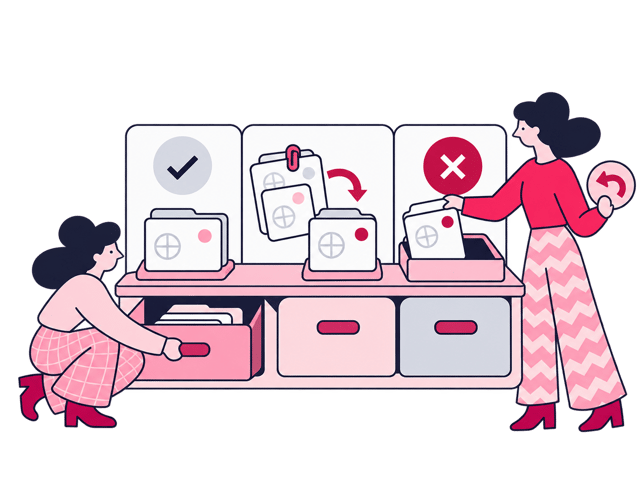
Content Pruning & Consolidation
When the review turns up genuine overlap or dead weight, pruning is where those specific URL decisions get executed safely.

Complementary
Content Refreshes
Once a review flags a page as fixable rather than dead, a refresh is the separate method that carries out that specific update.


Start the work
Have performance data but no action plan?

Before we start