


Content Strategy & Research
Original Research Planning
Design the question, sample, analysis, and safeguards before collecting any data.
Original Research Planning defines the question, method, sample, analysis, and ethics protocol before data collection begins. The plan gives every later claim a study design that can withstand scrutiny. You walk away with a signed-off research plan, a pre-specified analysis, and a publication brief that is honest about what the study can and cannot claim.

Some of the 500+ brands we've worked with
Selected brands we’ve worked with across industries.


On this page
How we run it
How the study gets designed
The research question sets the method, sample, safeguards, and analysis plan. We settle each of those decisions before fieldwork can influence them.
Pin down the actual research question
We separate the real question from the conclusion someone's hoping for, and check it against existing literature so it isn't answering something already settled. The requesting stakeholder confirms this is the real question, and that the answer isn't already decided.
A defined, defensible research question.
Choose a method the data can support
Sample size, source, and analysis method get matched to what the question actually requires. Cheapest and fastest are separate considerations. A researcher signs off that the sample size and method actually fit the question.
A method and sampling plan sized to the question.

Build the ethics and consent protocol
We settle the privacy requirements, final consent language, and disclosure obligations before participant outreach starts. The first participant cannot be contacted until legal or ethics has approved the final consent language.
An ethics and consent protocol ready for legal or ethics review.

Specify the analysis in advance
How the data will be analyzed gets written down before collection starts, so results can't quietly get reshaped to fit a preferred story. The researcher locks the analysis plan in writing before any data comes in, so it can't shift later.
A locked analysis specification.

Assign roles and timeline
Research, legal, editorial, and communications owners agree on who does what and by when, so the study doesn't stall on an unclear handoff. Research, legal, editorial, and communications owners each confirm their own slot in the timeline.
A staffed timeline with named owners.

Write the publication brief
We define how the findings will eventually be written up and released, including what limitations must be disclosed alongside the results. The researcher confirms every limitation that must travel with the findings is named in the brief.
A publication brief ready for the writing and PR teams.


The study design needs a person to stand behind it
Literature searches and competing claims are good work for agents, and an early design draft can help the team see what still needs deciding. The final calls are human ones. A Zeo researcher is accountable for the sample and method, while your legal or ethics reviewer must approve consent and privacy before participant outreach starts. The plan also records the possibility that honest findings may contradict the preferred narrative. We will not design around a predetermined answer.
What you get
The pre-fieldwork research plan
You receive an approved study plan that prevents design decisions from being improvised after fieldwork starts.
Research plan
Question, method, sample and source plan, and ethics protocol, ready for legal or ethics sign-off.
Analysis specification
Exactly how the data will be analyzed, locked before collection starts so it can't shift to fit a convenient story.
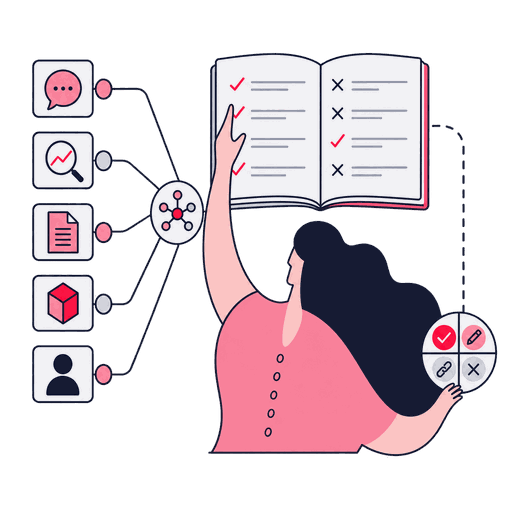
Publication brief
How the eventual findings should be written up, including the limitations that need to travel with the results.


We call it done when: research, legal or ethics, and communications owners have all signed off on the plan, and the publication brief is honest about what the study can and cannot claim.
Who it fits
The question deserves a real study
This method designs the study. Fieldwork, analysis, and report writing happen after the plan is approved.
A good fit when
- Your thought-leadership idea needs original data, but every number must survive a skeptical reader checking the sample and method.
- The team has a real question whose answer is still open. A feasible method can collect evidence that speaks to it.
- Participant outreach touches consent, privacy, or sensitive data, so legal or ethics approval must be settled before collection begins.

Better handled as other work when
- Leadership has already chosen the finding, while the study is expected to produce numbers that support it regardless of what the data shows.
- The only reachable sample is small or biased, but the publication still needs to present it as representative of people the study never reached.
- The results need to appear without the method or limitations, so a reader would have no way to judge how far the findings can travel.
People who write and ship this content
Some of these consultants write the pages themselves. Others plan distribution or check how a piece performs once it's live, so the team below covers more than one stage of the work.

Samet Özsüleyman
SEO Manager

Didem Himmetli
Marketing Executive

Deniz İmre Temiztürk
Content Specialist

Metehan Urhan
New Business & Partnership Manager

Sinem Bakır Yavaş
Senior SEO Executive

Hande Parmaksız
SEO Manager

Sena Önder
Senior SEO Executive

Bensu Tınastepe
Senior SEO Analyst

Gülşah Şahin Özkan
Senior SEO Analyst

Ali Özgün Öz
SEO Executive

Ruhan Tiryaki
Senior SEO Analyst

Yağmur Bayram
Sr. SEO Analyst

Emir Kağan Kahveci
SEO Analyst
Tools we use
Tools behind this work
 SurveyMonkey
runs the population, confidence, and margin-of-error math behind the required sample size
 Jupyter
the pre-registered analysis plan, run against real data in the same notebook
 Airtable
roles, consent status, and the timeline, tracked as one linked base
 Notion
the consent and ethics protocol, open for legal's direct comments
Where this leads next
Where confirmed findings go from here
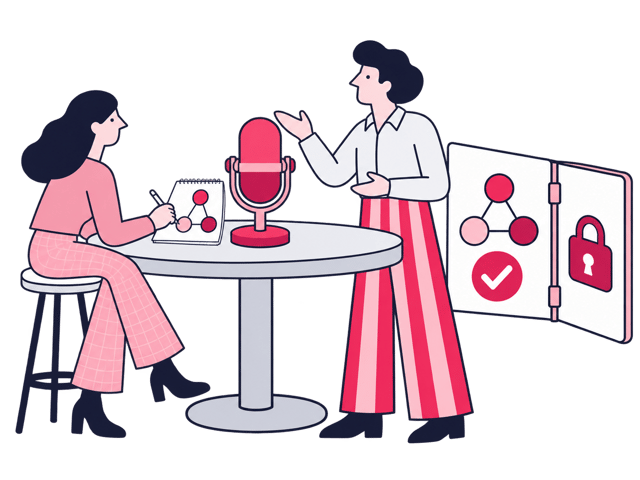
Upstream
Expert Interview & Knowledge Capture
If an expert's hunch sparked this idea, capture that knowledge properly before scaling it into a full study.
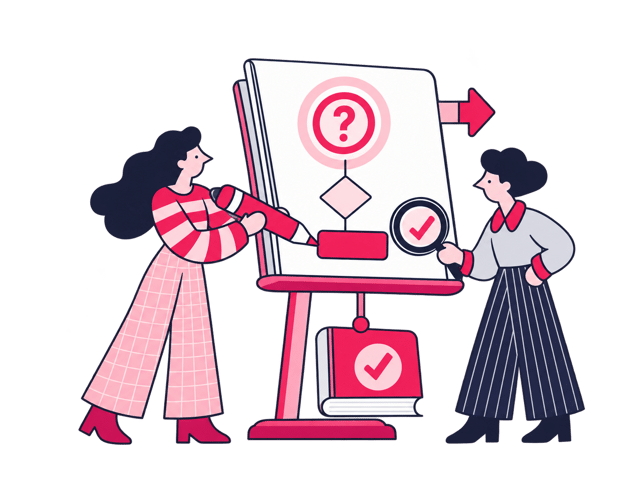
Downstream
SEO Blog Writing
Once the study produces real findings, this is how they become a published, source-backed article.
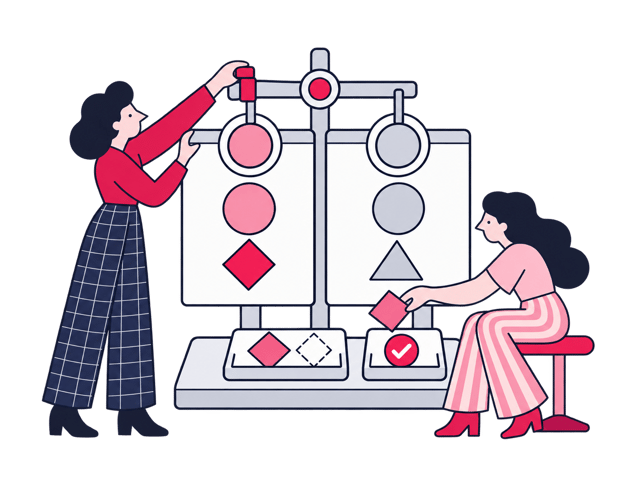
Complementary
Competitor Content Analysis
Before settling on a study's angle, a look at what competitors have already published shows which findings would be new instead of repeated.


Start the work
Have a research question that needs a defensible study?

Before we start