


SEO & Conversion Copywriting
Brand Messaging & Storytelling
Build a clear, credible story that people can recognize and repeat without needing you there to explain it.
When your homepage, sales deck, and social posts tell different stories, people struggle to understand what your brand stands for. Brand Messaging & Storytelling creates one truthful narrative that marketing, sales, and support can all use. You walk away with one narrative your teams can repeat in their own words, a message architecture behind it, and a review that shows where the story is drifting.

Some of the 500+ brands we've worked with
Selected brands we’ve worked with across industries.


On this page
How we run it
How we build the message system
We move from interviews and customer language to a story that people across the company can use and repeat.
Start by listening
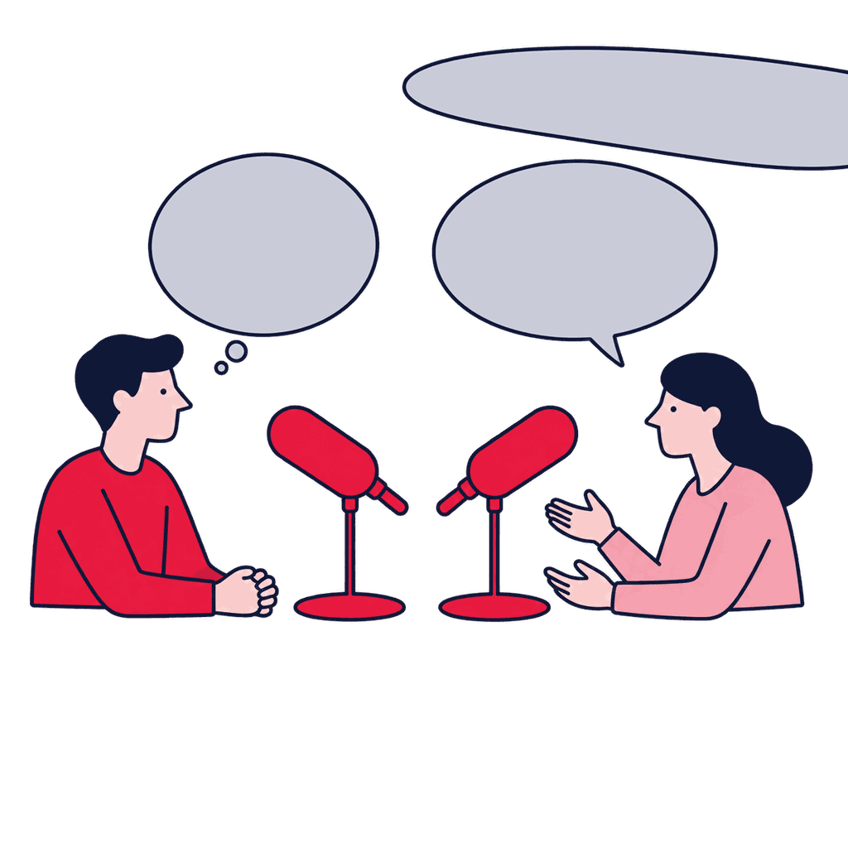
We conduct recorded interviews with founders, subject experts, and customers rather than relying on a questionnaire. The strongest material often comes from details that never made it into the sales deck. The interview material enters the evidence set only after a strategist has checked that it is relevant and usable.
Interview transcripts and a working inventory of the strongest source material.
Identify the real tension
A credible brand story connects a real market problem with a defensible reason your company can address it. Customer language tests each possible angle, including the one that sounded strongest in the workshop. After reading the quotations in context, the strategist chooses the tension the evidence can carry.
A tested positioning angle supported by evidence.

Write the narrative and organize the messages
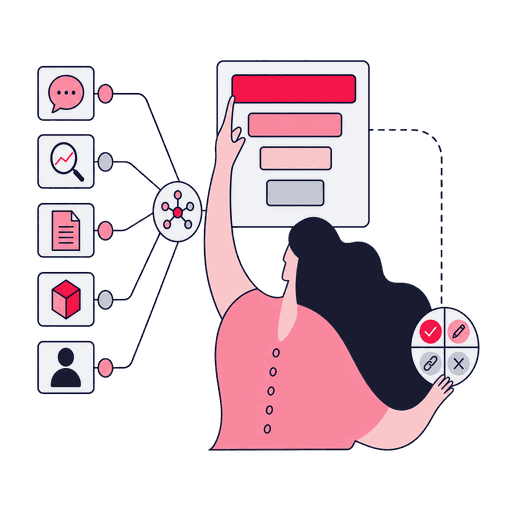
We write the core story, then break it into reusable parts: a one-line version, a fuller narrative, proof points, and language to avoid. The strategist owns the core narrative and approves the language other teams will reuse.
A narrative document and message architecture that other writers can use.
Test the story with the teams using it
Sales, support, and leadership try the story in real conversations. Any phrase that fails with a skeptical prospect is revised before launch. Sales, support, and leadership each test the language in conversation before it is approved.
A revised narrative approved by the teams responsible for using it in conversation.

Package the story and monitor reuse
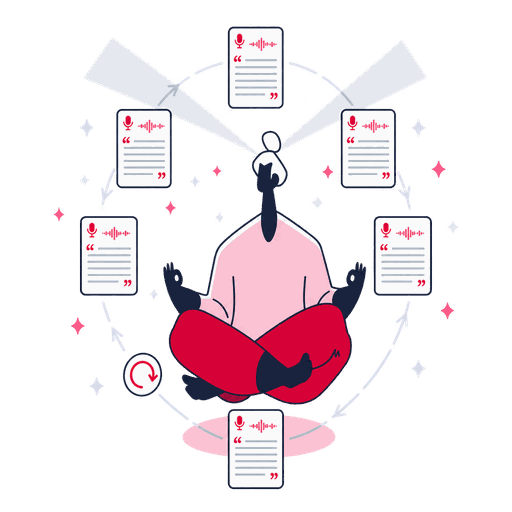
We adapt the core story for the website, sales decks, and selected campaigns, then check whether people outside marketing use it in their own words. The reuse evidence goes back to a strategist, who separates lasting adoption from one-off repetition.
A channel-ready content pack and a concise review of what teams are reusing or leaving behind.



Where AI helps and where human judgment leads
Hundreds of customer quotations are hard to hold in your head at once, so agents help us group repeated language and prepare channel versions after the wording is approved. The central tension still comes from a strategist reading the interviews in context. Someone who took part confirms that the finished narrative remains true to the source material. Thin evidence stays visible as a limitation, and no tool gets to fill that gap with a cleaner founding story.
What you get
What the message system includes
The core narrative comes with practical channel versions and a reuse check so it can remain useful after launch.
Interview record and positioning brief
The source material from founders and customers, together with the positioning angle tested against it.
Brand narrative and message architecture
The complete story organized into a one-line version, a longer narrative, and reusable proof points.

Channel-ready message pack
Adaptations for your website, sales deck, and selected campaigns, all tied to the same narrative.

Message reuse and drift review
A concise assessment of whether sales and support are using the new story or returning to the previous one.


We call it done when: leadership and customer-facing teams can explain the core story in their own words, and that story still matches what customers say.
Who it fits
One shared story across teams
This work creates the message system that guides every channel. If you only need copy for one page, a more focused writing service will be a better fit.
A good fit when
- The company has grown beyond one founder's voice, and marketing, sales, and support now tell different versions of the story.
- Founder interviews and customer language exist, but writers have no message architecture showing which proof points and language to reuse.
- New hires change who tells the story, but the narrative still has to survive a rebrand and competitors using similar language.

Better handled as other work when
- The missing source material has to be gathered first, because a credible founding story cannot be built from customer claims that no recorded interview supports.
- Nobody from the company can explain what is true in an interview, so there is no source record from which to build a credible narrative.
People who write and ship this content
Some of these consultants write the pages themselves. Others plan distribution or check how a piece performs once it's live, so the team below covers more than one stage of the work.

Hande Parmaksız
SEO Manager

Ezgi Gülsen Yaylı
SEO Manager

Metehan Urhan
New Business & Partnership Manager

Sinem Bakır Yavaş
Senior SEO Executive

Sena Önder
Senior SEO Executive

Deniz İmre Temiztürk
Content Specialist

Bensu Tınastepe
Senior SEO Analyst

Gülşah Şahin Özkan
Senior SEO Analyst

Ali Özgün Öz
SEO Executive

Ruhan Tiryaki
Senior SEO Analyst

Yağmur Bayram
Sr. SEO Analyst

Emir Kağan Kahveci
SEO Analyst

Mehmet Aktuğ
Co-Founder & COO
Tools we use
Tools behind this work
 Grammarly
confirms the same terms hold steady once the story splits into separate team documents
 Dovetail
turns scattered listening sessions into the one tension that keeps repeating
 Wynter
checks whether the positioning statement lands with the actual buyers it names
 Notion
the one shared message system every team actually pulls from
 Canva
Canvathe one-page handout each team keeps open, not the strategy document that built it
Where this leads next
Where the message system goes next

Upstream
eBook Writing
Choose an eBook first when the story needs a longer, chapter-based explanation rather than a short narrative.
Downstream
Website Copywriting
Website Copywriting applies the narrative to the pages where it must work alongside product and pricing details.

Complementary
Direct Response Copywriting
Direct Response Copywriting uses the approved narrative when asking readers to click, reply, or buy.


Start the work
Ready to bring your teams around one clear story?

Before we start