


Search Experiment Design & Analysis
Test a structural change before it reaches the whole campaign.
A campaign draft mirrors the live campaign, allowing a structural or strategic change to be prepared without altering current delivery. The experiment then splits traffic and budget between the draft and original for a defined period. We isolate one change, agree the split and decision rule before launch, and interpret the result only after the full window closes. You end up with a record of which structural changes were tested, what the traffic split actually showed, and why each one got applied, extended, or dropped. For a real structural or strategic hypothesis with a named decision owner and enough campaign traffic to split without starving either arm.

Some of the 500+ brands we've worked with
Selected brands we’ve worked with across industries.











 GeneraliGlobalCase Study





































On this page
How the work runs
The draft keeps the live campaign intact
AI can monitor the experiment status and draft the readout. The record shows what happened at each step, while a person decides whether to launch, extend, or apply a change to the live campaign.
How we hold ourselves to it
- Test the change as a draft before it ever touches the live campaign
- Set the split, duration, and decision rule before launch
- Hold the read until the window closes
- One experiment per campaign, so the result stays attributable
Define the intervention as a draft
Mirror the live campaign into a draft and make only the one structural or strategic change under test, so nothing else moves at the same time. The paid-search lead confirms the draft changes only the intended variable.
Draft campaign mirroring the original with exactly one structural or strategic change.
Set the split, duration, and decision rule
Agree the traffic and budget split, the run length, the guardrail metrics, and exactly what result triggers what action, before the experiment starts. The client owner approves the decision rule before launch.
Experiment brief fixing the split, duration, guardrail metrics and the result-to-action rule.

Convert the draft to an experiment and launch
Start the split run so the draft competes against the original campaign for the agreed window. The paid-search lead approves the go-live.
Live split run competing against the original campaign for the agreed window.

Monitor status and isolate confounds
Watch the experiment's status through the run and flag any external change, such as a seasonal shift, policy change, or landing-page edit, that could contaminate the read. The strategy lead reviews flagged confounds weekly.
Status log with every flagged external change that could contaminate the read.

Read the result against the decision rule
Wait for the full planned duration, then compare the primary metric and guardrails against the rule agreed before launch. The paid-search lead signs the readout before any action is taken.
Readout comparing the primary metric and guardrails against the pre-agreed rule at full duration.
Apply, extend, or discard, and record why
Act on the pre-set decision rule, whether that means applying the draft to the original campaign, extending the run, or discarding it, and log the reasoning either way. The client owner approves applying any change to the live campaign.
Decision record naming the action taken and the reasoning, including any deviation from the rule.


What lands with your team
What got tested, and why it ended the way it did
You get the brief, the log, and the readout for every experiment, so a decision can be reconstructed later.
Experiment brief
The intervention, the split, the duration, and the decision rule, all agreed before the experiment ever launches.
Draft and experiment status log
Status changes through the run, plus any flagged confound that could affect how the result gets read.
Guardrail-metric note
The metrics that could stop or flag an experiment early, and the threshold each one is watched against.
Readout and decision record
What the split traffic showed, what got decided, and the reasoning behind applying, extending, or discarding the draft.


Before the work starts
When this work is the right next step
Changing a live campaign without a test removes the fallback. Google's own experiment mechanism runs a draft alongside the original campaign for a set duration, splitting traffic and budget so you can compare before committing. Skip that step and a structural change lands with no fallback if it underperforms. Even teams that do run an experiment often read it days early, or start a second one on the same campaign when Google only allows one experiment to run there at a time.
A good fit when
- Your team has a structural or strategic campaign change in mind, but the draft has not tested that single intervention against the original campaign.
- The experiment can produce a readout, yet nobody has agreed who approves the decision rule or makes the call to apply, extend, or discard the draft.
- The campaign has enough traffic for the original and draft to run side by side, so neither arm is starved before the planned window closes.
- A structural change gets applied directly to the live campaign, with no draft to fall back on if it underperforms.
- An experiment gets read and acted on days before its planned duration ends.
- A second structural question gets tested on the same campaign while the first experiment is still running.
- Nobody checked which reports go dark for the length of the draft, so a mid-test change to the account gets missed.

Better handled as other work when
- The change is low-risk enough to apply directly, so running a draft through the full experiment window would delay a decision without answering a real question.
- Your change belongs to Video, App, or Shopping, which Google's draft-and-experiment mechanism does not cover and this method scopes separately.
- The team plans to read the test early, so the pre-set decision rule cannot govern the final call after the full window closes.
People who own a single channel
Paid Search, Paid Social, CRO, and Programmatic each run under a named owner at Zeo. The consultants below are matched to the channel this page is about, so you can see who you'd actually work with.

Abdullah Tanıdır
Performance Marketing Team Lead

Sevda Yurtvermez
Performance Marketing Team Lead

Serap Yurtvermez
Performance Marketing Team Lead

İlker Emir
Senior Performance Marketing Executive

Onur Durdağı
Performance Marketing Executive

Burak Pehlivan
Co-founder & CEO

Ozan Ketenci
VP of Consulting & Strategy
Tools we use
Tools behind this work
 Optmyzr
watches a running experiment so it gets judged at its planned end date, not before
Related work
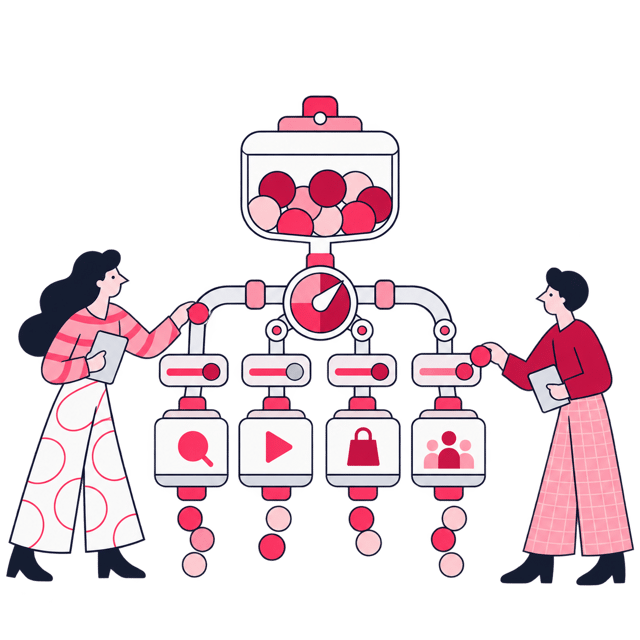
Parent service
Paid Search & PPC Management
Material launches and budget changes carry an approval trail. For a structural change, this method is what fills it, with the draft, the traffic split, and the decision rule agreed beforehand.
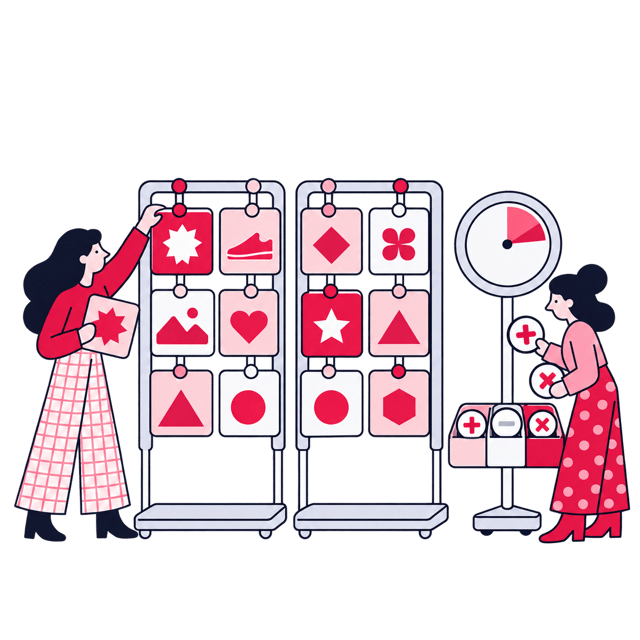
Contrast method
Search Ad & Asset Testing
Covers asset-level copy testing inside a single ad group. It doesn't cover the campaign-level structural changes this method tests.
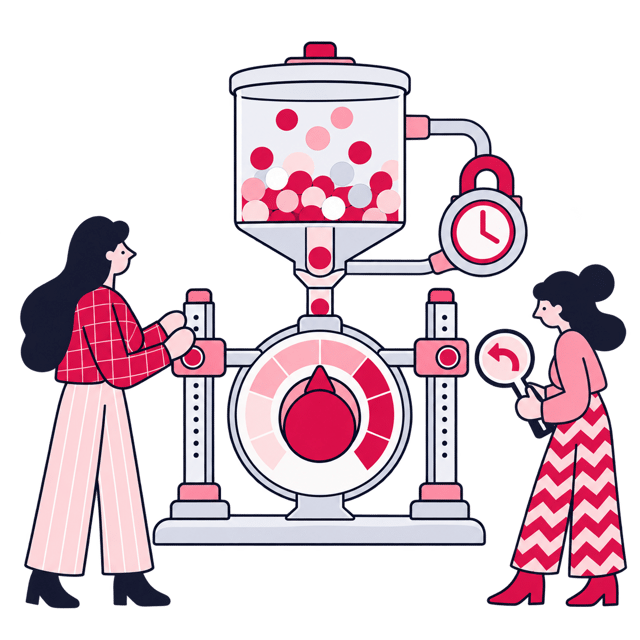
Common experiment subject
Bid Strategy & Automation Guardrails
A bid-strategy change is one of the most frequent interventions this method is used to test before a full rollout.


Test the change before you commit to it
Design a search experiment with a decision rule set before the result exists
