


Content Strategy & Research
Topic Cluster Strategy & Content Architecture
Get the map of pages and links your subject needs, before anyone writes a word of any of them.
Topic Cluster Strategy decides which pages a broad subject needs, what distinct job each page owns, and how the set should link together. The deliverable is the architecture and the build sequence that follows from it. You walk away with a page-by-page architecture where each proposed page has demand behind it, an implementable link contract, and a build order that follows the dependencies.

Some of the 500+ brands we've worked with
Selected brands we’ve worked with across industries.


On this page
How we run it
How the architecture gets mapped
Each step narrows a broad subject into a set of pages that deserve to exist.
Map the full topic universe
We lay out every distinct question and subtopic inside the subject, sourced from customer questions and search demand. Before the topic list closes, a strategist compares it with the customer questions that prompted the work.
A topic universe grounded in observed demand.

Draw the boundary between pages
Overlapping topics get merged. Topics with separate jobs get split, so nothing becomes two competing pages saying the same thing. A strategist signs off on every merge or split decision before the boundary gets locked.
A page-boundary matrix with no unintentional overlap.
Build the cluster graph
Pillar and supporting pages get mapped into a graph showing how they relate to each other and to any existing URLs already covering part of the ground. A strategist reviews how new pages connect to existing URLs before the graph is treated as final.
A cluster graph connecting new and existing pages.

Write the link contract
We specify exactly which pages link to which, and why. A strategist confirms every specified link serves a reader before the contract ships to production.
A link contract ready to hand to production.

Sequence the build
Pages get ordered by dependency and priority, so foundational pieces get written before the supporting pages that link to them. A strategist confirms the build order follows the page dependencies before it's treated as final.
A build sequence with priority and dependency noted.

Prepare the individual briefs
Each page in the sequence gets enough of a starting brief that the next production step isn't starting from scratch. A strategist reviews each brief starter before handing it to SEO Content Briefs.
Brief starters for each page, ready for SEO Content Briefs to finish.



The diagram is a draft until the evidence holds
Agents help us compare a large set of candidate pages, find overlaps, and sketch possible link patterns. That makes the graph quicker to assemble. It doesn't tell us whether a page deserves to exist. A Zeo strategist tests each proposed page against demand, then decides the boundaries, links, and build order. Pages that merely make the diagram look complete don't make the plan.
What you get
What the cluster plan locks in
The plan exists so nobody has to guess whether a page belongs, or where it should link.
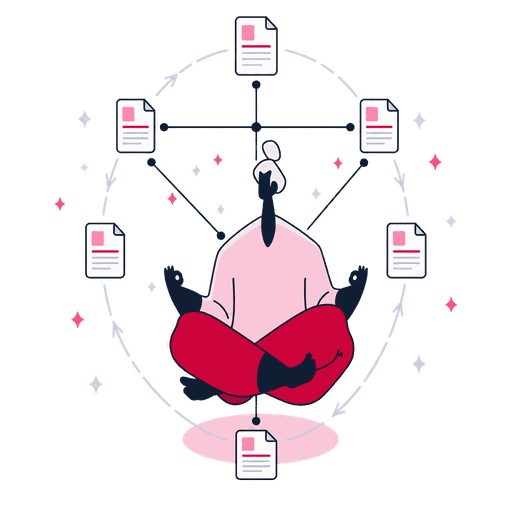
Cluster graph and page-boundary matrix
The full map of pillar and supporting pages, with overlaps resolved before anything gets written.
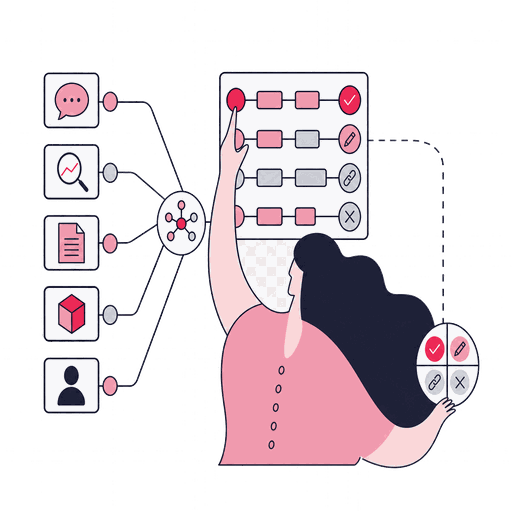
Link contract
Exactly which pages connect to which.
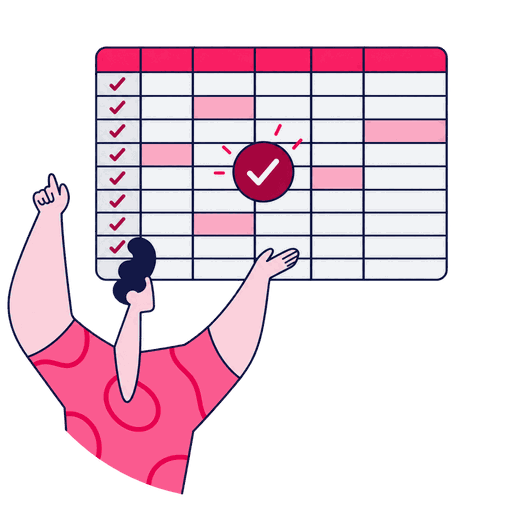
Build sequence and brief starters
The order pages should get written in, plus enough of a head start that briefing each one is fast.


We call it done when: every proposed page has a distinct job backed by demand, the link contract is specific enough to implement, and the sequence follows the page dependencies.
Who it fits
Map the page boundaries before production
This plans which pages should exist and how they connect. Building the pages themselves is a separate step.
A good fit when
- A subject is big enough that one page can't cover it, and several pages risk overlapping or competing with each other.
- Every proposed page needs evidence of demand, and you want the cluster graph to cut anything that only makes the diagram look complete.
- Related pages exist, but nobody has defined which source should link to which destination or why the connection helps a reader.

Better handled as other work when
- You want a page created for every conceivable subtopic regardless of whether demand supports it.
- The plan is to copy a competitor's site structure rather than build one that fits your content and expertise.
- You're looking for the pillar pages to be written as part of this. That's a separate production method.
People who write and ship this content
Some of these consultants write the pages themselves. Others plan distribution or check how a piece performs once it's live, so the team below covers more than one stage of the work.

Yiğit Konur
Founder & Chief Strategy Officer

Sinem Bakır Yavaş
Senior SEO Executive

Ozan Ketenci
VP of Consulting & Strategy

Metehan Urhan
New Business & Partnership Manager

Hande Parmaksız
SEO Manager

Sena Önder
Senior SEO Executive

Bensu Tınastepe
Senior SEO Analyst

Gülşah Şahin Özkan
Senior SEO Analyst

Ali Özgün Öz
SEO Executive

Mehmet Aktuğ
Co-Founder & COO

Yağmur Bayram
Sr. SEO Analyst

Emir Kağan Kahveci
SEO Analyst

Zafer Yıldız
Web Analytics Manager
Content we've produced on this topic
Tools we use
Tools behind this work
 Ahrefs
the full topic universe pulled and pre-clustered before boundaries get drawn by hand
 Keyword Cupid
the SERP-based test for exactly where one page's boundary ends
 Screaming Frog
renders the live link structure as a graph, checked against the contract
 Airtable
the cluster graph and its link contract: hub and spoke rows, explicitly linked
 Notion
the build sequence across the whole cluster, before any single brief is written
Where this leads next
Where the cluster plan connects

Upstream
SEO Content Briefs
This assumes the individual page jobs aren't defined yet. Briefs come after the architecture is mapped.
Downstream
Editorial Calendar Planning
Once the build sequence exists, this fits it against your team's actual production capacity.

Complementary
Content Audits
Existing pages that fit the cluster need an honest read before they get mapped in as-is.


Start the work
Are your pages competing for the same subject?

Before we start