


SEO Content Writing & Editorial Programs
White Paper & Research Report Writing
An argument documented clearly enough for a skeptical reader to test it.
White Paper & Research Report Writing builds an argument that a skeptical reader can check. The method, sources, and limitations stay visible alongside the conclusion, including what the evidence does not establish. You walk away with a disclosed method, every material claim traceable to its source, and subject experts signed off on the interpretation, including what the evidence does not establish.

Some of the 500+ brands we've worked with
Selected brands we’ve worked with across industries.





































 AVVAGlobalCase Study












On this page
How we run it
How we build and test the argument
Each step keeps conclusions tied to the evidence that supports them.
Define the research question and evidence bar
We define the question the report will answer, the threshold for sufficient evidence, and the method details that will be disclosed. The evidence assembly begins after the subject expert and client stakeholder agree the question and the evidence bar.
A locked research question with an agreed evidence bar.
Assemble the evidence and test its limits
We gather the source corpus or original data, actively look for counterevidence, and record gaps and limitations rather than hiding them. The subject expert reviews the evidence base and confirms no counterevidence or limitation got left out.
An evidence base with counterevidence and limitations already flagged.
Draft a traceable argument
We draft the case so every conclusion remains visibly connected to its evidence, while explaining the method clearly enough for readers to inspect. The subject expert checks that every conclusion stays visibly attached to the evidence that supports it.
A drafted report with claims linked to their sources.
Build visuals that match the data
We design charts and figures that represent the data without making a trend look stronger than the numbers support. The subject expert confirms every chart represents the data honestly before it goes in the draft.
Visuals that match the underlying data without distortion.
Review the claims and prepare release
Subject experts, data owners, and rights holders review the method and claims before we package the report with its full citation trail. Subject experts, data owners, and rights holders sign off on the method and claims before release.
A published report with its full citation and methods trail intact.


Source sorting is not interpretation
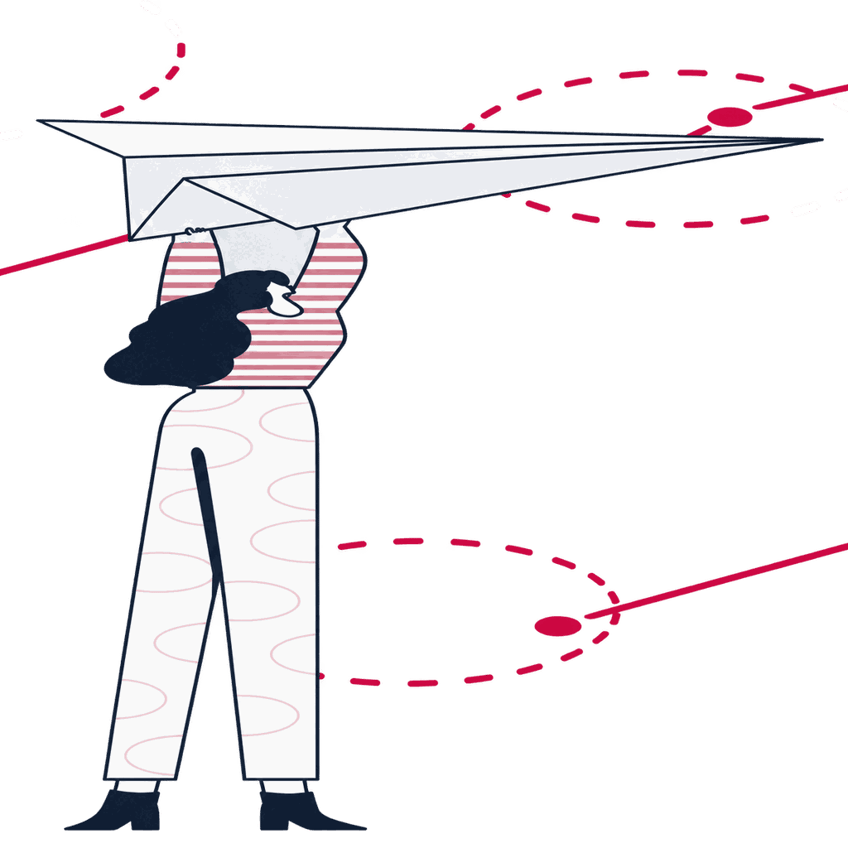
AI helps us sort a large source corpus, surface disagreements between studies, and flag material that may be too old for the claim beside it. Those findings are leads for review. The subject expert and editor decide which interpretation the evidence can carry, and every genuine limitation stays visible. If the evidence leaves a gap, the report says so. We don't replace it with confidence that nobody can defend.
What you get
What supports the report after publication
The report includes the material readers need to assess the conclusion for themselves.
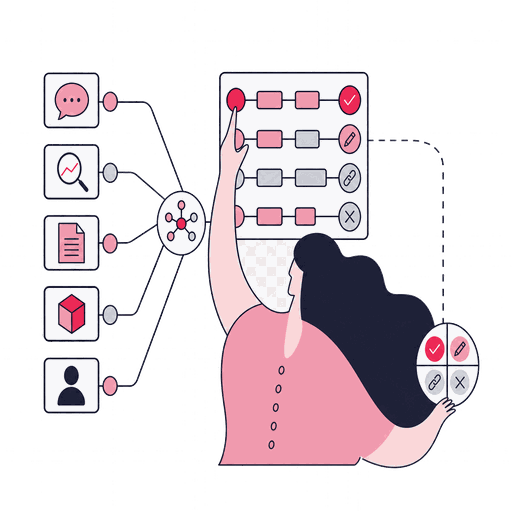
Research and evidence brief
The question, the method, and the source or data set the argument will be built on.

Published report
The finished white paper or report, with executive summary, method note, and visuals.
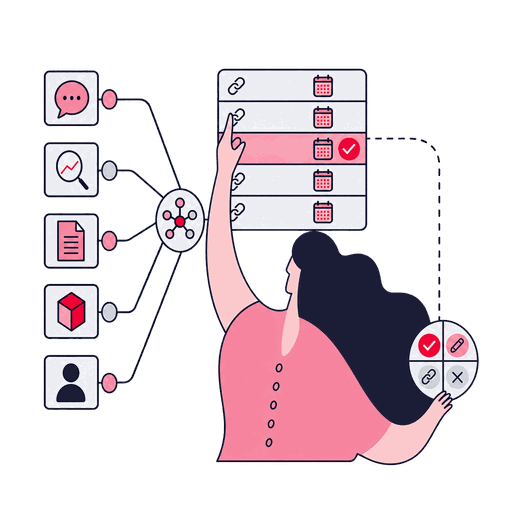
Citation and source ledger
Every claim traced back to its evidence, so a skeptical reader can check the work themselves.


We call it done when: the method is disclosed, every material claim traces to its source, and subject experts have signed off on the interpretation.
Who it fits
For claims your readers will check
This work fits claims that senior readers will examine closely. If the evidence cannot support scrutiny, a confident conclusion is not enough.
A good fit when
- A defined research question is backed by original data or a defensible source set, but the argument still needs a disclosed method and evidence bar.
- Senior readers will inspect the method as closely as the conclusion, so the report must keep sources and limitations visible beside the claim.
- Counterevidence may weaken the preferred story, yet your team is prepared to publish it with the conclusion.

Better handled as other work when
- The conclusion has been chosen in advance, and the plan is to select only the data that supports it instead of testing the argument.
- The method cannot be disclosed or the team will not state what the data fails to show, so a skeptical reader cannot trace the argument from source to conclusion.
People who write and ship this content
Some of these consultants write the pages themselves. Others plan distribution or check how a piece performs once it's live, so the team below covers more than one stage of the work.

Samet Özsüleyman
SEO Manager

Didem Himmetli
Marketing Executive

Deniz İmre Temiztürk
Content Specialist

Zafer Yıldız
Web Analytics Manager

Ozan Ketenci
VP of Consulting & Strategy

Metehan Urhan
New Business & Partnership Manager

Ezgi Gülsen Yaylı
SEO Manager

Sinem Bakır Yavaş
Senior SEO Executive

Hande Parmaksız
SEO Manager

Elif Naz Akan Karakoç
Senior SEO Executive

Gülşah Şahin Özkan
Senior SEO Analyst

Mehmet Aktuğ
Co-Founder & COO

Ataberk Yüzat
SEO Executive
Tools we use
Tools behind this work
 Typeform
collects original survey data when the report's central claim needs its own evidence
 Datawrapper
builds the charts and tables that have to match the underlying dataset exactly
 Grammarly
the mechanical edit, kept separate from the claims-and-evidence review
 Muck Rack
finds the specific journalists and analysts who cover this exact subject for the release
 Notion
the claim-by-claim evidence ledger the page itself describes
Where this leads next
Methods connected to White Paper & Research Report Writing
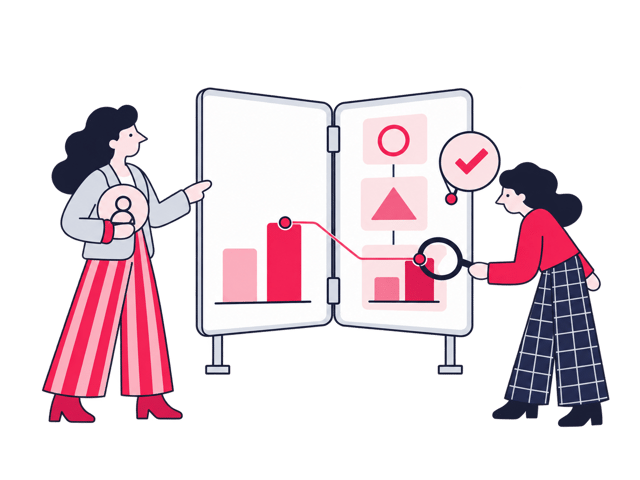
Upstream
B2B Case Study Writing
One strong, verified customer result can become a useful data point feeding into a wider report.
Downstream
eBook Writing
A dense research report often lands better with most readers once it's repackaged into approachable chapters.
Complementary
Content Audits
Worth checking whether an earlier report already covers part of this ground before starting new research.


Start the work
Will the evidence carry the report you have in mind?

Before we start