


AI Agent Strategy & Architecture
An agent proposal can hide a helper that waits for approval or a system allowed to act through tools. Defining the job and comparing the least complex options costs far less before engineering than after.
An agent proposal can hide very different systems, from a helper that waits for approval to one allowed to act through tools. Before engineering starts, we define the job, compare the least complex options, and map the tools, memory, permissions, evaluation, escalation, and operating roles each option would require. Engineering inherits a decision trail rather than a slide, and your owner has already chosen which jobs proceed and what autonomy level is acceptable for each.

Some of the 500+ brands we've worked with
Selected brands we’ve worked with across industries.







 GeneraliGlobalCase Study









 OdeabankGlobalCase Study








































 Albaraka TürkGlobalCase Study




























On this page
The run order, and who signs each step off
How we work
A useful strategy shows the routes it set aside as clearly as the one it chose. We keep rejected options and unresolved dependencies beside the decisions engineering will inherit.
A common frame for every proposed job
Every proposal starts with its current workflow, intended outcome, owner, available data and tools, policy limits, baseline evidence, and known failures. We assemble that material in one inventory. The business owner decides which jobs are serious enough to enter the comparison.

Compare the authority each job needs
For every job, we put simpler workflow automation, assisted agent use, and broader autonomy side by side. We weigh them against complexity, consequence, reversibility, cost, latency, and review effort. For each job, your product owner chooses the autonomy level worth designing for a later build.
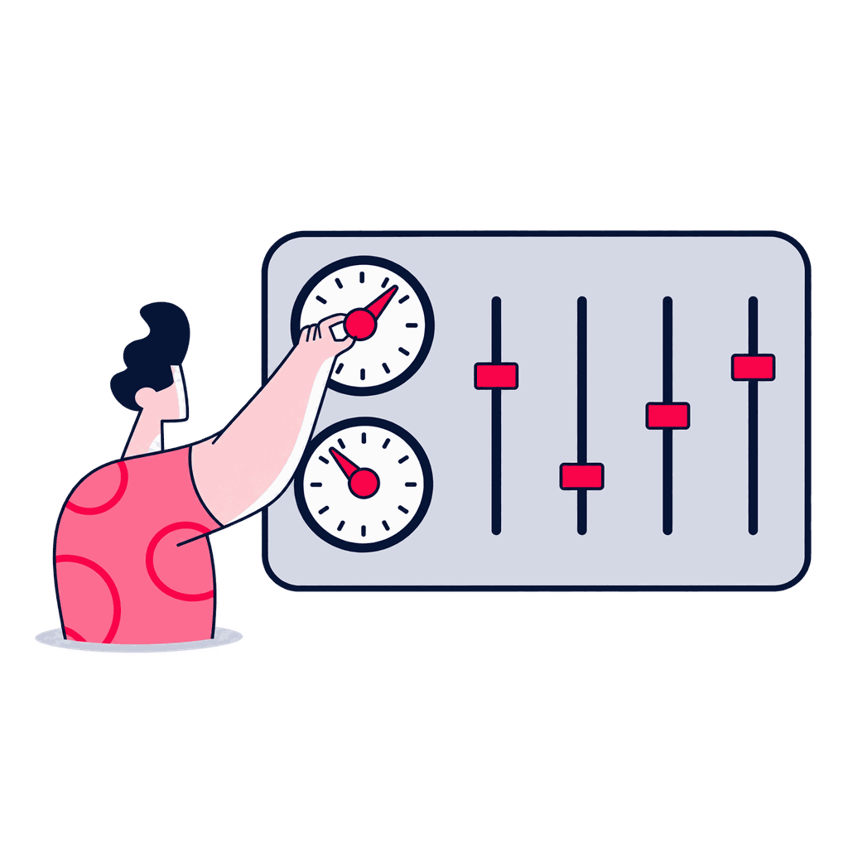
The operating shape of the chosen option
We connect each selected job to tool access, memory, permissions, approvals, evaluation, observability, escalation, and named operating roles. Before any build begins, your architecture lead approves the target design.

The decision trail engineering inherits
Accepted and rejected options sit in the same record, along with dependencies, critical exceptions, sequence, owners, and the evidence expected at the next review. Your owner sets the priority order and defines the conditions each workstream must meet before it moves.



Named artifacts you keep
What you get
The records show why one option moved forward, why another stopped, and what could still change the decision. Leaders and delivery teams can inspect the same evidence.
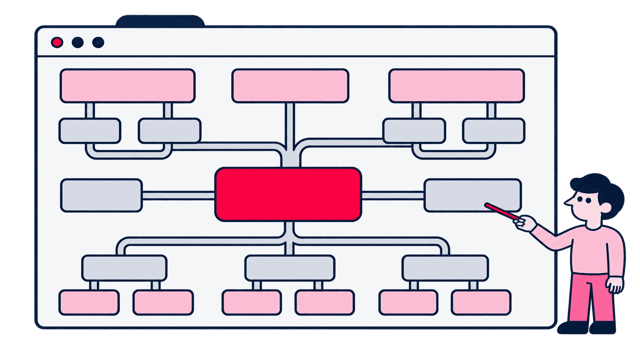
Architecture document
Agent architecture and autonomy decision record
A record of the selected jobs, their autonomy levels, the target architecture, alternatives set aside, and the reason behind each choice.
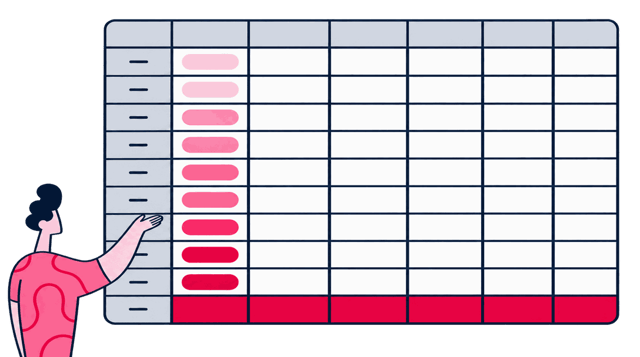
Risk register
Baseline evidence and what could still change the plan
The baseline evidence and stated assumptions behind the plan, with system dependencies, policy constraints, and open questions that may still change it.
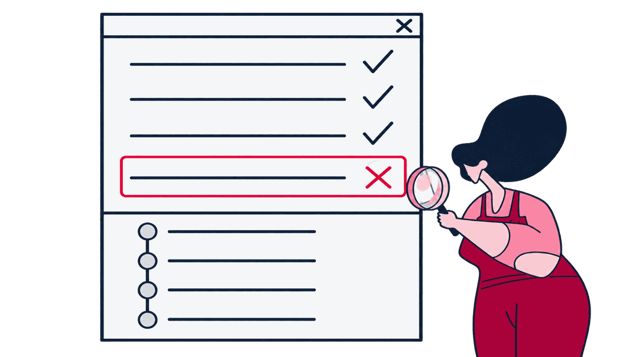
Test evidence
Job-by-job comparison notes and the ideas ruled out
Candidate jobs and architecture options compared through representative and adverse cases, including critical exceptions and ideas that do not warrant an agent.
Decision record
Sequencing brief with the gate before each workstream
The agreed order of work, accepted conditions, named owners, and the evidence required before the next gate for each workstream.


Scope and honest limits
When to bring us in
Bring us in while agent jobs and authority levels are still open choices. Once several teams build around an assumed design, even a sensible change becomes harder to make.
A good fit when
- Several teams want budget for agent ideas that haven't been compared on the same value, feasibility, and consequence criteria.
- Tool access, memory, permissions, and evaluation are each being settled by a different team, so nobody is holding one target architecture.
- A person with enough authority is available to set priorities, accept the trade-offs, and stop work when an agent's complexity is not justified.
- Agent jobs are on the table, but nobody has written each one's intended outcome, current workflow, constraints, and accountable owner side by side.
- The same job could be simple automation, an assisted agent, or a fully autonomous one, and nobody has compared the three on permissions, memory, and stop rules.
- Whichever option wins will land evaluation, observability, escalation, and day-to-day operation on your teams, and nobody has costed that yet.
- A comparison is needed that survives the next budget round, so its exceptions, sequencing, and the evidence behind each call have to stay visible.

Better handled as other work when
- You want the chosen agent built and run. This work stops at the decision trail engineering inherits, and implementation is commissioned separately.
- You expect every eligible workflow to come back as an agent candidate. Some jobs come back recommended for plain automation, or for nothing at all.
- You need the architecture cleared for a regulated deployment. We compare autonomy options and their consequences, and your compliance owner grants the clearance.
If one of these is closer to your situation, start here instead: View AI agent development
Engineers who ship production AI
This is the part of Zeo that writes and ships code. Our senior engineers build agents, chatbots, and RAG pipelines, along with the automation and data work around them, and they keep operating those systems once they're live. We've worked with more than 500 brands since 2011.







Tools we use
Tools behind this work
 Notion
the common frame every proposed agent job gets written into and compared against
 Anthropic
the vendor guidance this page's own least-complex-option comparison gets checked against
 Airtable
the row-per-proposal tracker once more than a couple of agent ideas are in play
Adjacent work
Where this leads
Build
Custom AI Agent Development
Once a job clears the comparison with a chosen autonomy level and an owner, the next step is a thin working loop through one repeatable task, not a wider rollout.
Build
AI Agent Tool & API Integration
The comparison records which tools an option would need. Each of those tools still needs a versioned contract, an action owner, and a tested answer to timeout and retry.

Build
Knowledge-Grounded AI Agents
Where an option depends on internal knowledge, the decision record has to name the source owners. Turning those owners into access rules, citations, and freshness duties is separate work.


Next step
Bring the agent ideas before engineering starts

Before you decide