


AI Evaluation & Assurance · Evaluation system design
AI Evaluation Strategy
An evaluation system is useful only when each failure mode connects to representative cases, decision-linked measures, calibrated human review, explicit thresholds, named owners, and a regression cadence the team can sustain.
Teams often score an AI system for months without agreeing what any number should change. For one AI use, we settle that first: acceptable behavior, the failures that matter, the cases that represent real work, how reviewers judge the evidence, and who may approve release. Product and risk owners leave with an intended-use plan, critical-slice map, decision-linked metrics brief, and ownership ledger for building only the evidence their release decisions require.

Some of the 500+ brands we've worked with
Selected brands we’ve worked with across industries.














 MeteksanGlobalCase Study




 VisperaGlobalCase Study























On this page
The run order, and who signs each step off
How we work
We work backward from the decision someone has to make. Anything the evaluation produces has to change that decision, or it doesn't get built.
Frame the intended use
We map users, workflows, stakes, known failures, current claims, available data, and the decisions the evaluation must support. Your product owner confirms which failures matter most for this use.

Design the evidence model
We connect failure modes to representative cases, slices, metrics, rubrics, graders, human review, and sampling rules. Your risk owner decides which measure actually changes a decision.

Calibrate thresholds and review
We define baselines, critical slices, grader checks, review paths, exceptions, and the evidence required to pass or pause. One reviewer on the team decides how the rule applies to a hard case.
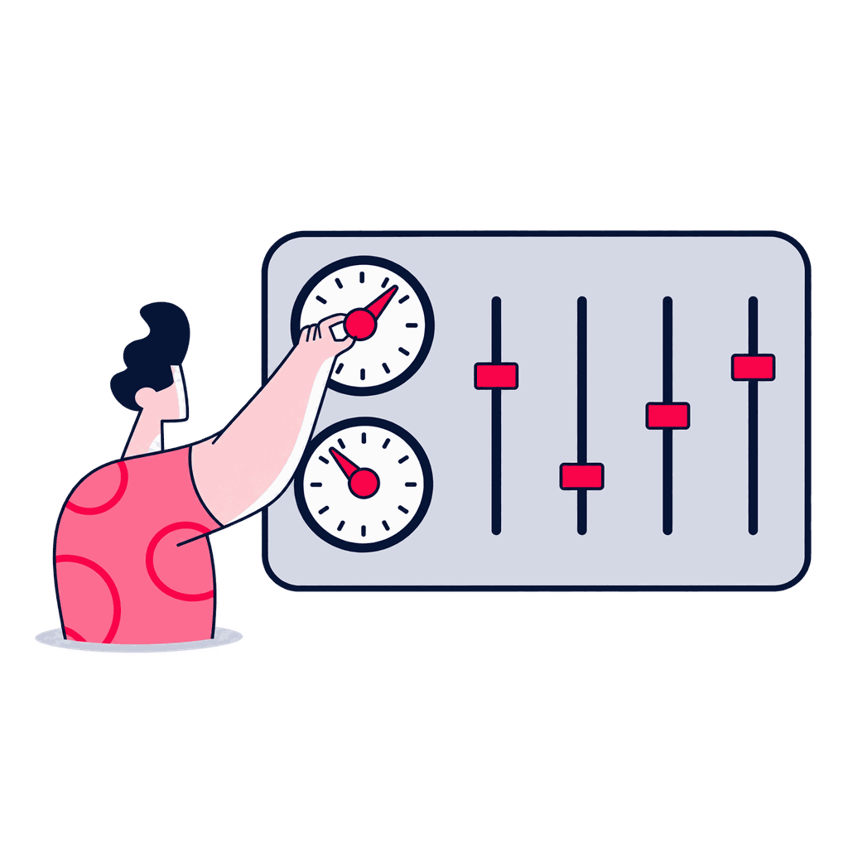
Assign the decision system
We set the test cadence, regression triggers, release thresholds, owners, dependencies, and staged implementation plan. Your product and risk owners settle who owns each decision.



Named artifacts you keep
What you get
Product, engineering, and risk teams get one evaluation policy they can all read, instead of three partial versions in separate decks.
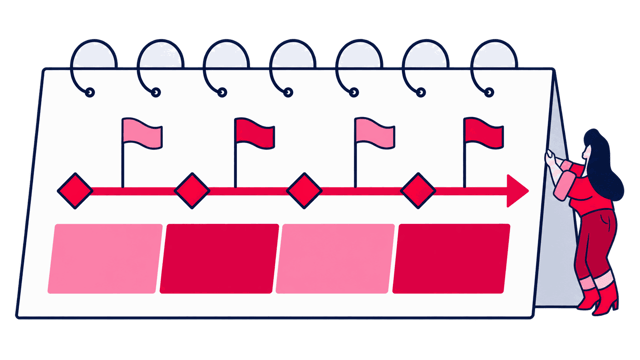
Roadmap
Intended-use evaluation implementation plan
Sets the intended use, decision questions, evidence priorities, implementation stages, and dependencies.
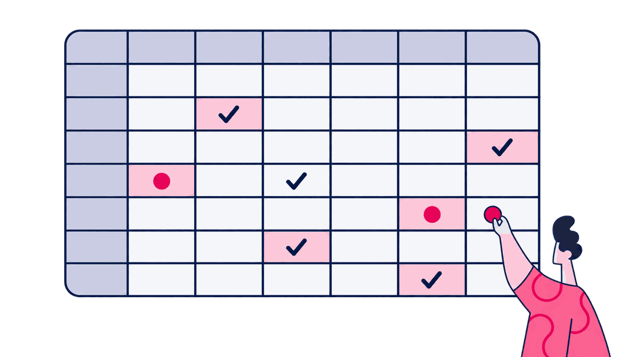
Matrix
Failure taxonomy and critical slice map
Organizes unacceptable behavior by user, workflow, severity, system layer, and operating condition.
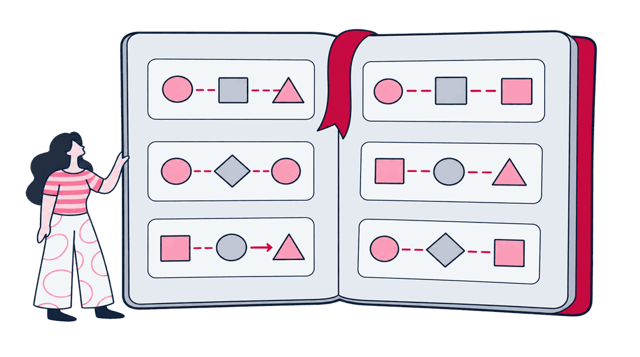
Playbook
Decision-linked metrics and sampling brief
Defines what each measure means, when it applies, how it is reviewed, and where its limits sit.
Decision record
Release thresholds and ownership ledger
Records thresholds, exceptions, regression triggers, decision rights, and ongoing maintenance responsibilities.


Scope and honest limits
When to bring us in
Metrics are easy to collect and hard to act on. This work fits when the disagreement underneath them is still open: nobody has agreed which failures are unacceptable, which cases count, or whose call the evidence is meant to inform.
A good fit when
- Your teams score the same intended use differently, so nobody can say what acceptable AI behavior means for the release decision.
- Current tests cover average behavior, but important users, failures, workflows, and operating conditions still sit outside the evaluation set.
- Thresholds and exceptions are discussed at each release, yet no owner holds the regression cadence or final decision.
- The intended use and stakes are known, but users, failure modes, and the current baseline have never been framed as one decision problem.
- Your metrics and rubrics already exist, though slices, graders, human review, and sampling rules do not connect them to representative cases.
- Tests run before release, but the regression policy, decision RACI, cadence, and pause thresholds change from one cycle to the next.
- The team wants a complete evaluation stack, yet the immediate decision needs only a staged plan for the evidence that can change that call.

Better handled as other work when
- You need the evaluation policy to carry legal, audit, regulatory, or certification approval. It organizes evidence, while your qualified authority keeps that call.
- You need one universal quality definition for every AI use and user. The failure taxonomy and thresholds must change when the use, users, or stakes change.
- You need the full evaluation stack built or operated after handoff. This strategy assigns the plan and owners, while implementation requires a separate scope.
If one of these is closer to your situation, start here instead: See the evaluation service
We operate the systems we test
It's hard to test a system well if you've never had to keep one running. We operate production AI ourselves, so our evaluation, security testing, and LLMOps work starts from what actually breaks. The people on it are senior engineers, and Zeo has been doing client work since 2011.







Tools we use
Tools behind this work
 Notion
the durable record of who approves release and under what evidence
 Airtable
the metric-to-decision map, structured so each score's effect is checkable
 Confident AI / DeepEval
a working reference run that pressure-tests the draft thresholds and rubrics
Adjacent work
Where this leads

Build
Golden Dataset Development
The critical-slice map names which cases have to exist for any of these measures to mean something. Building them as a versioned set with adjudicated labels is the work that follows.

Assurance
Independent AI Agent Evaluation
This policy is designed with your build team in the room. When the release needs a verdict they cannot scope, edit, or delay, the reporting line moves outside them.

Assurance
Safety & Policy Evaluation
The failure taxonomy records which behavior is unacceptable and how severe each case is. Proving the system refuses those cases without refusing the legitimate requests that resemble them is separate work.


Next step
Decide what the numbers are for

Before you decide