


Experiment Hypothesis Roadmap
An experimentation roadmap records the order and the reasoning behind it.
We gather hypotheses from audits, previous tests and stakeholder requests, then score them on impact, evidence strength, effort and conflicts. That gives the planning meeting a clear starting order. If an idea waits, the record shows which score or constraint held it back. You end up with a ranked backlog of falsifiable hypotheses with a defensible next-three sequence and written reasons for the items outside it. Your backlog has more plausible tests than available run windows, and planning needs a clear order with reasons that survive the meeting.

Some of the 500+ brands we've worked with
Selected brands we’ve worked with across industries.





 GeneraliGlobalCase Study















 OdeabankGlobalCase Study









































 Albaraka TürkGlobalCase Study
























On this page
How the work runs
Score the ideas, check the conflicts, set the order
The awkward part comes when several stakeholders each have a favorite. A shared rubric gives the discussion a common basis, while the conflict check keeps overlapping hypotheses out of the same window. AI can draft scores and notes from approved inputs. People decide the final sequence.
How we hold ourselves to it
- Evidence travels with every hypothesis
- Every candidate uses the same impact, confidence, and effort rubric
- Shared elements or measurement dependencies keep hypotheses in separate windows
- New evidence can change the order
Collect every candidate hypothesis and its source
Gather hypotheses from research audits, past test learnings, stakeholder requests, and support or sales feedback, and record what evidence, if any, backs each one before scoring starts. The CRO strategist confirms no candidate is missing its evidence trail before scoring.
Hypothesis register naming each candidate and the evidence, if any, behind it.

Score impact and confidence consistently
Rate each hypothesis on estimated business impact and evidence strength using the same scale every time, so a well-supported small idea doesn't lose to a speculative big one by default. The CRO strategist and client owner approve the scored list.
Impact and confidence scores applied from the same rubric to every candidate.

Score effort and check dependencies
Estimate build effort and flag which hypotheses share a page element, an audience segment, or a measurement dependency. Those can't run at the same time without contaminating each other's read. Engineering and the experiment owner confirm effort estimates and conflict flags.
Effort estimates plus a conflict matrix flagging shared elements, audiences and measurement dependencies.

Rank and sequence
Combine impact, confidence, and effort into a rank order, then slot conflicting hypotheses into non-overlapping windows. The CRO strategist and client owner approve the sequence before it's shared.
Ranked roadmap with non-overlapping run windows for conflicting hypotheses.

Record the reason each item holds its position
Write down the reasoning behind each hypothesis's position, especially the ones that didn't make the next three, so a deprioritized idea doesn't need re-litigating next quarter. The client owner confirms the documented reasoning is fair and accurate.
Written reasoning for each position, including every hypothesis that did not make the next three.

Revisit when the evidence changes
Reopen the ranking when a new research finding, a completed test, or a business priority shift changes an input. The roadmap gets revisited on cadence and whenever a new input lands. The CRO strategist approves any re-ranking before it takes effect.
Re-ranking record showing which new input moved which hypothesis, and when.



What lands with your team
The working papers behind the queue
The roadmap should answer a blunt planning question: why is this test next? These records keep the evidence, scores, conflicts and reasons together.
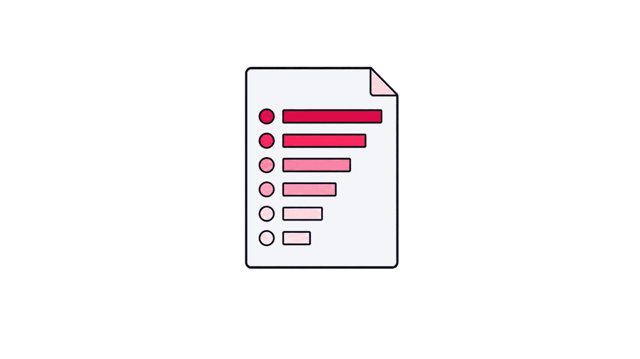
Hypothesis register
Every candidate hypothesis with its source evidence attached, so nothing gets scored without a paper trail behind it.
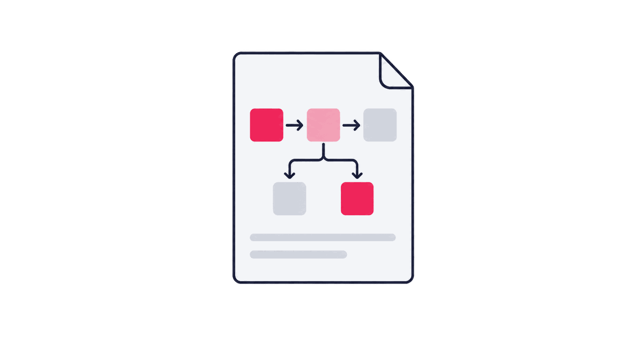
Scoring and conflict matrix
Impact, confidence, and effort scores for every hypothesis, plus flagged element, audience, or measurement overlaps between them.
Sequenced roadmap
The ranked order with non-overlapping run windows built in for any hypotheses that conflict with each other.
Deprioritization notes
A written reason for every hypothesis that isn't running next, so the same debate doesn't repeat itself next quarter.


Before the work starts
When this work is the right next step
A useful backlog makes the next choice and its reasoning clear. Every stakeholder's favorite idea sounds reasonable in isolation. Without a shared scoring method, the roadmap becomes whoever's loudest this quarter. The same de-prioritized idea then gets re-pitched every planning cycle because nobody wrote down why it lost the last time.
A good fit when
- Your backlog holds more evidence-backed hypotheses than the available test windows can run, so the next slot has no agreed order.
- Several stakeholders keep nominating a different test for the next window, yet no shared impact, confidence, and effort score settles the sequence.
- Completed tests and new audit findings keep changing the evidence, but the roadmap is not being reopened when those inputs move.
- Two hypotheses that touch the same page element get scheduled into the same window.
- A high-effort, unproven idea sits above a well-evidenced, low-effort one because of who proposed it.
- Nobody can say why a hypothesis is fourth in line instead of first.
- The same rejected idea resurfaces every quarter because nobody recorded why it was deprioritized.

Better handled as other work when
- One clear hypothesis is ready and no backlog needs ranking, so test design can begin without a roadmap exercise.
- Candidate ideas have no recorded evidence behind them, so a conversion research audit must build the register before anyone scores the queue.
- Testing capacity will remain at zero, so a ranked backlog would document an order that no run window can use.
People who own a single channel
Paid Search, Paid Social, CRO, and Programmatic each run under a named owner at Zeo. The consultants below are matched to the channel this page is about, so you can see who you'd actually work with.

Abdullah Tanıdır
Performance Marketing Team Lead

Sevda Yurtvermez
Performance Marketing Team Lead

Serap Yurtvermez
Performance Marketing Team Lead

İlker Emir
Senior Performance Marketing Executive

Onur Durdağı
Performance Marketing Executive

Ozan Ketenci
VP of Consulting & Strategy

Zafer Yıldız
Web Analytics Manager
Tools we use
Tools behind this work
 VWO
VWOthe shared board where every candidate hypothesis gets scored and ranked before anyone launches anything
Related work

Parent service
CRO & Experimentation
A ranked backlog assumes the run windows already exist; who owns the slot, the QA gate and the production decision that fills one is settled outside the ranking, in CRO.

Feeds this method
Conversion Research Audit
Where the evidence behind most candidate hypotheses gets gathered before it reaches the roadmap.

What a hypothesis becomes
A/B Test Design & Analysis
The method that takes the next hypothesis off this roadmap and turns it into a properly designed test.


Give the planning meeting a starting order
Sort the backlog before the next slot opens
