


Account & Campaign Architecture
An account's structure is a decision you keep making, not one you made once.
Paid-search accounts often grow one launch, split, and access request at a time. We first map how the structure works today, then redesign it around clear themes, objectives, ownership, and access rules. You end up with an account structure you can explain in one pass, with every campaign, ad group, and access role tied to a reason someone can still name. For teams whose account grew campaign by campaign and has never had a structural review.

Some of the 500+ brands we've worked with
Selected brands we’ve worked with across industries.











 GeneraliGlobalCase Study





































On this page
How the work runs
How the target structure gets approved
The current map stays beside the target design, so each migration decision can be checked against the live account. AI may compare, cluster, and flag records. It cannot approve the migration or change an account that is spending.
How we hold ourselves to it
- Objectives set the structure
- Treat every reorganization as a planned migration
- Each ad group has a clear theme
- Published naming and access rules guide future changes
Inventory the current account
Pull every campaign, ad group, objective, budget, and access role into one map, exactly as it exists today, with no cleanup yet. The paid-search lead confirms the inventory matches the live account.
As-is map of every campaign, ad group, objective, budget and access role, before any cleanup.
Diagnose fragmentation and overlap
Find ad groups splitting one theme apart, campaigns competing for the same intent, and access or naming that no longer matches who does the work. The strategy lead validates every flagged overlap before it counts as a finding.
Fragmentation and overlap findings naming each split theme, competing campaign and stale access role.

Design the target architecture
Set the campaign-to-objective map, the ad group theming rule, the naming convention, and who holds each access role. The client owner approves the target structure before migration planning starts.
Target architecture: campaign-to-objective map, ad group theming rule, naming convention and access model.

Sequence the migration
Decide what moves first, what stays paused during the change, and what gets rebuilt instead of edited in place, since Google treats reorganizing as a break in accumulated history. Paid-search lead and client owner sign off on the sequence and rollback point.
Migration sequence naming what moves, what stays paused and what is rebuilt rather than edited.

Execute with a two-person check
Rebuild or move each piece against the approved design, checking conversions, budgets, and destinations before anything goes live. A second person signs the QA checklist before launch.
Two-person QA record confirming conversions, budgets and destinations before anything went live.

Lock and document the new structure
Publish the naming convention, access model, and ownership map, then set the review cadence that keeps the next addition from drifting again. The client owner signs off on the governance document as the new standard.
Published naming convention, access model, ownership map and review cadence.


What lands with your team
A documented structure with clear ownership
The map, plan, and record show the full decision trail, so the next person to touch the account can see why it looks the way it does.
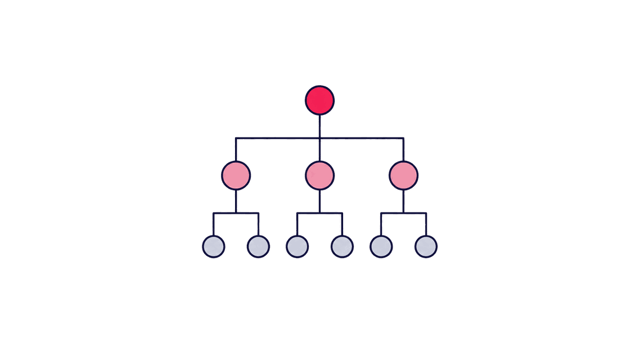
Architecture map
Current and target views of every campaign, ad group, objective, and access role, side by side.
Migration and QA checklist
The sequencing plan, the rollback point, and the two-person check applied to every piece that moved.
Naming and access convention
The rule for naming new campaigns and ad groups, and who is allowed to grant or revoke access.
Post-migration reconciliation record
Confirmation that conversions, budgets, and delivery carried over correctly, with any gap named and explained.


Before the work starts
When this work is the right next step
An inherited structure still shapes every campaign decision. Google is direct about the risk here: reorganizing an account after it has accumulated history can wipe out the data that automation and reporting depend on. So most teams don't reorganize. They add on top instead, and the account keeps the shape of every past decision, including the ones nobody would make again.
A good fit when
- Your account grew through imports, handoffs, and additions, but nobody has reviewed whether its campaign and ad-group structure still serves today's objectives.
- Ad groups mix unrelated themes while the same intent is split across other groups, so campaign overlap is hard to explain or control.
- Naming, access, and objective decisions happen every week, yet no one can say who owns the rule behind any of them.
- Single-keyword ad groups sit next to broad themed ones, with no shared logic between them.
- Two campaigns quietly target the same intent and compete with each other in the same auction.
- Access roles were granted for a project that ended months ago and were never revoked.
- Naming conventions differ by whoever built the campaign that week.

Better handled as other work when
- A new, small account already follows one clear campaign objective, so a structural migration would add work without resolving a real split.
- No authorized owner can approve changes to live campaigns, which means the migration sequence and rollback point cannot be agreed.
- The requested outcome is a cosmetic rename, while every campaign and ad group must keep its current grouping and objective.
People who own a single channel
Paid Search, Paid Social, CRO, and Programmatic each run under a named owner at Zeo. The consultants below are matched to the channel this page is about, so you can see who you'd actually work with.




Tools we use
Tools behind this work
 Optmyzr
runs the structural checks that keep a redesigned account from drifting back
 Adalysis
the recurring pass that checks the new structure still holds weeks after migration
 Notion
where the approved structure and its ownership rules get written down
Related work

Parent service
Paid Search & PPC Management
Account access and decision owners get agreed before anyone edits a live campaign. This method rewrites the structure underneath them and publishes the naming rule that holds it.

Foundation dependency
Cross-Engine Paid Search Management
Runs the shared taxonomy this method's target architecture has to support across both engines.

Next layer
Search Query, Keyword & Negative Governance
Takes the rebuilt ad group themes and turns them into an ongoing query and negative-keyword system.


Build an account structure the team can explain
Plan the move to a theme-led account structure
