


Budget Allocation & Forecasting
A forecast is a decision range, not a revenue promise.
Planning starts with business economics and operating capacity rather than a trend line. Each assumption is documented, each scenario has a range, and the budget has clear rules for when to hold, move, or stop spend. You end up with a budget plan you can defend in the room: the range, the assumption behind it, and the exact evidence that would change it. For teams with a real spend or allocation decision pending and a named owner who can approve it.

Some of the 500+ brands we've worked with
Selected brands we’ve worked with across industries.











 GeneraliGlobalCase Study





































On this page
How the work runs
The budget owner can question every range
The scenario ledger shows where every assumption came from and what changed between versions. AI can calculate ranges, compare inputs, and flag variance. It cannot approve an assumption or make a live budget change.
How we hold ourselves to it
- Assumptions stay beside every range
- The next unit earns its allocation from current evidence
- Pacing safety has its own rules
- A named person approves each material change
Frame the decision
Name the decision, its owner, the time horizon, the spend envelope, and how much risk the business will tolerate. Note what the model is not being asked to decide. The client budget owner approves the decision contract.
Approved decision contract naming the owner, horizon, spend envelope, risk tolerance and what the model is not deciding.

Audit the data and the assumptions
Normalize the economics, media history, quality signals, seasonality, and constraints. Reconcile the totals that matter and grade how much confidence each assumption deserves. The strategy lead validates the source choices and exclusions.
Reconciled input set with each assumption graded for confidence and each exclusion recorded.
Build three scenarios
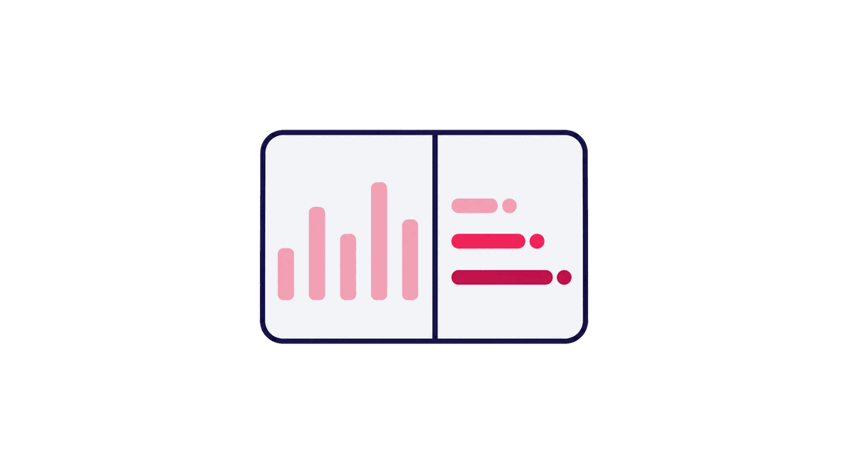
Calculate a conservative, base, and upside case, each with its own spend, outcome range, limiting constraint, cash timing, and uncertainty. Human strategist owns the formulas and their interpretation.
Conservative, base and upside cases, each with its spend, outcome range, limiting constraint, cash timing and uncertainty.

Design the allocation
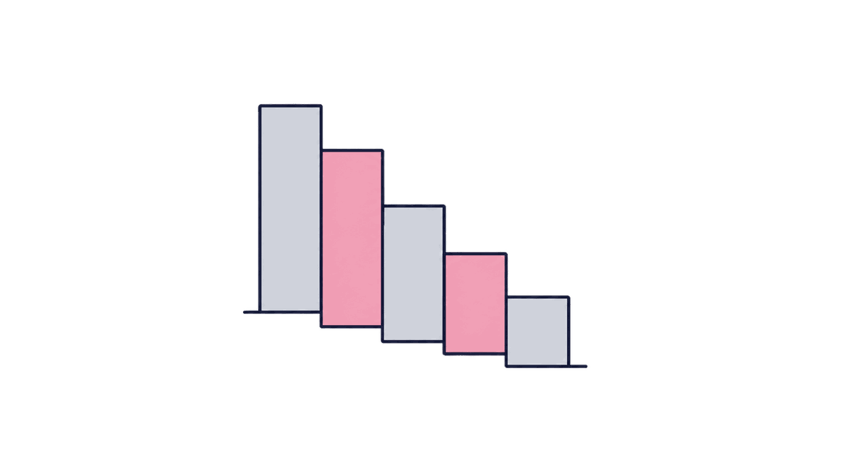
Set engine roles, query-family priorities, capacity limits, and a protected learning budget, then build the waterfall, caps, and pacing rules underneath them. The paid-search lead proposes the allocation. Client owner approves it.
Allocation design: engine roles, query-family priorities, capacity limits, protected learning budget, caps and pacing rules.
Hand off and pace the spend
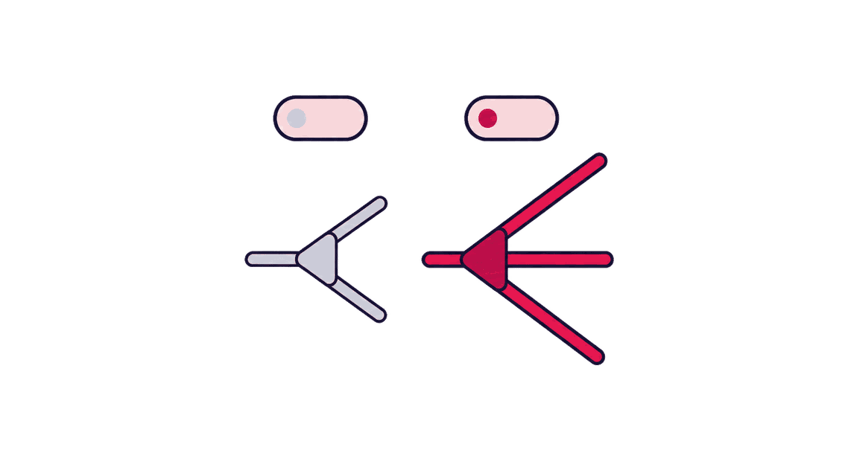
Give native teams the approved budget, dates, limits, and trigger matrix, then watch delivery and cost daily and separate a real safety issue from ordinary variance. The authorized humans apply every live change and approve corrective action.
Handoff pack with the approved budget, dates, limits and trigger matrix, plus the daily pacing record.

Reforecast
When the evidence or an assumption changes materially, version the model, show exactly what moved, recalculate the ranges, and record the keep, move, or stop decision. Strategy lead and client budget owner approve the new version.
Versioned model showing exactly what moved, the recalculated ranges and the keep, move or stop decision.


What lands with your team
A budget plan with reviewable assumptions
The assumption register, scenario model, pacing sheet, and decision log show the input behind every version of the plan.
Assumption register
Every input with its source, owner, date, and confidence, keeping an observed value, a business choice, and a modeled guess clearly separated.

Three-scenario model
Conservative, base, and upside spend-to-outcome ranges, each naming what has to stay true and the constraint that hits first.
Budget waterfall and pacing sheet
The approved envelope split by engine, campaign or query family, and time period, with caps, reserve, expected range, actual delivery, and variance beside each line.
Reforecast and decision log
A record of what changed, why the range moved, and which keep, move, or stop action was approved, so the plan's history stays visible.


Before the work starts
When this work is the right next step
One forecast number cannot represent every quarterly constraint. A single figure for next quarter's search budget is easy to circulate. It also hides the assumptions behind the range. Margin, capacity, saturation, and cash timing disappear, and the figure starts to look like a promise nobody meant to make.
A good fit when
- A real spend or allocation decision is pending, but the person accountable for cash timing, margin, and capacity still needs a reviewable range.
- Your commercial and media history is imperfect yet usable, so the model can show its uncertainty beside each assumption and range.
- You want the assumptions beside the budget range, so everyone can see which evidence would move or stop spend.
- Last year's percentage split carries into this year's plan without anyone checking whether the constraint behind it has changed.
- Nobody can say whether the forecast means gross revenue or margin, or what happens to cash when spend and revenue land in different months.
- A platform simulator's directional estimate gets treated as a guarantee.
- Budget keeps going to last period's winner even when current evidence points elsewhere.

Better handled as other work when
- The team needs one exact budget figure regardless of the evidence, so a scenario model with conservative, base, and upside ranges will not answer the brief.
- Conversion value or sales capacity is still undefined, which means spend cannot be connected to a stated business outcome with a defensible assumption.
- Nobody can decide on cash timing, margin, or capacity, so the budget owner and finance sign-off must be settled before a range can be approved.
People who own a single channel
Paid Search, Paid Social, CRO, and Programmatic each run under a named owner at Zeo. The consultants below are matched to the channel this page is about, so you can see who you'd actually work with.

Yiğit Konur
Founder & Chief Strategy Officer

Sevda Yurtvermez
Performance Marketing Team Lead

Serap Yurtvermez
Performance Marketing Team Lead

Abdullah Tanıdır
Performance Marketing Team Lead

İlker Emir
Senior Performance Marketing Executive

İpek Ezer
Performance Marketing Executive

Onur Durdağı
Performance Marketing Executive
Content we've produced on this topic
Tools we use
Tools behind this work
 Optmyzr
runs the three scenarios against real projected spend before any budget actually moves
 TrafficGuard
checks whether the spend and conversion history feeding the forecast is even clean
 Looker Studio
the pacing view the budget owner checks between the scheduled reforecasts
Related work

Parent service
Paid Search & PPC Management
Spend pace is weighed before search work is promoted, contained, or stopped. This method supplies the approved range behind that call, the assumption under it, and the reforecast trigger.

Demand-capture input
Cross-Engine Paid Search Management
Feeds this model the query economics, engine roles, and marginal search evidence it needs.

Platform entrance
Google Ads Management
A budget approved here still has to spend through Google's own campaign types, account controls, and conversion inputs. That platform layer is where the limits actually bind.


Replace the single-number forecast
Build a budget plan that shows its assumptions and its stop conditions
