


Zeo delivery method
Competitor & SERP Audit
A dated, repeatable read of why each result wins, and a backlog of moves only your business can build.
Copying the page that outranks you just gives the searcher a second version of something they've already seen, so we look past the surface for the actual advantage earning that spot. We capture live results on a repeatable schedule, model what keeps winning across the set rather than one snapshot, and turn the pattern into a move your business, not a competitor's, can build. We work out why the current results win, then turn the evidence into moves your business can own.

Some of the 500+ brands we've worked with
Selected brands we’ve worked with across industries.
























 MeteksanGlobalCase Study





 VisperaGlobalCase Study














On this page
Stages and gates
How we do it
The method has five stages, and no opportunity moves forward until it holds up under a second review.
Lock the query and market scope
We agree which searches matter, market, device, intent, before anyone looks at a single result. A specialist decides which searches warrant the capture budget before anyone looks at a single result.
A defined set of searches with an owner.

Capture live results on a schedule
We capture the same live searches several times under consistent device, location, and date conditions, so a temporary ranking change is not mistaken for a pattern. The research lead confirms the capture ran long enough to rule out a temporary wobble before the archive is accepted.
The result is a dated archive that another person can revisit and verify.
Model what keeps winning
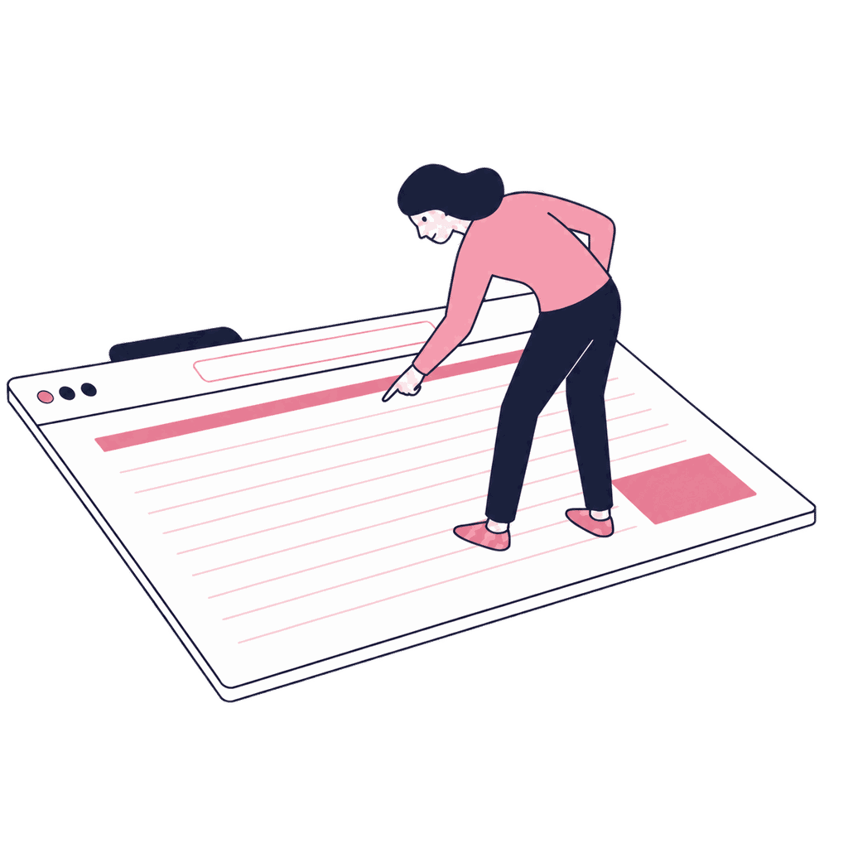
We cluster the current results by intent, format, and proof, and separate the recurring pattern from the one page that happens to be an outlier. A specialist decides which cluster represents the recurring pattern and which result is an outlier that happens to rank.
A clear read on what a result needs to earn its spot.

Build an ownable move
We rule out anything that's just brand, budget, or inventory advantage, then build the content or product move around something you can genuinely claim. A specialist decides which ownable angle is worth building the move around and how far it can be pushed.
A backlog of moves with your own proof behind them.

Recheck the results before drawing conclusions
After the move launches, we capture the same searches again and distinguish meaningful movement from ordinary search volatility. Nothing gets reported as a win until the research lead has separated a durable signal from ordinary search volatility.
You get either a confirmed result or a clear "not yet," together with the reason.



AI captures and clusters; people decide what is actually ownable.
AI enumerates the device, location, and intent variants for a candidate search, repeats captures under identical settings, clusters results by intent, format, and proof across every tracked search, screens each claimed advantage against brand, budget, and inventory size, and reruns post-launch captures against the recorded baseline. Competitor text, design, and research are never copied, only public information is reviewed, and no rank is promised from a single screenshot.
Deliverables and acceptance
What you get
Every output below is backed by searches your team can run again themselves.
Architecture map
Search composition map
Dashboard
Competitor strength assessment
Prioritized backlog
Differentiated opportunity backlog
Audit report
Recheck record


We call it done when: The composition map, strength assessment, opportunity backlog, and recheck record are done when every pattern carries its capture dates, every competitor strength is separated from budget and time in market, and every backlog item is something only you can build.
Fit and readiness
When you need this
This is for teams who want to compete on something real.
A good fit when
- Specific competitors keep winning your priority searches, but a rank-tracker position cannot tell you which intent, format, or proof carries the result.
- You've got a clear differentiation angle, product, service, proof, and want to know whether search results recognize it yet.
- A content or product decision is waiting, but nobody can yet defend why the current result wins.

Better handled as other work when
- You are looking for copied competitor language, an imitation brief, or a rank-tracker screenshot presented as strategy.
- You have no meaningful difference in product, service, or proof to work with, and the underlying request is simply to resemble the market leader.
If one of these is closer to your situation, start here instead: SEO Audit
We call it done when: You end up with a map of what wins each priority search, a clear distinction between defensible competitor strengths and the advantages of scale, a backlog of moves your business can own, and a recheck plan that keeps a single day's results from being treated as a trend.
The specialists behind this SEO work
Zeo's SEO work goes back to 2006, when we started what we call the first SEO blog in the MENA region. The consultants shown here are doing that work today, matched to what this page covers.

Yiğit Konur
Founder & Chief Strategy Officer

Ozan Ketenci
VP of Consulting & Strategy

Ezgi Gülsen Yaylı
SEO Manager

Samet Özsüleyman
SEO Manager

Elif Naz Akan Karakoç
Senior SEO Executive

Sena Önder
Senior SEO Executive

Bensu Tınastepe
Senior SEO Analyst

Ali Özgün Öz
SEO Executive

Ruhan Tiryaki
Senior SEO Analyst

Yağmur Bayram
Sr. SEO Analyst

Emir Kağan Kahveci
SEO Analyst

Can Mutioğlu
Senior SEO Executive

Didem Himmetli
Marketing Executive

Deniz İmre Temiztürk
Content Specialist

Ataberk Yüzat
SEO Executive
Tools we use
Tools behind this work
 Semrush
profiles competing pages, formats, features, and ranking query breadth
 Ahrefs
tests whether apparent content advantages depend on links or authority
 STAT Search Analytics
archives repeated SERP captures under fixed market and device settings
 AccuRanker
rechecks priority results after an ownable move goes live
 Google Trends
checks whether competitor movement follows broader shifts in demand
 AlsoAsked
captures recurring follow-up questions around each priority search task
Where this fits
Related services

SEO Audit
Technical & Crawl Audit
Competitor ranking advantages are cross-referenced with internal crawl speed, rendering performance, and mobile usability baselines.

SEO Audit
Content & Keyword Audit
SERP keyword footprint analysis identifies high-value content gaps where rivals capture organic traffic across search categories.

SEO Audit
Backlink & Authority Audit
Competitor domain authority and link velocity benchmarks explain structural ranking differences on competitive commercial search queries.


Next step
See what keeps winning your searches

Before we start