


Evidence-led applications · Generative AI Applications
AI Document Intelligence Application Development
Document intelligence supports casework only while every generated conclusion keeps its exact passage, source version, uncertainty, conflicting evidence, analyst correction, and review status visible until the case owner decides.
We build a workspace where analysts compare documents, open the passage and version behind a conclusion, and see conflicts or uncertainty before deciding what belongs in a case. Analysts and the case owner take over a workspace, document-passage evidence model, contradictory-document findings, and source-update plan that separate generated output from reviewed case decisions.

Some of the 500+ brands we've worked with
Selected brands we’ve worked with across industries.







 GeneraliGlobalCase Study









 OdeabankGlobalCase Study








































 Albaraka TürkGlobalCase Study




























On this page
The run order, and who signs each step off
How we work
The evidence trail comes before the interface. Once that path is clear, the workspace can be shaped around the points where analysts compare, challenge, correct, and approve a conclusion.
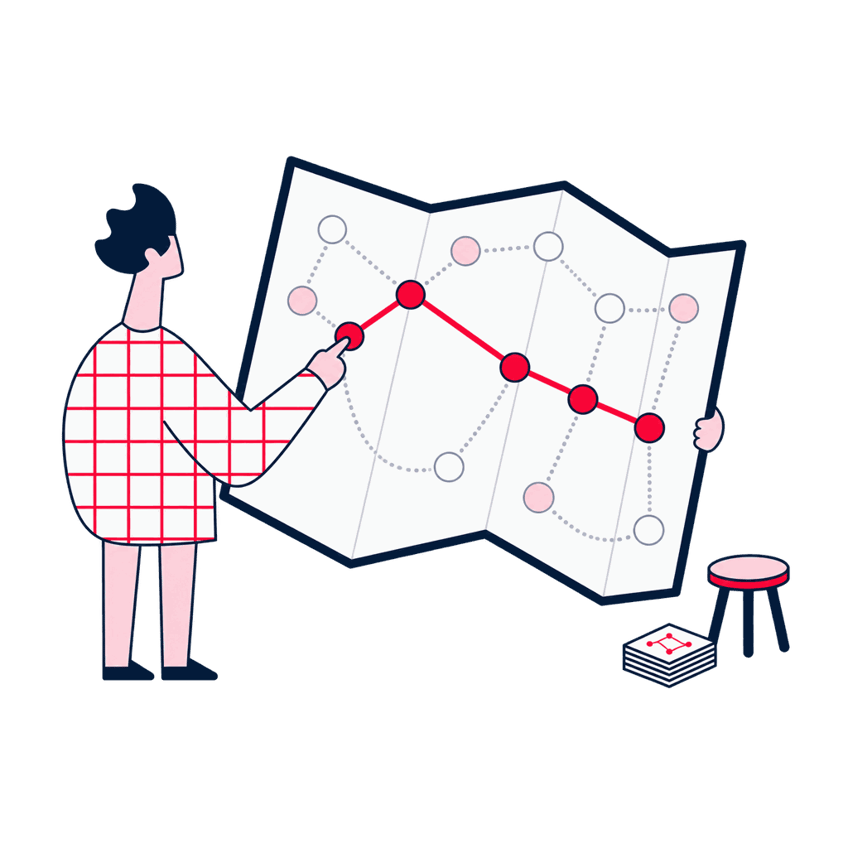
Follow documents into decisions
We sample document families and versions alongside analyst decisions and the case flow around them. This shows where passages conflict, where context gets lost, and which conclusions need a visible evidence trail. Your case owner confirms which document sources are permitted to use.
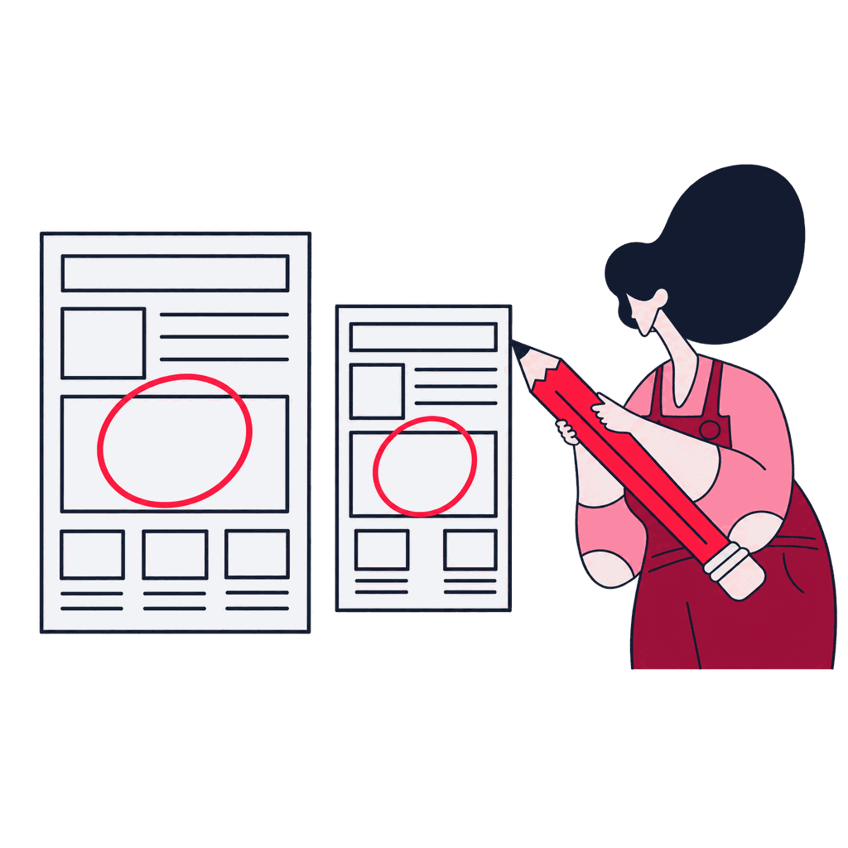
Put review around the analyst's task
Comparison, citations, uncertainty, correction, and escalation are designed around the casework itself. Analysts can challenge a conclusion without dropping the context they need to decide. Your lead analyst approves which review actions stay inside one screen.
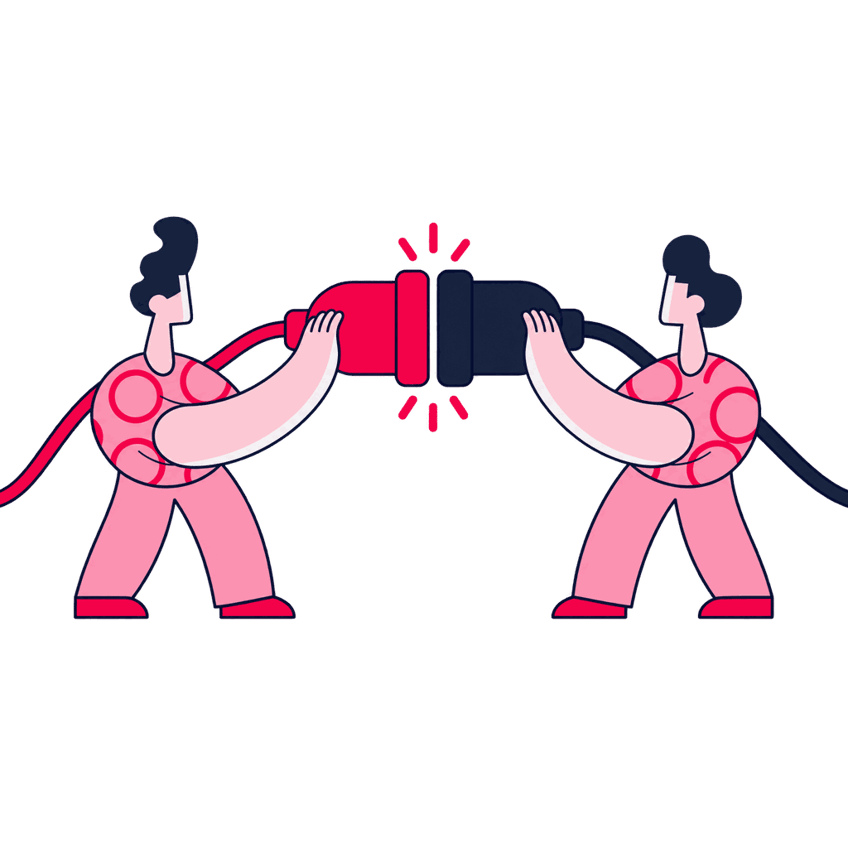
Connect evidence to the case flow
We link the evidence model to relevant case states, permissions, and feedback. Generated output stays visibly separate from a decision an analyst has reviewed and approved. Your system owner approves which case states the workspace may touch.
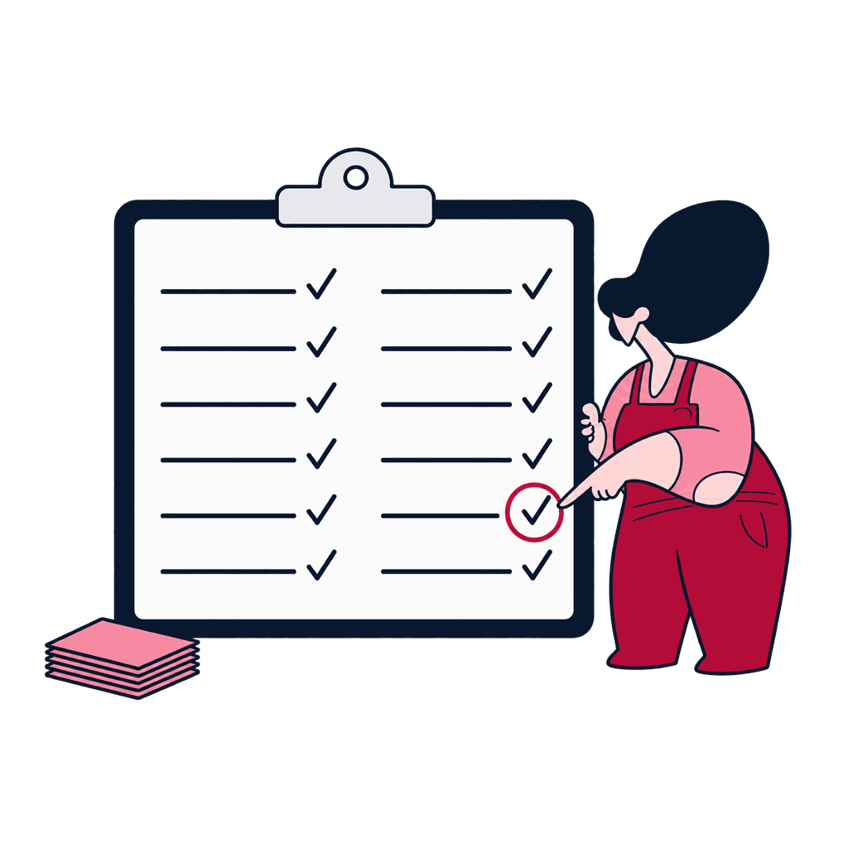
Test what happens when sources disagree
Representative documents and deliberately conflicting versions run through the complete workflow. Reviewers inspect unsupported conclusions, stale citations, hidden uncertainty, and the corrections analysts make. Your review owner decides whether a flagged conclusion blocks release.


Named artifacts you keep
What you get
The handoff covers the workspace, the evidence relationships beneath it, and the checks that keep each conclusion open to review.
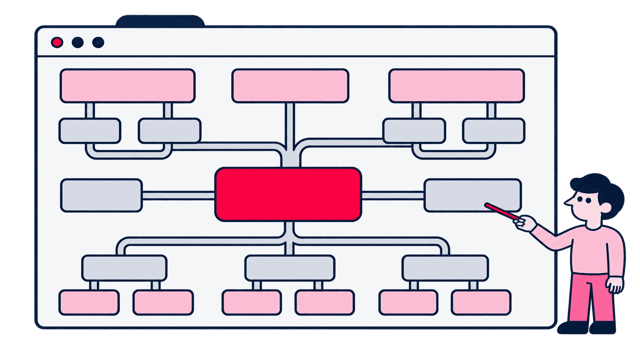
Architecture document
Document-passage evidence and reasoning model
The relationships among document, passage, version, conclusion, uncertainty, conflict, and completed review.
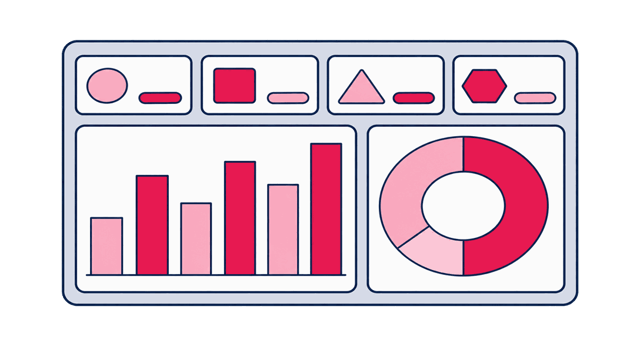
Dashboard
Document comparison and analyst-review workspace
A working interface for comparing documents, opening citations, correcting generated output, and recording the analyst's decision.
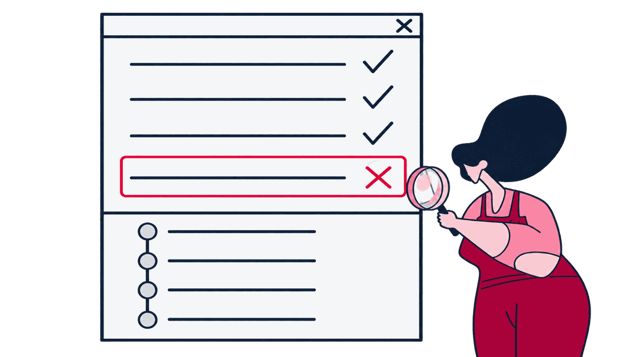
Test evidence
Contradictory-document case findings
Representative, contradictory, and failure-oriented cases paired with review thresholds and escalation rules.
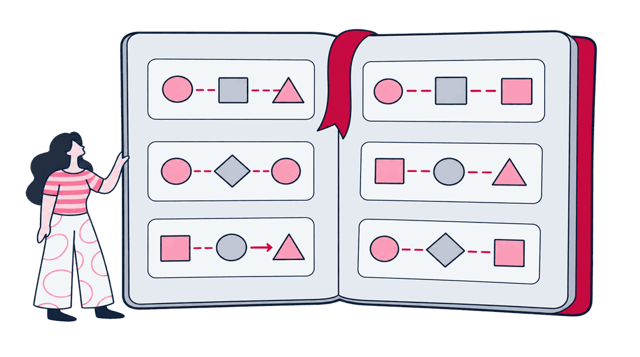
Playbook
Case workflow and source-update operations pack
Operating guidance for case intake, analyst feedback, source updates, exception handling, and audit review.


Scope and honest limits
When to bring us in
This work fits a document-heavy review process where every useful conclusion still needs its passage, version, and assumptions close by.
A good fit when
- Your analysts spend hours matching versions and citations, but passages that disagree still reach the case without a resolved source trail.
- A summary is useful only when its reviewer can open the exact passage and version, yet the current workflow drops that context before the case decision.
- The case owner is asked to approve release, but evidence, correction, and escalation thresholds have not been agreed for unsupported conclusions.
- Documents are compared and summarized, but conclusions reach reviewers without links to the supporting passage and source version.
- The analyst workspace shows generated output, yet uncertainty, corrections, review status, and the final decision are not kept visibly separate.
- The case workflow accepts generated conclusions, but evidence-grounded tests and reviewer feedback do not follow them into monitoring.
- A conclusion enters the case record, though nobody can trace it back to the source version and evidence the analyst accepted.

Better handled as other work when
- You need Zeo to interpret the documents as legal or regulatory advice. We expose the passages and the conflicts, and your counsel decides what they oblige.
- You want generated summaries entered as verified facts before analyst review. The workspace keeps them provisional until a reviewer accepts the evidence.
- You need document rights acquired, production run, or adjacent case systems changed. The application covers this workflow, while those tasks need separate scopes.
If one of these is closer to your situation, start here instead: Review the application development service
Engineers who ship production AI
This is the part of Zeo that writes and ships code. Our senior engineers build agents, chatbots, and RAG pipelines, along with the automation and data work around them, and they keep operating those systems once they're live. We've worked with more than 500 brands since 2011.






Tools we use
Tools behind this work
 Mistral AI
turns scanned or image-based filings into machine-readable text first
 Anthropic
compares multiple full documents in one pass without losing the citation trail
 Unstructured
partitions filings into clean text, table, and layout elements before indexing
 LlamaIndex
the index that keeps every passage linked to its source document and version
 Chroma
the passage-level index an analyst's query searches during a live comparison
 Confident AI / DeepEval
checks that a stated conclusion is actually supported by its cited passage
 Label Studio
the second human read a disputed passage-to-conclusion link gets routed to
Adjacent work
Where this leads
Build
Custom Generative AI Application Development
Structured document extraction pipelines feed the specialized business logic and interactive user interfaces built for domain workflows.

Build
Enterprise AI Copilot Development
Extracted entity schemas and key-value tables give employee copilots reliable access to contract terms, invoices, and technical specs.

Build
AI Proof of Concept Development
Complex multi-layout extraction methods should prove feasibility on difficult sample scans before scaling to enterprise-wide ingestion.


Next step
Bring one real document review case

Before you decide