


Generative AI Applications · End-to-end product development
Custom Generative AI Application Development
A generative AI application becomes a product only when user journey, state, identity, data paths, model behavior, controls, evaluation, and operating ownership are built as one system.
One focused generative AI product, built so the user journey, application state, data and identity paths, model behavior, controls, and evaluation hold together as a system someone can operate after release. Release ends with your product owner holding a working end-to-end application path, critical-slice findings, approved data-flow controls, and named support, rollback, and model-change duties.

Some of the 500+ brands we've worked with
Selected brands we’ve worked with across industries.







 GeneraliGlobalCase Study









 OdeabankGlobalCase Study








































 Albaraka TürkGlobalCase Study




























On this page
The run order, and who signs each step off
How we work
We treat a model call that works in isolation as one part, and judge the product on the whole path from user intent to operating ownership.
Decide what the product may do
The user journey, application state, fallback, review, and permissions get mapped together, down to each point where the product may suggest, act, wait, or stop. Your product owner approves which actions the system may take without review.
Build the smallest complete path
One end-to-end increment completes the target job. Evidence has to show the simpler design failing before grounding, retrieval, or tools are added. Your engineering lead approves each added component before it ships.
Test where the parts meet
Representative and adverse cases run through the interface, model, data path, permissions, fallback, latency, cost, and human review as one workflow. Critical slices get inspected on their own, out of reach of the averages. Your product owner reviews every critical-slice failure before release.
Release with someone ready to own it
Controlled stages surface the remaining exceptions before wider use. The runbook, monitoring, decision history, rollback path, and named operating duties transfer with the released scope. Your named owner accepts support, rollback, and release responsibility.


Named artifacts you keep
What you get
The application arrives with its architecture, evidence, and operating record, so nobody has to reverse-engineer how it works or who carries it.
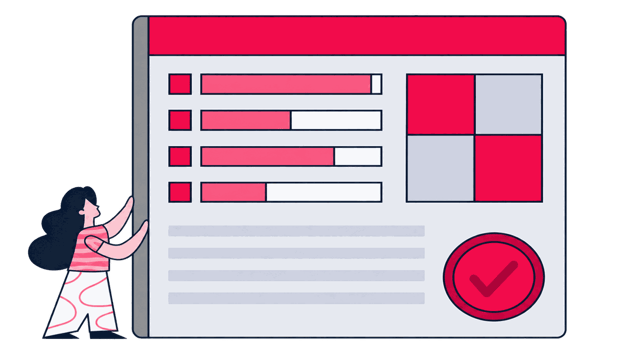
Model card
Working user-journey application pack
The agreed user journey, implemented end to end with state, permissions, fallback, review, and model behavior connected.
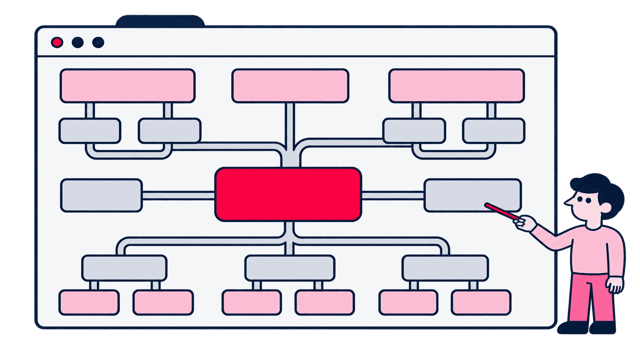
Architecture document
State, identity, and data-flow map
Application boundaries, data and identity paths, state transitions, model or tool calls, and fallback behavior in one traceable specification.
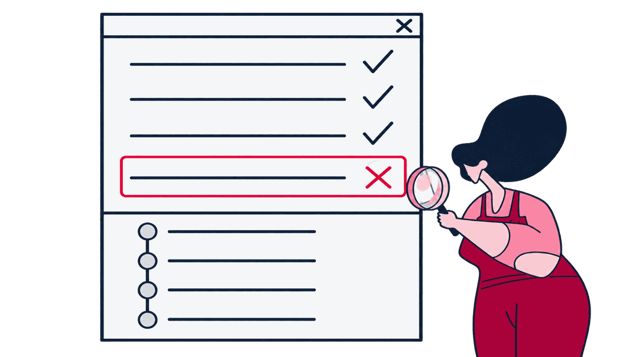
Test evidence
Critical-slice application findings and release record
Representative and adverse tests, acceptance thresholds, release configuration, known exceptions, cost, and latency evidence.
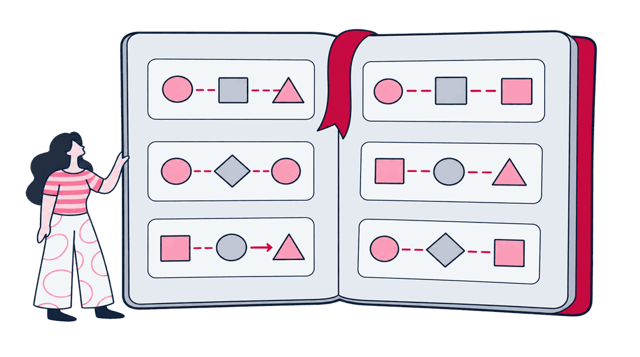
Playbook
Operations and ownership handoff pack
Monitoring, support, rollback, incident, model-change, data-path, and product-decision responsibilities for the released scope.


Scope and honest limits
When to bring us in
By this point the user job is validated. What the work needs is a complete product path, where state, permissions, fallback, evaluation, and ownership persist beyond a single model response.
A good fit when
- The user job has been validated, but the product owner still lacks one end-to-end path they can accept for release.
- A single model response works in isolation, while state, permissions, fallback, and review break across the complete journey.
- Representative cases exist, but no one has tested identity access, integrations, and release criteria together as one application.
- The user journey is agreed, yet application state, fallback, review points, and authority boundaries do not survive from one step to the next.
- Grounding and tools keep entering the design by default, but nobody has shown that the simpler application path fails without them.
- Components pass separate checks, while no end-to-end evaluation ties critical slices to a staged release and operating handoff.
- The chosen workflow carries identity, data-path, model, cost, and latency risks, but the corresponding controls are still split across teams.

Better handled as other work when
- You need feature work before the user job or product owner is settled. Product discovery should close that boundary first.
- Application data must travel through model or storage paths nobody approved. Data-path design and authorization should happen before the application build.
- You want Zeo to own model-change monitoring, data-path support, and rollback after release. Those product duties require a separate scope.
If one of these is closer to your situation, start here instead: More on AI application development
Engineers who ship production AI
This is the part of Zeo that writes and ships code. Our senior engineers build agents, chatbots, and RAG pipelines, along with the automation and data work around them, and they keep operating those systems once they're live. We've worked with more than 500 brands since 2011.

Yiğit Konur
Founder & Chief Strategy Officer

Can Mutioğlu
Senior SEO Executive

Ozan Ketenci
VP of Consulting & Strategy

Burak Pehlivan
Co-founder & CEO

Didem Himmetli
Marketing Executive

Mehmet Aktuğ
Co-Founder & COO

Elif Naz Akan Karakoç
Senior SEO Executive
Content we've produced on this topic
Tools we use
Tools behind this work
 OpenAI
one of the model options the product's behavior is built and tested against
 Anthropic
the alternate model tested against the same application state and controls
 LangChain
orchestrates the user journey's state, tool calls, and data paths as one flow
 Pinecone
the managed index holding the product's grounding data
 Langfuse
traces model behavior, controls, and evaluation as one connected record
 Guardrails AI
enforces the product's output and data-path controls as a structural check
Adjacent work
Where this leads
Build
Enterprise AI Copilot Development
Bespoke application architectures provide domain-specific backend services integrated into enterprise-wide employee copilot interfaces.
Build
AI Document Intelligence Application Development
Custom business logic consumes structured entity schemas produced by upstream document extraction and OCR pipelines.

Build
AI Proof of Concept Development
Algorithmic prompt chains and model combinations prove functional viability in isolated proofs before full-stack application development.


Next step
Build a product your team can own

Before you decide