


AI Agent Development
AI Agent Evaluation & Reliability
Reliability has to be demonstrated on the build intended for release, through repeated task trajectories, explicit tool and policy checks, calibrated graders, and critical slices that stay visible.
A confident demo proves almost nothing about the next run. We tie a regression suite to the build you want to release and trace what the agent does across repeated tasks, so tool behavior, recovery, escalation, and run-to-run variation stay visible where the release decision gets made. Build-linked regression evidence, reviewed grader disagreements, and a critical-slice brief give your release owner the grounds to accept the agent, accept it with conditions, or reject it.

Some of the 500+ brands we've worked with
Selected brands we’ve worked with across industries.














 MeteksanGlobalCase Study




 VisperaGlobalCase Study























On this page
The run order, and who signs each step off
How we work
We start from the build you actually have, not the demo build. Every stage after that hangs on one question: can the release owner see what this agent does, repeatedly, and act on it?
Set the evaluation charter
We map representative tasks, known failures, tool contracts, policies, and release criteria into one evaluation specification. Your release owner approves which tasks and thresholds define the charter.

Instrument and run
We capture trajectories and side effects, then repeat representative, adverse, recovery, and escalation cases against the same build. Your evaluation lead confirms a failing trace before it counts as a defect.

Calibrate the evidence
We compare deterministic checks, rubric graders, and human-reviewed traces, and resolve any disagreement as a calibration issue, out in the open. A named specialist resolves which grader call is trustworthy.
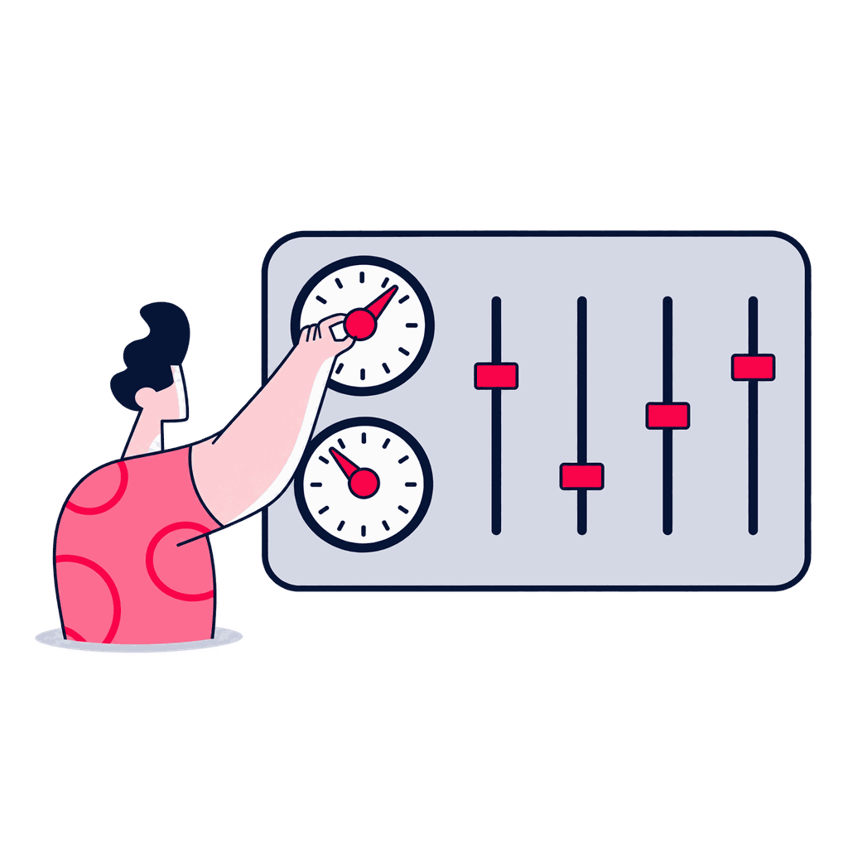
Retest the release gate
We rerun failed paths after changes and record passed thresholds, open exceptions, residual risk, and the next review trigger. Your release owner accepts, conditions, or rejects the build.



Named artifacts you keep
What you get
The evidence stays pinned to one build, its inputs, and the release question you brought. Nothing here describes a different agent or a different version.
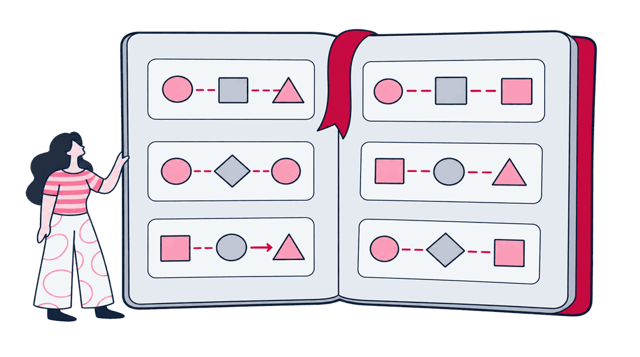
Playbook
Agent task and failure charter
Defines representative tasks, failure categories, tool contracts, policies, thresholds, and review owners.
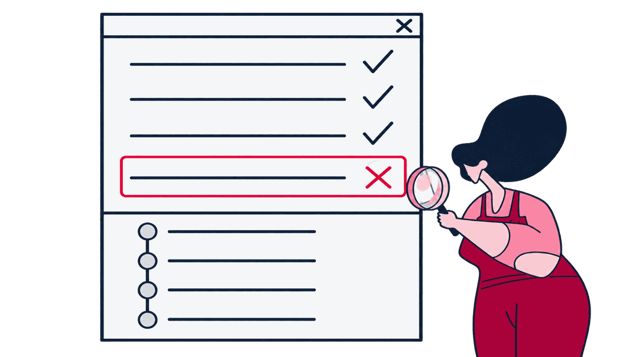
Test evidence
Build-linked trajectory regression pack
Connects test cases and trajectory capture to the agent version being reviewed.
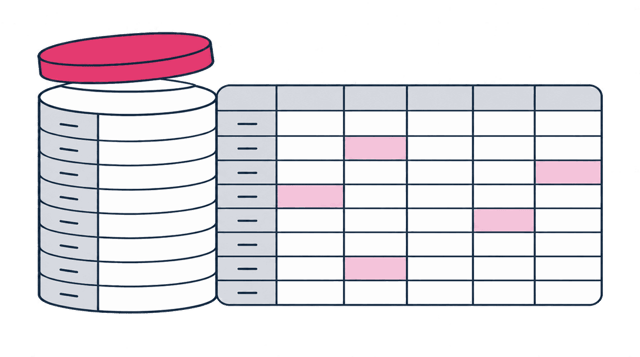
Dataset
Grader disagreement and trace sample file
Records where deterministic checks, rubric graders, and specialist review agree or diverge.
Decision record
Recovery and escalation slice findings brief
Breaks out task, policy, tool, recovery, and escalation results with open exceptions and retest status.


Scope and honest limits
When to bring us in
An agent that handled one impressive task may fail the eleventh, call a tool outside its contract, or stall exactly when it should hand off. Choose this when you need to know that before release, not after.
A good fit when
- Your first agent run looks convincing, but repeated representative tasks still vary in success, tool behavior, recovery, or escalation.
- Tool calls complete in the demo, yet nobody reviews their side effects against the explicit contract and policy on the same build.
- A release date is approaching, but the owner still lacks thresholds and a separate view of critical task, tool, recovery, and escalation exceptions.
- Important agent paths are known, but no failure taxonomy or trajectory instrumentation shows where a repeated run diverges from the intended path.
- Deterministic assertions and rubric graders both score the build, yet their disagreements have not been resolved against specialist-reviewed traces.
- The blended result looks strong, while stress, recovery, policy, tool, and task slices still hide the path most likely to block release.
- A release gate exists, but its owner cannot see which exceptions remain open, what changed, or which failed trajectories need another run.

Better handled as other work when
- You need trajectory findings accepted for audit, certification, legal, or regulatory use. The pack records repeated runs, while approval stays with your authority.
- You need proof that the agent is perfectly accurate, autonomous, safe, or free of residual risk. Repeated runs describe only the tested tasks and build.
- You need the production agent operated or its failed paths remediated. This engagement evaluates and retests the agreed build, while implementation is separate.
If one of these is closer to your situation, start here instead: See the evaluation service
We operate the systems we test
It's hard to test a system well if you've never had to keep one running. We operate production AI ourselves, so our evaluation, security testing, and LLMOps work starts from what actually breaks. The people on it are senior engineers, and Zeo has been doing client work since 2011.






Tools we use
Tools behind this work
 Langfuse
traces the agent's tool calls and recovery across every repeated run
 Braintrust
ties the regression suite to the exact build the release decision is about
 Confident AI / DeepEval
runs calibrated graders against trajectories, checked for agreement with humans
 Arize Phoenix
isolates the specific task slices where the agent's reliability breaks down
Adjacent work
Where this leads

Build
Custom AI Agent Development
Our regression pack retests stop conditions, tool limits, and recovery paths against one agent version. Those controls have to be built into the loop before anything can retest them.

Build
AI Agent Tool & API Integration
A trajectory can show a timeout the agent read as failure while the downstream record already changed. Separating those needs a versioned call contract and an asserted effect.

Build
Knowledge-Grounded AI Agents
Graders here judge whether the agent finished the task and recovered cleanly. Whether a retrieved document ever authorized the action it took is kept on a separate control path.


Next step
Test the build, not the demo

Before you decide