


AI Evaluation & Assurance · Group-level outcome testing
Bias, Fairness & Explainability Testing
Your owners define the affected groups and the acceptable tradeoffs. Specialists then compare outcomes, error burdens, explanations, and evidence limits. Fairness testing is credible in that order and not the reverse.
An aggregate score can look acceptable while one group quietly absorbs the errors. Fairness testing starts with choices only your organization can make: who may be affected, which outcomes matter, and which tradeoffs are acceptable. We test the comparisons those choices create, examine explanation behavior, and say plainly where the evidence is too thin for a conclusion. Some defined-group comparisons hold and we withhold others for thin evidence, and the findings say which. Your accountable owner sets remediation priorities and retest criteria for the disparities they choose to address.

Some of the 500+ brands we've worked with
Selected brands we’ve worked with across industries.














 MeteksanGlobalCase Study




 VisperaGlobalCase Study























On this page
The run order, and who signs each step off
How we work
The comparison gets framed before anything gets measured. Your owners define whose outcomes matter and what decision the evidence must inform, then we assess whether the data can actually bear that comparison.
Frame the fairness question
Your accountable owners name the affected groups, material outcomes, relevant slices, explanation audiences, and acceptable tradeoffs. They also state the decision this evidence is meant to inform. Your responsible-AI owner defines which groups and trade-offs are in scope.

Check whether each comparison is supportable
For every proposed comparison, we inspect representative examples, labels, sample coverage, dependencies, and known gaps. Some slices may support a measured result, while others may only support a limitation statement. Your evaluation lead decides which comparison has too little evidence to run.

Interpret differences in context
We compare outcomes and error burdens across the agreed slices, then examine how explanations behave for the same contexts. Domain specialists help distinguish a meaningful disparity from noise, dependency effects, or a comparison the evidence cannot sustain. A domain specialist confirms a flagged difference is genuinely material.

Record the response and its limits
The final record separates accepted findings from unresolved ones, names proposed changes and owners, states retest criteria, and carries forward the uncertainty that remains. That owner accepts the findings and whatever uncertainty remains.



Named artifacts you keep
What you get
Three things stay separate but connected: the comparison your organization chose, the evidence available for it, and the response your owners approved.

Report
Defined-group bias and explanation findings
States the defined groups, outcomes, slices, measures, explanation tests, uncertainty, findings, and limits of the evaluation.
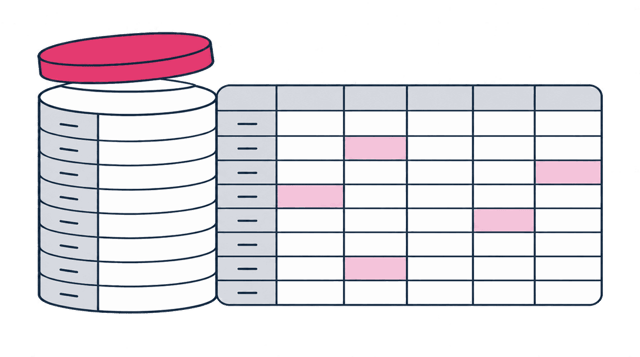
Dataset
Affected-group and outcome-slice evidence register
Records representative examples, sample coverage, labels, dependencies, known gaps, and evidence quality for each slice.
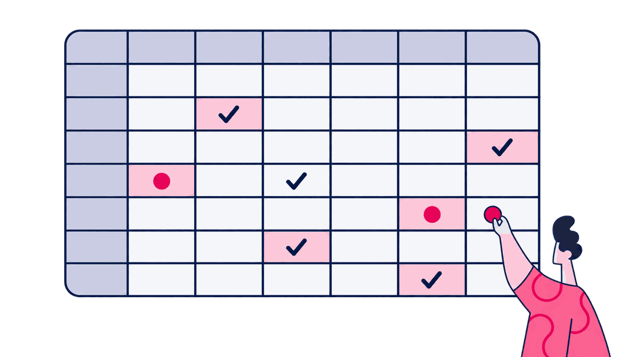
Matrix
Disparity, explanation, and exception report
Breaks out outcome and error differences, explanation findings, uncertainty, accepted exceptions, and items needing more evidence.
Decision record
Remediation priorities and retest criteria list
Connects findings to priorities, owners, proposed changes, retest criteria, accepted conditions, and the next review.


Scope and honest limits
When to bring us in
This review fits when a system influences material outcomes and the aggregate numbers could be hiding a worse result for a group, slice, or decision context someone has to answer for.
A good fit when
- The system influences material outcomes, but nobody has checked whether defined groups carry different error burdens.
- Aggregate accuracy looks acceptable, yet outcome slices may hide a disparity that the overall score cannot show.
- Explanations are being shown to users or reviewers, but their usefulness and limits have not been tested.
- Affected groups and acceptable tradeoffs have been named, but the outcome slices and remediation gates are not connected to one decision.
- Representative examples exist, yet sampling limits, labels, and dependencies still make some group comparisons impossible to support.
- Slice-level findings are emerging, but exception decisions, remediation priorities, owners, and retest criteria remain unresolved.
- The available evidence supports some comparisons and withholds others, while the evaluation record does not yet state that boundary plainly.

Better handled as other work when
- You need the fairness evaluation to serve as legal or regulatory approval. It records evidence and limits, while that call stays with your qualified authority.
- You want the evaluator to define affected groups or acceptable tradeoffs. Those product and policy choices belong to your accountable owner.
- You need testing to prove universal fairness or remove every source of bias. The reviewed slices cannot support that claim.
If one of these is closer to your situation, start here instead: See the evaluation service
We operate the systems we test
It's hard to test a system well if you've never had to keep one running. We operate production AI ourselves, so our evaluation, security testing, and LLMOps work starts from what actually breaks. The people on it are senior engineers, and Zeo has been doing client work since 2011.






Tools we use
Tools behind this work
 Confident AI / DeepEval
checks whether a model's stated explanation actually matches its own decision
 Arize Phoenix
visualizes group-level error differences over time to separate drift from noise
 Giskard
scans defined subgroups and flags where a comparison lacks enough data
 Label Studio
routes disparity findings to human review against the organization's own choices
 Scale AI
sources the group-level annotation subgroup comparisons need at scale
Adjacent work
Where this leads

Advisory
AI Evaluation Strategy
Your owners choose the affected groups and the tradeoffs they will accept before any comparison runs. Those choices belong in the evaluation policy, next to thresholds and named decision rights.

Build
Golden Dataset Development
We withhold a comparison when one group's slice holds too few sampled cases to support a conclusion. Filling those slices means sourcing and adjudicating cases under recorded rights.

Assurance
Independent AI Agent Evaluation
Our findings say which users absorb the error burden and where explanation behavior is thin. Whether an agent's tool use and recovery hold up under outside scope is a different test.


Next step
Test the comparison your organization chose

Before you decide