


AI governance work · Operating model
AI Governance Framework Design
We test a governance framework by running representative decisions through it. Each one passes named gates, leaves retained evidence, and closes under an authority that accepts both the forum design and its unresolved gaps.
A principle does not tell a delivery team who can approve a system change or what proof belongs at the gate. We design the authority behind those recurring decisions, including the owner, forum, evidence, exception route, and review trigger. Nothing in the accepted charter, lifecycle control map, forum cadence, or staged rollout plan buries an open question. We name every residual authority and evidence gap for your governance authority.

Some of the 500+ brands we've worked with
Selected brands we’ve worked with across industries.







 GeneraliGlobalCase Study









 OdeabankGlobalCase Study








































 Albaraka TürkGlobalCase Study




























On this page
The run order, and who signs each step off
How we work
We start with decisions that currently stall, escalate by habit, or close without a reliable record. The draft framework has to handle those cases before we recommend a broader rollout.
Write the authority into the charter
Together we define the decisions in scope, the lifecycle boundary, and the person or forum allowed to act at each gate. Existing policies and committee charters provide evidence, but they do not settle an authority question by themselves. Your accountable owner confirms who holds each governance decision.

Place controls where decisions happen
We connect risk tiers, controls, retained evidence, approvals, and exceptions to the points where a system changes or moves forward. A team should be able to find the right gate without interpreting a broad principle from the beginning. Your governance lead confirms which gate owns each control and evidence type.

Give each forum authority
For recurring decisions, we set the forum's purpose, participants, input, output, cadence, and escalation route. The design distinguishes a forum that has authority from a meeting that can only pass the question elsewhere. Your governance lead approves each forum's authority and escalation route before launch.

Try the framework on live questions
Representative decisions move through the draft end to end. We record missing authority, unusable evidence requests, and controls that leave no record, then sequence the first templates and forums around the most immediate needs. Your governance authority accepts the framework, rollout order, and residual gaps.


Named artifacts you keep
What you get
The handoff includes the documents needed for the first rollout and a visible list of authority, control, or evidence gaps that still need work.

Policy
AI governance authority and lifecycle charter
The framework's scope, objectives, decision authorities, lifecycle boundary, and principles for review.
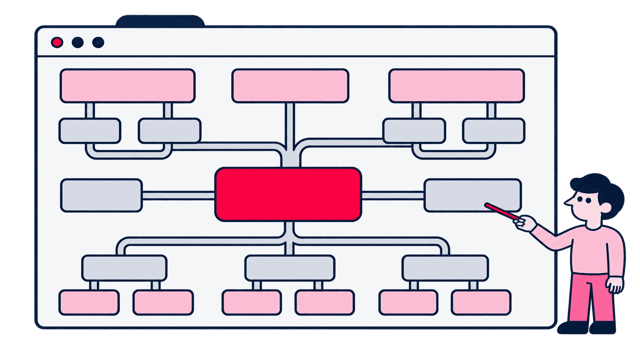
Architecture document
Lifecycle control and decision map
A system view showing where risk tiers, controls, evidence, exceptions, and approvals enter the lifecycle.
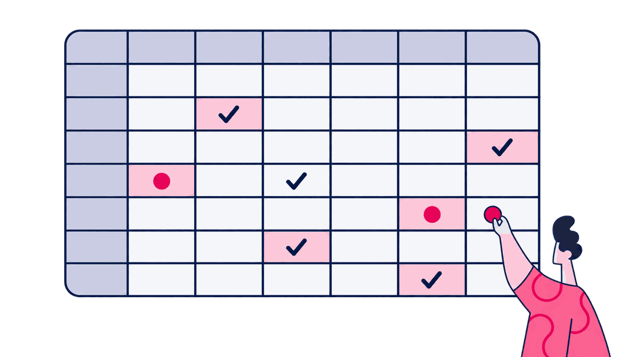
Matrix
RACI, forum authority, and cadence record
The roles, forum purposes, participants, schedules, inputs, outputs, and escalation paths behind recurring governance work.
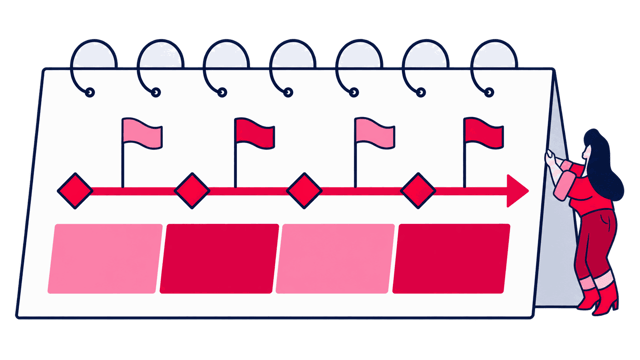
Roadmap
Evidence templates and staged rollout plan
Evidence and exception templates, the staged rollout order, prerequisites, and open governance gaps.


Scope and honest limits
When to bring us in
Bring this in when approved responsible-AI principles still leave recurring decisions bouncing between delivery, risk, legal, privacy, security, and data teams.
A good fit when
- Different delivery teams apply different controls to recurring AI decisions, so nobody knows which lifecycle gate should govern a case.
- A committee can discuss a recurring AI decision, but its charter does not say whether the forum may approve it or only escalate it.
- Your policies assign accountability, but they do not state which evidence a team must retain when an AI system reaches a lifecycle gate.
- Your responsible-AI objectives are approved, yet teams cannot connect them to the decisions that arise across the system lifecycle.
- Risk tiers exist on paper, but decision rights, operating forums, and control owners do not line up when a system has to move forward.
- Teams know an exception needs evidence, but no shared template shows what to submit, who decides, or how the request closes.
- The framework needs a staged rollout, because no operating cadence or review measure currently shows whether its forums are working.

Better handled as other work when
- You need the framework to count as legal, audit, or certification approval. It organizes evidence, while those conclusions remain with your qualified authorities.
- You want one framework copied to every system unchanged. New suppliers, process changes, and lifecycle decisions need their own adjustment.
- You need every governance forum run after handoff. The design defines its purpose and cadence, while ongoing operation requires a separate agreement.
If one of these is closer to your situation, start here instead: View governance consulting
Advice from people who build
We've worked with more than 500 brands since Zeo started in 2011. The people helping you decide where AI fits, and where it doesn't yet, are senior engineers and strategists who build and operate production AI systems. The advice stays grounded in work that actually shipped.






Tools we use
Tools behind this work
 Notion
where the authority charter gets written and stays open for challenge
 Credo AI
the policy-to-code engine the framework's decision rights get built into
 Holistic AI
the identify-protect-enforce platform used to test a control against real systems
Adjacent work
Where this leads
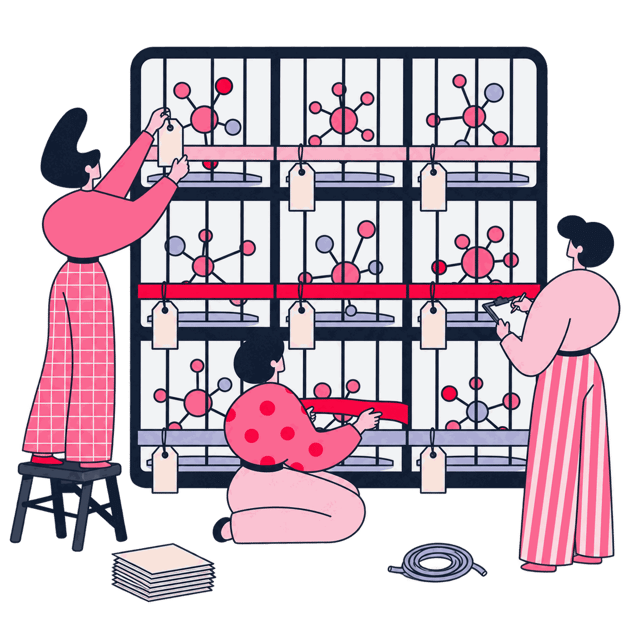
Advisory
AI System Inventory & Risk Classification
Governance principles define evaluation tiers, while the inventory catalogs every live model and assigns mandatory review cadences.
Advisory
AI Policy & Acceptable-Use Design
High-level oversight mechanisms are translated into binding employee rules regarding data sharing, external tool usage, and copyright.
Assurance
AI Risk & Impact Assessment
Governance review gates dictate when high-consequence systems must undergo formal harm path modeling and stakeholder consultations.


Next step
Give recurring AI decisions somewhere to close

Before you decide