


Third-party review · AI suppliers
Third-Party AI Risk & Vendor Governance
Vendor governance holds only when intake evidence, contract conditions, monitoring triggers, exceptions, and exit duties stay attached to the same supplier decision.
A vendor can reach contracting while its data use, model changes, subprocessors, and exit duties are still spread across separate reviews. We connect the intake decision to evidence, approval conditions, monitoring, exceptions, and a practical exit path with named owners. The supplier decision sits in one place. Procurement and risk owners work from the review pack, supplier-claim inventory, due-diligence exception report, and a handoff record naming who monitors and who runs the exit.

Some of the 500+ brands we've worked with
Selected brands we’ve worked with across industries.







 GeneraliGlobalCase Study









 OdeabankGlobalCase Study








































 Albaraka TürkGlobalCase Study




























On this page
The run order, and who signs each step off
How we work
We design the intake so its evidence and conditions can survive the contract signature. Monitoring owners, change triggers, exceptions, and exit duties remain linked to the original vendor decision.
Decide which vendors enter review
The intake standard sets the third parties covered, the signals that determine review depth, the decision owner, and the evidence expected for each risk tier. It also captures the vendor's stated data and action boundaries. Your procurement owner confirms the intake captures the vendor relationship that will actually be contracted.

Put claims beside their evidence
We review vendor statements with the available technical and operational evidence, subprocessors, exceptions, and dependencies on your own systems. A claim without representative evidence remains unresolved. Your risk owner decides which unresolved claims block or condition the vendor decision.
Make each approval condition checkable
Material risks are connected to proposed contract controls, approval conditions, owners, escalation routes, and later review triggers. Qualified legal reviewers retain the drafting and interpretation of contract terms. Your legal and risk owners approve the meaning, wording, and checkability of every contract condition.
Plan for change and exit
The operating plan covers monitoring signals, review dates, exception handling, fallback responsibility, data return or deletion, and the steps required to leave the vendor. Ownership is assigned before a critical condition fails. Your risk owner assigns who responds to change, exception, failure, and exit events.


Named artifacts you keep
What you get
The review pack keeps the decision connected to the evidence, conditions, exceptions, monitoring duties, and exit responsibilities that justified it.
Risk register
Vendor risk standard and review pack
Intake criteria, risk tiers, due-diligence questions, required evidence, approval conditions, and the completed review record.
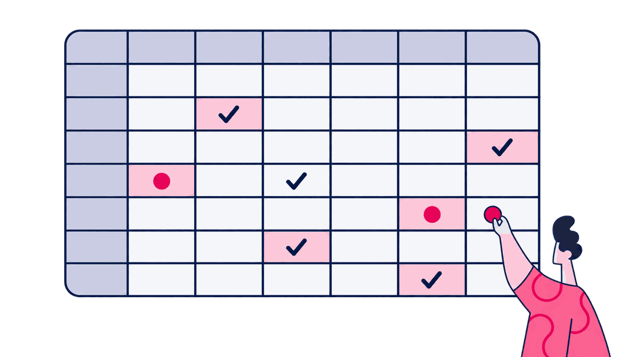
Matrix
Vendor claims, subprocessors, and dependency inventory
Vendor evidence, unresolved claims, subprocessors, client dependencies, assumptions, and the date each item expires or returns to review.
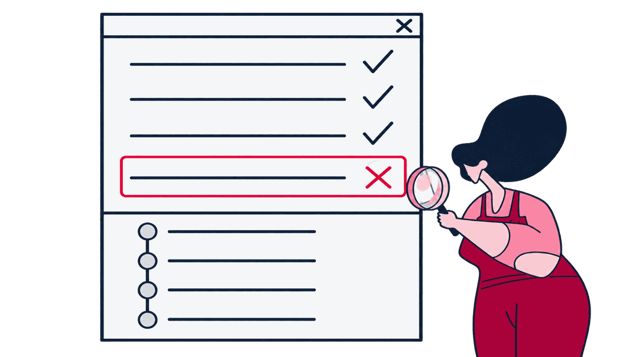
Test evidence
Due-diligence claim gaps and exception report
The claims tested, missing or conflicting evidence, critical exceptions, and conditions raised during due diligence.
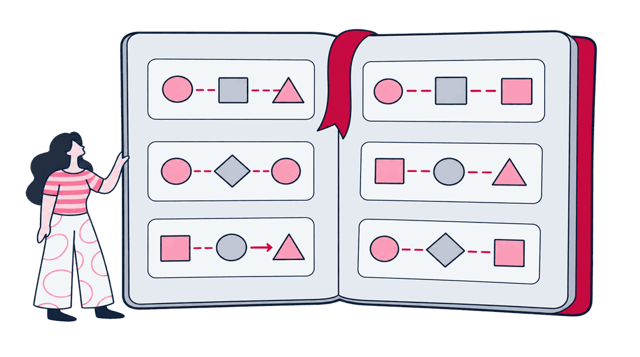
Playbook
Contract conditions, monitoring, and exit handoff record
The approval or rejection, conditions, contractual controls, monitoring owners, review triggers, fallback, and exit duties.


Scope and honest limits
When to bring us in
Choose this when AI vendor review follows inconsistent questionnaires and no one owns later change, exception, monitoring, or exit decisions.
A good fit when
- Procurement teams ask the same supplier different questions, so comparable vendors arrive at contracting with different evidence records.
- A contract includes AI controls, but they do not match the supplier's real data use, actions, monitoring needs, or risk tier.
- A supplier is approved, but no one owns model changes, open exceptions, monitoring triggers, or the work required to exit.
- Vendor intake exists, yet the criteria that decide which AI suppliers need deeper review change from buyer to buyer.
- The due-diligence evidence is collected, but unresolved claims, subprocessors, client dependencies, and expiring assumptions are not kept together.
- A material vendor risk is known, but no proposed contract condition says how the owner will check it after signature.
- The supplier is monitored, but model changes, exception escalation, fallback responsibility, and exit duties do not return to the original decision.

Better handled as other work when
- You need legal drafting, contract execution, or regulatory approval. Qualified legal and procurement authorities retain that work.
- You need a guarantee that the supplier's statements and evidence are complete and accurate. Due diligence can only record what was disclosed and checked.
- You need procurement, monitoring, or vendor replacement operated after handoff. Ongoing ownership requires a separately agreed service.
If one of these is closer to your situation, start here instead: See governance advisory
Advice from people who build
We've worked with more than 500 brands since Zeo started in 2011. The people helping you decide where AI fits, and where it doesn't yet, are senior engineers and strategists who build and operate production AI systems. The advice stays grounded in work that actually shipped.







Tools we use
Tools behind this work
 Credo AI
the vendor portal that collects evidence directly from the vendor against a named policy
 Mindgard
the discovery scan that finds AI embedded in a vendor's product beyond what they disclosed
Adjacent work
Where this leads
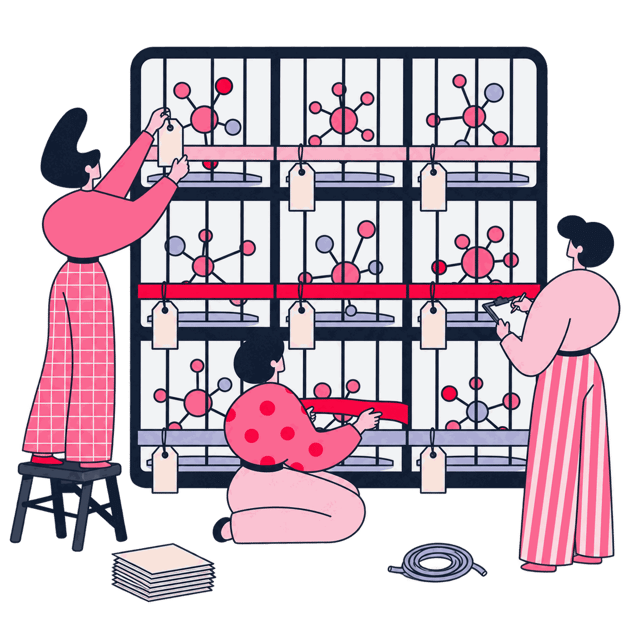
Advisory
AI System Inventory & Risk Classification
Vendor evaluations ensure third-party SaaS tools and external APIs are cataloged and risk-tiered in the central AI inventory.

Advisory
AI Governance Framework Design
External vendor procurement and audit standards integrate into enterprise governance oversight procedures and review gates.

Advisory
AI Policy & Acceptable-Use Design
Vendor assessment findings inform corporate acceptable use policies regarding commercial tool access and confidential data sharing.


Next step
Keep the vendor decision attached after signature

Before you decide