


AI Technology & Architecture Readiness
Architecture readiness depends on testing the proposed system across real prerequisites, integration boundaries, environments, security controls, failure cases, and owners before build commitments harden.
Build debt starts as an unverified assumption in an architecture diagram. We review the prerequisites, integration boundaries, environments, security controls, and operating conditions behind the proposed system, and hand your architecture owner a blocker map and decision record before the build commits. The blocker map, accepted operating conditions, and review brief tie every exception to evidence and ownership for your architecture owner's final call.

Some of the 500+ brands we've worked with
Selected brands we’ve worked with across industries.







 GeneraliGlobalCase Study









 OdeabankGlobalCase Study








































 Albaraka TürkGlobalCase Study




























On this page
The run order, and who signs each step off
How we work
We trace the proposed system across its dependencies, boundaries, and operating conditions. Only then does a path forward get recommended.
Map the architecture boundary
The intended outcome, environments, components, integrations, identities, and data paths get defined, together with the owners who can answer for each boundary. Your architecture owner confirms the boundary and named owners before evidence collection begins.

Collect dependency evidence
Architecture records, representative configurations, current constraints, and security controls come under inspection, with attention on the dependencies most likely to block delivery. The architecture owner decides which dependencies count as evidenced and which remain assumptions.

Test failure conditions
Integrations, environment separation, access assumptions, exception paths, and operability all get challenged with representative and adverse cases. Security and operations owners decide which exception is serious enough to change readiness.

Record the conditions
Resolved blockers get retested, residual risks go on paper, and the accepted conditions, owners, and next review date change hands. The technical result and remaining exceptions move only with your architecture owner’s acceptance.



Named artifacts you keep
What you get
The artifact set ties the architecture picture to the evidence, exceptions, and decision owners behind it.
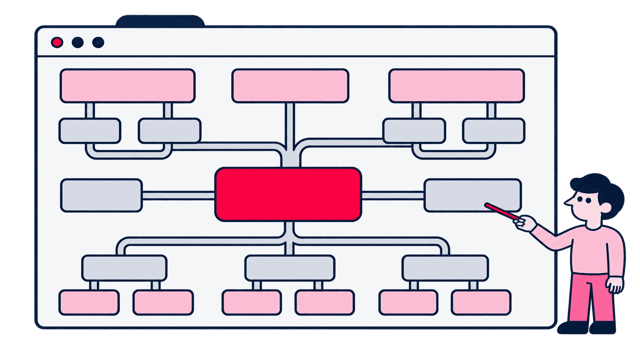
Architecture document
Architecture readiness dossier and blocker map
The proposed architecture, prerequisites, environments, integration boundaries, security constraints, and material blockers in one view.
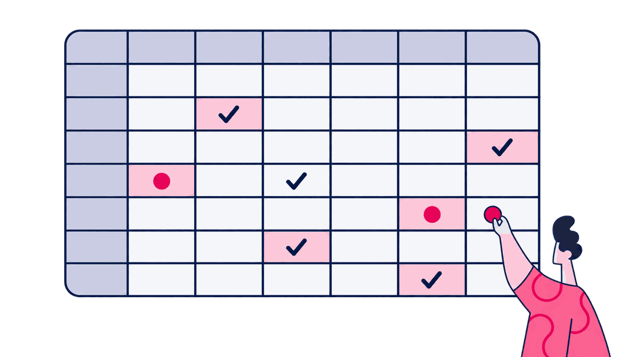
Matrix
Prerequisite sources and open-assumption log
The approved sources, open assumptions, technical dependencies, and unresolved questions that shape the readiness judgment.
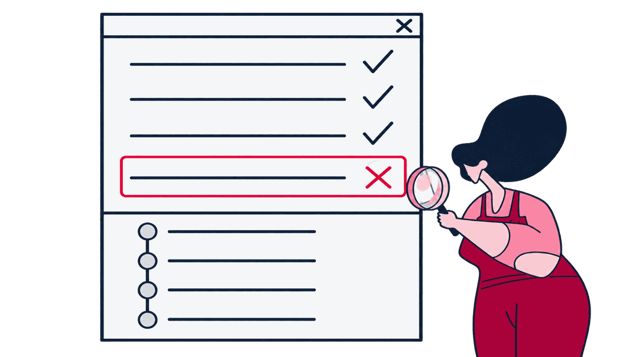
Test evidence
Integration failures and accepted-exception readout
The tested scenarios, observed failures, accepted exceptions, and conditions that still require action.
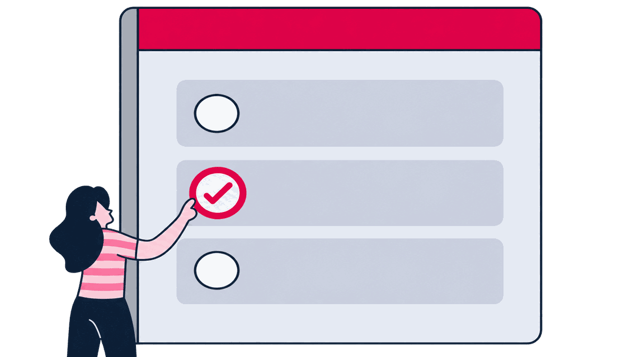
Decision record
Accepted blockers and operating-condition brief
The accepted result, residual risks, remediation owners, operating conditions, and next review point.


Scope and honest limits
When to bring us in
Run this before your team builds against architecture assumptions nobody has verified end to end.
A good fit when
- The proposed architecture is moving toward build, but its environments, integrations, and current constraints have not been reviewed together.
- System, security, data, and operations owners see their own boundaries, yet nobody has checked how those boundaries behave as one architecture.
- Your architecture owner faces release, but the exceptions and operating conditions that limit it are unwritten.
- Components and environments are named in the diagram, although prerequisites, system boundaries, and integration paths still rest on assumptions.
- Representative configurations exist, but dependencies, failure cases, and security constraints are not linked to the readiness judgment.
- Acceptance tests have been discussed, yet open exceptions, operability questions, and responsible owners remain unresolved.
- Technical blockers are known, but no map ties each one to its component, dependency, evidence, owner, accepted exception, and handoff condition.

Better handled as other work when
- You need a security certificate, audit opinion, or regulatory sign-off from this review. Those authorities make the determination.
- You need the architecture declared safe or reliable under every condition, although the review covers only the boundaries and cases inspected.
- You need the blocker map to include production remediation, platform operation, or new system access, but those tasks begin only when separately scoped.
If one of these is closer to your situation, start here instead: View the parent service
Advice from people who build
We've worked with more than 500 brands since Zeo started in 2011. The people helping you decide where AI fits, and where it doesn't yet, are senior engineers and strategists who build and operate production AI systems. The advice stays grounded in work that actually shipped.






Tools we use
Tools behind this work
 Amazon Web Services
checks AWS architecture assumptions against the real account configuration
 Microsoft Azure AI
checks Azure AI prerequisites against actual tenant and resource settings
 Datadog
tests monitoring and recovery claims against real operational history
Adjacent work
Where this leads

Advisory
Use-Case-Specific AI Readiness
Enterprise infrastructure assessments confirm whether core hosting, compute, and security environments can support specific business use cases.
Assurance
Data Readiness for AI
Technical pipeline evaluations determine whether enterprise data warehouses can supply clean, low-latency streams to model endpoints.

Assurance
Enterprise AI Maturity Assessment
Technical architecture audits provide the infrastructure component for holistic organizational capability benchmarking.


Next step
Test the architecture before the build

Before you decide