


Data Readiness for AI
Data is ready for an AI task only when usage-right evidence, critical-slice quality, lineage, and a named maintenance owner can support the same acceptance decision.
We follow the data for one AI task from its sources and access rules through quality, critical slices, lineage, and upkeep. Your qualified legal reviewer receives the available usage-right evidence. Your data owner decides whether the remaining gaps meet the acceptance conditions. The final record gives you a source and lineage map, critical-slice scorecard, usage-right dossier, and an owned backlog with retest points.

Some of the 500+ brands we've worked with
Selected brands we’ve worked with across industries.







 GeneraliGlobalCase Study









 OdeabankGlobalCase Study








































 Albaraka TürkGlobalCase Study




























On this page
The run order, and who signs each step off
How we work
We follow the data itself from source to intended use. Rights, quality, critical slices, lineage, and maintenance stay visible all the way through the decision.
Follow every source into the task
We trace each source, its owner and provenance, the available consent or usage-right evidence, the access path, and the refresh process connected to the AI task. Confirmation of each source's identity, review permission, and attribution belongs to your data owner.

Look for what the average hides
We profile representative and critical slices separately for quality, coverage, bias, leakage, and split risk. The weakest slice stays visible even when the combined result passes. The data owner decides which failing slice must be remediated before aggregate results can carry weight.

Check whether the data can stay usable
Freshness, lineage, and maintenance responsibilities are tested against the agreed thresholds. We also record who will keep those conditions under review after handoff. Before handoff, your data owner confirms who will maintain freshness and lineage.

Make each gap someone’s job
Open rights, access, quality, lineage, and maintenance findings become ordered remediation items. Every critical item gets an owner, an acceptance condition, and a retest point. Naming the person who closes each critical gap remains the data owner’s responsibility.



Named artifacts you keep
What you get
You receive a linked record of the data, the checks, and the open decisions. Aggregate results stay beside critical-slice findings, rights questions, and maintenance responsibilities.
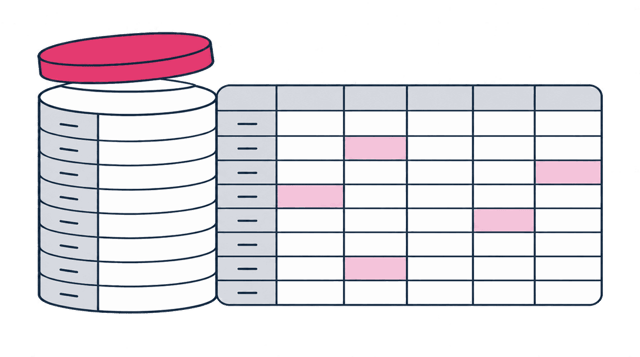
Dataset
Data inventory and lineage map
The relevant sources, owners, provenance, access paths, downstream use, and known lineage gaps in one traceable view.

Dashboard
Critical-slice quality and coverage scorecard
Observed quality, coverage, bias, leakage, and split-risk findings for the representative and critical slices.
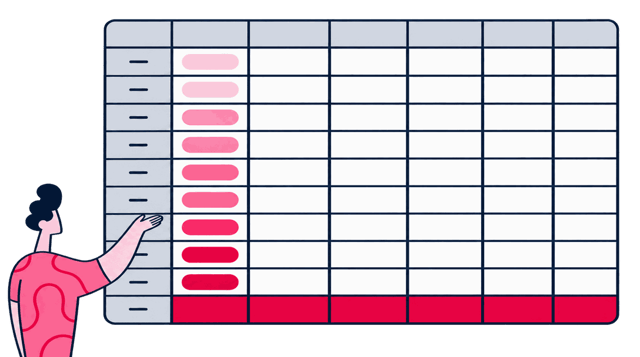
Risk register
Usage-right evidence and open-question dossier
Available usage-right evidence, access constraints, open questions, named reviewers, and recorded exception decisions.

Roadmap
Remediation backlog with data acceptance thresholds
Prioritized work for closing the gaps, with an owner, acceptance condition, and retest need for each item.


Scope and honest limits
When to bring us in
This assessment is useful when a named AI task depends on data whose source, usage-right evidence, critical-slice quality, access, or maintenance ownership is still unclear.
A good fit when
- The AI task is named, but teams cannot agree which sources it uses or where each one enters the workflow.
- Sample data exists, while ownership records, access paths, and refresh processes tell different stories about who maintains it.
- Exceptions keep reaching the data owner, but no acceptance condition says which rights, slice, or lineage gap blocks the task.
- A source appears in the AI task, but its provenance, usage-right evidence, or access owner cannot be traced in one inventory.
- Your aggregate quality looks healthy, yet critical-slice coverage, bias, leakage, or split risk still has no separate profile.
- Freshness and lineage are checked once, but no maintenance owner is tied to the thresholds that must remain true after handoff.
- Data gaps are known, while the remediation backlog lacks an owner, acceptance condition, or retest point for each critical item.

Better handled as other work when
- You need legal or regulatory sign-off on usage rights. We record the available evidence, and your qualified reviewer gives that clearance.
- You need missing data acquired or the production pipeline operated. Both require separately scoped delivery beyond this readiness review.
- You want healthy aggregate results to clear every population or condition, but a failing critical slice still blocks acceptance.
If one of these is closer to your situation, start here instead: See the readiness service
Advice from people who build
We've worked with more than 500 brands since Zeo started in 2011. The people helping you decide where AI fits, and where it doesn't yet, are senior engineers and strategists who build and operate production AI systems. The advice stays grounded in work that actually shipped.







Tools we use
Tools behind this work
 Airtable
tracks ownership, rights evidence, gaps, remediation, and acceptance conditions
 DVC
DVCtraces source and transformation versions into the assessed task dataset
 Giskard
tests whether data weaknesses produce material AI behavior failures
 Jupyter
profiles quality by critical slices instead of aggregate averages
 Tonic
Toniccreates representative test data when production records cannot move
Adjacent work
Where this leads

Advisory
Use-Case-Specific AI Readiness
Enterprise-wide data readiness assessments confirm whether specific business units possess the curated datasets needed for their use cases.

Assurance
Enterprise AI Maturity Assessment
Data governance, quality, and pipeline maturity scores feed directly into the overarching organizational capability evaluation.

Assurance
AI Technology & Architecture Readiness
Data warehouse audit results identify infrastructure bottlenecks in storage, ETL pipelines, and API throughput required for model training.


Next step
See whether the data can carry this task

Before you decide