


AI Adoption & Change
AI Adoption Measurement & Optimization
What makes adoption evidence useful is not activity on its own, but its tie to selected workflow behavior, task outcomes, collection limits, and an owner who can act on the barrier it reveals.
A dashboard may show that people opened a tool. It doesn't show whether accepted work changed, where support failed, or what caused the result. We define meaningful adoption for selected workflows, connect the permitted evidence, and leave causal limits visible in the backlog. The adoption owner leaves with a reviewed signal system and a barrier-linked backlog that shows which action the evidence supports, who owns it, and when to check again.

Some of the 500+ brands we've worked with
Selected brands we’ve worked with across industries.










 Wall Street EnglishGlobalCase Study















 MeteksanGlobalCase Study






 OtsimoGlobalCase Study












































 VisperaGlobalCase Study









On this page
The run order, and who signs each step off
How we work
We start with the decision the adoption owner needs to make. A signal enters the model only when its coverage and reliability are good enough for that decision.
Meaningful use has to be defined
We agree on which workflows and behaviors matter, what counts as meaningful use, and which competence, barrier, support, and task signals can answer the question. Your adoption owner decides which signals actually count as meaningful use.

Missing evidence stays visible
We connect permitted usage, feedback, support, training, barrier, and task evidence. Missing coverage and collection limits stay in the model. Your measurement lead flags which signals are too thin to trust.

Barriers point to interventions
We compare cohorts and workflows, inspect exceptions, and identify whether the next improvement belongs in training, manager support, tooling, policy, or process. Your adoption owner decides whether training, tooling, or policy needs to change.

The owner ranks the backlog
The adoption owner ranks actions, assigns responsibility, and fixes a date to check the signals that should change. Your adoption owner sets the priority order and the next review point.



Named artifacts you keep
What you get
You receive a measurement system whose limits travel with every result. It connects each measure to a decision and records why an action entered the backlog, with gaps and review dates beside the work.
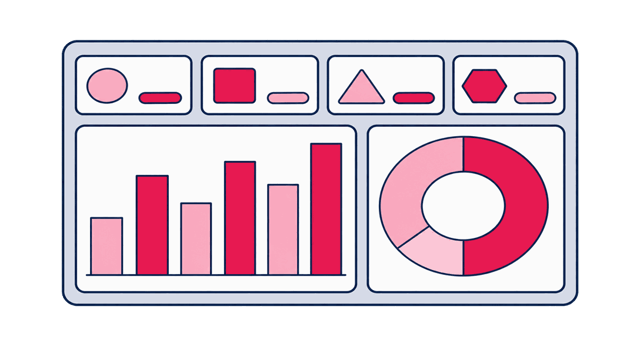
Dashboard
Meaningful-use signal scorecard and review rules
Definitions, sources, segments, limitations, and review rules for meaningful use, behavior, competence, barriers, support, and outcomes.
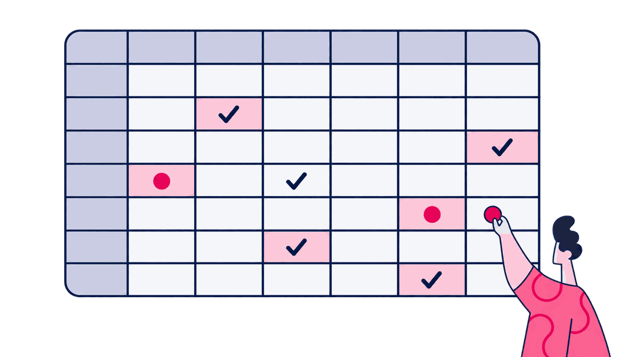
Matrix
Workflow coverage gaps and source map
A view of available signals, missing coverage, collection constraints, and relationships across workflows and cohorts.
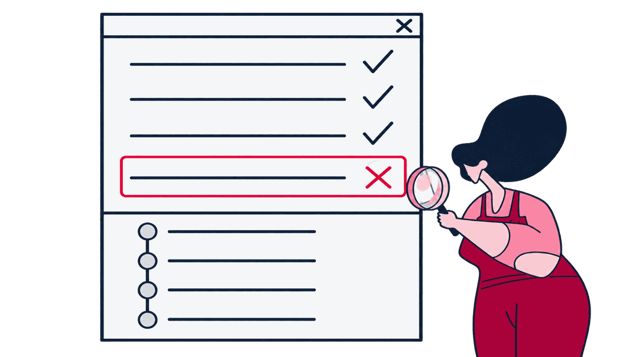
Test evidence
Cohort exceptions and hidden-failure findings
Findings across selected workflows and groups, including important failures that aggregate results could hide.

Roadmap
Barrier-linked improvement backlog and review plan
Prioritized actions for training, support, workflow, tooling, or policy with owners and follow-up signals.


Scope and honest limits
When to bring us in
Activity appears in several systems, yet the adoption owner still can't tell whether selected work improved or which barrier deserves attention first.
A good fit when
- Your usage dashboard shows activity, but it cannot separate useful approved work from experimentation, noise, or repeated attempts.
- Training records, support requests, workflow evidence, and task outcomes sit in different systems with definitions that do not line up.
- Leaders have several adoption ideas, yet no short backlog links each proposed action to a named barrier, task outcome gap, and owner.
- Your meaningful-use definition is tied to tool activity, so target workflow behavior, competence, and accepted task outcomes cannot be reviewed together.
- Your usage, feedback, support, barrier, and task evidence are available, but coverage and collection limits remain split.
- The blended average looks healthy, while cohort exceptions and failure cases still hide which workflow or dependency needs attention first.
- An optimization backlog exists, but its training, support, tooling, or policy actions lack evidence links, owners, or a dated review point.

Better handled as other work when
- You want a universal adoption benchmark or formula despite incomplete source coverage. The available evidence cannot support that comparison.
- You want higher usage counted as a benefit while quality, safety, or rework moves the wrong way. Meaningful use needs task outcomes beside activity.
- You need analytics systems operated or every backlog item implemented. Those training, workflow, tooling, or policy changes require separate scope.
If one of these is closer to your situation, start here instead: See corporate AI training
Your trainers build AI for a living
The people who run our training build and operate AI systems the rest of the week, so the material comes from work we've shipped. Zeo has been around since 2011 and runs the Digitalzone conference community, which keeps us close to how teams across the industry are picking these tools up.







Tools we use
Tools behind this work
 Anthropic
the model running inside the workflows being measured, not a proxy environment
 PromptLayer
tracks whether a workflow pattern actually gets reused, or was a one-off
 Langfuse
traces real workflow usage as permitted evidence, not a self-reported login count
 Helicone
logs per-workflow request patterns, surfacing where usage stalls before completion
 Jupyter
runs cohort analysis as inspectable code, keeping causal limits visible
Adjacent work
Where this leads

Enablement
AI Adoption Strategy
Usage telemetry reveals where team engagement drops, providing the quantitative evidence needed to adjust change-management programs and incentive structures.

Enablement
AI Workflow Redesign Workshop
Low feature completion rates highlight friction points, pointing to specific operational workflows that require redesign with frontline practitioners.

Enablement
AI Champions & Center of Excellence Enablement
Department-level adoption variances identify which business units require dedicated champion coaching and localized workflow playbooks.


Next step
Decide what your adoption evidence can support

Before you decide