


AI Adoption & Change
AI Workflow Redesign Workshop
A workshop changes a workflow only when practitioners, process owners, and policy owners map real workarounds together before choosing human, AI, or simpler process interventions.
The people who do one workflow and the people accountable for it map the version that really runs, including workarounds, delays, and exceptions. Together they test whether AI belongs in each task, set human authority, and choose a short list of experiments. The group leaves with an agreed future-state map, explicit human and AI responsibilities, unresolved exceptions, and a ranked backlog of bounded experiments.

Some of the 500+ brands we've worked with
Selected brands we’ve worked with across industries.










 Wall Street EnglishGlobalCase Study















 MeteksanGlobalCase Study






 OtsimoGlobalCase Study












































 VisperaGlobalCase Study









On this page
The run order, and who signs each step off
How we work
We begin with what people do. The room leaves with a future-state design, unresolved exceptions, and a short experiment list whose owners have accepted the scope and next decision.
The process people follow
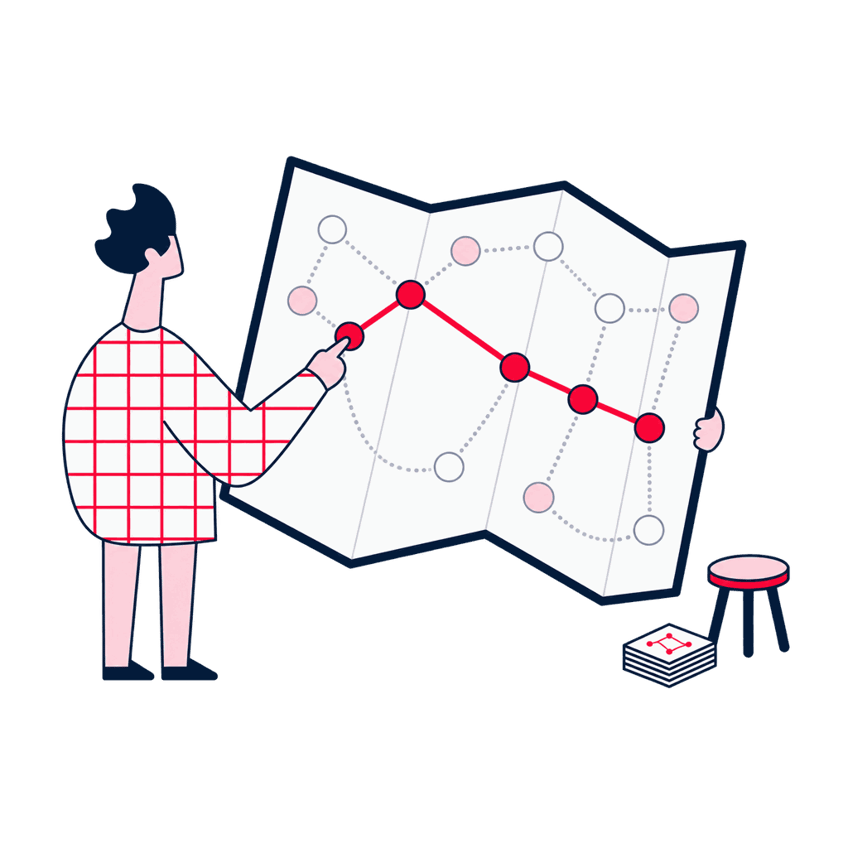
Practitioners walk through the current process, including workarounds, handoffs, delays, rework, exceptions, and the decisions that carry material risk. Practitioners confirm the map matches actual practice.
Check whether the task needs AI
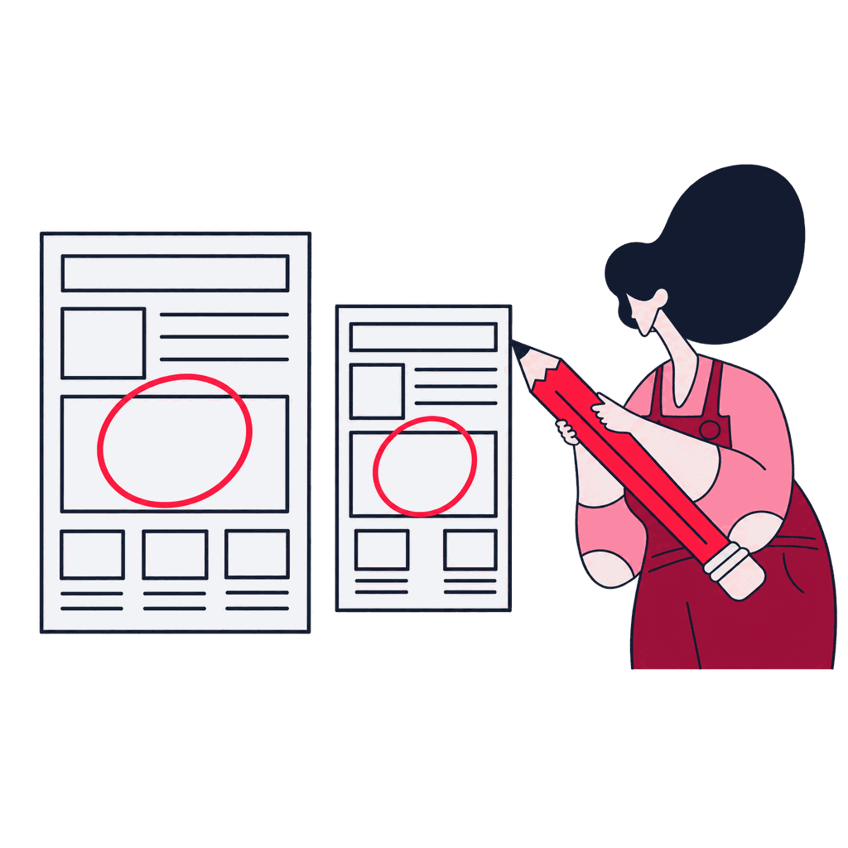
We examine where AI may help, where deterministic automation is enough, and where human judgment must stay central. The process owner decides which task needs AI over simpler automation.
Responsibilities enter one flow
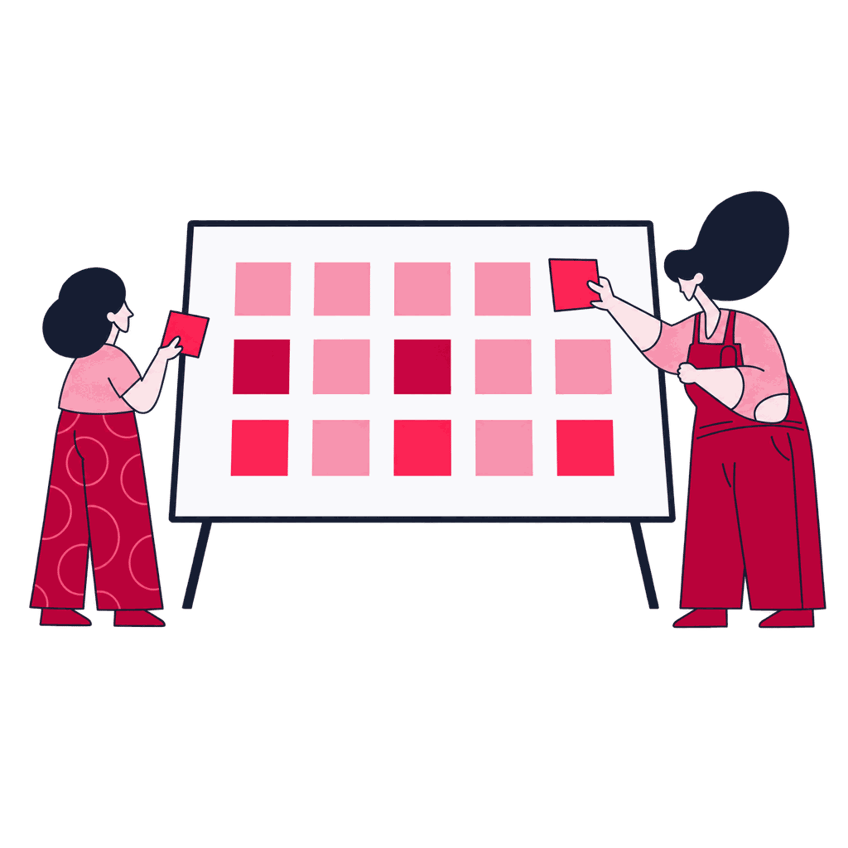
The group places human and AI responsibilities, data boundaries, verification, exception handling, and escalation into one flow. Human authority stays explicit at every consequential point. The workflow owner confirms the future-state flow handles the named exceptions.
A short backlog with owners
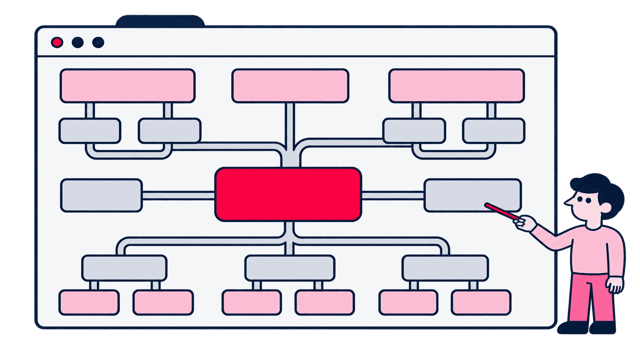
We rank experiments by value, feasibility, risk, and the evidence needed to decide whether each change should continue. Each experiment owner accepts the scope before it enters the backlog.



Named artifacts you keep
What you get
Agreement and uncertainty sit in the same record. The current process, proposed responsibilities, conditions that could break the design, and experiments show what the group knows and what still needs testing.
Architecture document
Actual-to-proposed workflow comparison map
A side-by-side view of the actual process and the proposed human-and-AI flow.
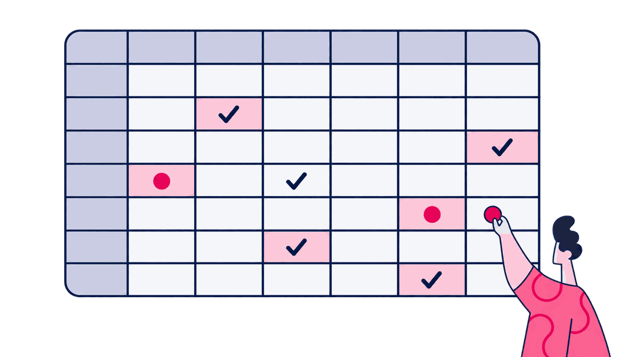
Matrix
Human-AI responsibility and exception record
Who performs, checks, approves, and handles exceptions at each important point.
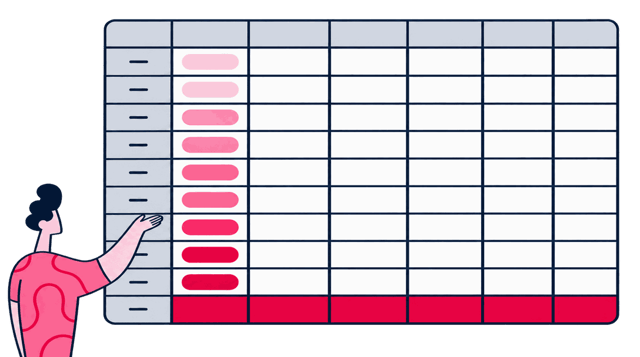
Risk register
Unresolved workflow conditions and exception log
The unresolved conditions that could make the future-state design unsafe or unworkable.
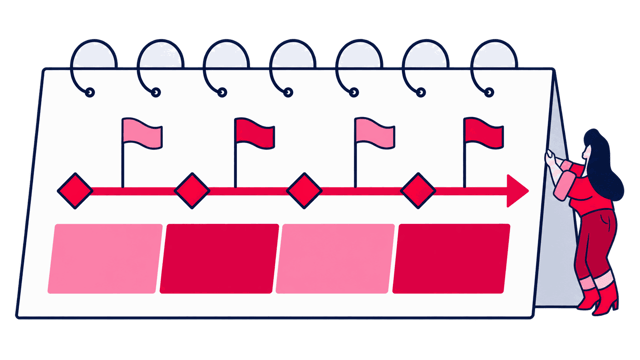
Roadmap
Prioritized experiment backlog
A ranked set of scoped workflow tests with evidence needs and next decisions.


Scope and honest limits
When to bring us in
Choose one workflow whose handoffs, waiting, or repeated work deserve attention. The session works when the people who know those rough edges can examine them together.
A good fit when
- Handoffs, waiting, and repeated work sit across teams, so nobody has a reliable end-to-end view.
- AI ideas keep arriving before the group agrees which tasks are suitable, so simpler process options never get a fair comparison.
- Practitioners and policy owners each see part of the workflow, but they have not agreed one future-state design they can all operate.
- The official workflow omits workarounds and exceptions, so practitioners need to map the version they actually follow.
- Several tasks look suitable for AI at first, but nobody has compared them with deterministic automation or process simplification.
- Human and AI responsibilities are discussed separately, so nobody has joined the controls, authority, and escalation into one usable flow.
- Experiment ideas are multiplying, while no owner has ranked them by value, feasibility, risk, and the evidence needed for a next decision.

Better handled as other work when
- You have already decided AI is the answer and only want the workshop to confirm it. Task suitability needs an open comparison instead.
- You need the future-state process implemented in production during the workshop. That build requires a separate delivery scope.
- You want the workshop to make policy, security, or legal decisions for their owners. Those authorities remain with the people who hold them.
If one of these is closer to your situation, start here instead: See corporate AI training
Your trainers build AI for a living
The people who run our training build and operate AI systems the rest of the week, so the material comes from work we've shipped. Zeo has been around since 2011 and runs the Digitalzone conference community, which keeps us close to how teams across the industry are picking these tools up.

Can Mutioğlu
Senior SEO Executive

Aybüke Göktuna
Senior SEO Analyst

Didem Himmetli
Marketing Executive

Yiğit Konur
Founder & Chief Strategy Officer

Samet Özsüleyman
SEO Manager

Ozan Ketenci
VP of Consulting & Strategy

Mehmet Aktuğ
Co-Founder & COO
Content we've produced on this topic
Tools we use
Tools behind this work
 Miro
Mirothe shared board where practitioners and owners map the workflow as it really runs
 Notion
the backlog of experiments with named owners, the workshop's actual deliverable
 Anthropic
tested live in the room against the specific suitability question being asked
Adjacent work
Where this leads
Enablement
AI Adoption Strategy
Collaborative workshop findings provide the operational process blueprints incorporated into broader enterprise change management roadmaps.
Enablement
AI Champions & Center of Excellence Enablement
Departmental process redesigns are co-facilitated and championed by internal power users who mentor colleagues through daily adoption.
Advisory
AI Adoption Measurement & Optimization
Redesigned workflow milestones establish the specific user touchpoints and completion metrics tracked by adoption telemetry systems.


Next step
Bring one difficult workflow to the table

Before you decide