


Access-Controlled RAG
Access control is not one decision. The same identity and permission decision has to survive indexing, retrieval, assembled context, caches, citations, and logs, and hold through the moment a source permission changes.
A source may be restricted correctly and still surface through an old index entry, cache, citation, or log. We trace identity and permission decisions through the full RAG path, then exercise the places where access can leak or lag behind. The handoff gives your owner a traceable permission path, cross-tenant and stale-access findings, and a response plan for failures that need containment or retesting.

Some of the 500+ brands we've worked with
Selected brands we’ve worked with across industries.







 GeneraliGlobalCase Study









 OdeabankGlobalCase Study








































 Albaraka TürkGlobalCase Study




























On this page
The run order, and who signs each step off
How we work
We map one permission decision across every dependent layer, implement the controls, and test authorized, denied, changed, and cross-tenant cases before handoff.
Map identity and source rules
The map connects identities and query contexts to source ACLs and approved data paths. It also records purpose, retention, environment separation, and least-privilege limits for the test boundary. Your data owner confirms which source permissions and query contexts are in scope.

Carry controls through RAG
Permission rules are applied during indexing and retrieval, then checked through assembled context, caches, citations, and logs. The expected behavior after a permission change is written down for each layer. Your platform owner sets the propagation threshold for a permission change.

Challenge the access paths
The test set covers permitted and denied requests, revoked access, and cross-tenant attempts. We also change permissions during indexing and inspect caches, citations, and logs for material the user should no longer see. Your security lead approves the attack scope and acceptable leakage threshold.

Prepare response and handoff
Test evidence is linked to detection, containment, correction, and retest steps. Your incident owner decides which failures require immediate action, and your designated authority accepts the remaining risk. The incident owner decides which access failures require immediate containment.



Named artifacts you keep
What you get
The handoff shows the expected access decision at every layer and keeps the evidence from denied, revoked, and cross-tenant tests available for later retesting.
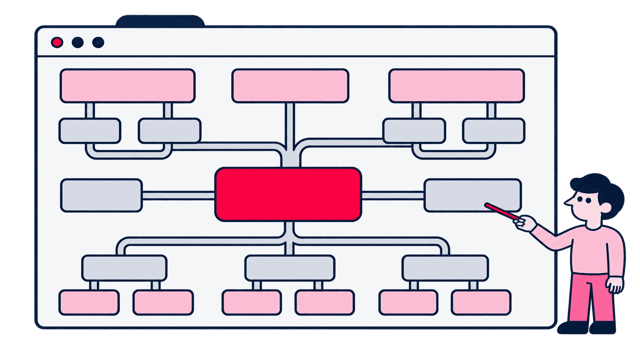
Architecture document
Identity-to-citation access path map
The map links identity, source permissions, query context, retrieval, assembled context, caches, citations, and logs.
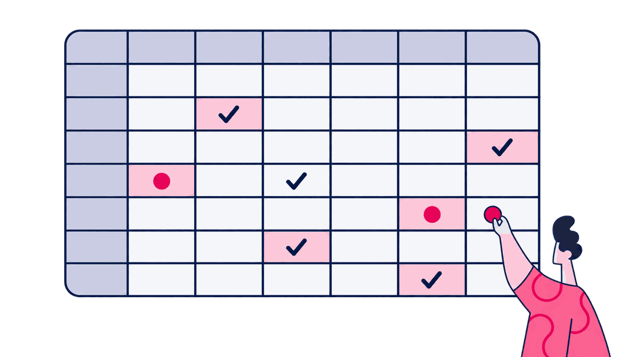
Matrix
Layer-by-layer permission change ledger
The expected permission decision at each layer, including exceptions and what must happen after access changes.
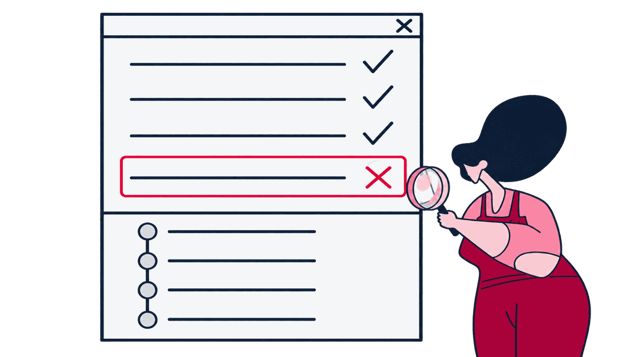
Test evidence
Revoked-access and cross-tenant findings pack
Reproducible tests for authorized, unauthorized, stale-permission, and cross-tenant behavior, with results kept by critical slice.
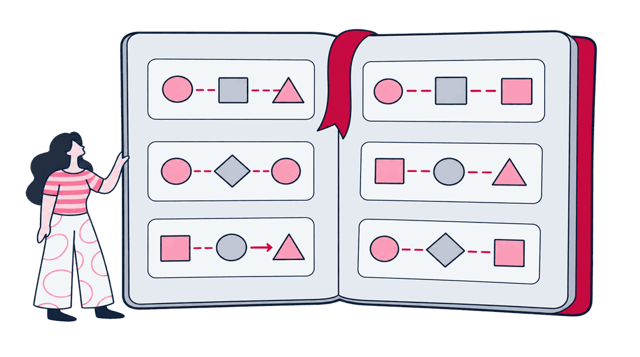
Playbook
Access-incident containment and retest plan
The logging, detection, escalation, containment, stop or rollback, correction, and retest path for access-control failures.


Scope and honest limits
When to bring us in
Use this work when the RAG application must preserve source permissions and your team needs evidence for what happens after access changes.
A good fit when
- Your identity model and source ACLs are documented, but nobody can trace a permission change through indexing, caches, citations, and logs.
- The denied and cross-tenant requests are blocked, yet a stale cache still exposes material after access is revoked.
- An access incident can be reproduced, but the incident owner lacks one trace linking the leak to containment, correction, and retest.
- Source ACLs and user identities are known, but the expected permission decision changes as a request moves from indexing into retrieval.
- Query-time filtering blocks the first request, while assembled context, caches, citations, or logs may still retain the restricted material.
- Authorized and denied requests behave as expected, yet stale-permission and cross-tenant cases have not been exercised on every critical slice.
- Your incident owner sees a failed access check, but the evidence is not yet tied to containment, rollback, correction, and a dated retest.

Better handled as other work when
- You need an access-control decision to carry legal, regulatory, audit, or certification weight. Your compliance and legal owners sign that off, not this work.
- You need proof that no future RAG path can leak data. These checks cover the named identities, sources, permission states, and layers in scope.
- You need source ACLs, caches, or citations changed in production beyond the approved test boundary. That implementation belongs in separately scoped work.
If one of these is closer to your situation, start here instead: View the parent service
Engineers who ship production AI
This is the part of Zeo that writes and ships code. Our senior engineers build agents, chatbots, and RAG pipelines, along with the automation and data work around them, and they keep operating those systems once they're live. We've worked with more than 500 brands since 2011.





Tools we use
Tools behind this work
 LlamaIndex
the pipeline framework identity and permission metadata actually travels through
 Qdrant
the vector store enforcing permission filters at the index level, not just the app layer
 Datadog
the log monitor catching the access leak the answer itself never shows
 Mindgard
the continuous red-team engine exercising the RAG access paths this page names
 Jupyter
the notebook rerunning the propagation-timing analysis as a shown calculation
 Tonic
Tonicthe synthetic test data letting leakage testing run without exposing real restricted content
Adjacent work
Where this leads

Build
Enterprise RAG Development
Access control protects source documents at query time, but the broader architecture must maintain retrieval precision and latency across every tenant partition.

Assurance
RAG Evaluation & Groundedness Testing
Filtered contexts eliminate unauthorized excerpts before evaluation proves whether the remaining citations are factually grounded and free of hallucination.

Advisory
Enterprise Knowledge System Strategy & Architecture
Document permissions enforce retrieval boundaries, while the enterprise strategy defines which systems of record feed the index and who owns updates.


Next step
Test the permission path before release

Before you decide