


RAG & Enterprise Knowledge
RAG Evaluation & Groundedness Testing
Retrieval, groundedness, citations, access rules, and abstention fail in different ways, so each carries a separate score before we judge the complete answer. A RAG release decision is credible on that basis.
A fluent RAG answer can rest on the wrong document, an unsupported claim, a citation that points nowhere useful, or a retrieval the reader's role never allowed. We score each of those separately, so a failure lands on the layer that owns it instead of blurring into one quality number. At the release decision, every open failure sits with the RAG layer that owns it, backed by golden queries, subsystem grading, query-slice findings, and a release log.

Some of the 500+ brands we've worked with
Selected brands we’ve worked with across industries.














 MeteksanGlobalCase Study




 VisperaGlobalCase Study























On this page
The run order, and who signs each step off
How we work
One blended answer score can't tell you what to fix. We score each part of the RAG path on its own first, and only then judge how the complete answer behaves.
Set the test boundary
We lock in the query population, source corpus, access roles, expected evidence, known failures, and release thresholds. Your product owner confirms the evaluation set represents the questions that matter.
Build protected test cases
We create golden queries and relevance judgments, then keep the evaluation set separate from implementation tuning. A domain reviewer confirms each judgment before it enters the protected set.
Test each subsystem
We score retrieval, grounded claims, citations, access, and abstention separately before reviewing the complete response path. Your evaluation lead confirms which subsystem owns a given failure.
Retest the release gate
We rerun failed slices after changes and record open exceptions, regression status, and the next owner decision. Your product owner releases, conditions, or holds the build.


Named artifacts you keep
What you get
Every finding stays attached to the query, source, role, and subsystem where it appeared, so the fix conversation starts in the right room.
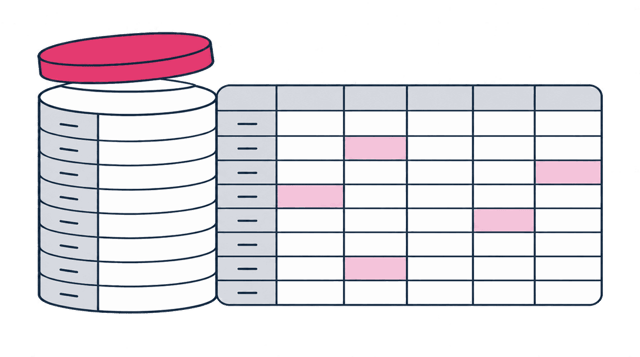
Dataset
Golden-query and relevance-judgment inventory
Captures representative queries, expected sources, relevance labels, access context, and review rules.
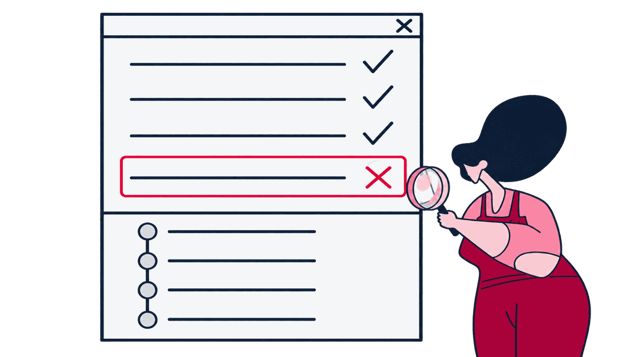
Test evidence
Retrieval-to-abstention grading matrix
Tests retrieval, groundedness, citation, access, and abstention both separately and across the full response path.
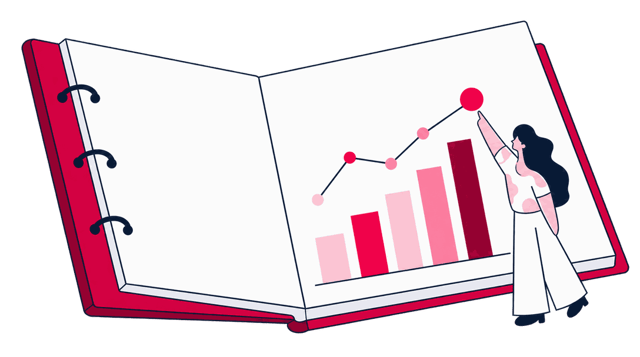
Report
Query-slice failures and remediation findings
Groups errors by query type, source, role, subsystem, and attempted remediation.
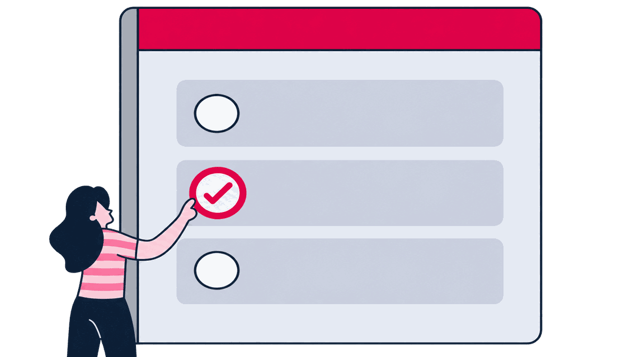
Decision record
RAG thresholds, exceptions, and release log
Records thresholds, critical exceptions, approved conditions, owners, and the next regression trigger.


Scope and honest limits
When to bring us in
Retrieval, grounding, citation, access, and abstention fail in different ways and get fixed by different people. If your RAG metrics can't tell those failures apart, every remediation is a guess. That's the case this work is built for.
A good fit when
- Your RAG answers look fluent but fail review, and the team cannot tell whether retrieval, unsupported generation, or citation caused the error.
- Answer quality looks acceptable overall, while access leaks and failures to abstain remain hidden inside the aggregate result.
- Your representative queries and source documents exist, but known failures are not tied to access roles, traces, and expected evidence.
- Your golden queries are drafted, yet relevance judgments, critical user slices, and protected cases do not share one review rule.
- The full response receives one score, so retrieval, groundedness, citation, access, and abstention failures remain indistinguishable.
- A remediation lifts the average, but failed query slices are still missing from the regression gate.
- Component evidence exists, while critical exceptions and regression status still leave the product owner unable to make a release call.

Better handled as other work when
- You expect groundedness and abstention results to support certification or an audit opinion. Your product authority owns the legal and regulatory determination.
- You need every answer to be correct, grounded, complete, or risk-free, although the evidence covers only the tested corpus, roles, and queries.
- You need corpus acquisition, production operation, or remediation delivered, because this work stops at the agreed RAG test boundary.
If one of these is closer to your situation, start here instead: See the evaluation service
We operate the systems we test
It's hard to test a system well if you've never had to keep one running. We operate production AI ourselves, so our evaluation, security testing, and LLMOps work starts from what actually breaks. The people on it are senior engineers, and Zeo has been doing client work since 2011.







Tools we use
Tools behind this work
 LlamaIndex
exposes the retrieval pipeline's intermediate steps as their own testable subsystem
 Chroma
the indexed corpus retrieval tests run against, matching what production queries
 Ragas
Ragasscores retrieval and groundedness separately, matching this page's subsystem split
 Confident AI / DeepEval
checks whether retrieval respects the reader's role, not just document relevance
Adjacent work
Where this leads
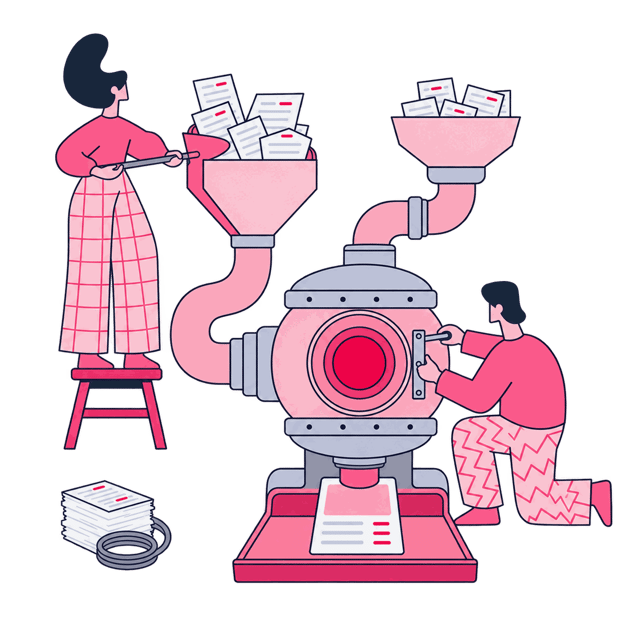
Build
Enterprise RAG Development
Scoring retrieval, groundedness, citation, access, and abstention separately tells you which layer owns a failure. Repairing the ingestion, indexing, or lineage underneath it happens in the build.
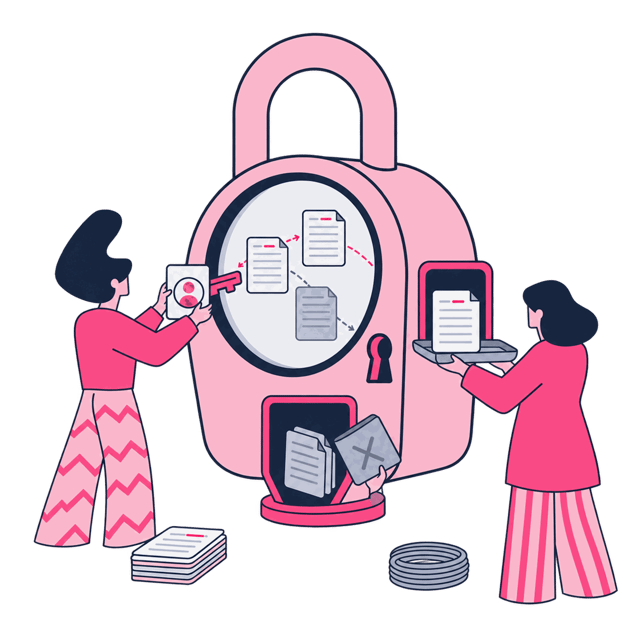
Build
Access-Controlled RAG
Our access slice checks whether a role ever retrieves what its permissions forbid. Making that hold through the index, cache, citations, and logs after a permission changes is build work.
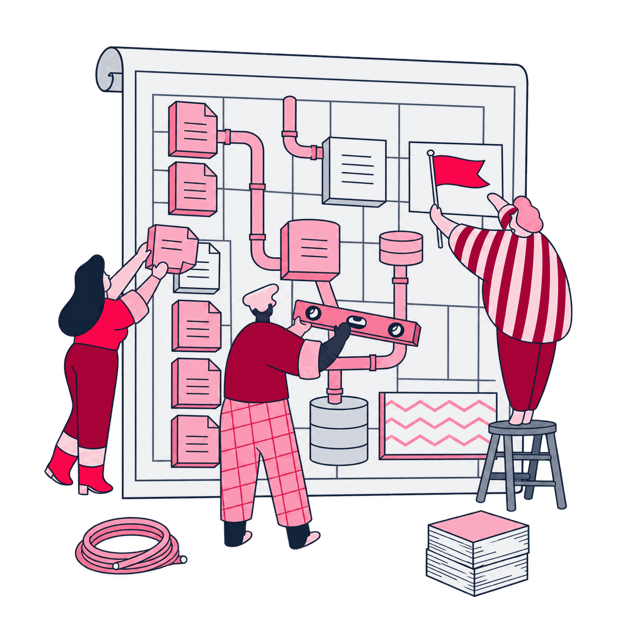
Advisory
Enterprise Knowledge System Strategy & Architecture
Groundedness keeps failing on the same sources when nobody owns their authority or freshness. No threshold fixes that; the source, access, and ownership design has to be settled first.


Next step
Find which layer is failing your RAG answers

Before you decide